
In Australia, we don't just experience four seasons; we experience four distinct shifts in air quality. From the "Roaring Forties" winds in Tasmania to the humid summers of Queensland, the air in our homes is constantly reacting to the world outside.
If you find yourself sneezing more in Spring or feeling "heavy-headed" in Winter, it’s not just a coincidence, it’s science. Here are five ways the changing seasons affect your indoor air quality and how you can take control.
1. The Winter "Lid" (Temperature Inversions)
During cold, clear Australian winters, a phenomenon called a temperature inversion occurs. Normally, warm air rises and carries pollutants away. In winter, a layer of warm air can act as a "lid," trapping cool air, and all its pollutants at ground level.
- The Result: This traps woodsmoke from fireplaces and car exhaust near your home, leading to higher concentrations of fine particulate matter PM 2.5 entering your living space.
2. Spring Pollen Surges & "Thunderstorm Asthma"
As the weather warms, plants release massive amounts of pollen. In many parts of Australia, rising global temperatures are causing these seasons to start earlier and last longer.
- The Result: High pollen counts aren't just for the outdoors. These microscopic allergens hitch a ride on your clothes and pets, settling into your carpets and bedding, triggering non-stop hay fever symptoms.
3. Summer Photochemical Smog
Summer air quality is driven by the sun. When intense UV rays react with nitrogen oxides (from traffic) and Volatile Organic Compounds (VOCs), they create ground-level ozone.
- The Result: This "summer smog" is a harsh lung irritant that can make breathing feel restricted, especially during afternoon heatwaves when the air is stagnant.
4. Humidity, Dust Mites, and Mould
The transition into humid months (the "Wet Season" in the North or muggy late summers in Sydney/Brisbane) changes the "weight" of the air.
- The Result: When humidity climbs above 60%, it creates a breeding ground for dust mites and mould spores. Conversely, the dry air of winter can parch your nasal passages, making you more vulnerable to airborne viruses.
5. Bushfire Smoke and Dust Storms
Late Spring and Summer bring the inevitable risk of bushfires and dust storms, often carried thousands of kilometres by hot, dry northerly winds.
- The Result: These events introduce dangerous levels of PM 2.5 into the atmosphere. These particles are small enough to enter the bloodstream, posing a significant risk to those with pre-existing respiratory conditions.
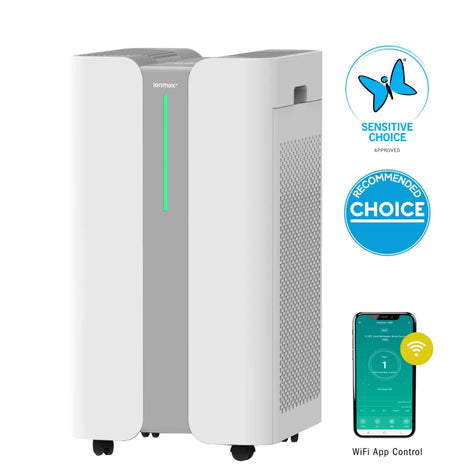
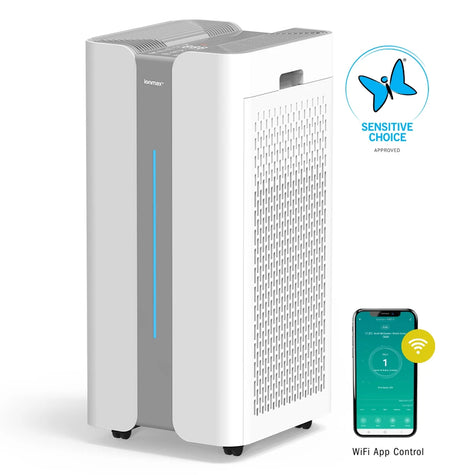
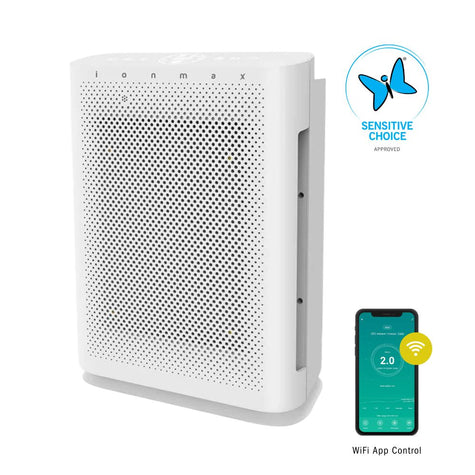
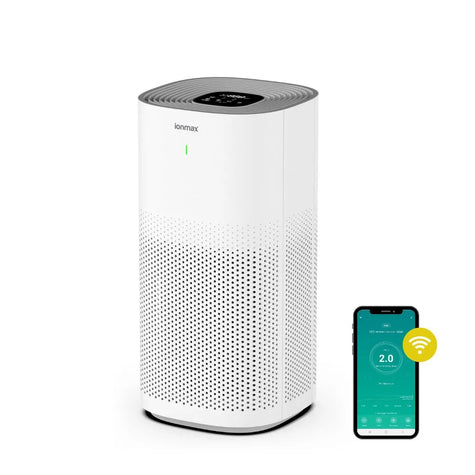
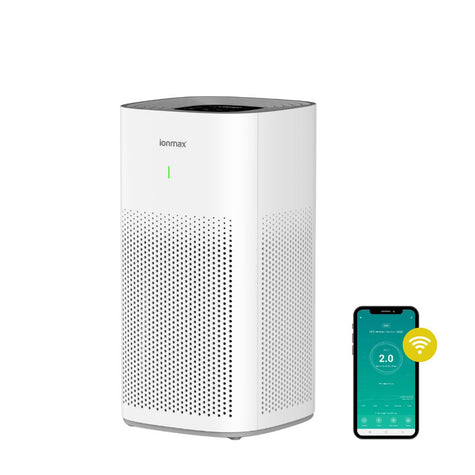
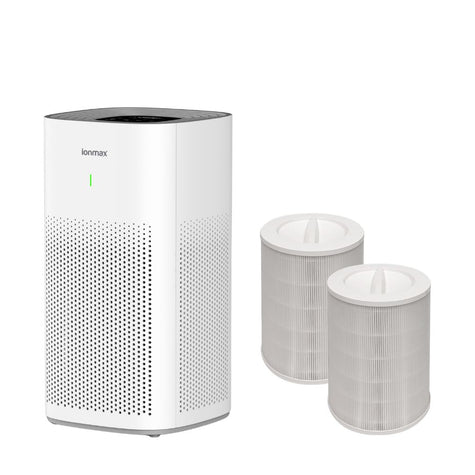
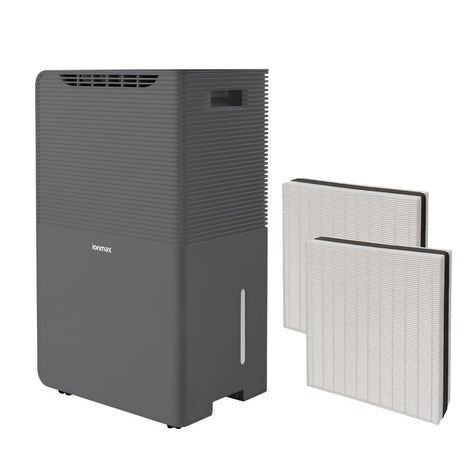
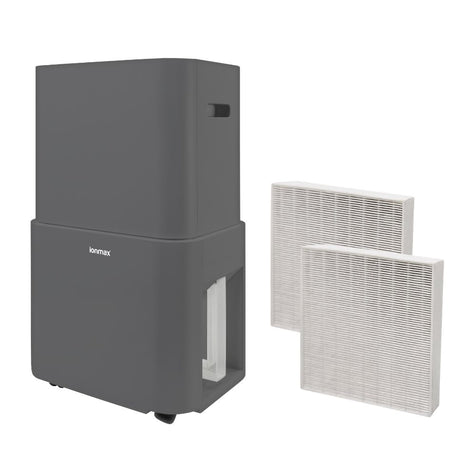
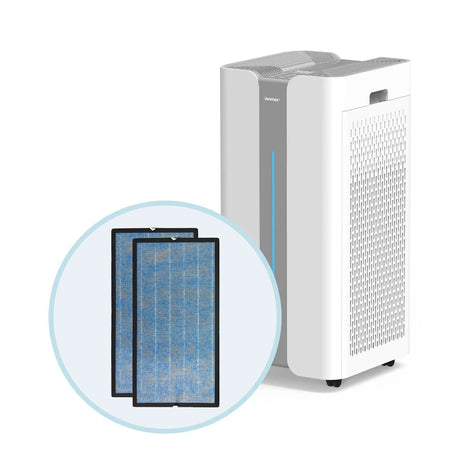
How an Ionmax Air Purifier Protects Your Home Every Season
You can’t control the weather, but you can control your "Sleep Sanctuary." Integrating a medical-grade air purifier into your home offers year-round defense:
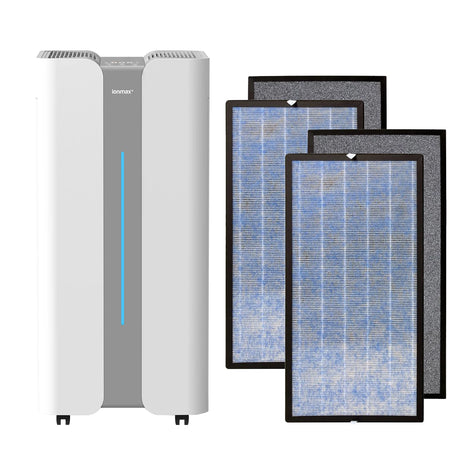
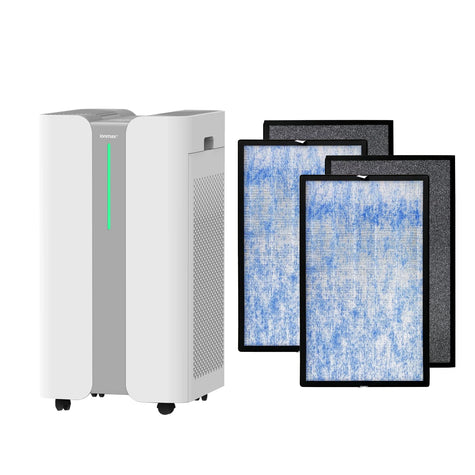
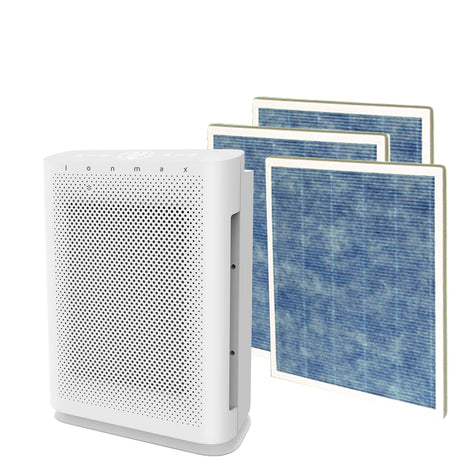
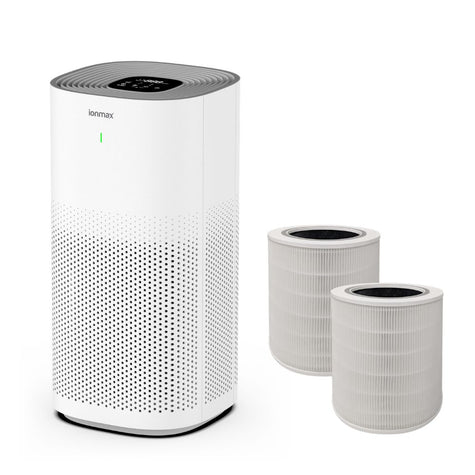
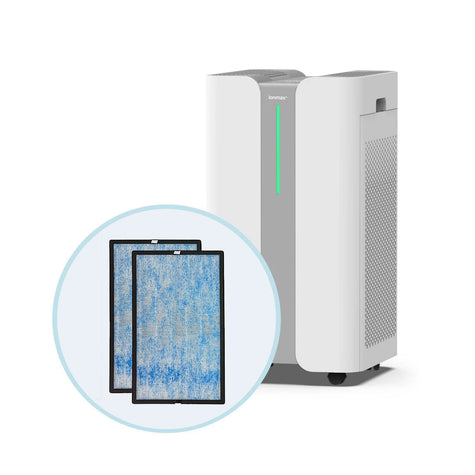
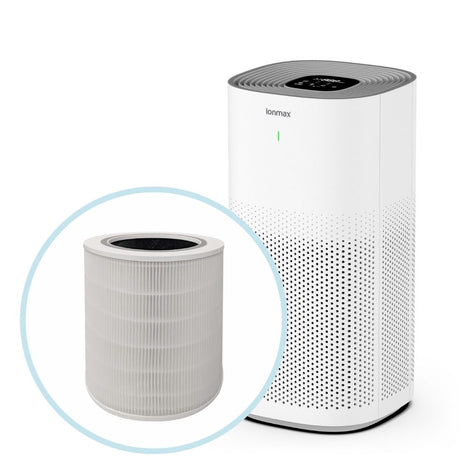
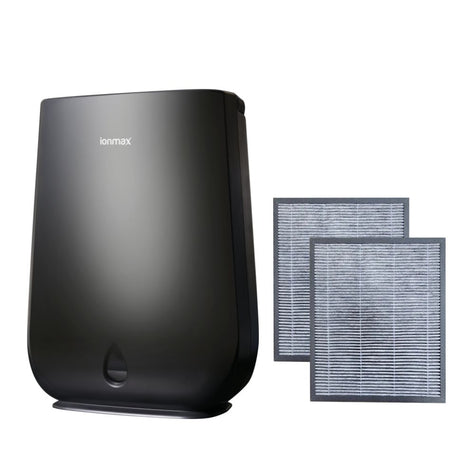
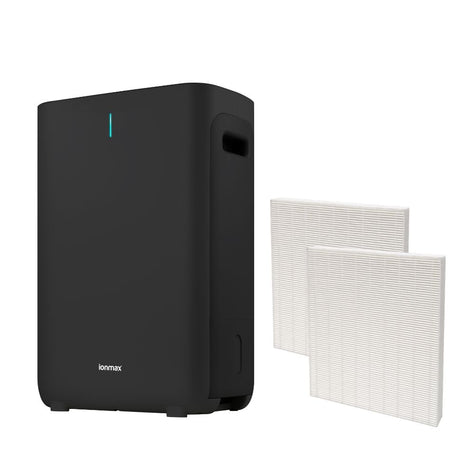
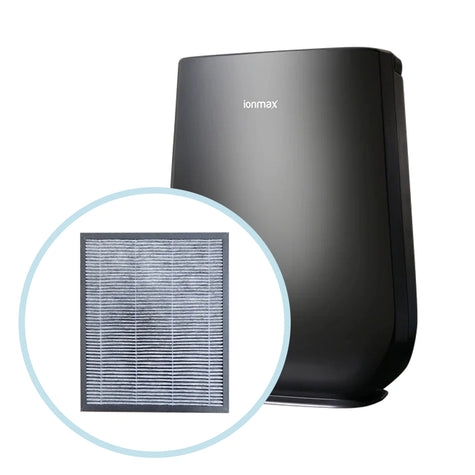
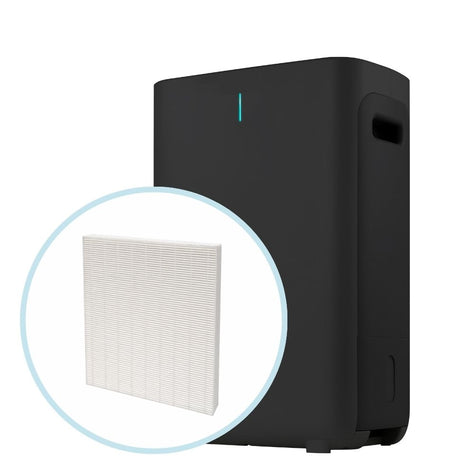
- H13 HEPA Filtration: Ionmax purifiers use H13 HEPA filters to trap 99.97% of particles as small as 0.3 microns. This includes pollen, dust mite waste, and the dangerous PM 2.5 from smoke.
- UV-C Protection: Specifically designed to deactivate airborne bacteria and viruses, providing an extra layer of safety during the flu-heavy winter months.
- Activated Carbon Layers: Neutralises the VOCs and ozone common in summer smog, as well as lingering woodsmoke odours in winter.
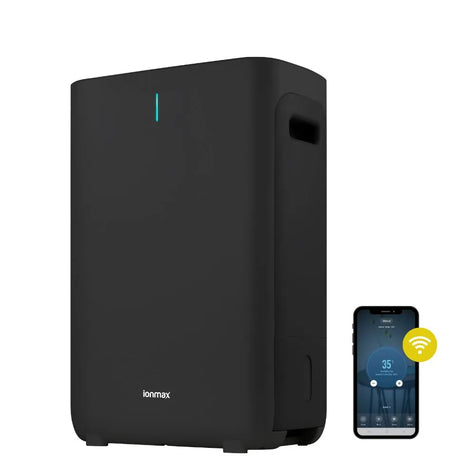
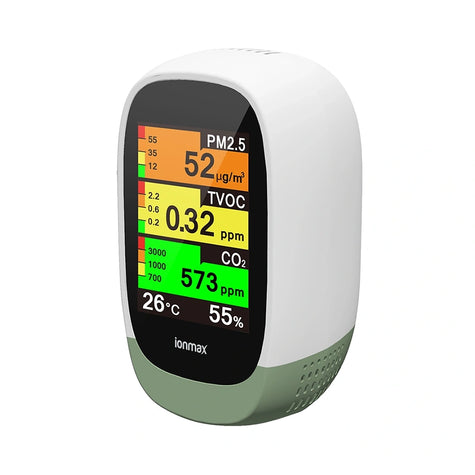
- Real-Time Monitoring: SmartSens™ technology monitors your air quality 24/7, automatically increasing fan speed when it detects a seasonal spike in pollutants.
Sources & Further Reading
- Australian Institute of Health and Welfare (AIHW): Air Quality and Health Reports (2025).
- Asthma Australia: Pollen and Weather Patterns: Managing Seasonal Risks.
- NSW Environment & Heritage: Understanding Temperature Inversions and Air Pollution.
- CSIRO: State of the Climate: Impact on Australian Air Quality.
For more information on protecting yourself fill in our form!