During bushfire season or on high pollution days, many Australians instinctively reach for their weather app to check the Air Quality Index (AQI).
If the rating says “Good”, we relax. If it says “Poor”, we close the windows.
But here’s the part most people don’t realise: the AQI only tells you what’s happening outdoors. It doesn’t measure the air in your living room, bedroom, or home office.
And sometimes, the air inside can be very different from what’s happening outside.
What does AQI actually measure?
In Australia, the AQI reflects outdoor levels of pollutants such as:
- PM2.5 (fine particles)
- PM10 (coarser dust particles)
- Ozone
- Nitrogen dioxide
Monitoring stations across each state collect this data to provide a general picture of outdoor air quality in your area.
That’s useful, especially during bushfires or dust events. But it doesn’t account for what’s happening once that air enters your home, or what you generate indoors yourself.
Why indoor air can actually be worse
Here’s where it gets interesting. Indoor air can be between 2-5 times worse than outdoor air. In some cases, up to 100 times worse.
Many common household activities create their own air pollution. And unlike outdoor air, indoor pollutants don’t always disperse quickly.
Some major contributors include:
Cooking
Gas cooktops, frying, grilling and even toasting can cause sharp spikes in PM2.5. In fact, indoor particle levels during cooking can temporarily exceed outdoor pollution levels — even on a “Good” AQI day.
Candles and incense
They may smell pleasant, but they release fine particles into the air.
Cleaning sprays
Many contain volatile organic compounds (VOCs) that linger indoors.
Pets
Dander and fur circulate through the air and settle into fabrics.
Vacuuming
Without proper filtration, vacuums can stir up fine dust and allergens.
None of these show up on your state’s AQI report. But they absolutely affect the air you breathe.
Bushfire smoke: the clearest example
Bushfires are a strong reminder that outdoor air and indoor air aren’t always the same — but they are connected.
During heavy smoke events, outdoor AQI readings can soar. Even after those readings improve, fine particles may remain indoors, especially if windows were open earlier.
Without proper filtration, smoke particles can linger in carpets, soft furnishings and indoor air for days.
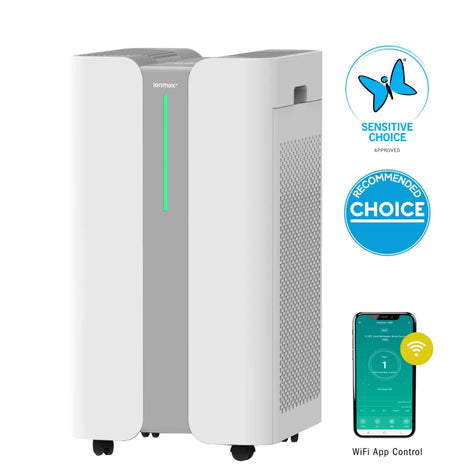
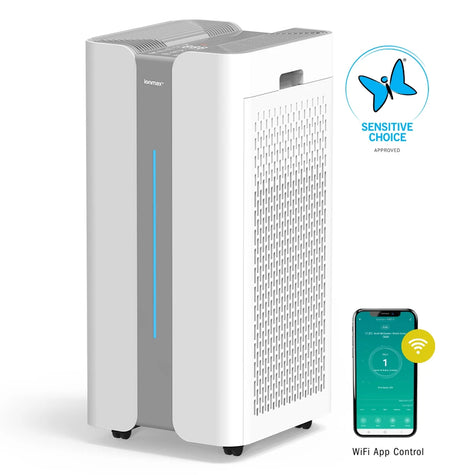
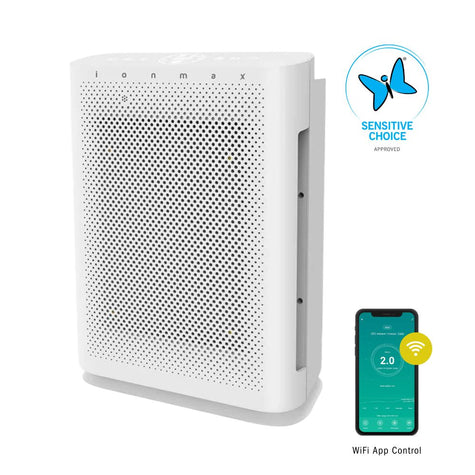
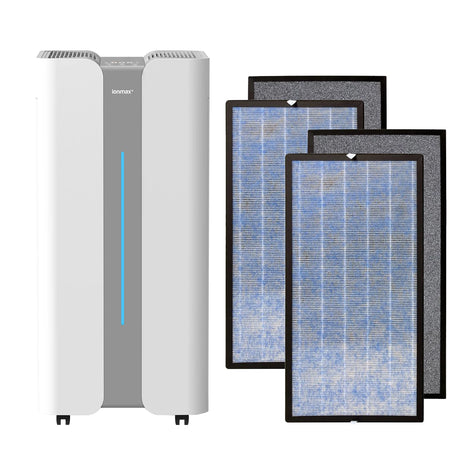
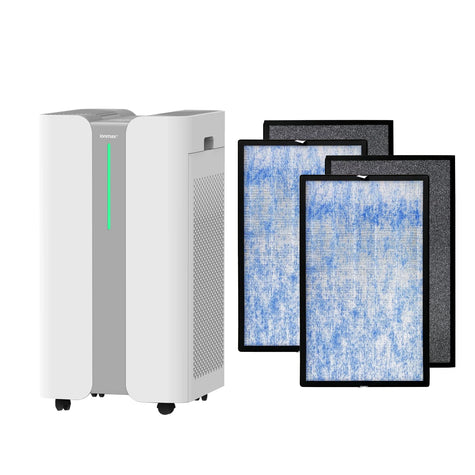
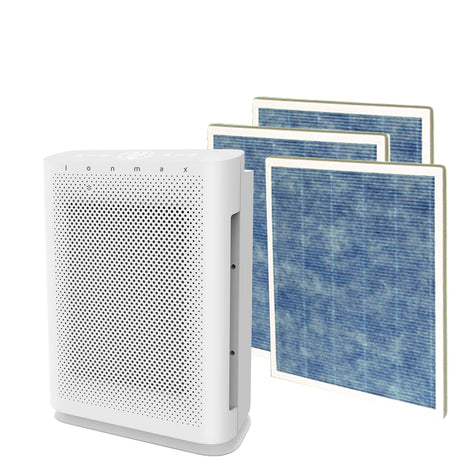
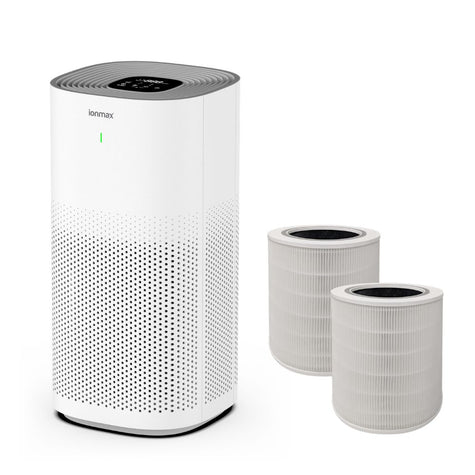
That’s why many Australians now create a “clean air room” during bushfire season — using a HEPA air purifier to reduce PM2.5 levels inside while keeping windows closed.

Humidity doesn’t show up on AQI. But it matters
If you live in Sydney, Brisbane, the Gold Coast or other coastal regions, humidity is another hidden factor.
The AQI doesn’t measure moisture levels. But high indoor humidity creates the perfect environment for mould growth.
Mould spores can become airborne and affect respiratory health, yet they won’t be reflected in your outdoor AQI reading.
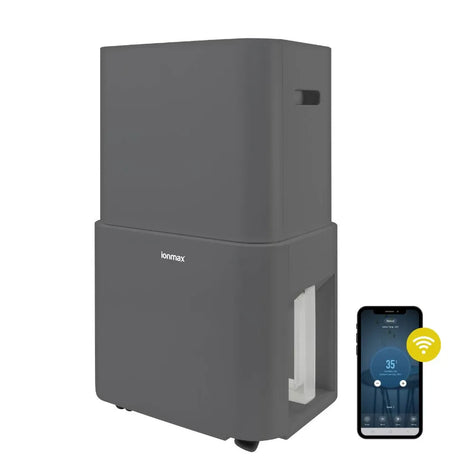
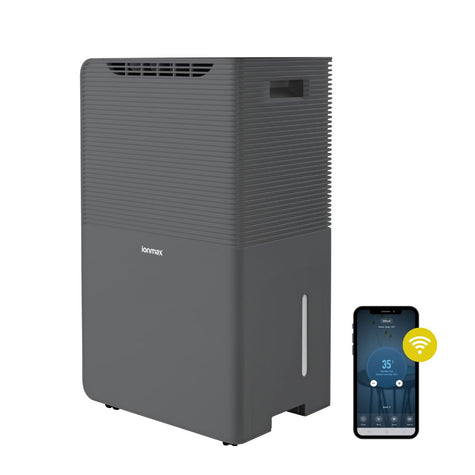
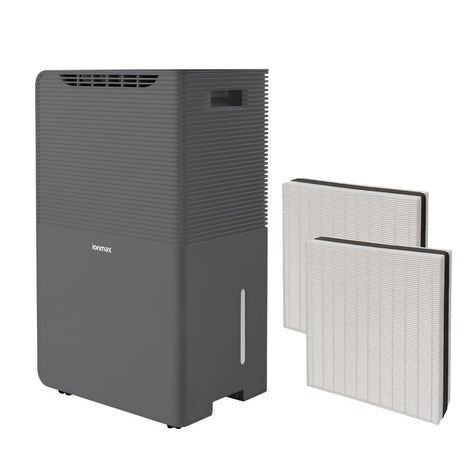
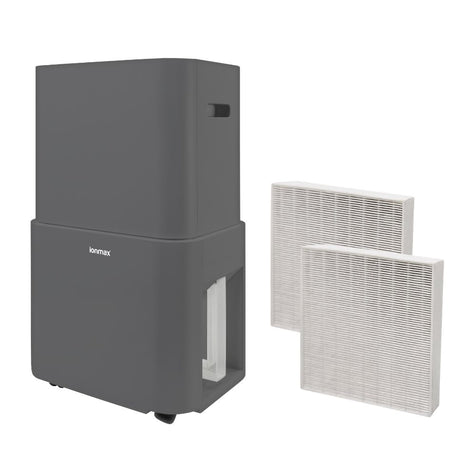
Managing indoor humidity between 40 to 50% is often just as important as managing particle pollution, especially during the summer months.
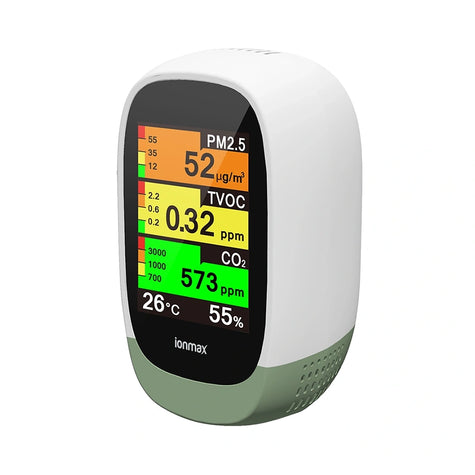
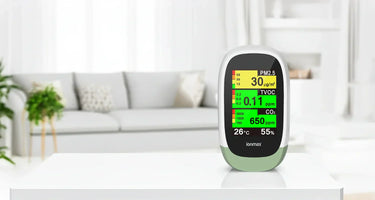
MEASURE HUMIDITY: Ionmax Q10 Indoor Air Quality Monitor
So when does outdoor AQI reflect indoor air?
Outdoor AQI is more likely to influence indoor air when:
- Windows and doors are open
- Homes are naturally ventilated
- Buildings are older or less sealed
- Major pollution events are occurring
But even then, indoor activities can raise or lower pollution levels independently.
The only way to really know: measure indoors
If you want to understand what you’re breathing inside your home, you need indoor monitoring.
A dedicated indoor air quality monitor such as the Ionmax Q10 AQM can show:
- Real-time PM2.5 levels
- Total VOC concentrations
- Carbon dioxide levels
- Temperature
- Humidity levels
Many Australians are surprised to see how quickly indoor levels can spike and how effective proper filtration can be in bringing them back down.
How to improve indoor air quality in Australian homes
If you’re looking to take control of your indoor environment, here are some practical steps:
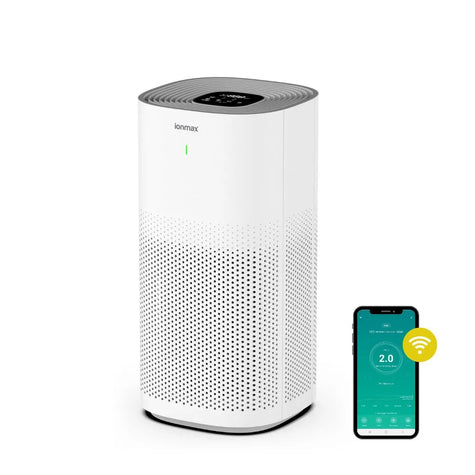
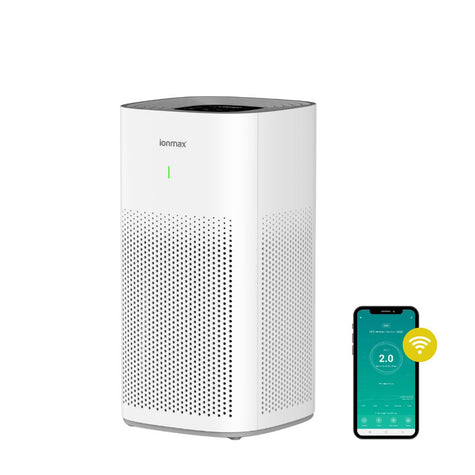
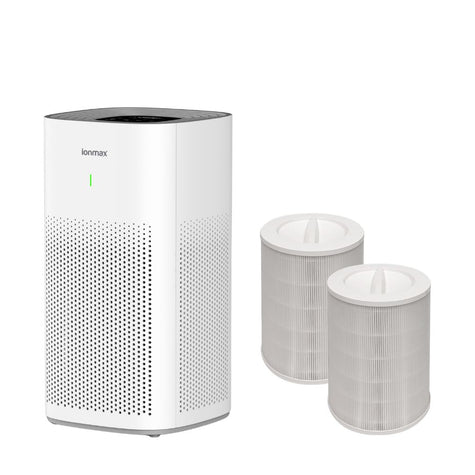
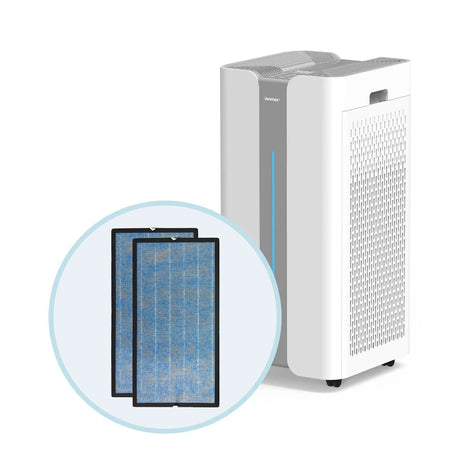
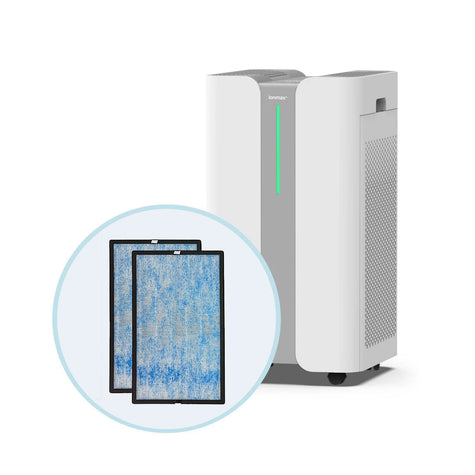
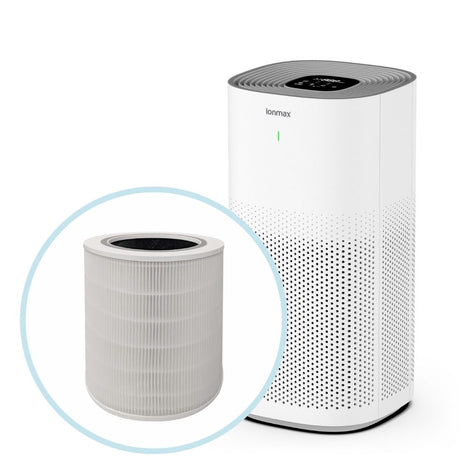
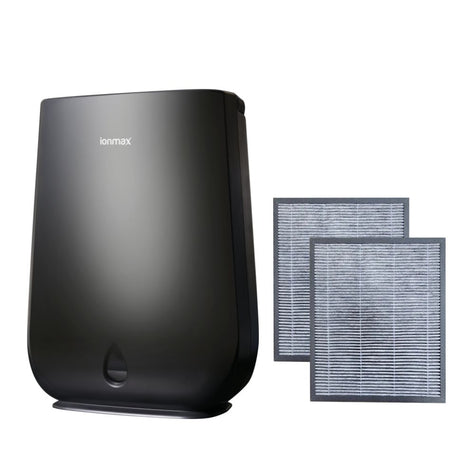
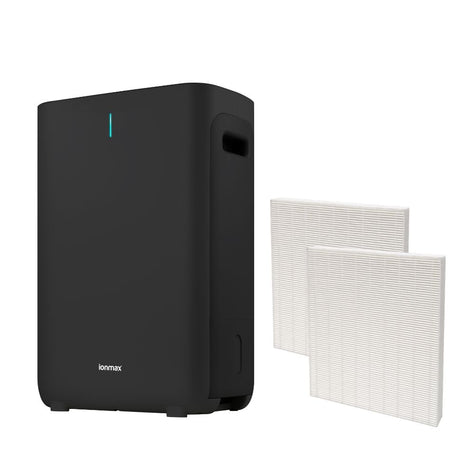
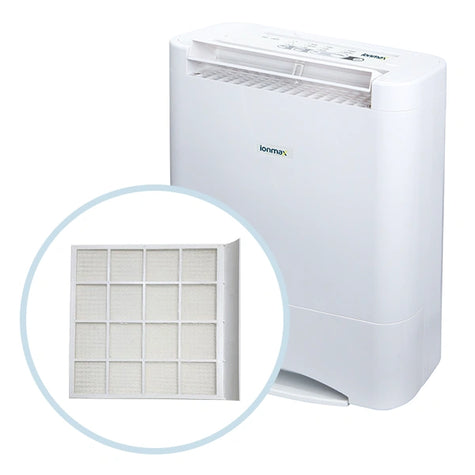
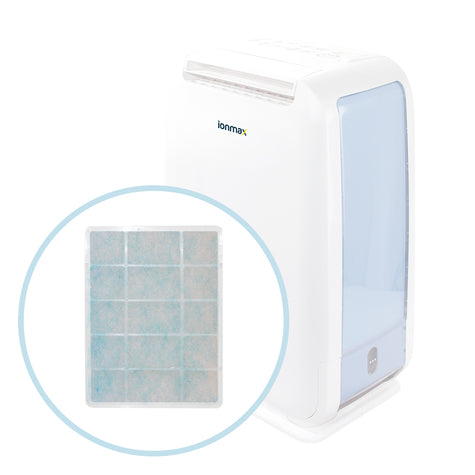
- Use an Ionmax HEPA air purifier to capture fine particles
- Ventilate strategically. Open windows when outdoor AQI is low
- Control humidity, especially in coastal climates
- Use exhaust fans during cooking
- Replace filters regularly
Improving indoor air quality doesn’t have to be complicated. It simply starts with understanding that what’s happening outside isn’t always what’s happening inside.
A breath of fresh air
Checking the AQI and employing air purifiers is a smart habit especially during bushfires or pollution events.
But it’s only half the story.
Your indoor air is shaped by outdoor conditions, your home’s structure, and your daily habits. Sometimes it’s cleaner than outside. Sometimes it’s not.
If there’s one shift Australians are making, it’s this: instead of assuming, they’re measuring — and managing their indoor air with the same attention they give to the weather forecast.
Because at the end of the day, the air inside your home is the air you breathe the most.