

Ask any Melburnian about winter, and they will tell you about the unpredictable weather, four seasons in one day, and freezing morning frost. But inside the home, a far more insidious seasonal problem takes hold: uncontrolled indoor dampness.
Every year from June through August, homes across Melbourne from Victorian terraces in Fitzroy to modern townhouses in Southbank, suffer from weeping windows, musty wardrobes, and sudden outbreaks of black mould. While many assume that cranking up the heater is the best solution, standard heating often masks the issue while making the humidity problem worse.
To protect your property, your health, and your indoor comfort during a Victorian winter, understanding Melbourne's unique microclimate and using the right climate-control technology is essential.
1. Melbourne’s Winter Microclimate: The High-Humidity Trap
There is a common belief that cold winter air is inherently dry. While that might hold true in alpine regions, Melbourne’s coastal positioning creates an entirely different environmental profile.
According to long-term climate observations from the Bureau of Meteorology (BOM), Melbourne’s average relative humidity (RH) during winter peak months (June to August) regularly ranges between 75% and 85%.
When this moisture-laden outdoor air enters a home, it creates the condensation trap:
- The Dew Point Factor: You heat your living space during the evening, allowing the warm air to absorb moisture from cooking, showers, and breathing.
- The Overnight Freeze: Overnight, Melbourne temperatures frequently plunge to 6°C or lower. As the interior air cools down against cold window panes and uninsulated external walls, it hits its dew point.
- The Result: The invisible water vapour suspended in your room instantly liquefies, leaving your glass "crying" and pools of water collecting on your timber sills.

2. Heritage Charm vs. Modern Efficiency: Neither is Safe
Melbourne’s diverse housing stock faces severe dampness issues, regardless of build era:
- Heritage & Older Builds (Inner Suburbs like Fitzroy, Richmond, Brunswick, Hawthorn): Single-glazed timber or steel-framed windows, drafty floorboards, and uninsulated brick-veneer construction lead to severe thermal bridging. Cold outdoor temperatures transfer directly onto indoor surfaces, causing aggressive moisture pooling every single night.
- Modern High-Rises & Townhomes (Southbank, Docklands, Growth Corridors): Today's energy-efficient builds are sealed tight to retain heat. However, without constant mechanical ventilation, everyday moisture generated from hot showers, boiled kettles, and indoor clothes drying gets trapped inside with nowhere to escape.
3. The 24–48 Hour Mould Germination Window
Dampness isn't just an ugly nuisance, it is a biological hazard. According to guidelines published by Better Health Channel Victoria and the World Health Organization (WHO), indoor relative humidity levels consistently above 60% create optimal conditions for fungal growth.
Once winter condensation pools on walls, carpet edges, or behind wardrobes, mould colonies (Stachybotrys chartarum and Aspergillus) can establish and begin spreading within 24 to 48 hours.
Inhaling airborne mould spores causes chronic upper respiratory irritation, nasal congestion, coughing, and flare-ups of asthma and allergies. For young children and the elderly, living in a damp Melbourne home throughout winter poses significant long-term health risks.
4. Why Your Heater Isn't Solving the Problem
A widespread myth among Melbourne households is that turning up the ducted heating or split-system air conditioner will "dry out" the house.
Here is why that logic fails:
Warm air holds more water vapour than cold air, but heating does not remove water from the room.
When you turn on the heat, you simply increase the air's capacity to carry moisture, turning liquid water into invisible vapour. As soon as your heater switches off overnight to save power, the ambient temperature drops, and all that trapped moisture condenses straight back onto your walls and windows.
To eliminate dampness permanently, you must physically extract the water from your atmosphere.
5. Why Desiccant Technology Wins in Victoria
Not all dehumidifiers are built for Melbourne’s cold climate:
- Compressor Dehumidifiers: Standard compressor models rely on cold internal coils to freeze and condense water vapour. When room temperatures drop below 15°C. Which happens regularly in Melbourne bedrooms overnight, compressor units freeze over and lose up to 80% of their extraction efficiency.
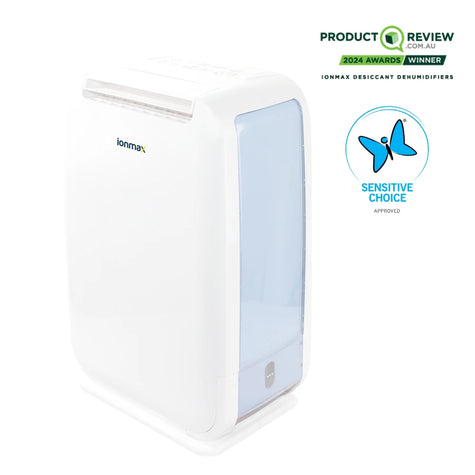
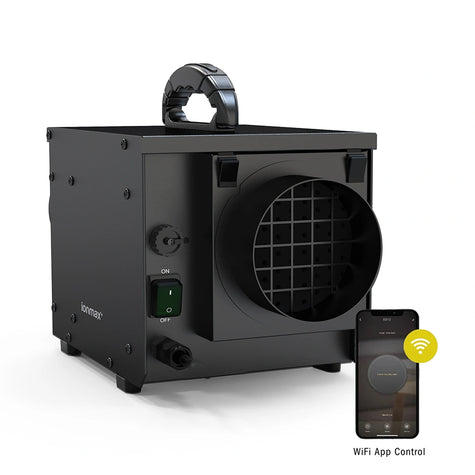
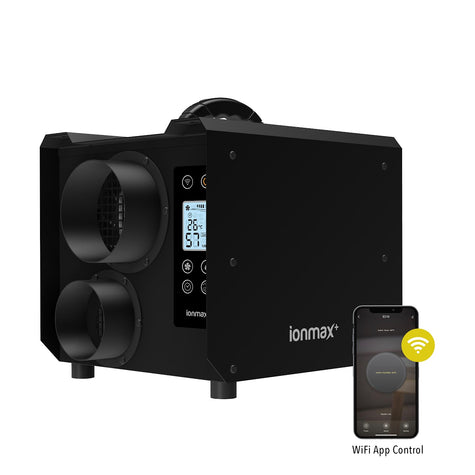
- Desiccant Dehumidifiers: Desiccant units use a moisture-absorbing rotor wheel instead of cooling coils, allowing them to extract litres of water efficiently in temperatures as low as 1°C. As a bonus, desiccant technology exhausts warm air (about 10°C–12°C warmer than the room), helping gently heat your space while drying it out.
The Ultimate Melbourne Solution: The Ionmax Venta 8L Desiccant Dehumidifier
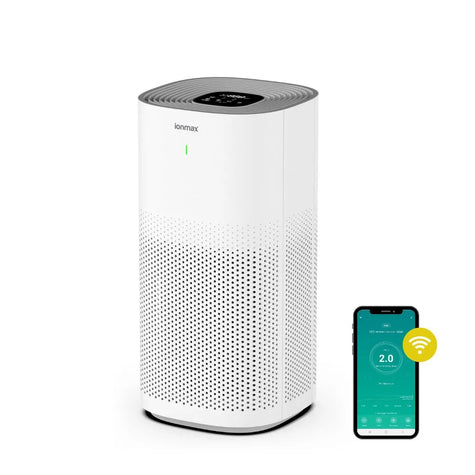
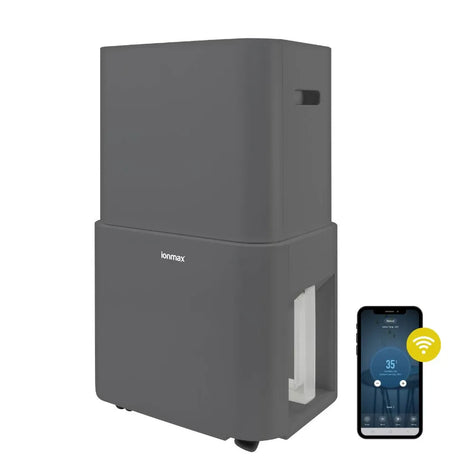
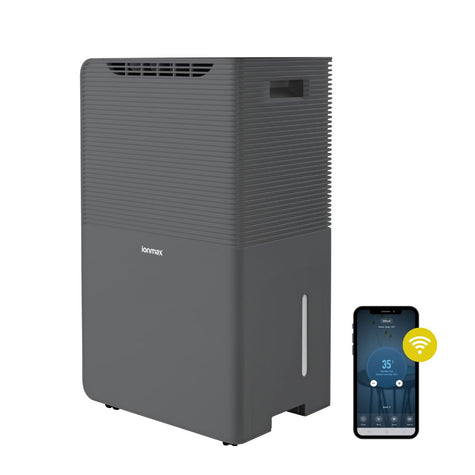
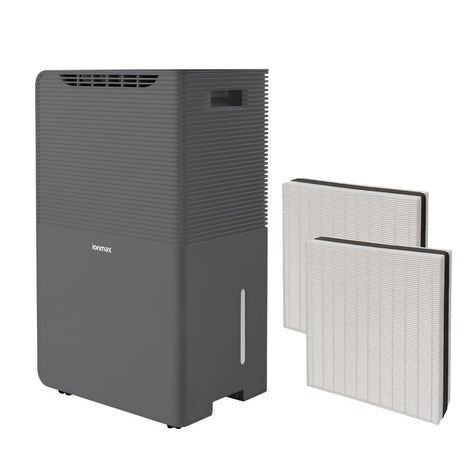
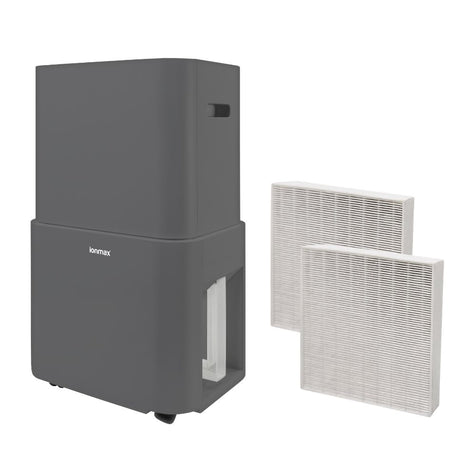
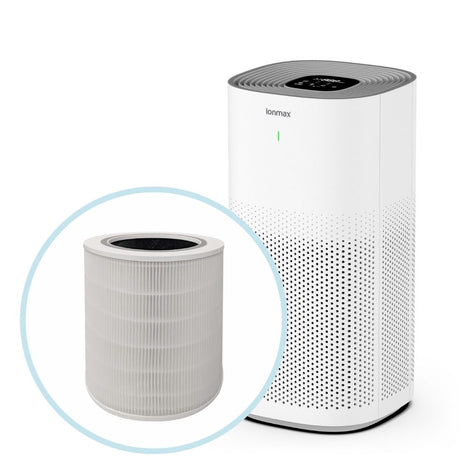
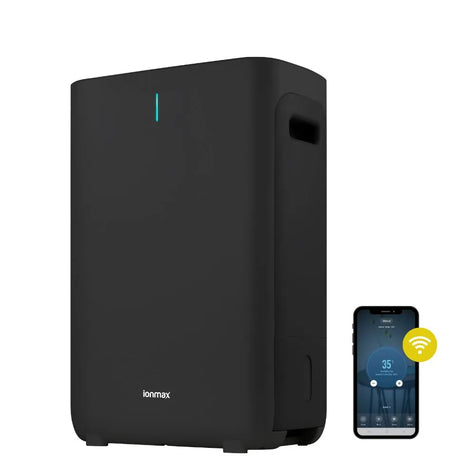
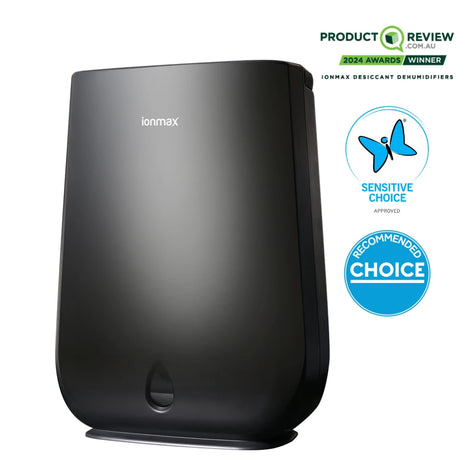
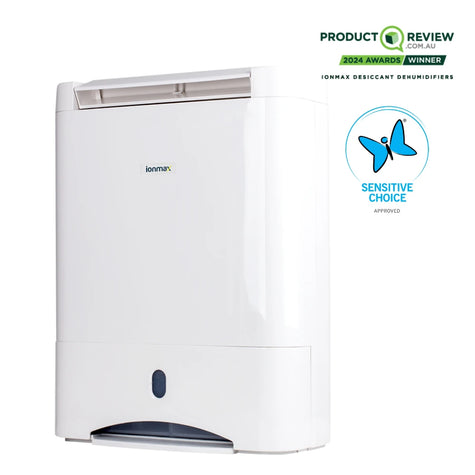
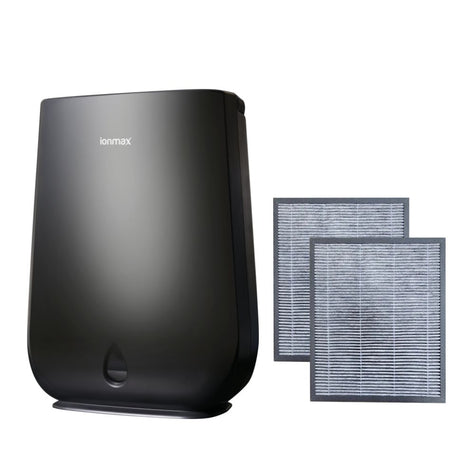
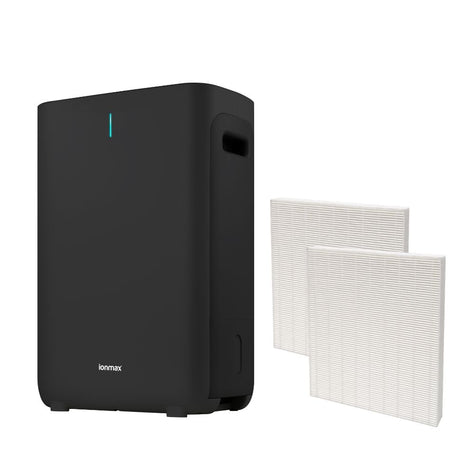
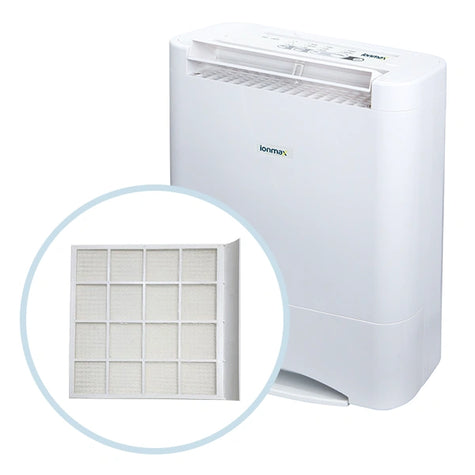
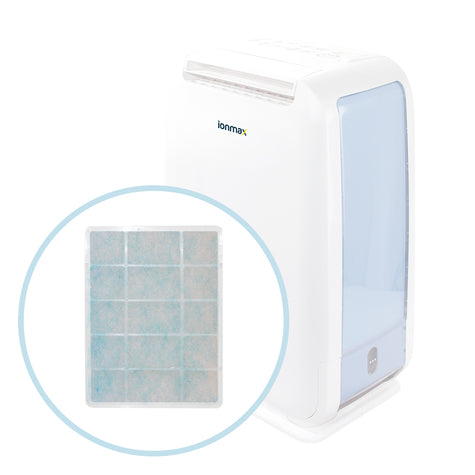
To combat Melbourne's harsh winter conditions, you need a high-performance system built specifically for cold-climate extraction. Enter the Ionmax Venta (ION615).
The Ionmax Venta is a powerful 2-in-1 Desiccant Dehumidifier and Air Purifier engineered to keep Melbourne homes warm, dry, and healthy all season long.
Key Benefits of the Ionmax Venta:
- High-Performance Cold Extraction: Pulls up to 8 litres of moisture per day from your indoor air, operating at maximum performance even when room temperatures drop toward freezing.
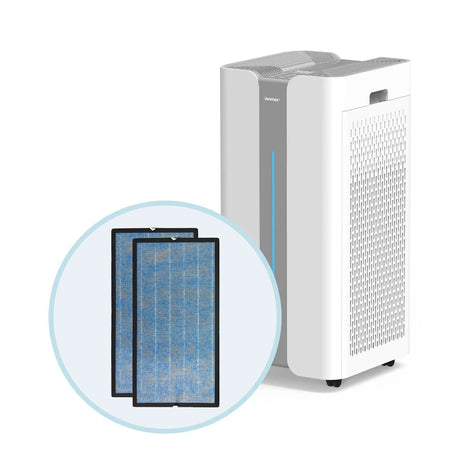
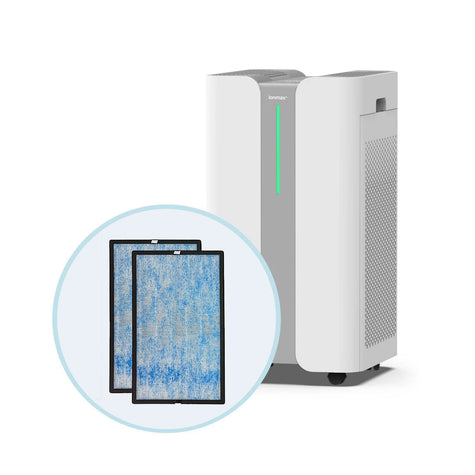
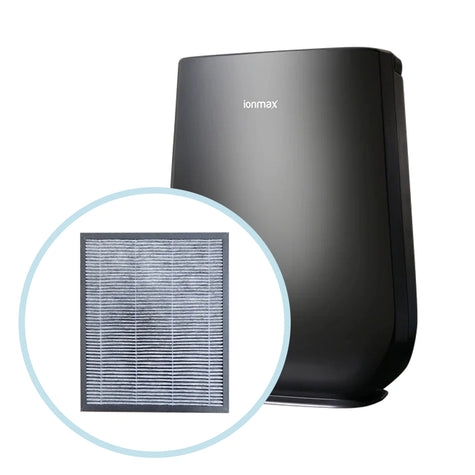
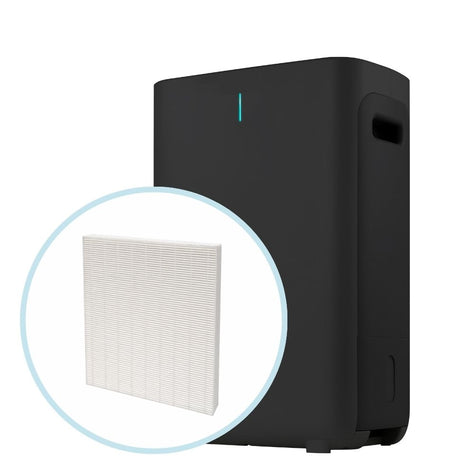
- Integrated H13 HEPA Air Purification: While removing structural dampness, its built-in H13 True HEPA filter traps 99.95% of airborne dust, allergens, and microscopic mould spores, ensuring clean air for allergy sufferers.
- Smart Wi-Fi App Control: Monitor and adjust your home’s relative humidity remotely via your smartphone so you always return to a fresh, dry environment.
- Indoor Laundry Mode: Safely dry your laundry indoors without creating foggy windows or musty clothes.
- Energy-Efficient Ambient Warming: The desiccant process gently warms the surrounding air, helping reduce your reliance on expensive space heaters.
Summary: Melbourne Winter Indoor Climate Profile
| Environmental Factor | Average Melbourne Winter Metric | Healthy Indoor Baseline | Impact Without a Dehumidifier |
| Outdoor Relative Humidity | 75% – 85% (June–Aug) | 40% – 60% | Massive moisture intake into home |
| Indoor Mould Threshold | > 60% RH | < 50% RH | Mould germination within 24–48 hours |
| Average Overnight Temp | 6°C – 7°C | 18°C – 20°C | Heavy condensation on single-glazed glass |
| Compressor Unit Efficiency | Drops dramatically below 15°C | Optimal at 20°C+ | Ineffective winter moisture extraction |

Protect Your Home and Health This Winter
Don't let Melbourne’s winter weather turn your home into a damp, mouldy environment. Take control of your indoor microclimate with clinical-grade desiccant technology.
Sourced & Authoritative References
- Bureau of Meteorology (BOM), Australian Government. Climate Data Online: Melbourne Regional Office & Olympic Park Monthly Climate Statistics. Link — Confirms average winter relative humidity levels (75%–85% at 9 AM) and overnight minimum temperature baselines for Greater Melbourne [1].
- Better Health Channel, Victorian Department of Health. Mould and Your Health. Link — Outlines health risks associated with damp housing, asthma exacerbation, and the rapid 24–48 hour growth cycle of indoor mould [2].
- World Health Organization (WHO). WHO Guidelines for Indoor Air Quality: Dampness and Mould. Link — Establishes international health benchmarks linking high indoor relative humidity (>60%) with respiratory infections, allergic rhinitis, and immune system strain [3].
Speak to our sales team today!