
Sneezing, scratchy eyes, morning congestion, or unexplained fatigue indoors are frequent signs of environmental allergies. While seasonal pollen receives significant attention, indoor air often contains high concentrations of common environmental triggers, including dust mite waste, mould spores, pet dander, and microscopic particulate matter.
According to the National Asthma Council Australia’s Sensitive Choice program, over 80% of people with asthma and allergies in Australia are sensitised to house dust mites. Because Australians spend up to 90% of their time indoors, addressing domestic air and surface quality provides direct relief.
Here are five evidence-based, practical strategies to reduce airborne triggers at home, along with targeted environmental controls.
1. Regulate Indoor Relative Humidity Below 50%
House dust mites do not drink liquid water; they absorb ambient moisture directly from the air to survive. When relative humidity levels rise above 60%, dust mites breed rapidly, and mould spores germinate on walls, subfloors, and soft furnishings.
The Australasian Society of Clinical Immunology and Allergy (ASCIA) notes that keeping relative indoor humidity between 30% and 50% deprives dust mites of critical moisture, significantly reducing their populations and halting active mould blooms.
- Ventilate high-moisture zones: Run ducted exhaust fans during showers and cooking, leaving them on for 15 minutes afterward.
- Inspect hidden damp spots: Regularly check behind wardrobes, beneath sinks, and around window sills for condensation.
- Control baseline moisture: In coastal and humid climates, passive airflow often introduces excess moisture indoors.
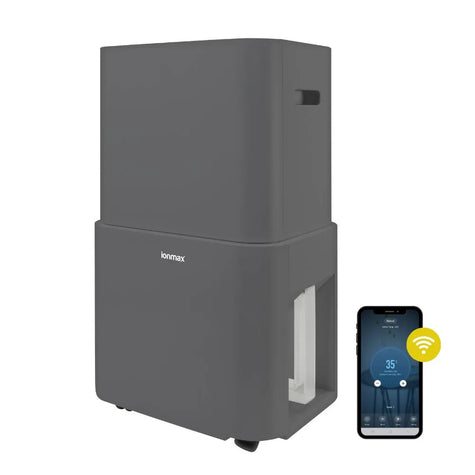
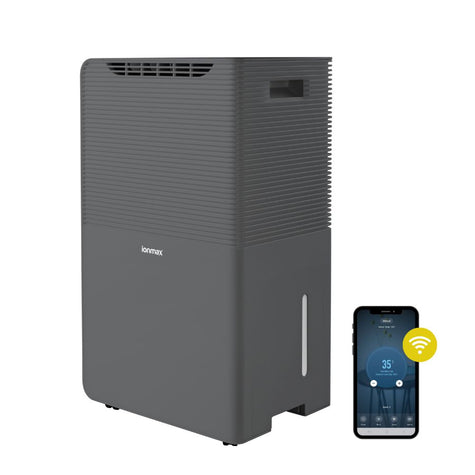
Ionmax Recommendation:
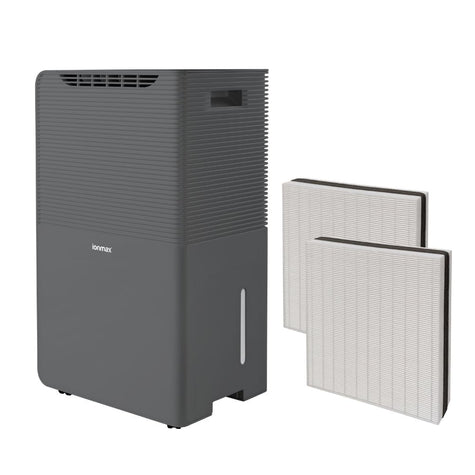
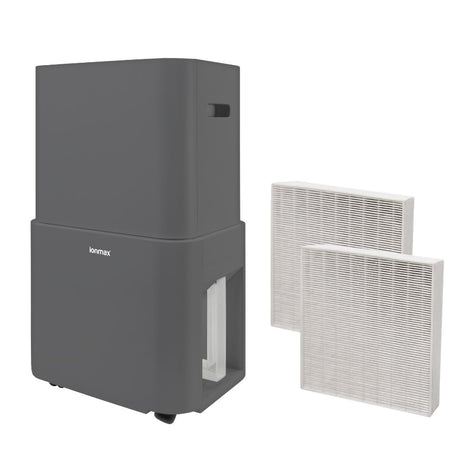
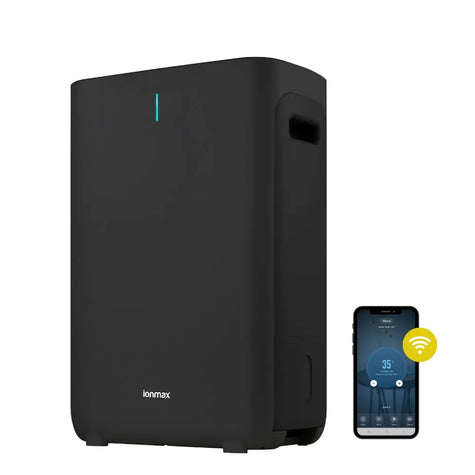
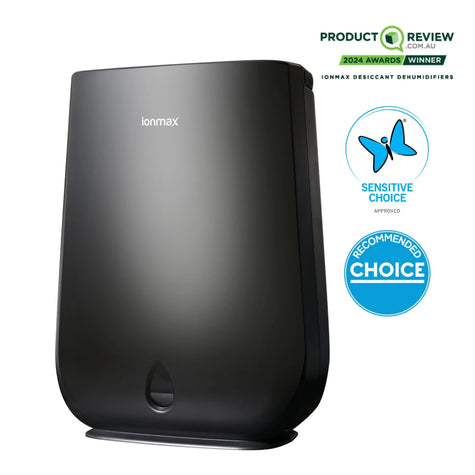
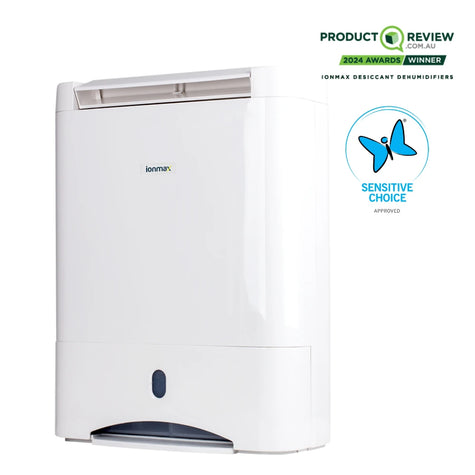
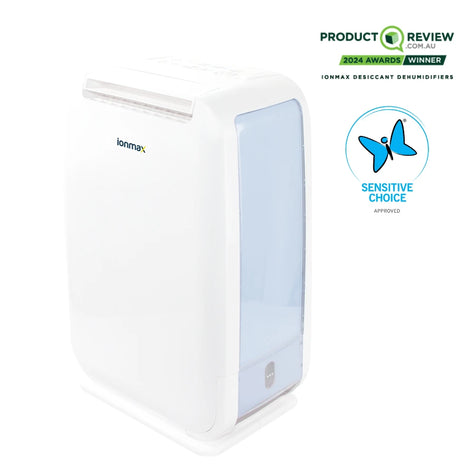
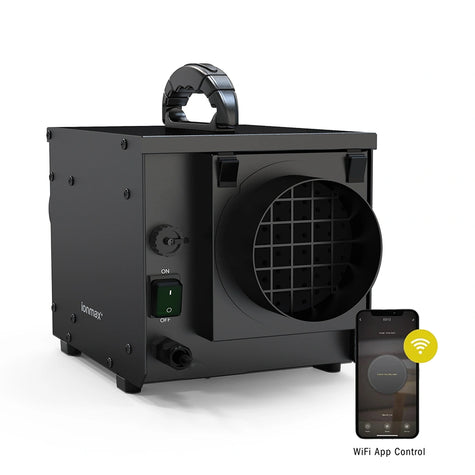
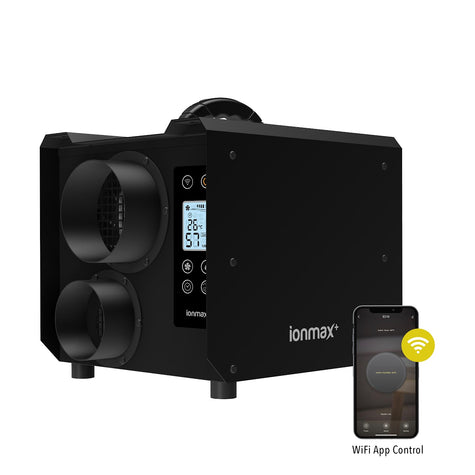
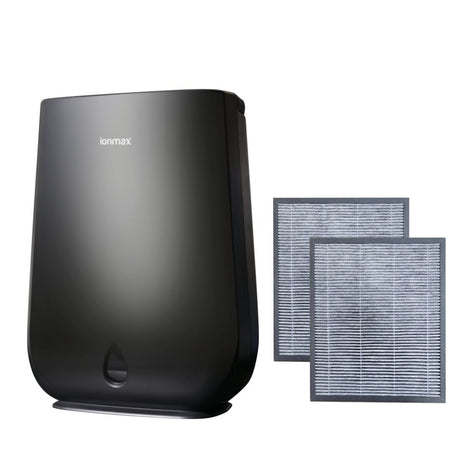
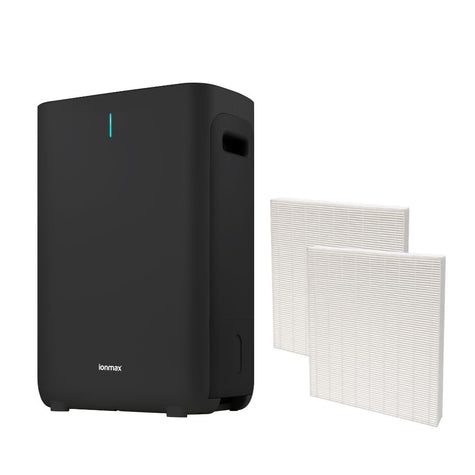
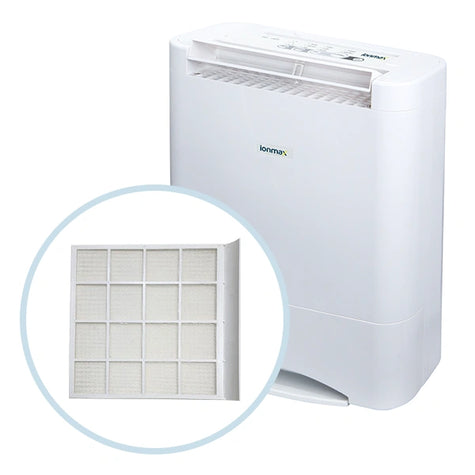
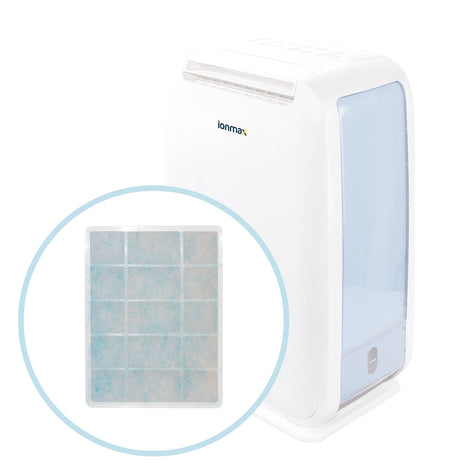
To actively maintain target humidity levels year-round, deploy a high-capacity desiccant or compressor dehumidifier like the Ionmax Leone or Ionmax Rhine. Featuring built-in digital humidistats, they automatically extract excess moisture to keep indoor relative humidity consistently below the critical 50% threshold.
2. Capture Microscopic Triggers with True HEPA Filtration
Ventilation alone is rarely sufficient, opening windows during high-pollen seasons or windy days often floods indoor rooms with outdoor allergens and traffic pollution. Once indoors, microscopic pet dander and light mould spores remain suspended in ambient air currents for hours.
Medical bodies worldwide recommend continuous mechanical air filtration. A certified True HEPA (H13) filter traps at least 99.97% of airborne particles down to 0.3 microns, including pollen grains, fungal fragments, animal dander, and fine smoke particulate (PM2.5).
- Place purifiers in primary living spaces and bedrooms where you spend extended blocks of time.
- Ensure units are rated for your specific room volume (checking Clean Air Delivery Rates, or CADR).
- Keep doors and windows closed in treated rooms to maximise air-exchange efficiency.
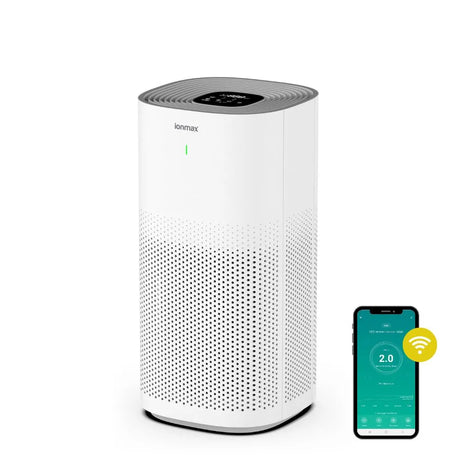
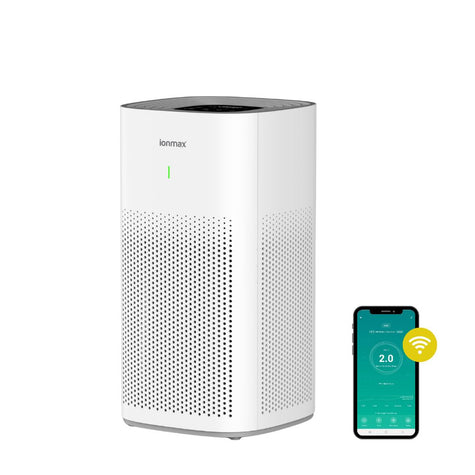
Ionmax Recommendation:
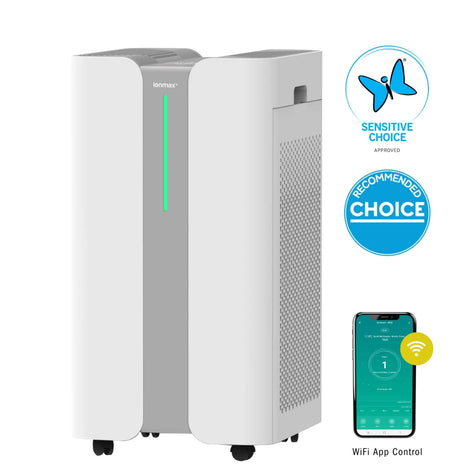
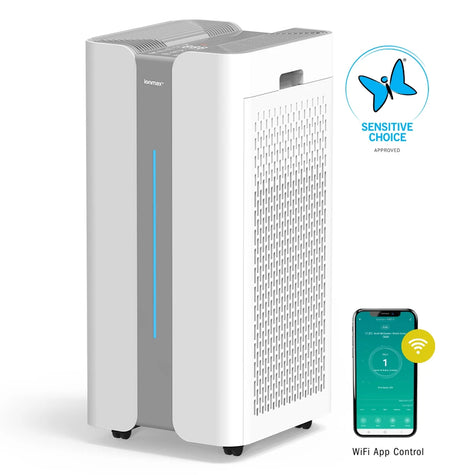
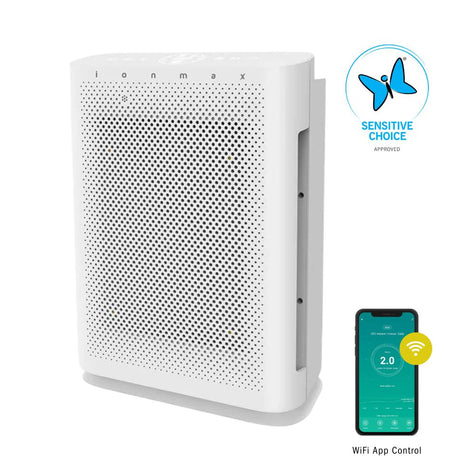
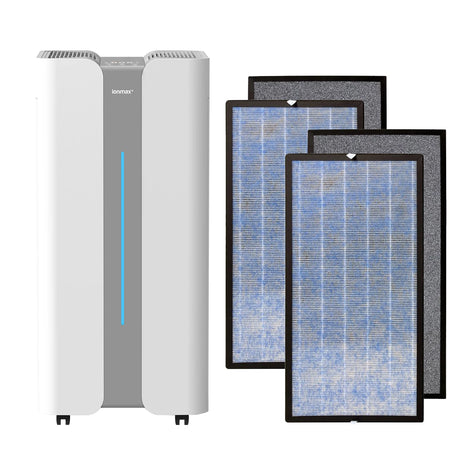
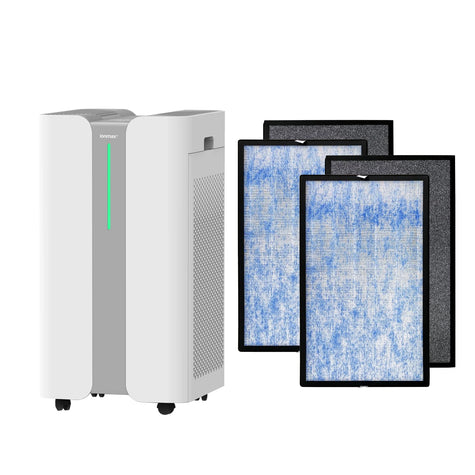
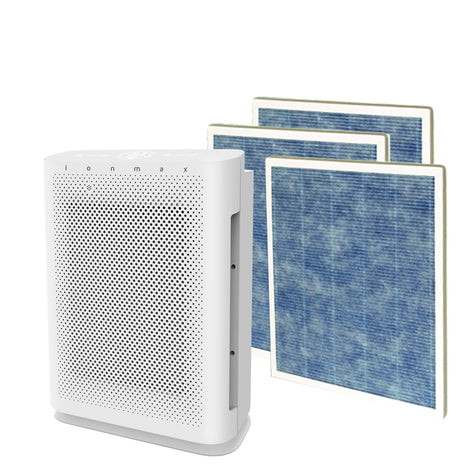
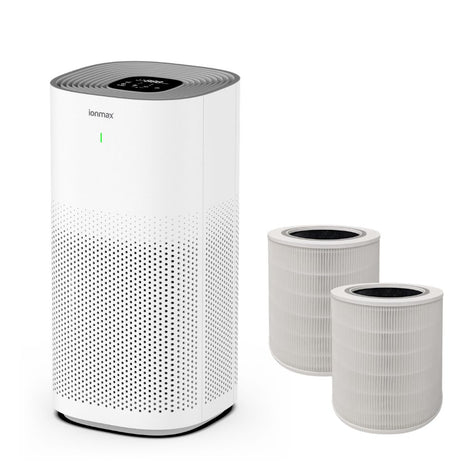
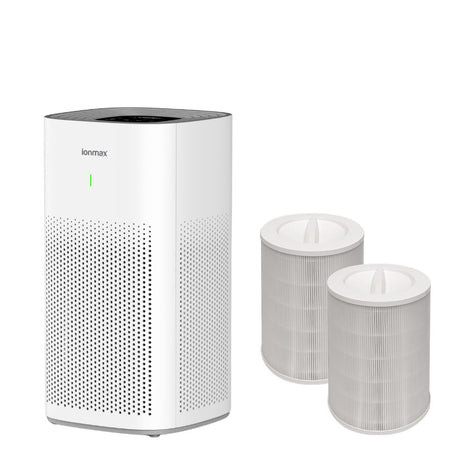
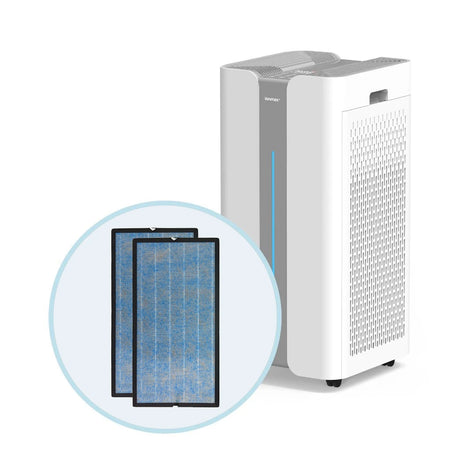
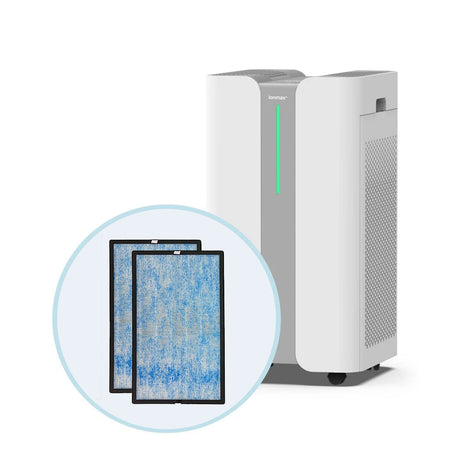
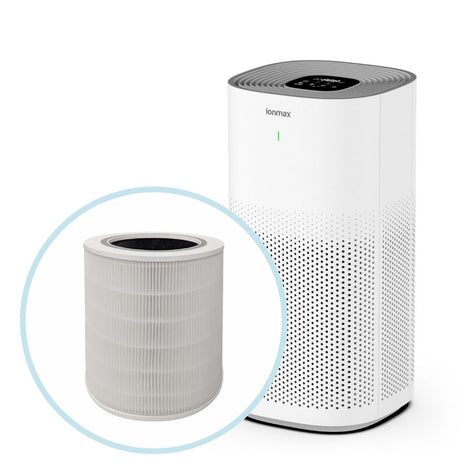
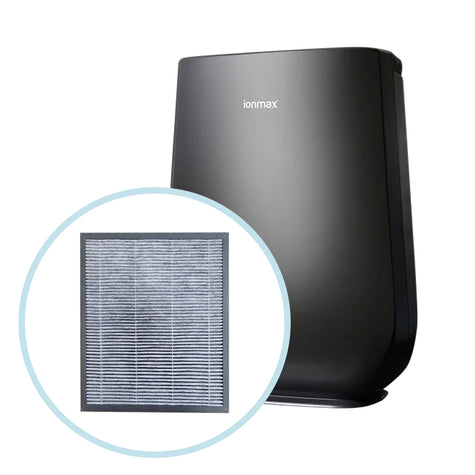
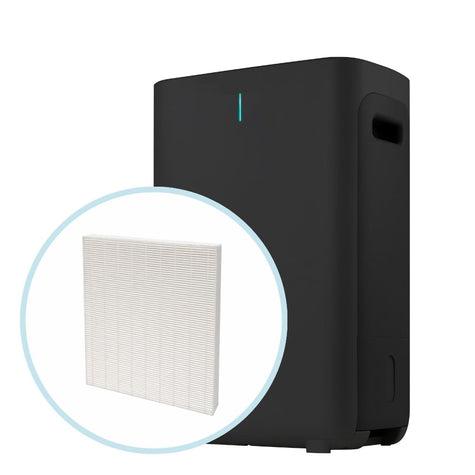
The Ionmax Breeze Plus and Ionmax Vienne provide medical-grade True HEPA filtration paired with activated carbon stages to neutralise volatile organic compounds (VOCs) and odours. Certified by Sensitive Choice, they provide continuous, low-noise air purification engineered for allergy management.
3. Encase and Wash Bedding in High Temperatures
Your bed is the primary reservoir for house dust mites due to shed skin cells and the warm microclimate created during sleep. Standard cotton sheets allow microscopic mites and their allergenic droppings to migrate freely in and out of pillows and mattresses.
- Use allergen-impermeable barriers: Fit mattresses, pillows, and doonas with tightly woven zippered dust-mite covers.
- Wash at 60°C or higher: ASCIA clinical guidelines recommend washing sheets, pillowcases, and blankets weekly in water heated to at least 60°C (140°F). Cold or warm water alone does not kill dust mites, although a high-heat tumble dryer cycle (20+ minutes) achieves a similar eradication rate.
- Avoid heavy, non-washable bedspreads: Choose breathable, washable layers that can handle regular hot wash cycles.
4. Damp-Dust and Vacuum Using a Sealed HEPA System
Standard feather dusters, dry rags, and non-HEPA bagless vacuums often exacerbate respiratory symptoms by agitating settled allergens and redistributing fine particulate directly into your breathing zone.
- Clean top to bottom with damp microfiber: Damp cloths trap and hold dust electrostatically, preventing particles from becoming airborne.
- Use sealed-system vacuuming: Vacuum carpets, rugs, and fabric upholstery at least once a week using a vacuum cleaner fitted with a sealed HEPA exhaust filter.
- Wear protective barrier masks: If you are actively allergic, wear an N95/P2 particulate mask while cleaning, or have someone else vacuum and allow the room to settle for 20 minutes before re-entering.
5. Build an Allergen-Free Bedroom Sanctuary
Because you spend roughly one-third of your life in the bedroom, eliminating environmental triggers here allows your respiratory system to recover overnight. Minimising porous surfaces where dust and dander accumulate reduces cumulative allergen load.
- Establish pet-free boundaries: Animal dander is lightweight and sticky; keep pets completely out of bedrooms to prevent accumulation on carpets and mattresses.
- Replace heavy drapes: Swap thick, dust-catching fabric curtains for smooth, easily wipeable blinds or washable cotton options.
- Minimise soft clutter: Store extra cushions, stuffed toys, and clothes inside wardrobes rather than out on display.
Sources & Reference Standards
- Australasian Society of Clinical Immunology and Allergy (ASCIA): Allergen Minimisation Guide – House Dust Mites & Mould Prevention (ascia.org.au)
- National Asthma Council Australia: Sensitive Choice Product Standards & Indoor Humidity Guidelines (sensitivechoice.com)
- World Health Organization (WHO): Guidelines for Indoor Air Quality: Dampness and Mould (who.int)
- Australian Standards (AS/NZS): Indoor air quality guidelines and mechanical ventilation benchmarks.
For more information and allergy prevention tips, speak to our team today!