Many people assume allergens belong strictly outdoors, blown in on spring winds or scattered across grassy parks. Yet, according to public health and respiratory research, indoor air can carry significantly higher concentrations of pollutants, microscopic irritants, and biological triggers than the air outside.
Because Australians spend up to 90% of their daily lives indoors, an unmanaged home environment can quickly become a continuous source of immune irritation.
If your sneezing, dry cough, or sinus pressure flares up within your own four walls, your home may be an allergy hotspot. Recognizing these five early indicators allows you to target the root causes before indoor allergens compromise your household’s respiratory health.
1. The "Morning Congestion" Pattern
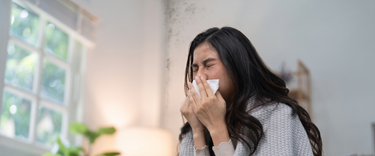
Do you routinely wake up with a congested nose, scratchy throat, or itchy eyes, only to find those symptoms improve within an hour of leaving the bedroom?
This morning symptom cycle is one of the most reliable signs of heavy indoor allergen exposure.
- The Dust Mite Epicentre: Bedrooms provide an ideal habitat for microscopic house dust mites (Dermatophagoides pteronyssinus). Dust mites feed on shed human skin flakes, accumulating in high numbers inside mattresses, pillows, duvet inners, and upholstered headboards.
- Sustained Nighttime Inhalation: Because you spend 7 to 9 hours breathing closely against these fabrics, your respiratory system is exposed to dust mite fecal proteins for hours at a time, triggering localized histamine release.
2. Persistent Window Condensation and Damp Sills
Condensation along the lower edge of window glass or pooling water on aluminum joinery is not merely a seasonal nuisance, it is an early warning indicator that your home’s indoor relative humidity exceeds healthy thresholds.

The National Asthma Council Australia (Sensitive Choice®) recommends keeping indoor relative humidity between 30% and 50%. When humidity consistently stays above 60%:
- Dust mite populations multiply, as they absorb moisture directly from ambient air rather than drinking liquid water.
- Microscopic fungal spores germinate on organic building materials, such as wooden window frames, plasterboard reveals, and carpet underlay.
3. A Faint, Musty Odour in Enclosed Rooms
A stale, earthy, or musty smell upon entering a built-in wardrobe, spare bedroom, or laundry room indicates active microbial growth even when surfaces look clean.
- Microbial Volatile Organic Compounds (mVOCs): As mould colonies feed on damp cellulose fibers (in gyprock, wall frames, cardboard boxes, and natural fabrics), they release pungent organic gases.
- Hidden Colonization: These gases signal hidden colonization occurring behind furniture pushed against exterior walls, under floor coverings, or inside dark cupboards with limited air movement.
- Upper Airway Irritation: Inhaling mVOCs and microscopic fungal spores directly irritates nasal passages, frequently exacerbating allergic rhinitis and asthma symptoms.
4. "Dust Beams" and Rapid Re-Dusting Cycles
If sunlight reveals a thick haze of suspended particles, or if polished tables and entertainment units gather a visible layer of dust within 24 to 48 hours of cleaning, your living space is dealing with an elevated particulate load.

Standard sweeping and unsealed vacuuming frequently stir dormant particles back into circulation. Without active mechanical air filtration, respirable particles, such as microscopic pet dander, outdoor pollen tracked inside on footwear, and insect debris, remain suspended in your breathing zones.
5. Household-Wide "Colds" Without a Fever
When multiple family members experience recurring respiratory symptoms without developing an actual viral infection, the underlying cause is typically environmental.
Look out for these non-viral warning signs:
- No Accompanying Fever: Sneezing fits, constant throat clearing, and red, watery eyes that persist for weeks without a rise in body temperature.
- Environmental Triggers: Symptoms that worsen immediately after vacuuming, when opening drafty windows, or during abrupt temperature changes.
- Skin Reactions: Flare-ups of atopic dermatitis (eczema), contact hives, or unexplainable skin irritation triggered by contact with soft furnishings.
Targeting the Source: How to Clear Indoor Allergens
Eliminating indoor allergy triggers requires a two-step approach: removing ambient moisture to suppress biological growth, and filtering airborne particulates from your breathing spaces.

- Wash Bedding at 60°C Weekly: Washing sheets and pillowcases in water at 60°C or higher eliminates dust mites and washes out accumulated allergen proteins.
- Control Moisture at the Source: Use extraction fans during showers and cooking, and avoid drying wet clothes indoors without dedicated moisture extraction.
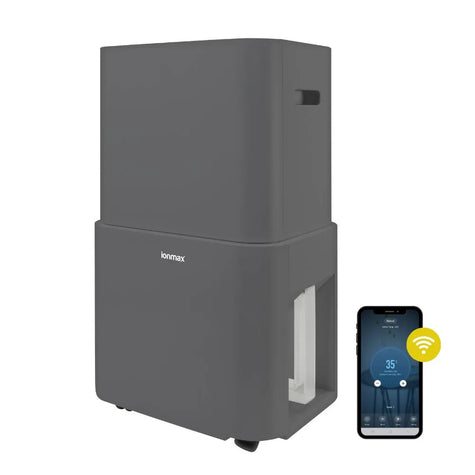
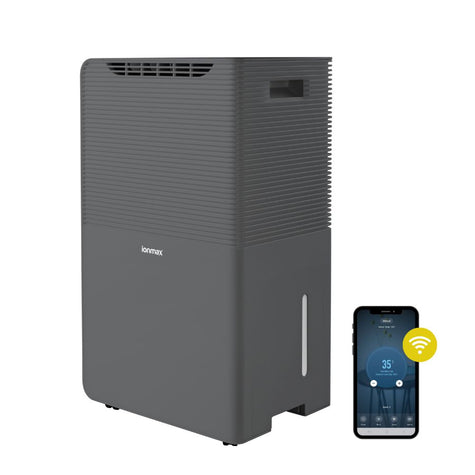
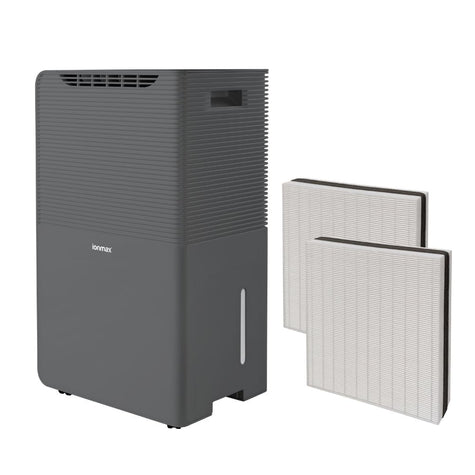
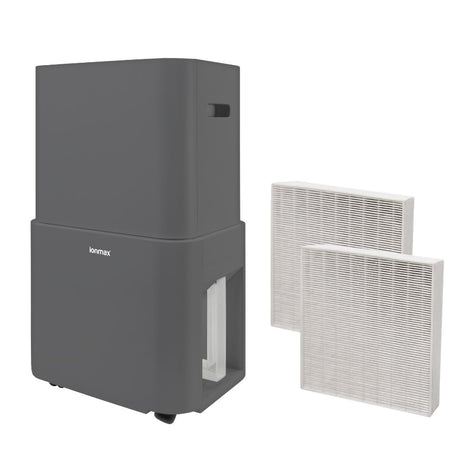
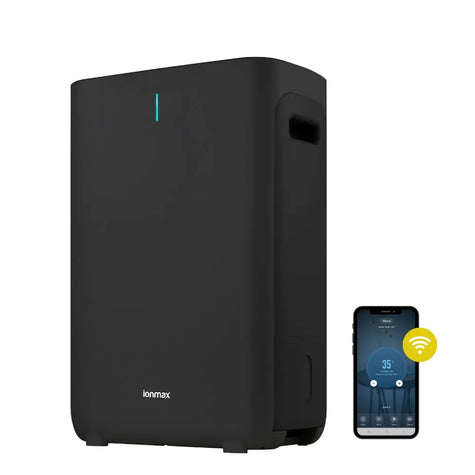
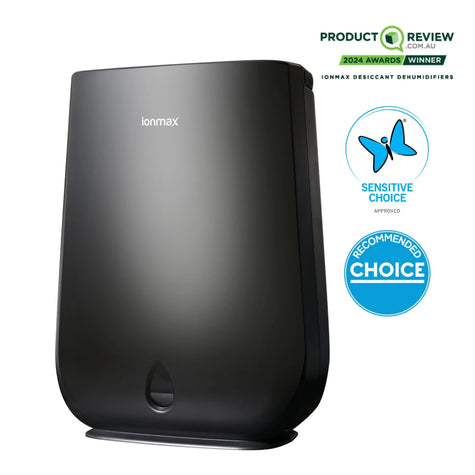
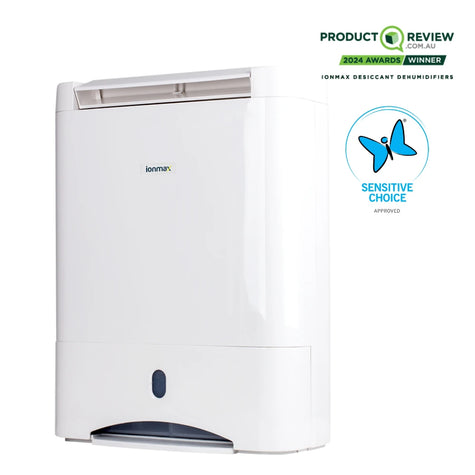
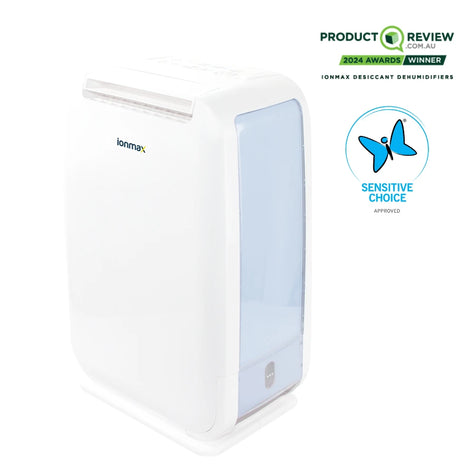
- Regulate Indoor Humidity: In variable or cooler Australian climates, running a desiccant dehumidifier extracts excess moisture from carpets and walls, maintaining relative humidity at a healthy 40% to 50% to halt mould growth.
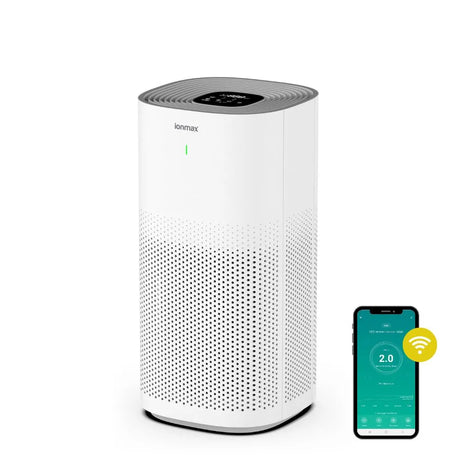
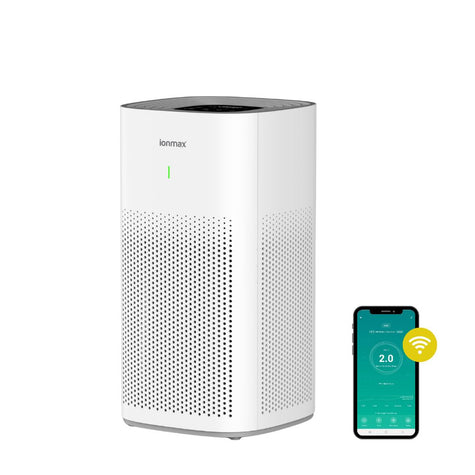
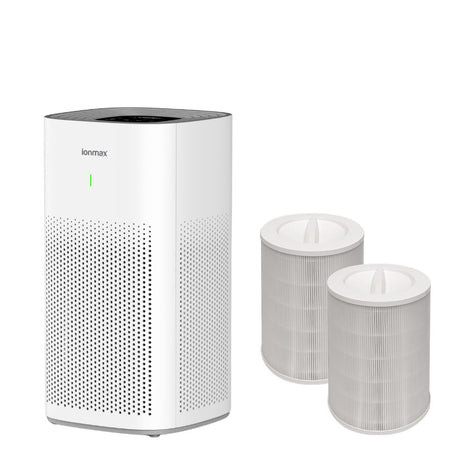
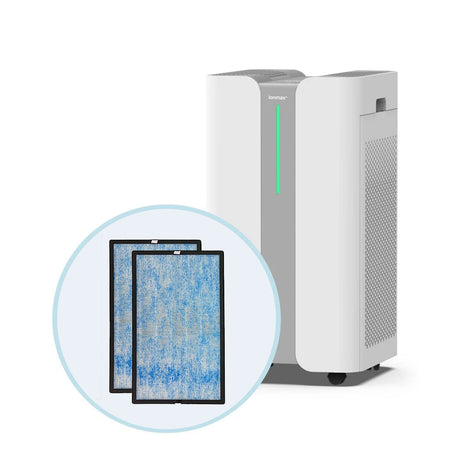
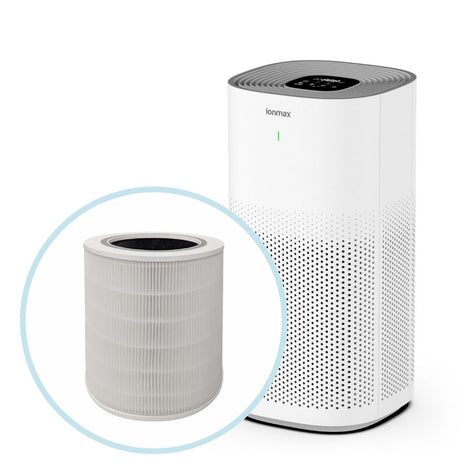
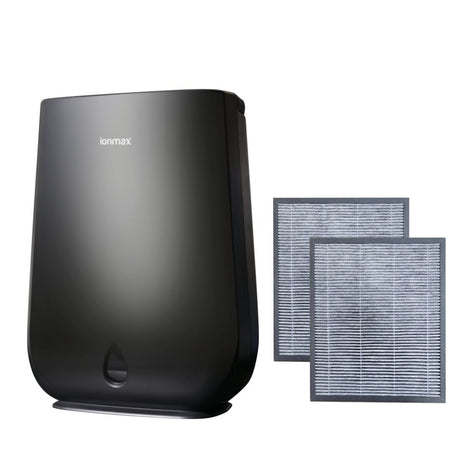
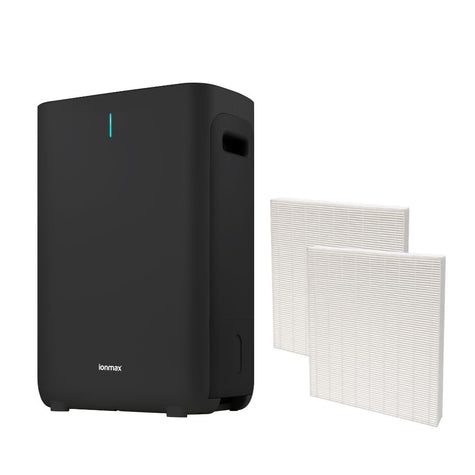
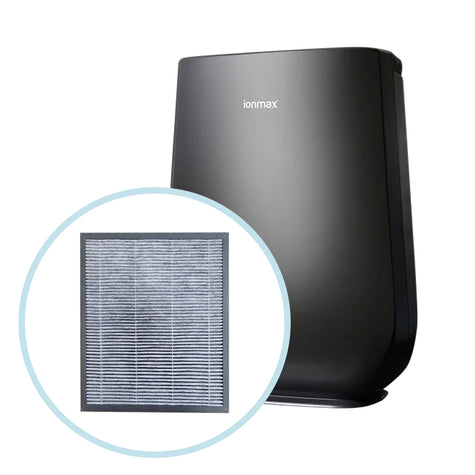
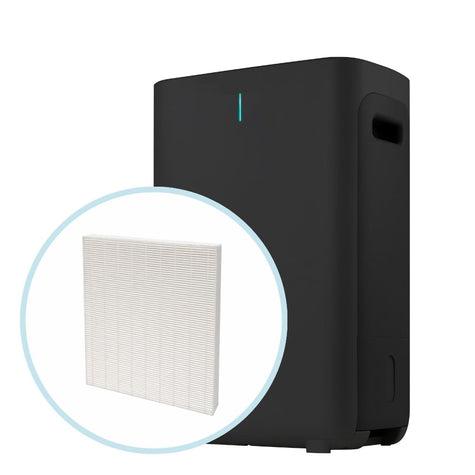
- Scrub the Air with Medical-Grade HEPA: Operating an air purifier equipped with a certified H13 True HEPA filter continuously draws in indoor air, capturing 99.97% of airborne pollen, pet dander, dust mite fragments, and mould spores down to 0.3 microns.
Breathe Cleaner, Healthier Air with Ionmax
Transforming your home from an allergy hotspot into a clean-air sanctuary requires proven, health-focused climate solutions.
Ionmax designs indoor air quality appliances specifically engineered for Australian conditions:
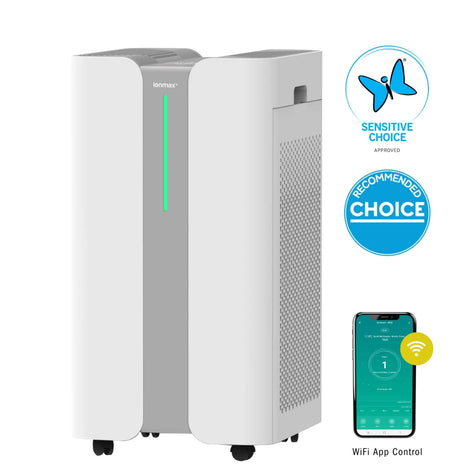
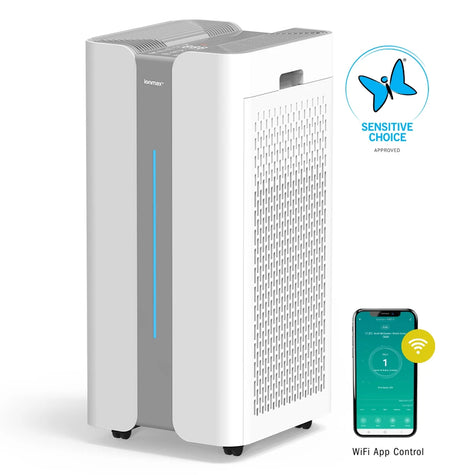
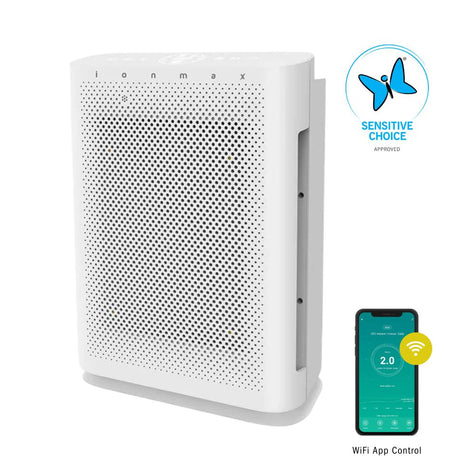
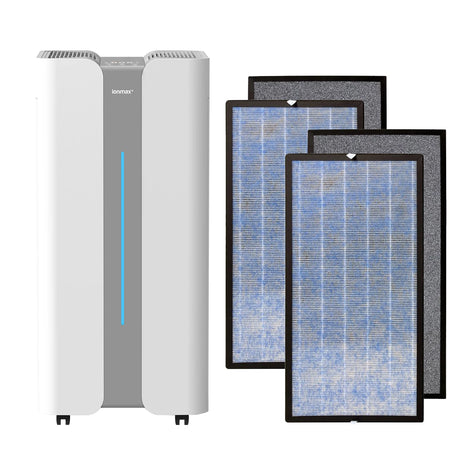
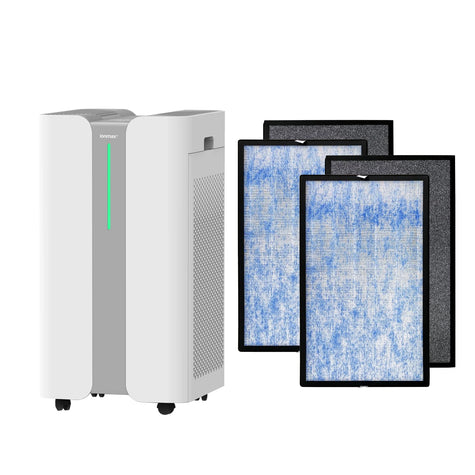
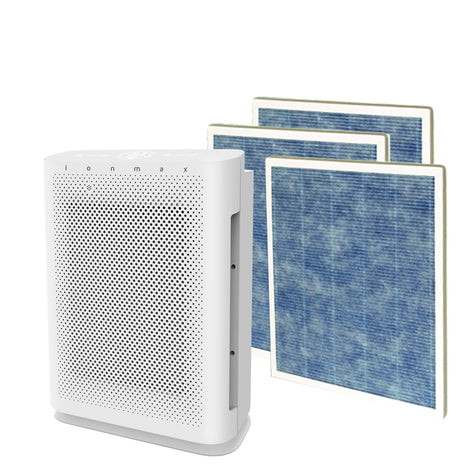
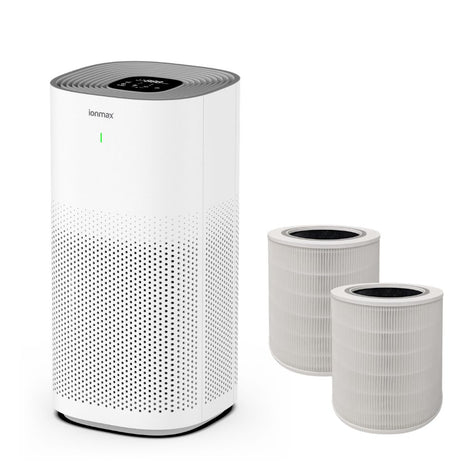
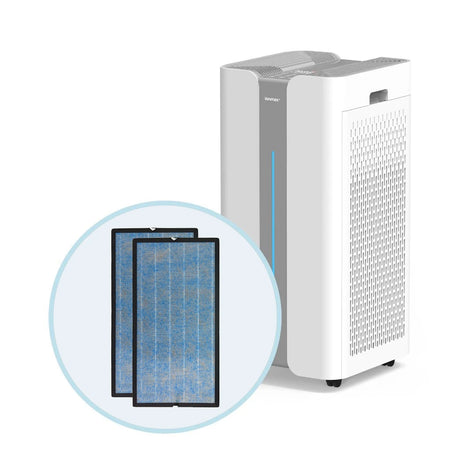
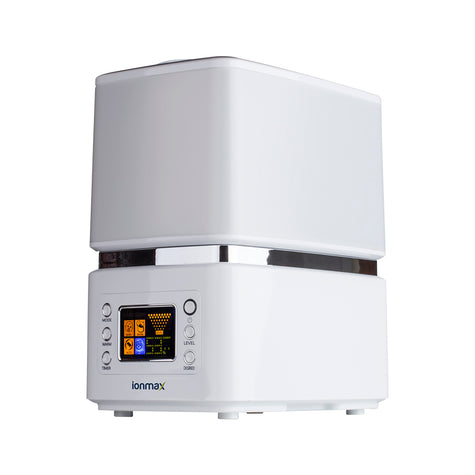
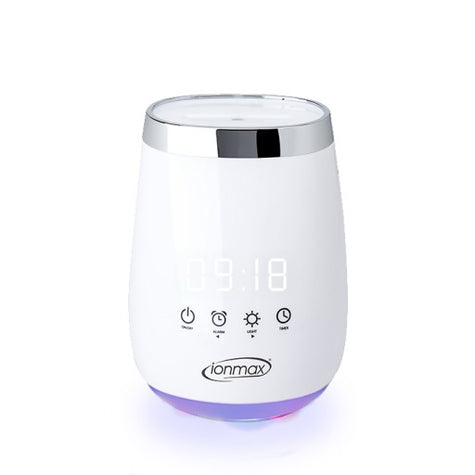
- Sensitive Choice® Approved Air Purifiers: Featuring multi-stage filtration, including pre-filters, H13 True HEPA filters, activated carbon, and antimicrobial technologies, Ionmax air purifiers trap microscopic allergens and neutralise household odours.
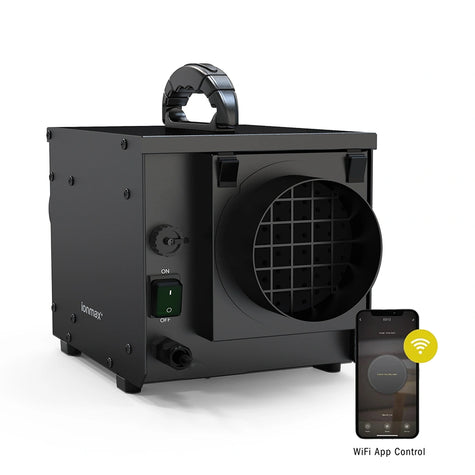
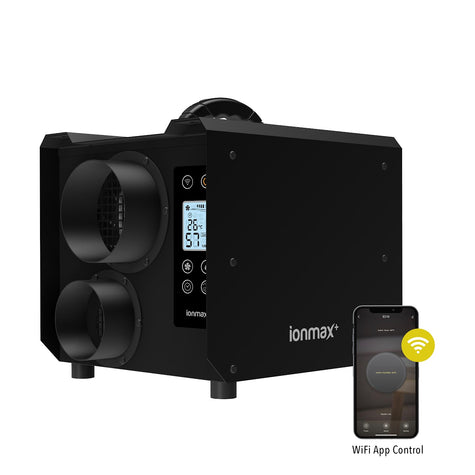
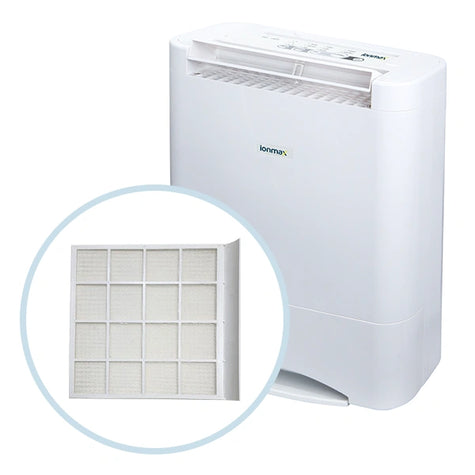
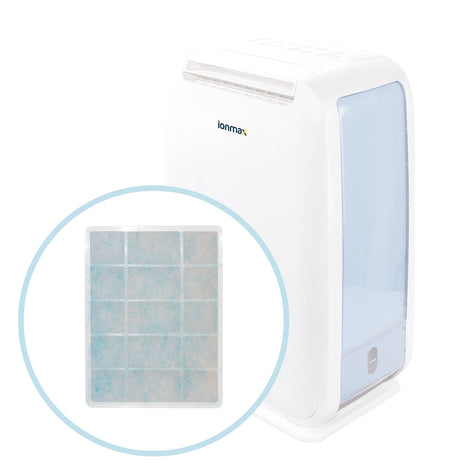
- High-Efficiency Desiccant Dehumidifiers: Models like the Ionmax ION610 and Venta remove litres of excess moisture every day across all seasons, protecting your home against dampness, window condensation, and mould.
👉 Reclaim your indoor comfort today. Explore the full range of Sensitive Choice® Approved Ionmax Air Purifiers and Dehumidifiers to give your family the fresh, clean air they deserve.
References & Sourcing
- National Asthma Council Australia (Sensitive Choice®): Indoor Air Quality and Allergens Factsheet. Clinical guidelines on dust mite eradication, indoor relative humidity management (maintaining 30%–50% RH), and respiratory health. sensitivechoice.com
- Australasian Society of Clinical Immunology and Allergy (ASCIA): Allergen Minimisation Guidelines. Medical protocols on managing house dust mite, mould spore, and pet dander sensitivities in Australian homes. allergy.org.au
- Victorian Department of Health (Better Health Channel): Mould and your health. Structural moisture risks, microbial volatile organic compounds (mVOCs), and preventative indoor ventilation measures. betterhealth.vic.gov.au
- Australian Government Department of Climate Change, Energy, the Environment and Water (DCCEEW): Indoor Air Quality. Research on indoor exposure times and concentration comparisons of domestic airborne pollutants.
Speak to our team to assist with allergy-proofing your home!