
Melbourne’s spring weather is famous for its whiplash transitions: a radiant 26°C sunny afternoon followed within 24 hours by a 14°C cold snap and relentless downpours.
While locals joke about experiencing "four seasons in one day," this rapid climatic pendulum causes a serious, often overlooked domestic problem: an invisible indoor moisture spike that paves the way for rapid mould colonization within days.
Understanding how Melbourne’s wild temperature swings trap humidity inside your home, and knowing how to break the dampness cycle, is essential to preventing seasonal mould blooms and safeguarding your family's respiratory health.
The Weather Trap: How Melbourne Spring Breeds Indoor Moisture
The progression from sunny skies to indoor mould follows a predictable, repeating cycle in Victorian households:
- The Warm Spell: During unseasonably warm spring days, residents open windows and exterior doors to let fresh air circulate throughout the house.
- The Sudden Cold Front: A low-pressure system sweeps across Port Phillip Bay, sending outdoor temperatures plunging and bringing sustained rainfall. Windows are quickly slammed shut to conserve warmth.
- Trapped Relative Humidity: High-volume moisture from the warm, saturated outdoor air remains locked inside the home. Combined with everyday indoor activities, cooking, hot showers, and drying clothes on clothes horses, indoor relative humidity quickly exceeds 65% to 70%.
- Thermal Bridging & Condensation: As the temperature drops sharply overnight, warm, moisture-laden indoor air hits cold window panes, aluminum frames, and uninsulated exterior walls, condensing into liquid water droplets.
The 48-Hour Mould Germination Window
Many homeowners assume that mould requires weeks of neglect or visible roof leaks to take root. In reality, microscopic mould spores can germinate within 24 to 48 hours once relative humidity consistently exceeds 60% in an enclosed space.

Mould requires only three components to flourish: moisture, mild temperatures, and a carbon food source (such as timber framing, gyprock plasterboard, wallpaper, carpets, and natural clothing fibers).
Once spores settle on damp surfaces, they extend vegetative hyphae that digest building materials and begin releasing volatile organic compounds (the classic "musty" smell) alongside millions of airborne secondary spores.
Hidden Spring Hotspots to Inspect
- External-Facing Wardrobes: Cold brick or weatherboard walls chilling the back of dark, poorly ventilated cupboards.
- Under-Bed Storage Boxes: Restricted floor-level airflow allowing moisture to settle into fabric storage containers.
- Window Sills & Architraves: Pooling condensation rotting wooden window joinery and plasterboard reveals.
- Behind Large Furniture: Couches and bookcases pushed flush against exterior-facing walls.
The Allergy Overlap: Is It Hay Fever or Mould?
Melbourne is recognized globally as a hotspot for seasonal allergic rhinitis due to vast rye grass pastures across Victoria's western plains. However, many residents who believe their sneezing, watery eyes, and nighttime wheezing are purely triggered by pollen are actually reacting to indoor fungal exposure.
- Near-Identical Symptoms: Mould allergies trigger the same histamine response as grass pollens, runny nose, nasal congestion, ocular irritation, and itchy throats.
- The "Morning-After" Flare-Up: If your symptoms spike during the night or immediately upon waking, your sleeping environment—particularly damp mattresses, pillows, or hidden wall mould, is often the primary irritant rather than outdoor air.
- Thunderstorm Asthma Risks: Spring storms don't just rupture pollen grains; rapid barometric and moisture shifts also shatter mould spores into microscopic fragments, allowing them to penetrate deep into the lower respiratory tract.
Breaking the Cycle: Why Melbourne Homes Need Desiccant Technology
Passive ventilation fails during a wet Melbourne spring. Cracking a window when the outdoor air is sitting at 85% humidity only drives more moisture into your living areas.
To prevent mould, you must actively extract moisture from the air and capture airborne spores.
The Compressor vs. Desiccant Dehumidifier Dilemma
Standard compressor dehumidifiers are designed to operate efficiently in warm, subtropical climates (above 22°C to 25°C). In typical Melbourne spring conditions, where indoor ambient temperatures frequently dip between 14°C and 19°C - compressor units struggle with coil icing, leading to sluggish water extraction rates and high energy consumption.
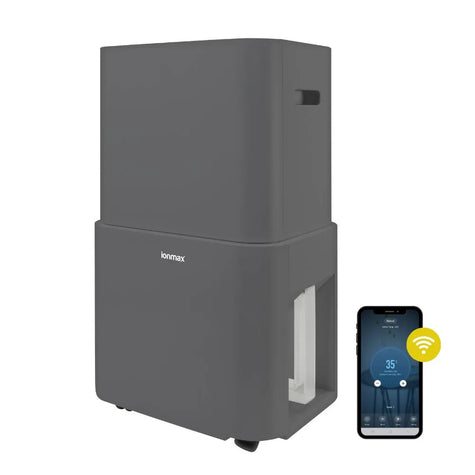
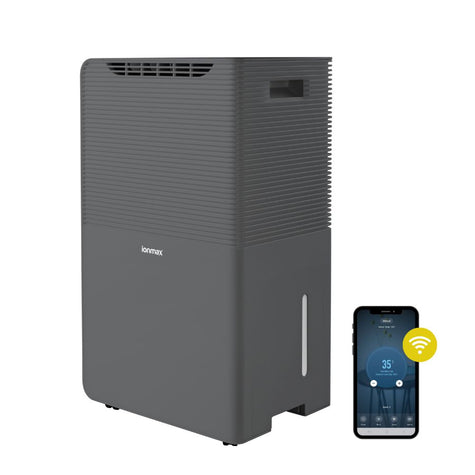
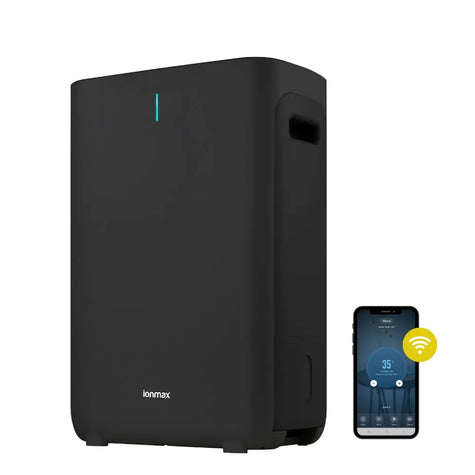
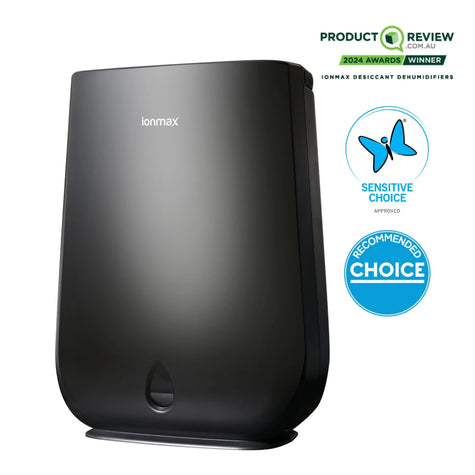
Desiccant dehumidifiers utilize a water-absorbing zeolite wheel rather than cooling coils. They extract high volumes of water consistently regardless of room temperature, functioning with equal power down to 1°C while gently warming the exhaust air by 1°C to 2°C to assist with passive room heating.

Practical Steps to Protect Your Home This Spring
- Stop Unassisted Indoor Clothes Drying: Drying a single load of laundry indoors on a drying rack releases up to 2.5 litres of water vapour directly into your home. If drying clothes indoors, place them in a closed room with a desiccant dehumidifier running in Laundry Mode.
- Wipe Down Window Frames Daily: Remove liquid condensation from glass and aluminum frames every morning using an absorbent microfibre cloth.
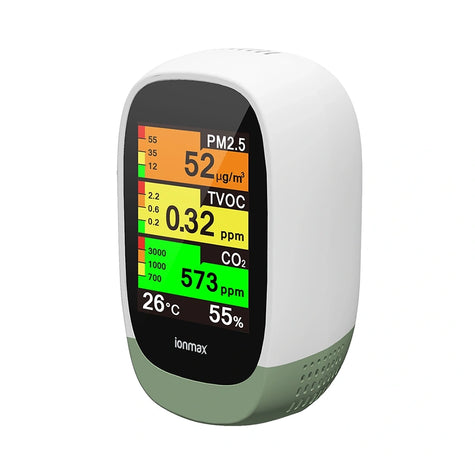
- Maintain Healthy Relative Humidity (40%–50%): Keep your home’s indoor relative humidity safely below the 60% threshold where fungal growth accelerates.
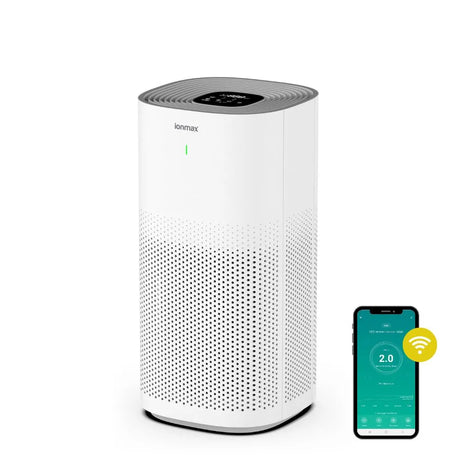
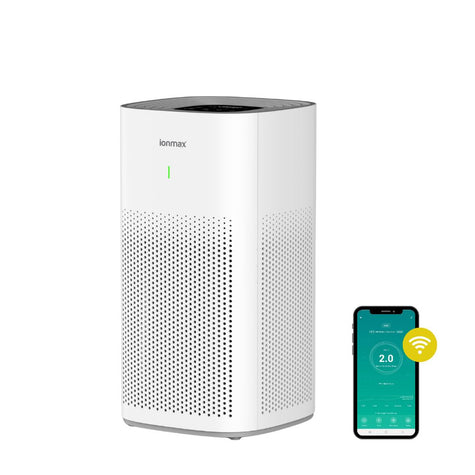
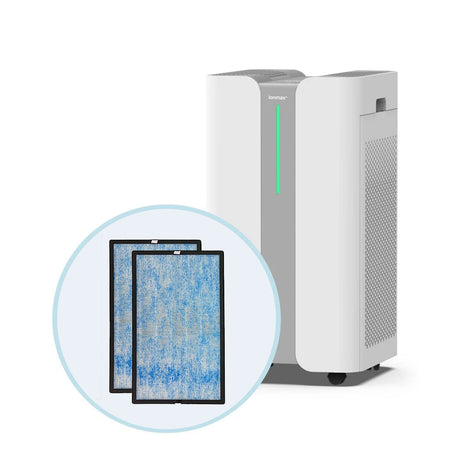
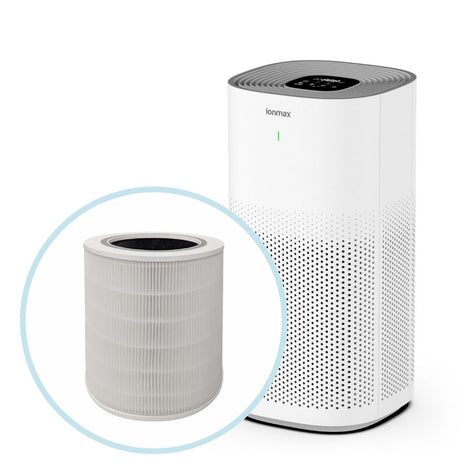
- Capture Airborne Fungal Spores: Deploy an air purifier equipped with a certified H13 True HEPA filter to scrub active mould spores and spring pollens out of your breathing zones before they can colonize surfaces.
Take Control of Your Indoor Air Quality with Ionmax
Preventing mould damage in your home requires proactive moisture management and medical-grade air filtration.
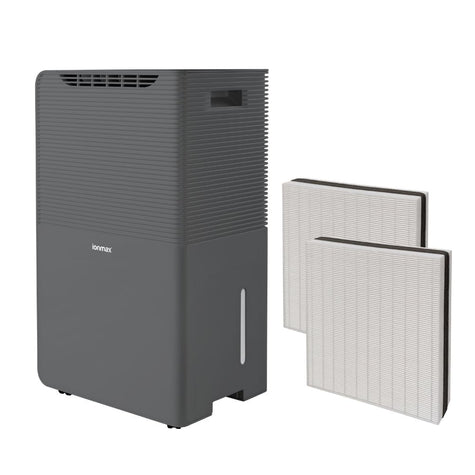
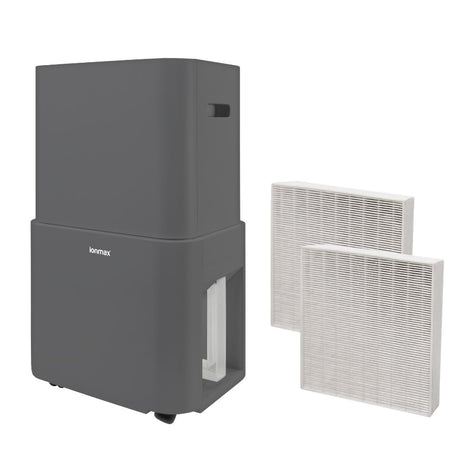
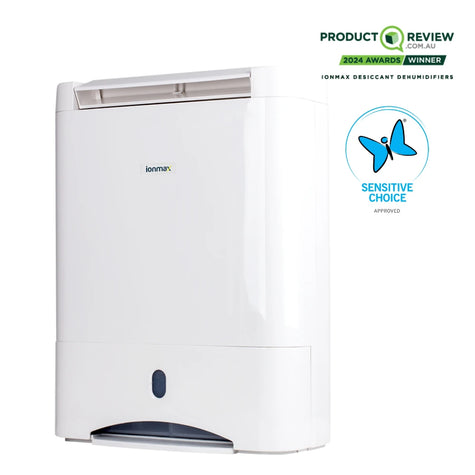
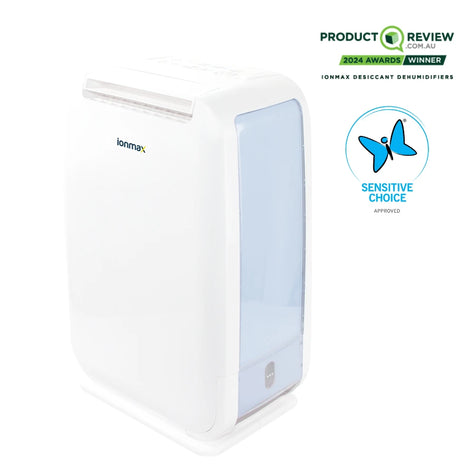
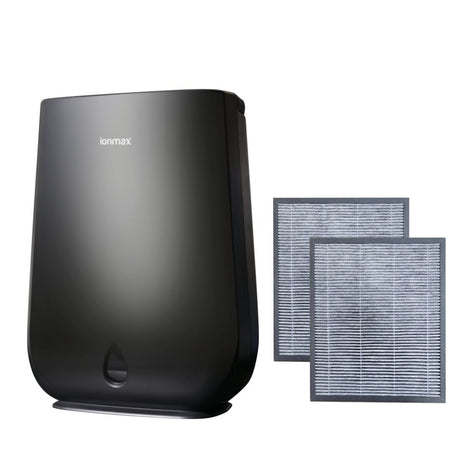
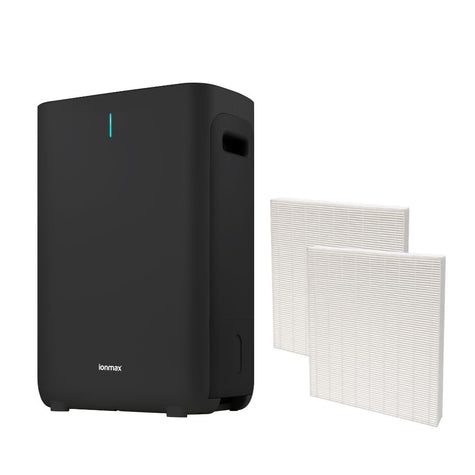
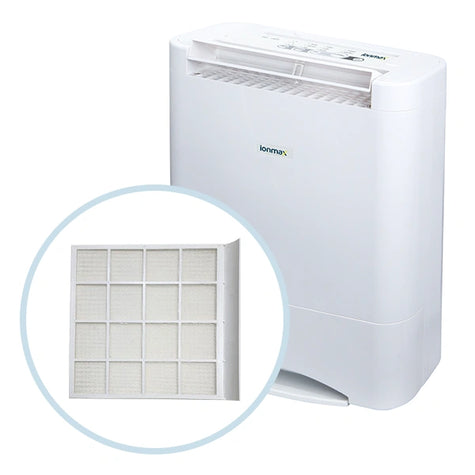
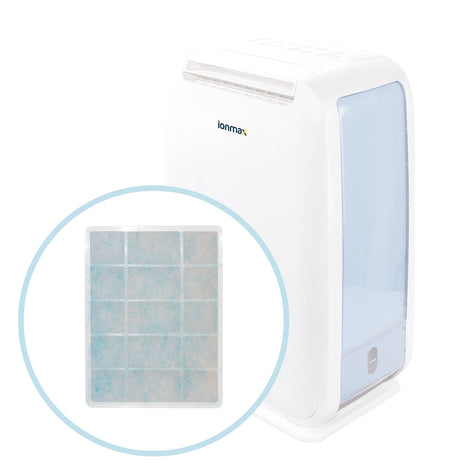
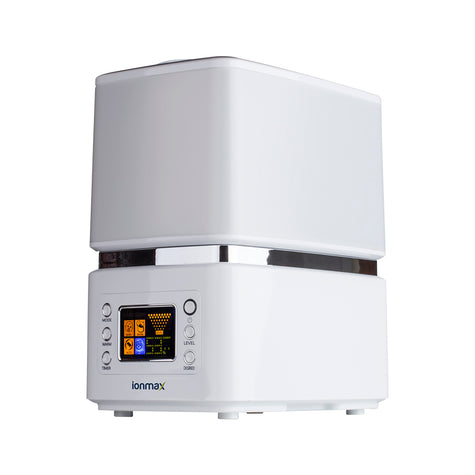
The Ionmax range of desiccant dehumidifiers, including the Sensitive Choice® approved Ionmax ION610 and ION615, is engineered to remove up to 10 litres of moisture per day even in chilly, variable Victorian conditions, keeping cupboards, bedrooms, and living spaces bone-dry.
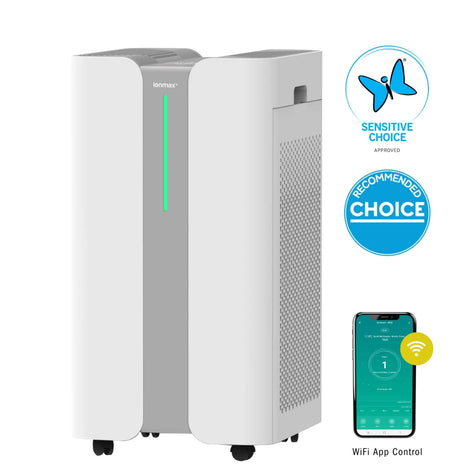
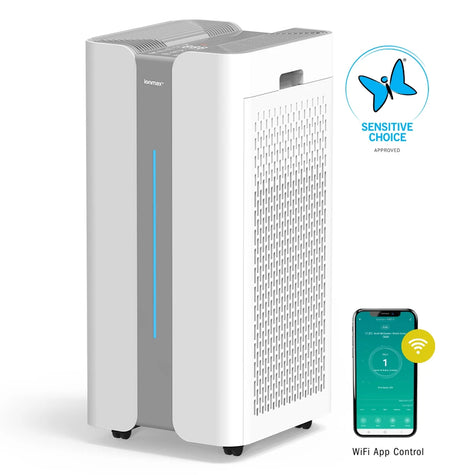
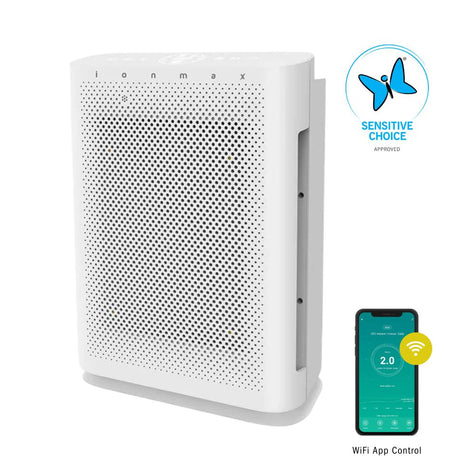
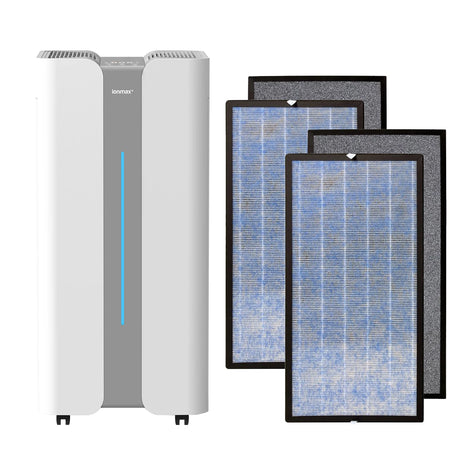
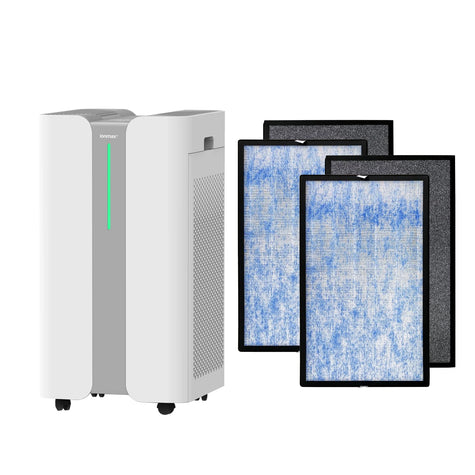
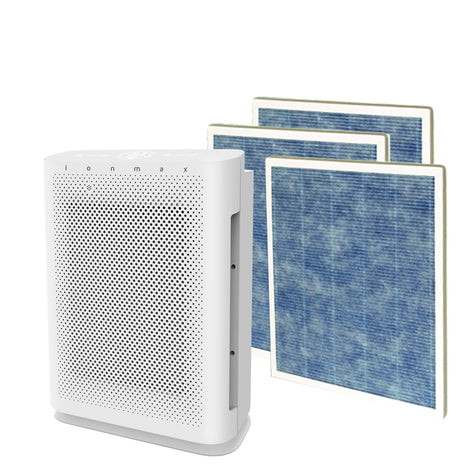
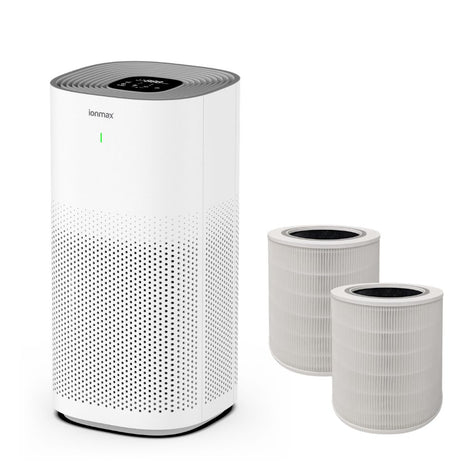
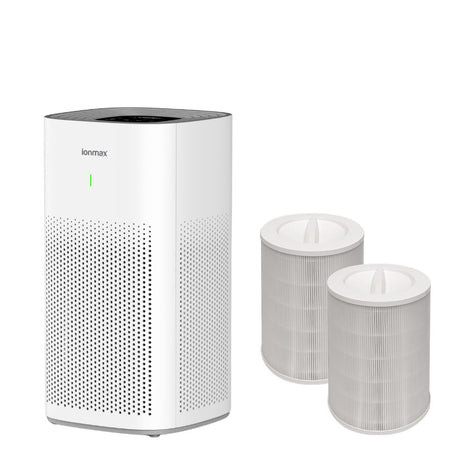
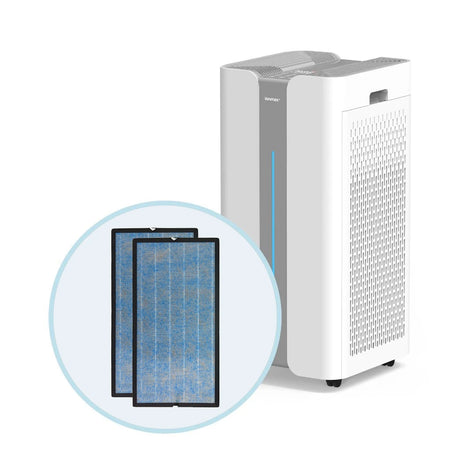
Pair your dehumidifier with an Ionmax True HEPA Air Purifier to eliminate 99.97% of airborne mould spores, dust mites, and spring allergens from your home's air.
👉 Don't wait for mould to bloom next week. Explore the full range of Sensitive Choice® Approved Ionmax Dehumidifiers and Air Purifiers today.
References & Sourcing
- Victorian Department of Health (Better Health Channel): Mould and your health. Guidelines on indoor moisture control, structural health risks, and fungal remediation protocols. betterhealth.vic.gov.au
- National Asthma Council Australia (Sensitive Choice): Mould & Your Health Factsheet. Assessment of indoor humidity thresholds (maintaining 30%–50% RH) and clinical impacts on asthma and allergic rhinitis. sensitivechoice.com
- Australasian Society of Clinical Immunology and Allergy (ASCIA): Mould Allergy Guidelines. Biological criteria for mould spore germination, exposure risks, and cross-sensitization with seasonal pollens. allergy.org.au
Speak to our team today about our spring solutions!