
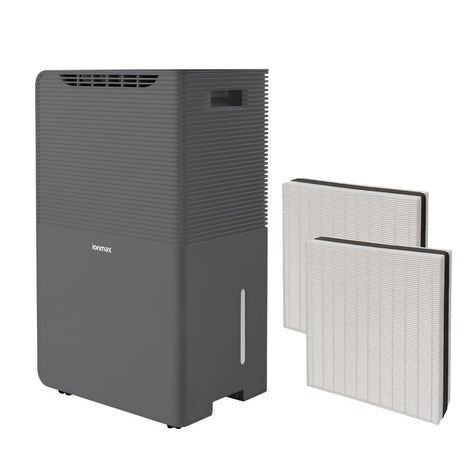
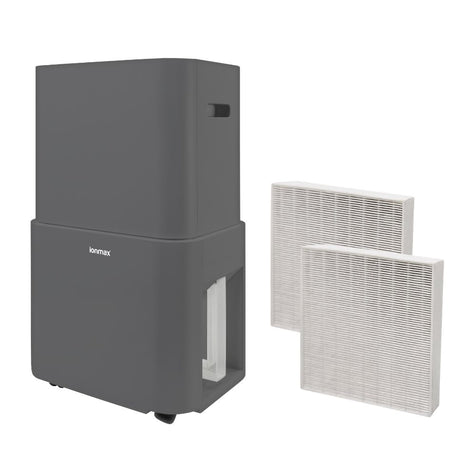
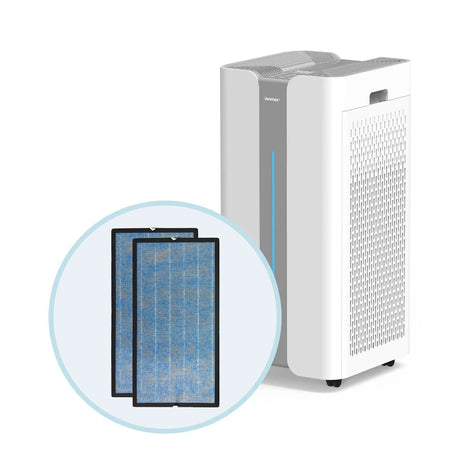
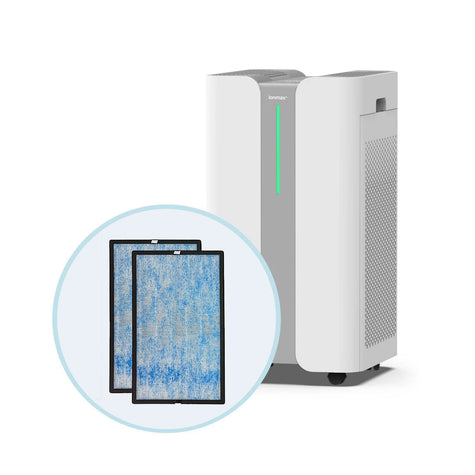
If you’re buying a dehumidifier during winter, one critical question matters more than any other: What type of technology does it use?
Many homeowners are surprised to learn that not all dehumidifiers perform the same way in colder conditions. Picking the wrong type can mean spending money on a unit that quietly struggles during the exact months you need it most.
There are two primary dehumidification technologies on the market, compressor and desiccant and they behave very differently once temperatures drop.
1. Compressor Technology (Refrigerant)
Compressor dehumidifiers work in a similar way to a refrigerator or reverse-cycle air conditioner. They pull air across a freezing refrigerant coil, condense the moisture out of it, and drop the collected water into a drainage tank.
- Where It Works Well: In warm, muggy conditions, think a humid 25°C summer day, compressors are highly energy-efficient and effective. This is the traditional technology most people envision when thinking of a dehumidifier.
- Where It Struggles: As room temperatures drop below 15°C, the internal coils freeze over. The unit must frequently stop dehumidifying to run a "defrost cycle." In a cold Australian bedroom, hallway, or laundry room in the middle of winter, moisture extraction slows dramatically, precisely when you need it working hardest.
2. Desiccant Technology
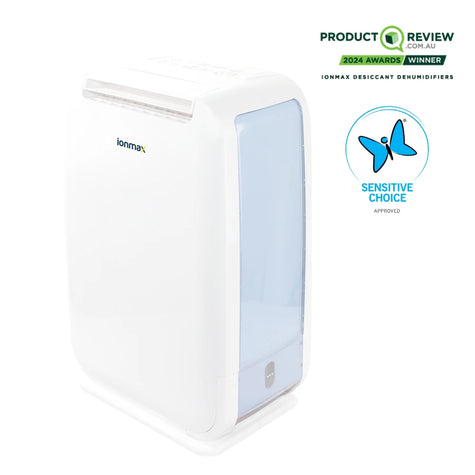
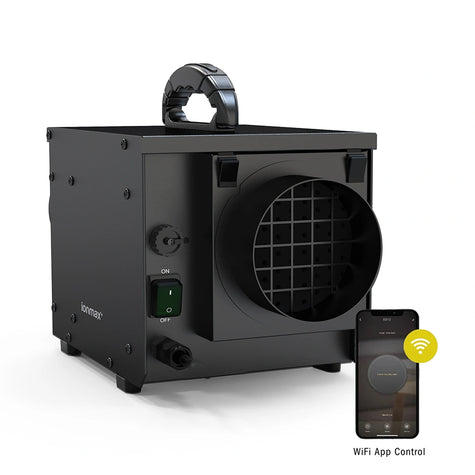
Desiccant dehumidifiers operate without refrigerant gas or heavy coils. Instead, they pass indoor air through a slowly rotating wheel containing a desiccant material (similar to silica gel) that naturally absorbs water molecules. An internal heater then dries the wheel, dropping the moisture cleanly into the water tank.
-
Why It Performs Consistently in Winter: Because desiccant technology doesn't rely on freezing coils, cold ambient temperatures do not trigger freeze-ups. A desiccant unit maintains strong extraction performance at temperatures as low as 1°C, making it the ideal choice for cold southern Australian winters in Melbourne, Hobart, Canberra, or Adelaide.
Side-by-Side Comparison: Compressor vs. Desiccant
| Feature | Compressor Dehumidifier | Desiccant Dehumidifier |
| Ideal Temperature Range | Warm (20°C - 35°C) | Cold to Mild (1°C - 20°C) |
| Winter Moisture Extraction | Fair (Drops in cold rooms) | Excellent (Consistent) |
| Laundry Drying Speed | Moderate | Fast |
| Warm Air Output | Slightly Warm (2°C to 4°C) | Cozy Warm (10°C to +12°C) |
| Unit Weight & Portability | Heavy (Contains compressor) | Lightweight & Portable |
| Noise Level | Low-pitched mechanical hum | Quiet airflow sound |
Why Heat Output Matters: Because the desiccant wheel cycle uses an internal heater, these units exhaust dry air that is roughly 10°C to 12°C warmer than the ambient room. This mild heating effect assists your room's baseline warmth and drastically speeds up indoor clothes drying.
Why the Ionmax Venta 8L Stands Out

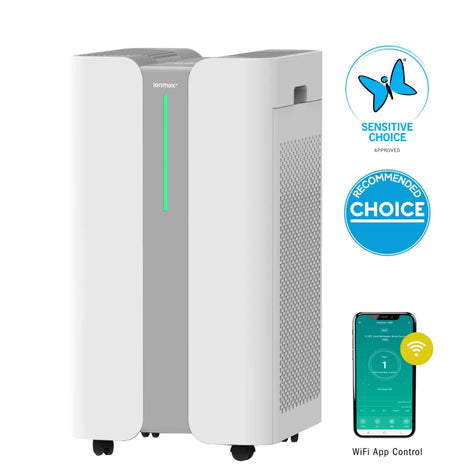
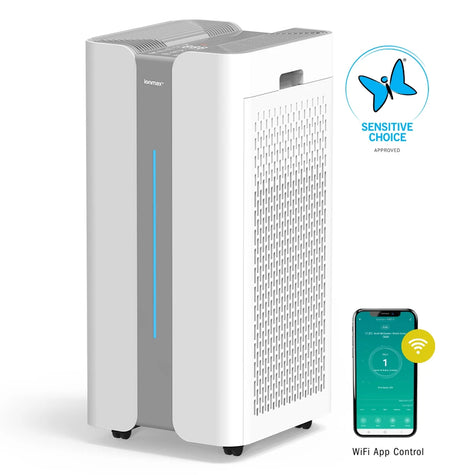
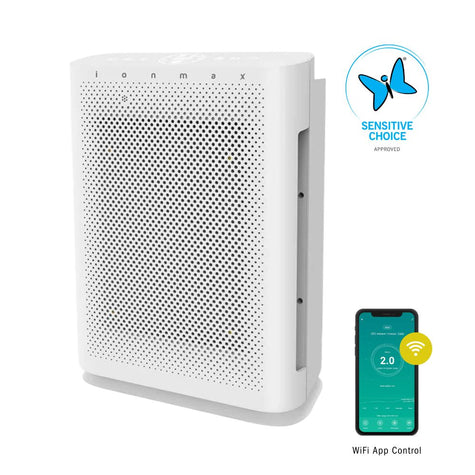
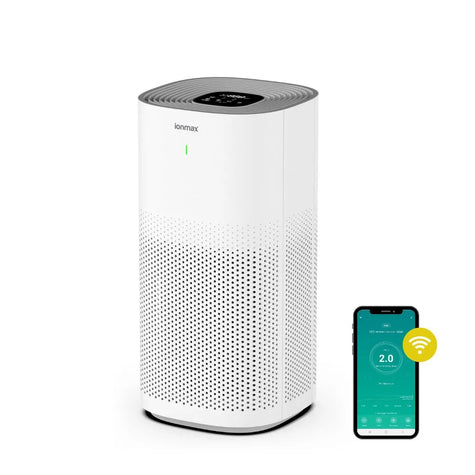
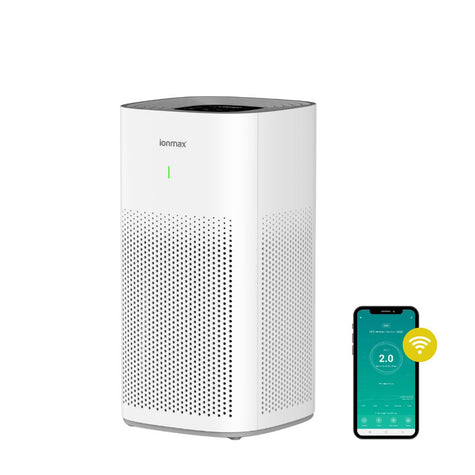
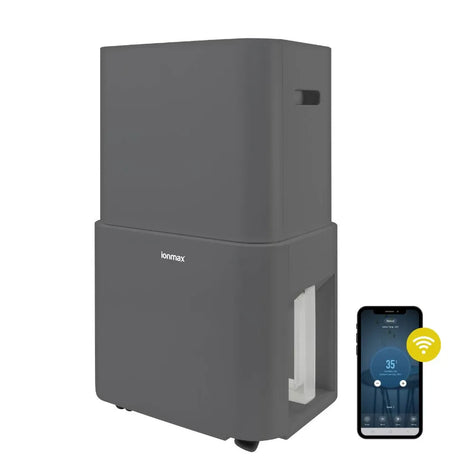
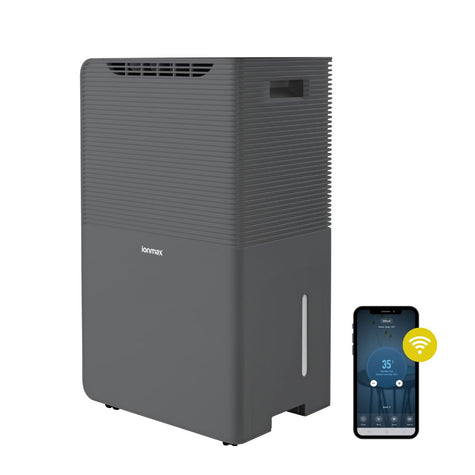
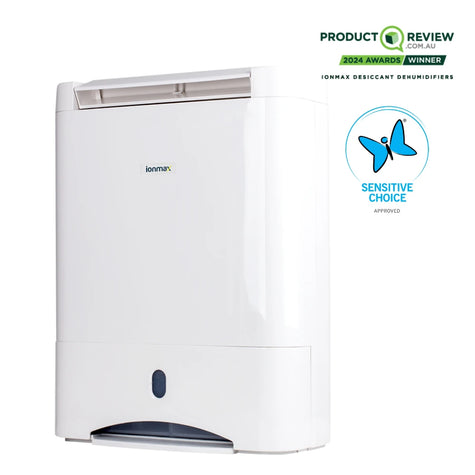
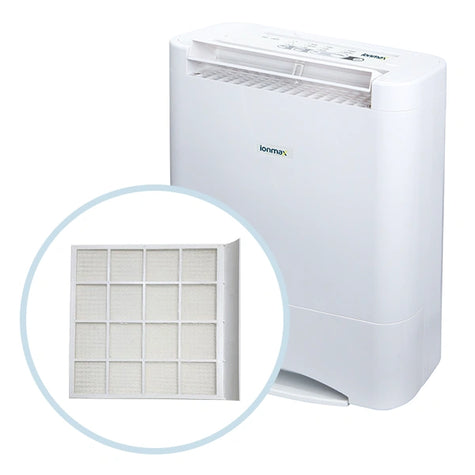
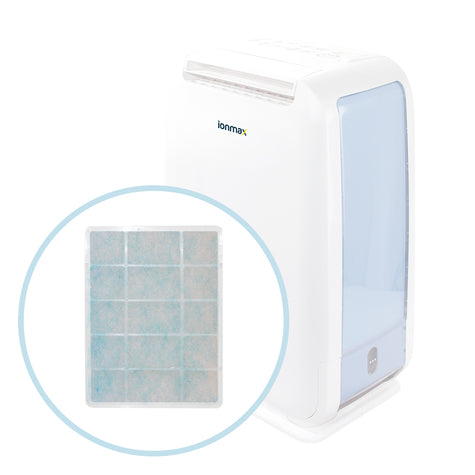
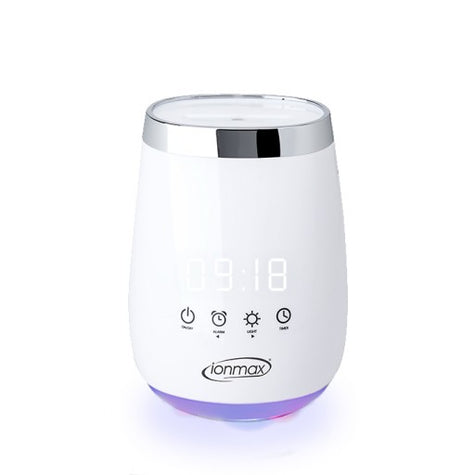
Not all desiccant dehumidifiers are created equal. The Ionmax Venta 8L Desiccant Dehumidifier is engineered specifically for what Australian households face during cold, damp months:
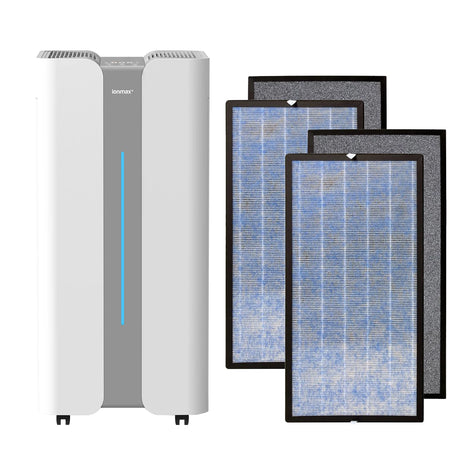
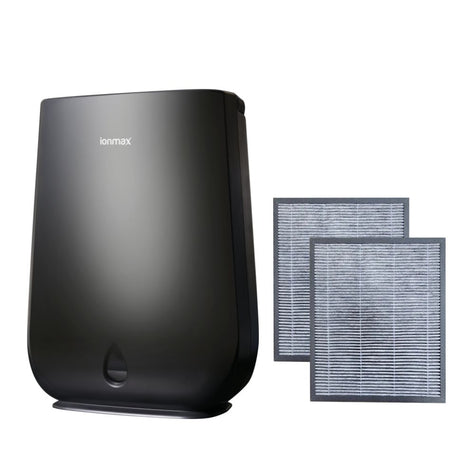
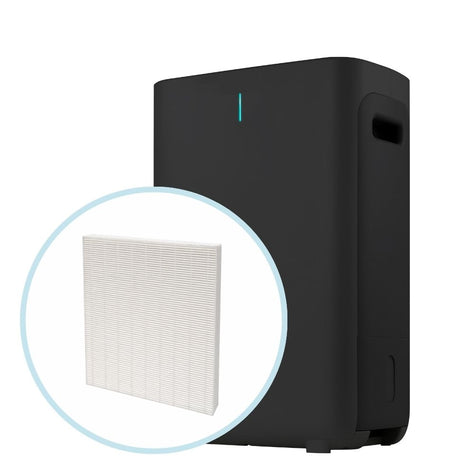
- 🛡️ Medical-Grade H13 HEPA Filtration: Captures 99.95% of airborne allergens, dust mites, and floating mould spores while controlling moisture.
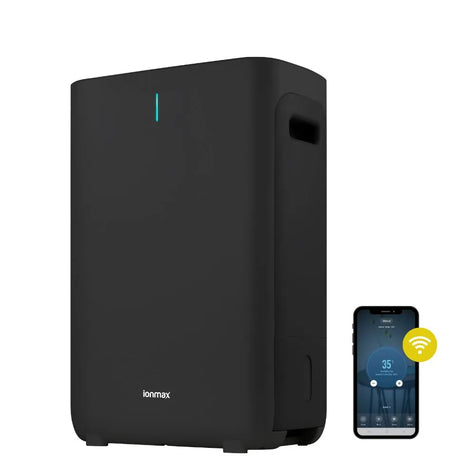
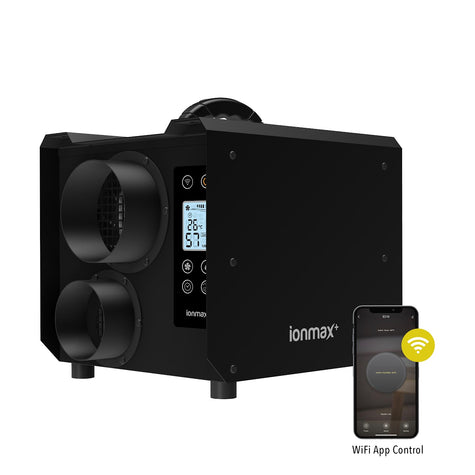
- 📱 Smart Wi-Fi App Control: Monitor ambient room humidity and adjust settings remotely from your smartphone.
- 📊 Digital Live Display: Gives an exact real-time readout of your room's relative humidity (RH%).
- 🪶 Ultra-Portable Footprint: Lightweight design makes it simple to move between damp bedrooms, living spaces, and laundries.
- 💧 8L/Day Extraction Capacity: High-efficiency extraction designed for real-world cold room conditions.
- 🏡 Broad Coverage (Up to 150m3): Powerful enough to handle large master bedrooms, open-plan living areas, or apartments.
Instead of fighting cold weather, the Ionmax Venta uses it to your advantage, delivering dry, clean, and warm air all winter long.
References & Sourcing
- Choice Australia (Consumer Advocacy Group): Dehumidifier Buying Guide: Desiccant vs Compressor. (Notes that compressor models suffer severe performance drops below 15°C, whereas desiccant models maintain steady extraction performance in cold winter conditions).
- Sensirion & Building Science Standards: Psychrometric Charts & Relative Humidity Behavior. (Explains thermodynamic properties where desiccant heat regeneration creates warmer exhaust air that lowers local relative humidity faster).