
As the mercury drops across Australia, we instinctively reach for the heater and seal our windows shut to trap the warmth. While this keeps us cozy, it creates a silent, structural, and respiratory challenge: excess indoor humidity.
In winter, the physics of your home changes. Cold air holds less moisture than warm air, leading to condensation, dampness, and a spike in indoor allergens. Here is a comprehensive guide on why a dehumidifier, specifically a desiccant model, is the most important investment you can make for your home and health this winter.
1. Eliminating "Weeping Windows" and Structural Damage
The most visible sign of winter humidity is condensation on your windows. When warm, moist indoor air hits a cold glass pane, it reaches its "dew point" and turns into liquid water.
- The Risk: Persistent condensation drips into timber frames, causing rot, and seeps into drywall, leading to structural bubbling and paint peeling.
- The Dehumidifier Benefit: By maintaining indoor humidity between 30% and 50%, a dehumidifier lowers the dew point. This prevents water from pooling on sills and protects the long-term integrity of your home’s architecture.
2. Preventing the "Winter Mold" Explosion
Mold doesn't need a flood to grow; it only needs a surface with a moisture content of 16% or higher. In a sealed winter home, steam from showers and cooking creates the perfect breeding ground in corners, behind furniture, and inside wardrobes.
- The Science: According to the National Asthma Council Australia, mould is a significant trigger for asthma and allergic rhinitis.
- The Solution: A dehumidifier actively strips moisture from the air, ensuring that spores cannot "activate." This is particularly vital for "hidden" mold that grows in dark, unventilated spaces like walk-in robes.
3. The "Laundry Mode" Revolution
Drying clothes outdoors during a wet winter is nearly impossible, and tumble dryers are notorious energy guzzlers. However, hanging wet washing indoors can release up to 5 liters of moisture into your living space in a single day.
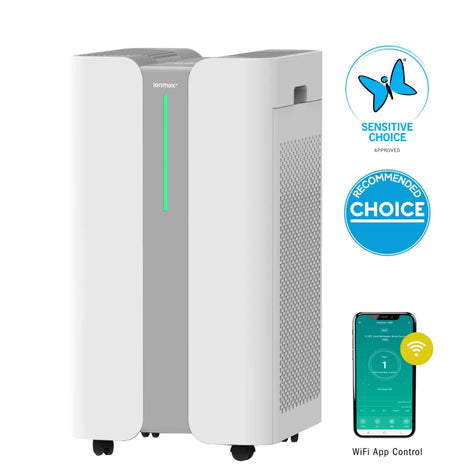
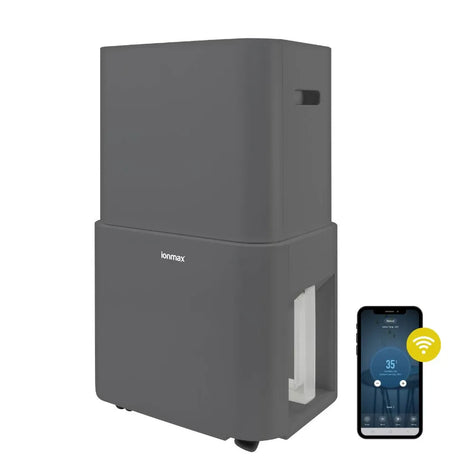
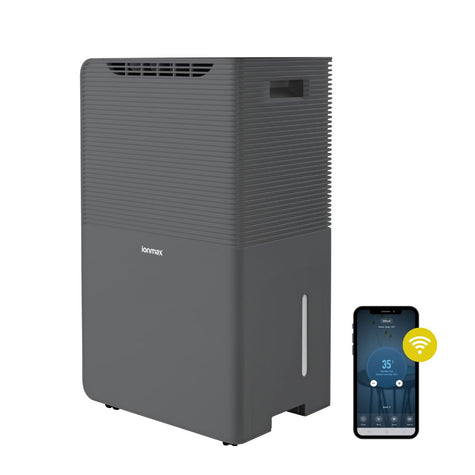
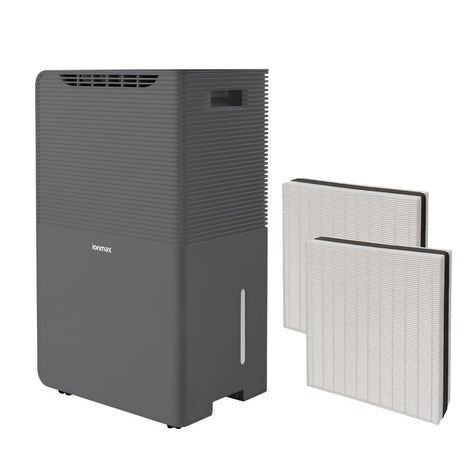
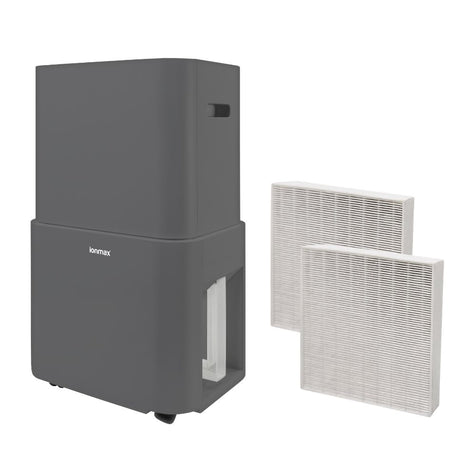
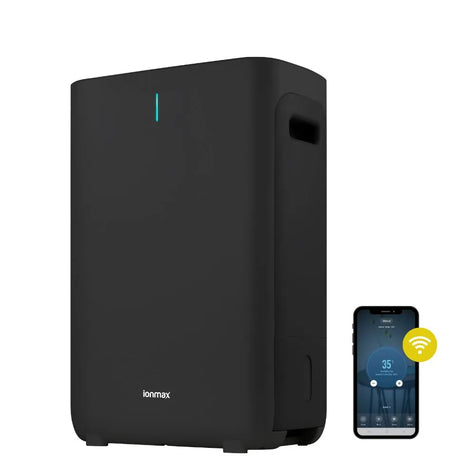
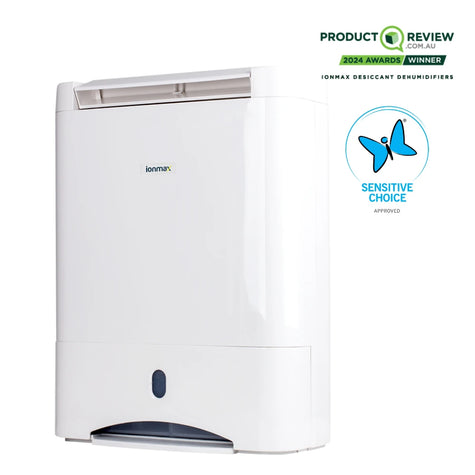
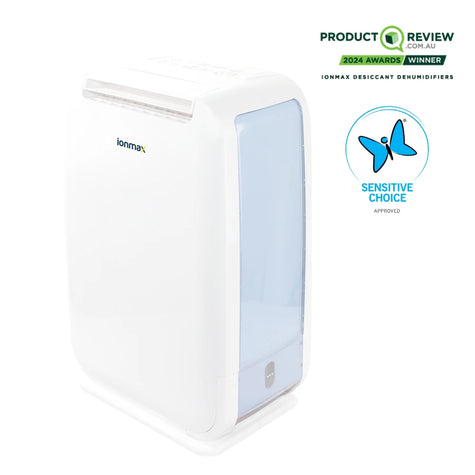
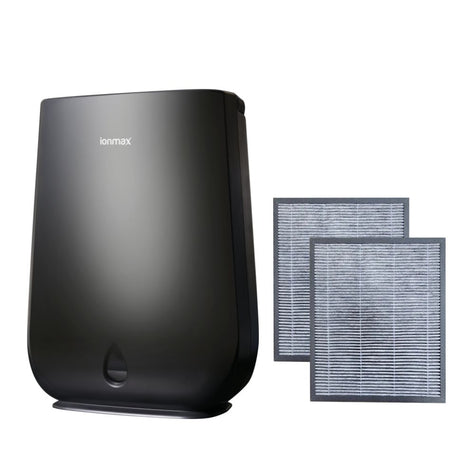
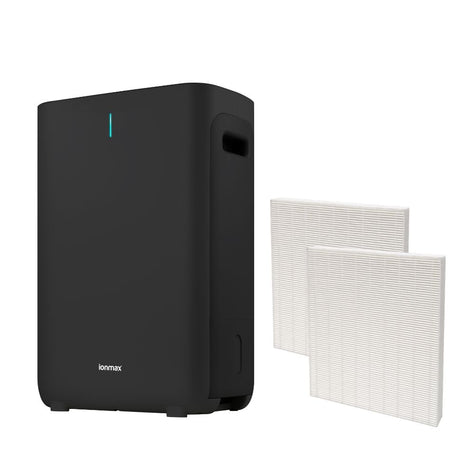
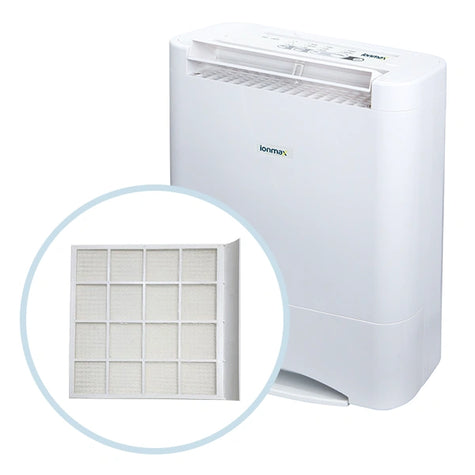
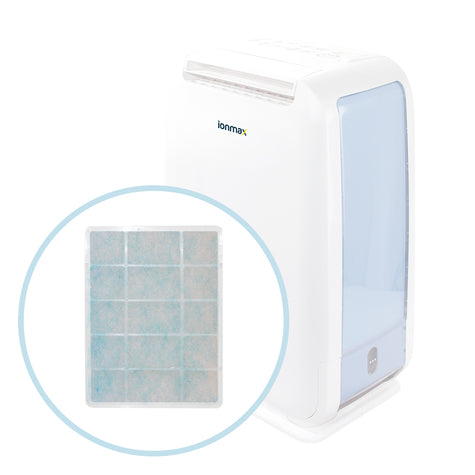
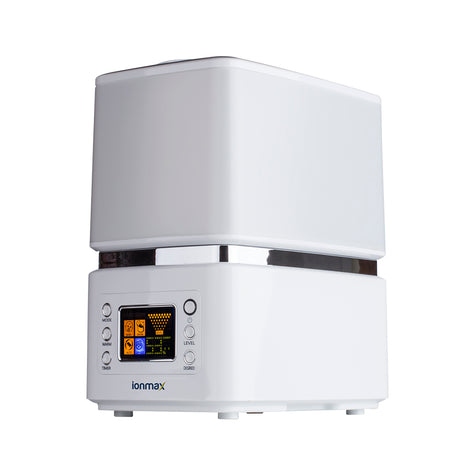
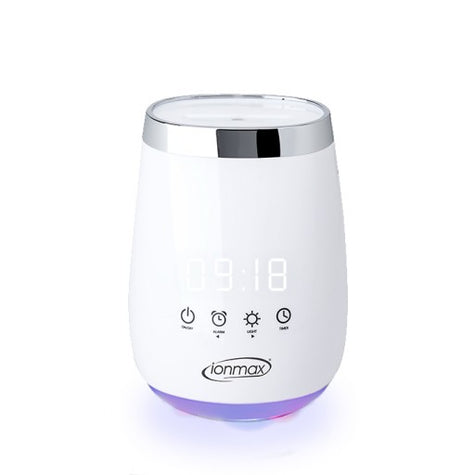
- How it Works: High-quality dehumidifiers, such as the Ionmax range, feature a dedicated Laundry Mode. This uses a high-speed fan to blow a focused stream of dry air over wet clothes, drying them significantly faster than ambient air while preventing that "musty" smell from setting in.
4. Lowering Your Heating Bills
It sounds counterintuitive, but a dehumidifier can actually save you money on your power bill.
- The Logic: It is scientifically proven that dry air is easier to heat than damp air. When air is heavy with water molecules, your heater has to work significantly harder to raise the temperature.
- The Bonus: If you use a desiccant dehumidifier, the exhaust air is typically 10-12°C warmer than the room temperature. This provides a gentle, secondary heat source, allowing you to turn your main heater down a few degrees.
5. Respiratory Health and Dust Mite Control
We spend roughly 90% of our time indoors during winter, often in proximity to heaters that stir up dust.
- The Trigger: Dust mites don't drink water; they absorb it from the atmosphere. They thrive in humidity levels above 60%.
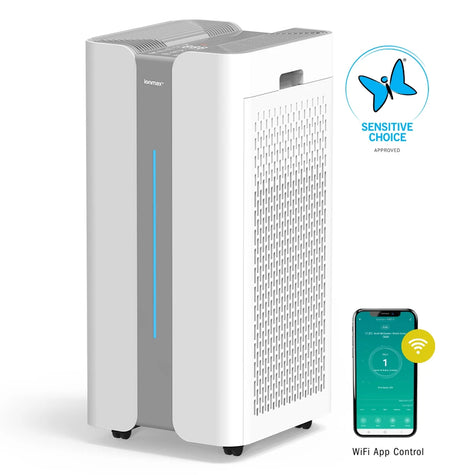
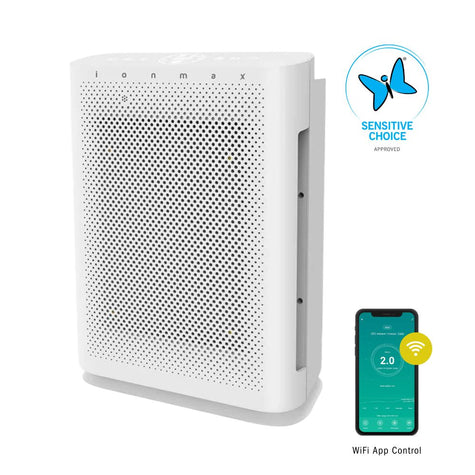
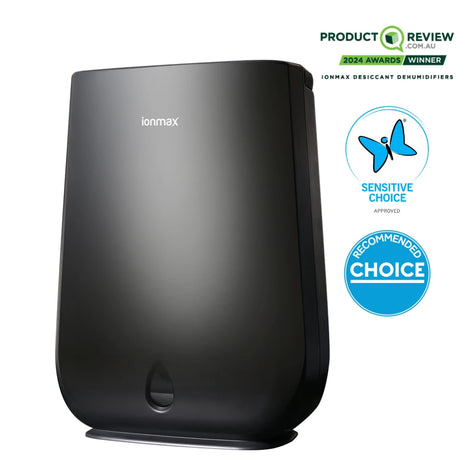
- The Relief: By keeping the air crisp and dry, you effectively "dehydrate" the dust mite population. This is a core reason why many dehumidifiers carry the Sensitive Choice® Blue Butterfly, the gold standard for products that benefit those with asthma and allergies.

Strategic Placement: Where Does it Go?
To maximize your winter relief, prioritize these areas:
- The Laundry/Hallway: To manage moisture from washing and showers.
- The Bedroom: To prevent "nighttime dampness" and improve sleep quality.
- The Wardrobe: To protect expensive leather and wool garments from mildew.
Which Type Should You Choose?
In winter, the type of dehumidifier matters.
- Compressor Dehumidifiers: Most effective in temperatures above 20°C.
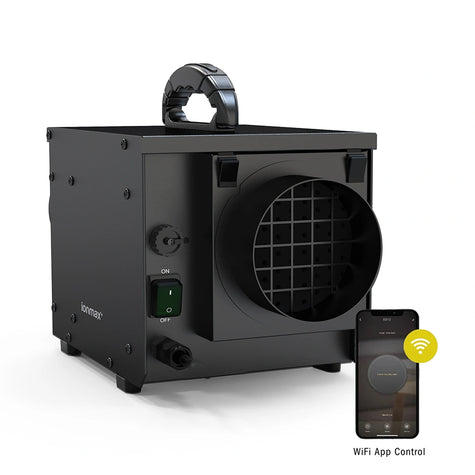
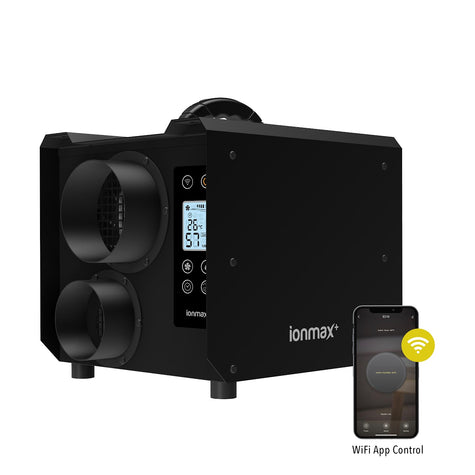
- Desiccant Dehumidifiers: Maintain high performance even in temperatures as low as 1°C. For most Australian winters, especially in colder regions like Melbourne, Sydney, or Hobart, a desiccant model is the superior choice for consistent performance.
Sourcing & Further Reading
- National Asthma Council Australia: Mould and your health
- CSIRO: Indoor Air Quality research and humidity standards
- Sensitive Choice: Approved products for asthma and allergy relief
Is your home showing signs of winter dampness? Browse our range of Ionmax Dehumidifiers today and take control of your indoor climate.