
Tasmania’s picturesque landscapes come with a challenging climatic reality for homeowners: relentless indoor moisture.
Surrounded by ocean waters, the Apple Isle experiences a cold, maritime climate where high ambient humidity, frequent rainfall, and winter heating habits create the perfect storm for indoor dampness. Left unaddressed, trapped moisture rots structural timbers, destroys soft furnishings, and turns homes into breeding grounds for mold.
Here is a breakdown of why Tasmania’s weather causes severe home dampness, and how targeted air treatment technology can protect your property and your family's health.
The Climatic Drivers Behind Tasmania's Indoor Moisture
1. High Year-Round Relative Humidity
Surrounded by the Bass Strait and the Southern Ocean, Tasmania experiences high ambient relative humidity (RH) year-round, often averaging 70% to over 80% outdoors during autumn and winter mornings. This moisture-laden air constantly seeps into subfloors, wall cavities, and living spaces.
2. Cold Winters and Interior Condensation
During cold Tasmanian winters, exterior walls, window frames, and glass drop significantly in temperature. When warm, moisture-heavy air inside the house (generated by cooking, showers, and indoor clothes drying) meets these cold surfaces, it instantly condenses into liquid water droplets.
3. Microclimates and Topography
Regional microclimates in places like Hobart’s eastern suburbs, Launceston, and the West Coast trap heavy, damp air in valleys and coastal pockets. This prolonged outdoor dampness leaves building envelopes with little opportunity to dry out naturally.
4. Thermal Bridging in Heritage & Older Housing
Older Tasmanian housing stock often features single-glazed windows, subfloor timber frames with limited ground vapor barriers, or minimal wall insulation. These structural gaps create "thermal bridges" where cold transfers directly inside, accelerating surface condensation on walls and ceilings.
The Hidden Dangers of Excess Indoor Moisture
- Rapid Mould & Spore Proliferation: Persistent indoor dampness and condensation droplets create the ideal environment for toxic mold species like Penicillium, Cladosporium, and Aspergillus to colonize drywall, carpets, and wardrobes.
- Dust Mite Population Explosions: High moisture levels cause house dust mite populations to surge, serving as the primary trigger for childhood asthma attacks and year-round respiratory allergies.
- Structural Timber Degradation: Trapped dampness in subfloors and roof spaces leads to dry rot, warped timber floorboards, peeling paint, and long-term foundation damage.
- Musty Odors and Compromised Air Quality: As mold digests organic materials inside your walls, it releases Microbial Volatile Organic Compounds (MVOCs), creating that distinct, unpleasant "musty" smell throughout the home.
The Solution: Desiccant Dehumidification and HEPA Air Purification
Controlling Tasmania’s moisture requires a two-pronged approach: extracting excess water vapor from the air and filtering out the bioaerosols (mold spores and allergens) that thrive in dampness.
Why Desiccant Dehumidifiers Are Essential for Cold Climates
Standard compressor dehumidifiers struggle in cold weather; as ambient temperatures drop below 15°C, their coils freeze up, drastically lowering moisture extraction rates. Desiccant dehumidifiers, however, do not use cooling coils. They extract high volumes of water efficiently in cold conditions down to 1°C, while gently warming the exhaust air to help heat your home.
Ionmax Solutions for Damp Tasmanian Homes
Ionmax provides high-performance, Australian-designed air treatment systems engineered to combat severe moisture and indoor dampness:
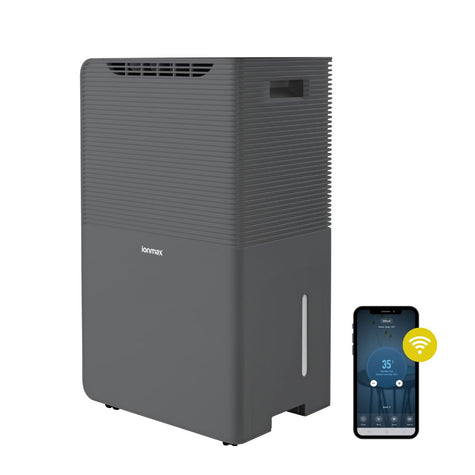
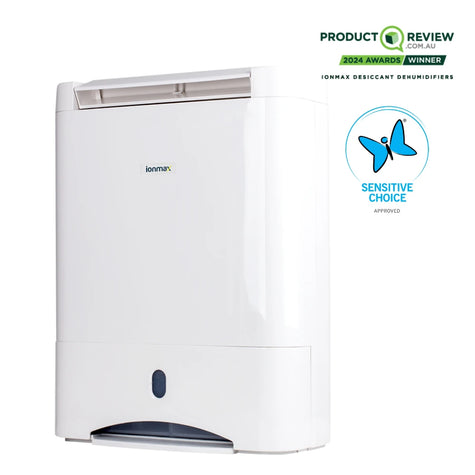
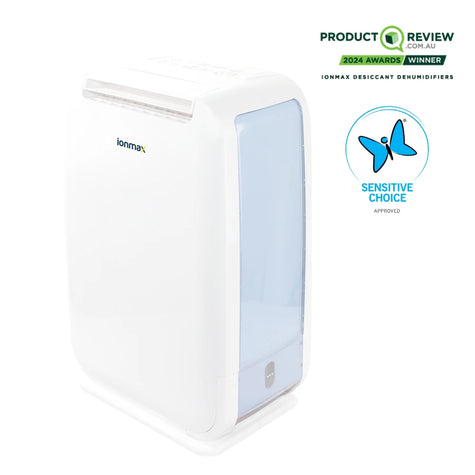
1. For Unheated Rooms, Subfloors & Cold Spaces: Ionmax Desiccant Dehumidifiers
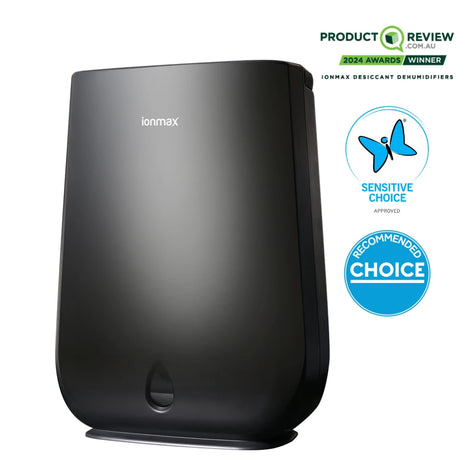
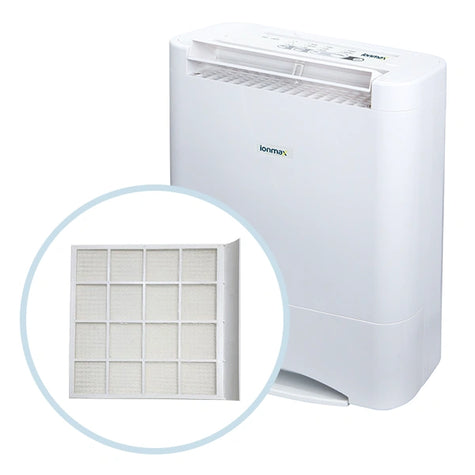
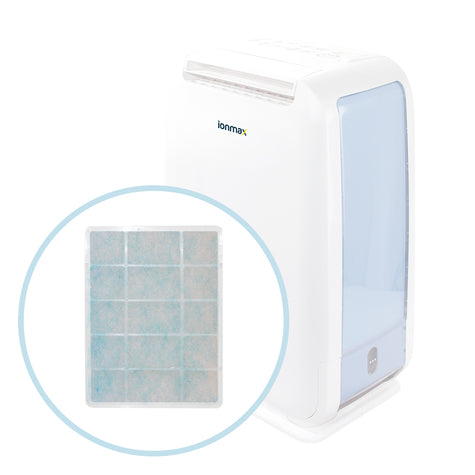
Unlike compressor models that fail in the cold, Ionmax desiccant dehumidifiers excel in unheated bedrooms, laundries, and basements.
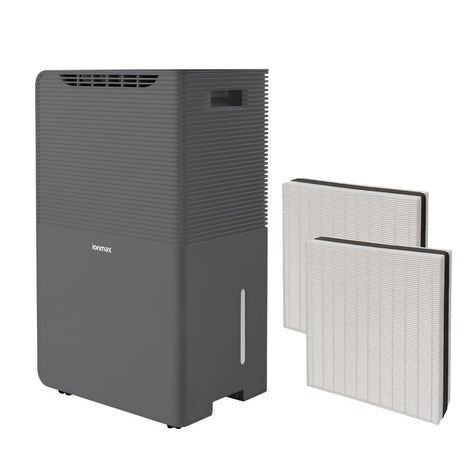
- Desiccant Performance: Extracts up to 10L+ of water daily even in near-freezing temperatures, while simultaneously warming the room's air.
- Continuous Drainage: Connect a hose for continuous 24/7 drainage in high-moisture zones without needing to empty the water tank.
- Stop condensation before it starts. Explore Ionmax Desiccant Dehumidifiers for Cold Climates

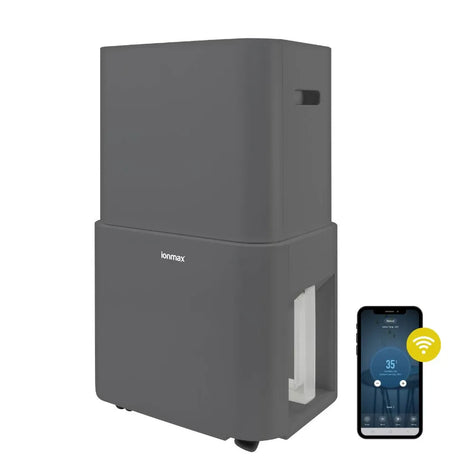
2. For Large Living Areas & Basements: Ionmax Heavy-Duty Dehumidifiers
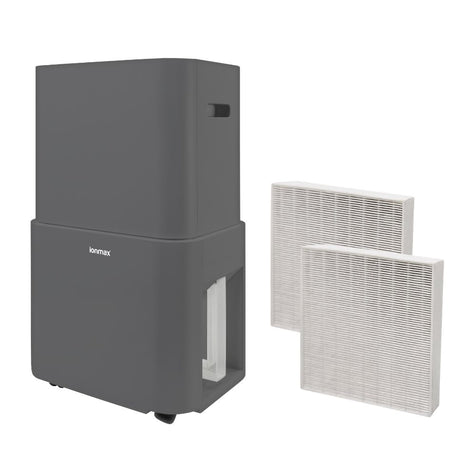
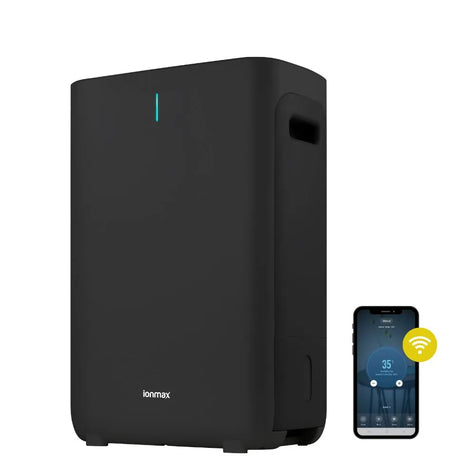
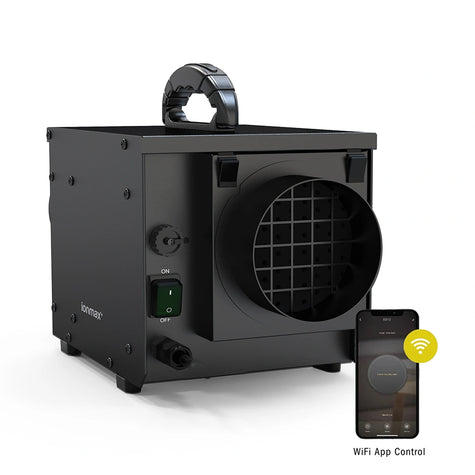
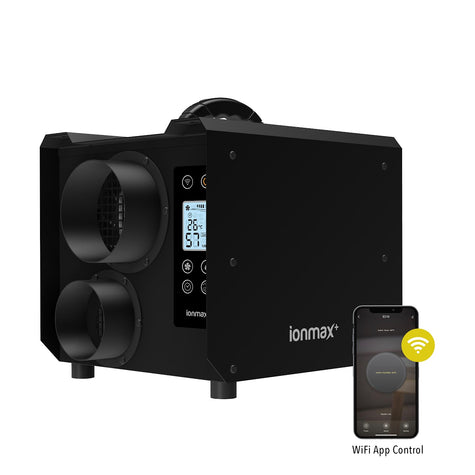
For high-capacity water removal in large open-plan living spaces or damp basements, heavy-duty moisture extraction keeps ambient humidity strictly within healthy indoor levels.
- Smart Humidity Control: Automatically monitors ambient air and adjusts fan speeds to maintain optimal moisture levels.
- Protect your property from structural dampness. Shop High-Capacity Ionmax Dehumidifiers
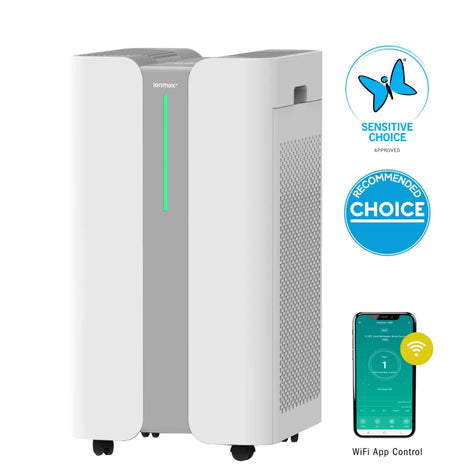
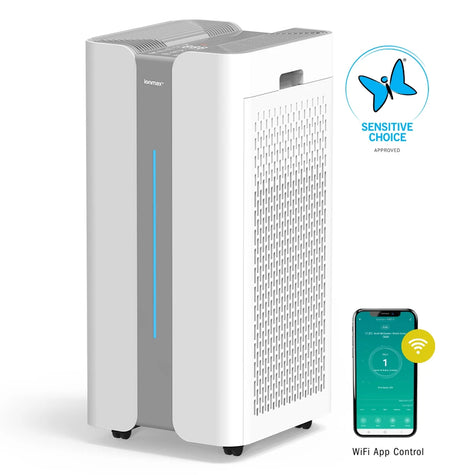
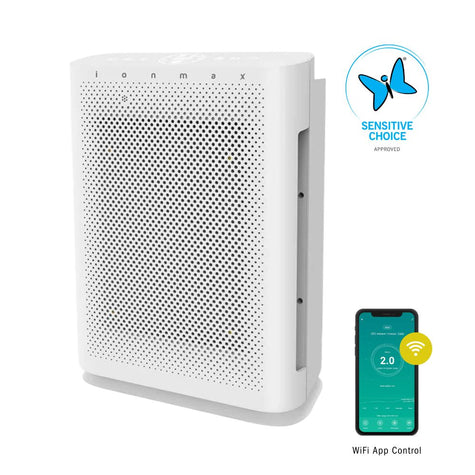
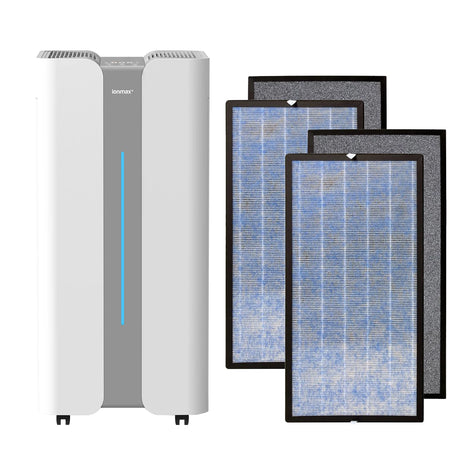
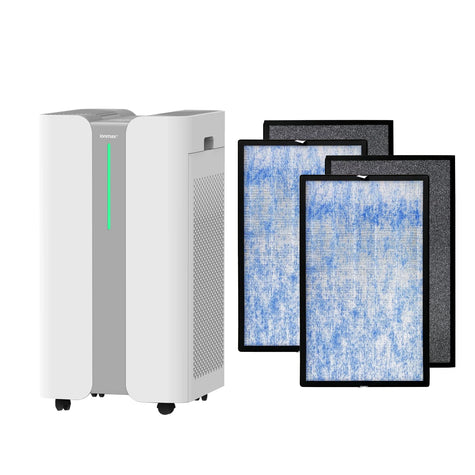
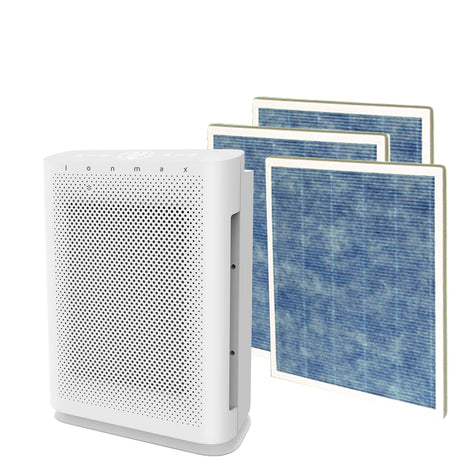
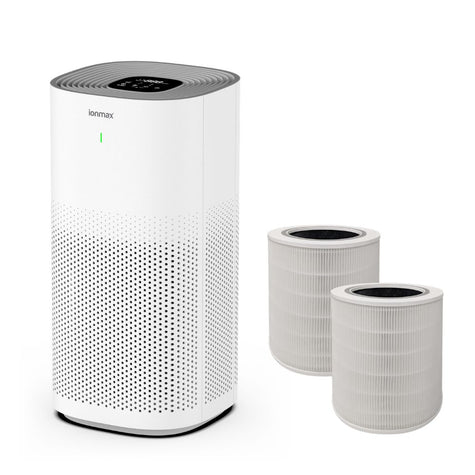
3. For Mold Spore & Allergy Control: Ionmax Air Purifiers
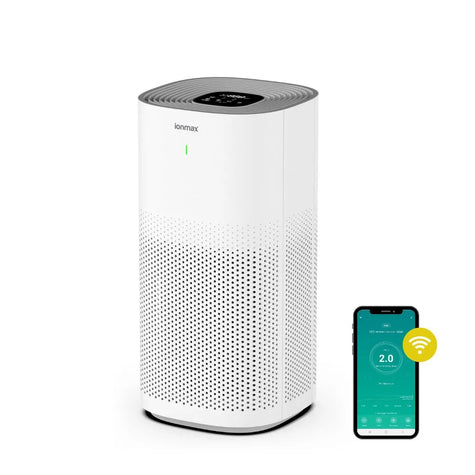
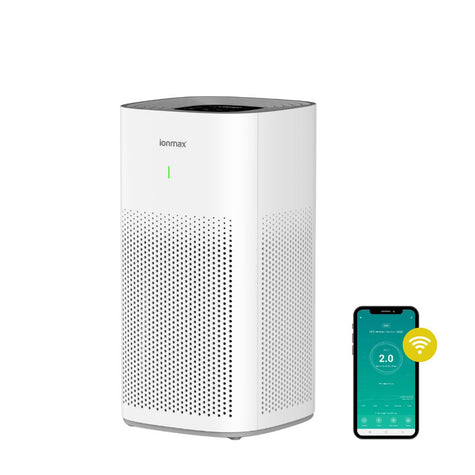
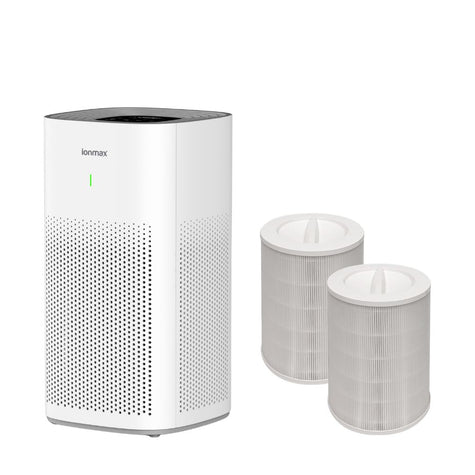
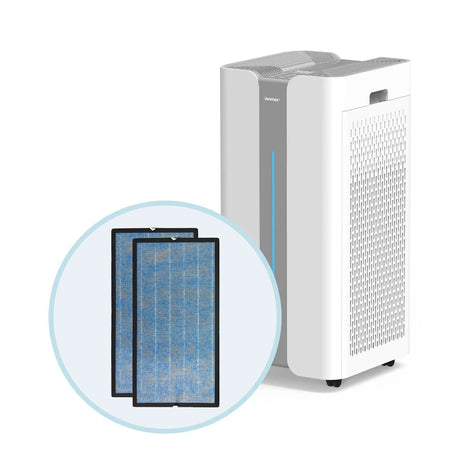
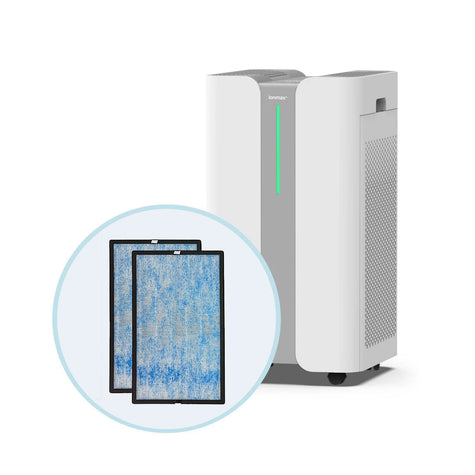
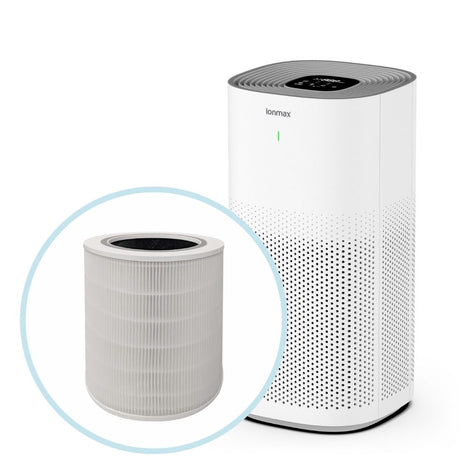
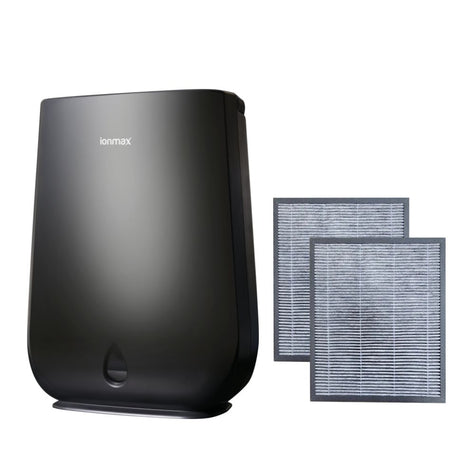
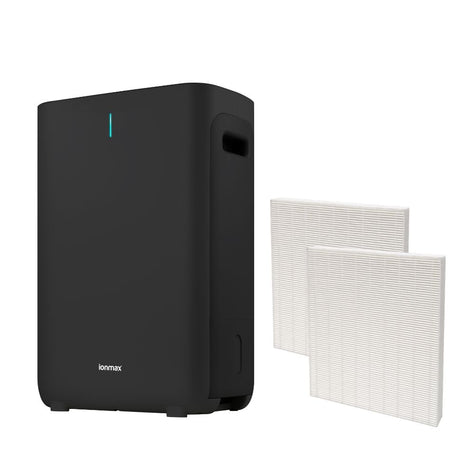
Removing moisture stops new mold from growing, but it won't remove millions of active mold spores already floating in your air. Ionmax HEPA air purifiers capture 99.97% of airborne particles down to 0.3 microns.
- Sensitive Choice Approved Models: Select models carry official approval from the National Asthma Council Australia, making them ideal for asthma and allergy sufferers.
- Activated Carbon Filters: Neutralize musty damp odors and harmful VOCs released by mold spores.
- Clean the air your family breathes. Discover Sensitive Choice Approved Ionmax Air Purifiers

Take Control of Your Home’s Climate Today
Don't let Tasmania's winter dampness compromise your family’s health or destroy your home's structural integrity. By combining a low-temperature desiccant dehumidifier with an H13 HEPA air purifier, you can maintain a warm, dry, and healthy living environment year-round.
🌬️ Ready to eliminate indoor dampness?
Browse the full range of cold-climate dehumidifiers and air purifiers at ionmax.com.au and enjoy cleaner, drier air today.
Speak to our sales team today!