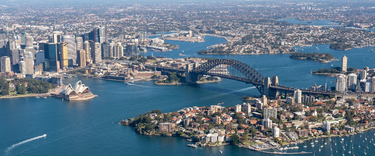
While Sydney is famed for its sun-drenched beaches and iconic harbor, the quality of the air we breathe isn’t always as pristine as the view. Despite enjoying good air quality relative to many global megacities, Sydney faces unique geographical and urban conditions that routinely expose residents to hazardous airborne pollutants.
Understanding these airborne threats and how they impact your health is the first step toward safeguarding your home and family. Here is a breakdown of the six greatest threats to Sydney’s air quality and how you can reclaim control over your indoor air.
1. Bushfires and Hazard Reduction Burns
Uncontrolled bushfires during hot summer months and essential hazard reduction burns in shoulder seasons are two of the biggest drivers of air quality emergencies across the Greater Sydney basin.
- The Threat: Smoke releases massive volumes of fine particulate matter (PM 2.5) into the atmosphere.
- Health Impact: Because PM 2.5 particles are 2.5 micrometres or smaller in diameter, they easily bypass your body's natural defense systems, penetrating deep into the lungs and entering the bloodstream. This can trigger severe asthma attacks, cardiovascular strain, and persistent respiratory irritation.
2. Motor Vehicle Emissions
With millions of vehicles commuting daily across Sydney’s sprawling road network, vehicular exhaust remains one of the city's most consistent human-made pollutants.
- The Threat: Heavy urban traffic, coastal transport corridors, and diesel freight operations emit nitrogen oxides, carbon monoxide, and volatile organic compounds (VOCs).
- Health Impact: Daily exposure to traffic exhaust irritates airways, exacerbates chronic lung conditions, and contributes to long-term systemic inflammation.
3. Residential Wood Heating
As temperatures drop during Sydney's winter, thousands of households light up domestic wood-burning heaters.
- The Threat: In cooler weather, domestic wood smoke becomes a leading contributor to urban PM 2.5 pollution in suburban neighbourhoods.
- Health Impact: Wood smoke contains carcinogenic compounds, fine soot, and toxic gases that linger in residential streets, seeping through cracks, doors, and window seals into living spaces.
4. Photochemical Smog (Ground-Level Ozone)
Sydney’s hot, sunny summers create the ideal chemical kitchen for photochemical smog.
- The Threat: High ambient temperatures and intense ultraviolet light cause vehicular and industrial VOCs to react, forming ground-level ozone.
- Health Impact: Unlike the protective ozone layer in the upper atmosphere, ground-level ozone is a severe lung irritant. It can cause chest tightness, coughing, throat soreness, and reduced lung capacity during outdoor activities.
5. Regional Industrial and Energy Emissions
Sydney’s air quality isn't just affected by what happens inside city limits; regional industrial pollution frequently drifts into the basin.
- The Threat: Coal-fired power generation in the neighboring Hunter Valley and Central Coast, along with local manufacturing plants and maritime port operations, discharge sulfur dioxide, heavy metals, and industrial particulates into the atmosphere.
- Health Impact: Industrial pollutants contribute to cumulative toxic load, aggravating cardiovascular conditions and triggering allergies in sensitive individuals.
6. Dust Storms and Topographical Trapping
Sydney’s geography plays a major role in keeping air pollution locked close to home.
- The Threat: During dry spells and droughts, strong westerly winds carry vast plumes of inland topsoil and agricultural dust across the state. Compounding this, Sydney sits within a natural basin framed by the Blue Mountains to the west.
- Health Impact: During atmospheric temperature inversions, cool air, and all trapped dust, smoke, and smog becomes locked beneath a layer of warm air right at ground level, creating lingering pollution hazes across the city.
Take Control of Your Home’s Air Quality with Ionmax
While you can’t always control outdoor air conditions across Sydney, you can create a pristine, clean-air haven inside your home. Outdoor pollutants like PM 2.5, smoke, dust, and toxic VOCs easily enter indoor spaces where we spend up to 90% of our time.
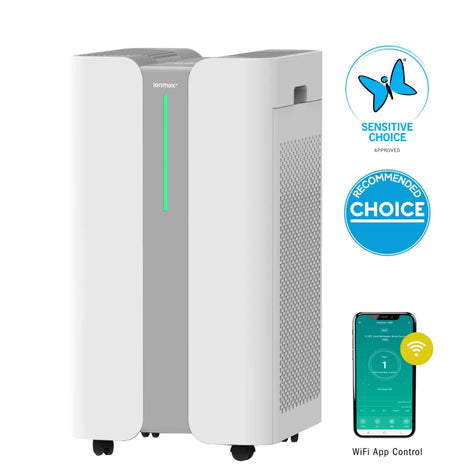
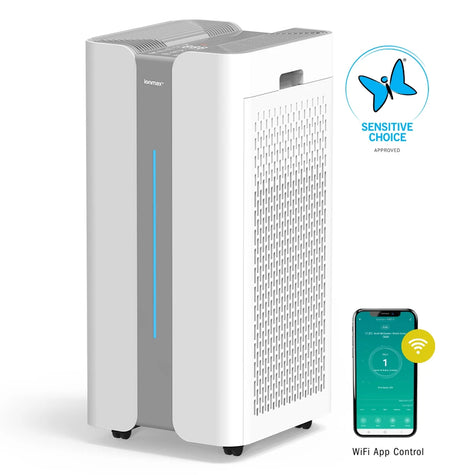
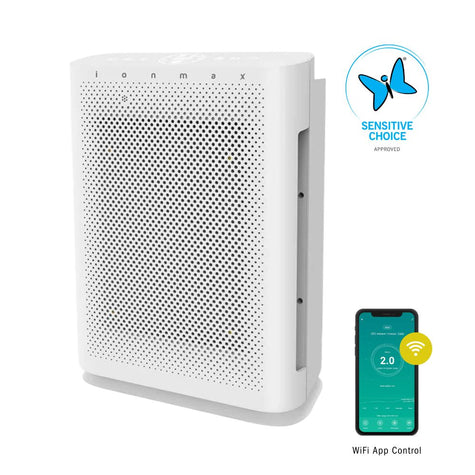
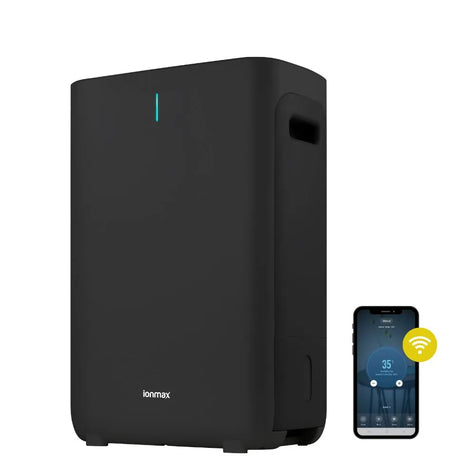
Ionmax delivers premium, Sensitive Choice-approved indoor air quality solutions designed specifically for Australian conditions:
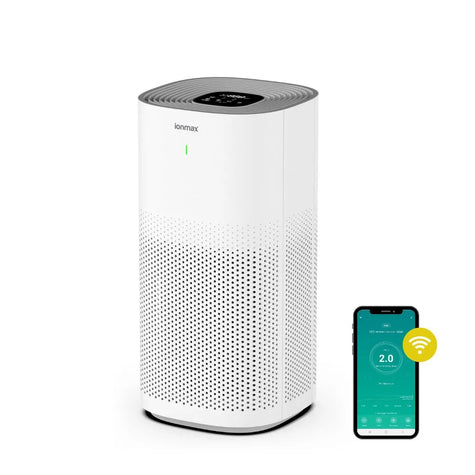
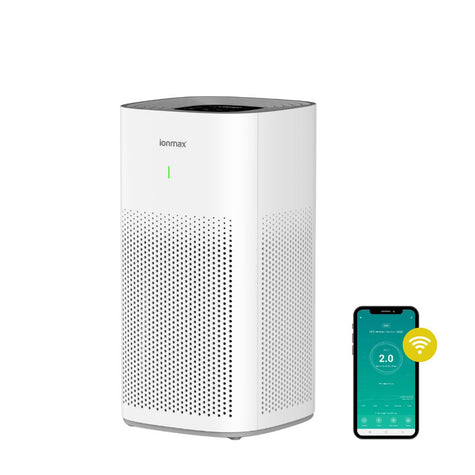
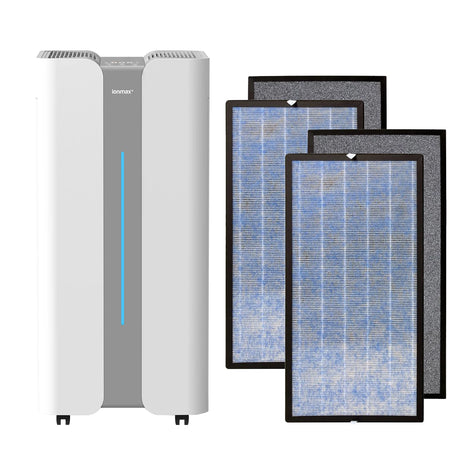
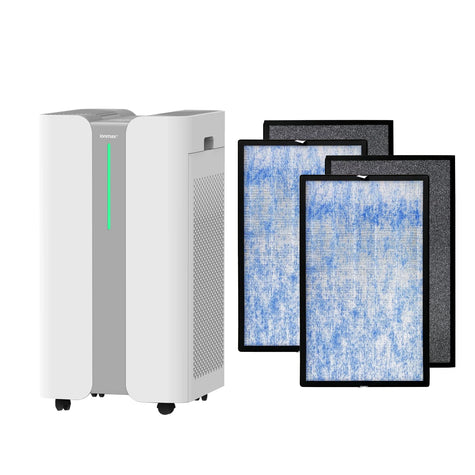
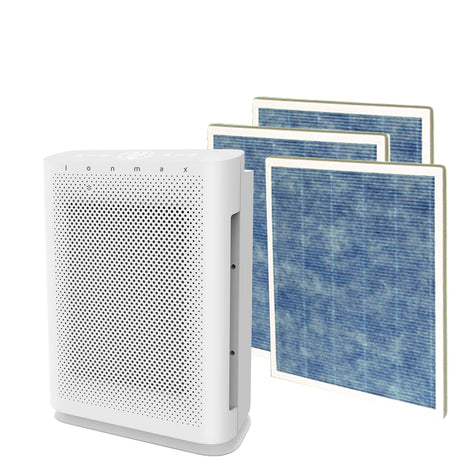
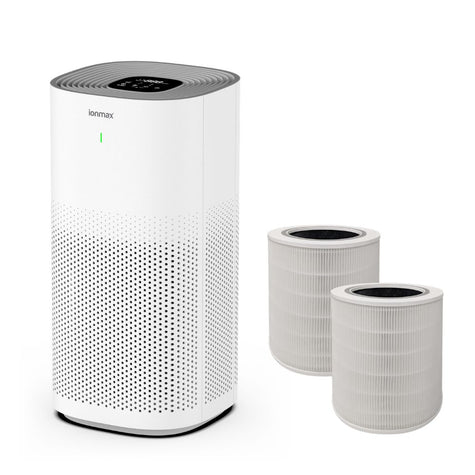
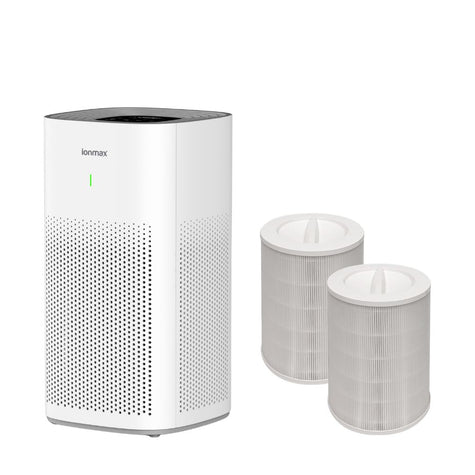
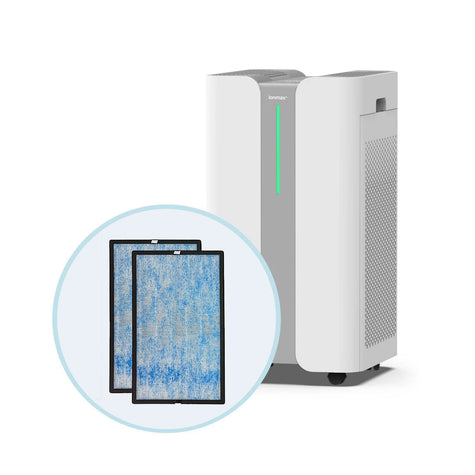
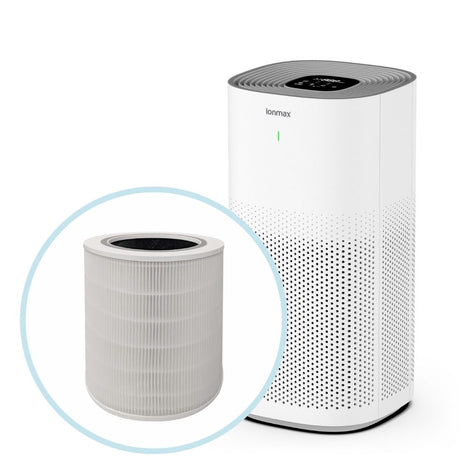
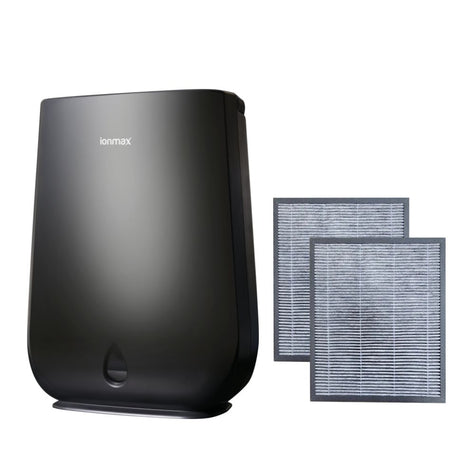
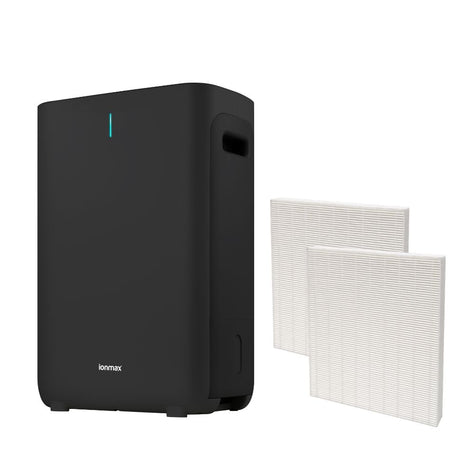
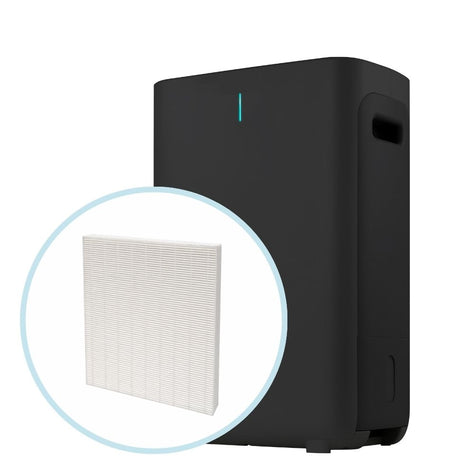
- Protect Against Fine Smoke and Dust (PM2.5): The Ionmax+ Aire High-Performance HEPA Air Purifier features a medical-grade H13 HEPA filter that captures 99.97% of airborne ultrafine particles as small as 0.3 microns, including bushfire smoke and airborne dust.
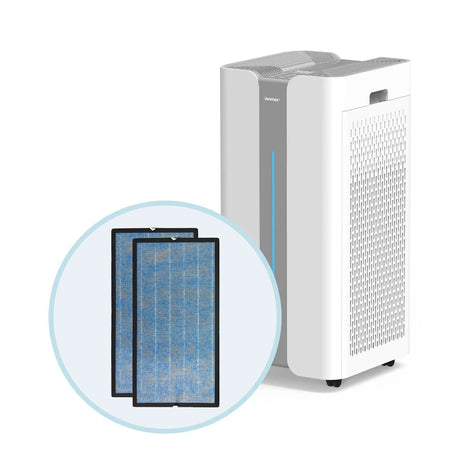
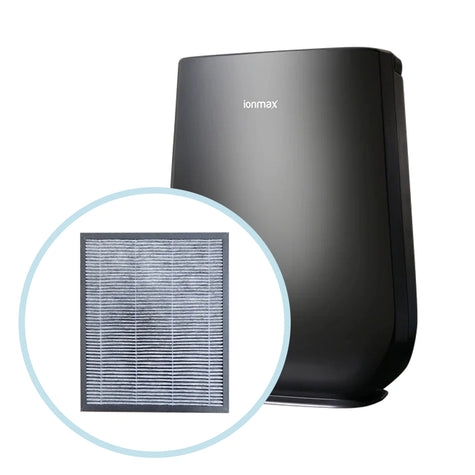
- Eliminate Traffic VOCs and Odours: With multi-stage filtration, including activated carbon layers and UV-C sterilisation technology, Ionmax air purifiers actively neutralise volatile organic compounds and airborne pathogens.
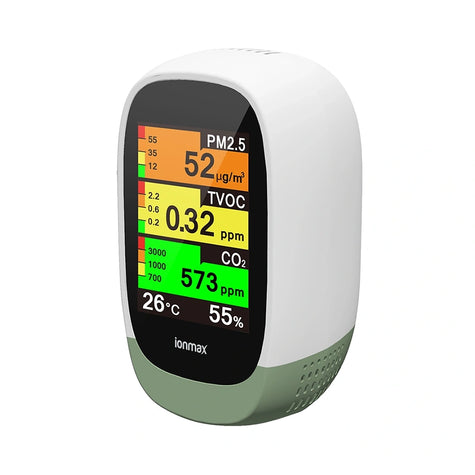
- Smart Real-Time Monitoring: Ionmax air purifiers equipped with SmartSens technology continuously monitor indoor air quality, adjusting fan speeds automatically when smoke or pollutants enter your living space.
Don't let Sydney's outdoor pollution compromise your family's health and comfort at home.
👉 Explore the Full Ionmax Air Purifier Range Today and breathe clean, pure air every day.
Talk to our team today!