

Every spring and early summer, health authorities across southern Australia issue warnings for a dangerous environmental phenomenon: Thunderstorm Asthma.
While many people associate asthma and hay fever purely with outdoor pollen counts, sudden weather changes can transform harmless grass pollen into microscopic respiratory hazards that breach your home and compromise your indoor air quality.
Understanding how thunderstorm asthma works, and how storm conditions impact indoor environments is essential for protecting your family's health during peak allergy season.
1. What is Thunderstorm Asthma?
Thunderstorm asthma occurs when high grass pollen counts combine with a specific type of weather event featuring high humidity, strong winds, and rapid updrafts.
The Pollen Rupture Mechanism
Under normal conditions, grass pollen grains are relatively large (around 35 microns} in diameter). When inhaled, these whole grains are caught in the nasal passages and throat, triggering typical hay fever symptoms like sneezing or itchy eyes.
During a thunderstorm, however, a unique biological process occurs:
- Updraft Processing: Strong updrafts draw intact grass pollen grains high into the storm's cloud base.
- Moisture Absorption: Extreme moisture and high humidity cause the pollen grains to swell and burst open.
- Pollen Fragmentation: A single ruptured pollen grain shatters into hundreds of microscopic fragments, each measuring under 2.5 microns (PM2.5).
Deep Respiratory Penetration
Because these shattered fragments are microscopic, they bypass the natural defense mechanisms of your nose and throat. When drawn into the lungs, they penetrate deep into the lower airways, triggering sudden, severe asthma attacks, even in individuals who have only ever experienced mild seasonal hay fever.
2. How Thunderstorms Affect Indoor Air Quality
It is a common myth that staying inside with windows shut during a storm guarantees total protection from allergens. Thunderstorm conditions actively alter indoor air quality in several ways:
- Outdoor Pollen Penetration: High winds preceding a cold front build up static pressure against buildings, forcing microscopic pollen fragments through tiny gaps in window frames, door seals, and building vents.
- Trapped Indoor Micro-Particles: Once inside, microscopic pollen fragments settle into carpets, curtains, and soft furnishings. Daily household movement and foot traffic continuously recirculate these fine particles back into your breathing zone.
- Humidity and Mould Spikes: The extreme humidity surge accompanying a thunderstorm creates ideal breeding conditions for indoor mould spores (Aspergillus and Penicillium). Mould releases secondary allergen spores, compounding respiratory distress.
3. Protecting Your Indoor Space During Allergy Season
To safeguard your indoor environment against thunderstorm asthma and airborne allergens, safety and health authorities recommend a proactive, multi-layered approach:
1. Monitor Local Forecasts and Pollen Alerts
Pay attention to epidemic thunderstorm asthma forecasts issued by state health departments and meteorological services during spring and early summer.
2. Seal Your Indoor Perimeter
Keep doors and windows firmly closed before, during, and immediately following a thunderstorm event. If running air conditioning, ensure it is set to recirculate indoor air rather than drawing in un-filtered outdoor air.
3. Deploy Medical-Grade H13 HEPA Air Purification
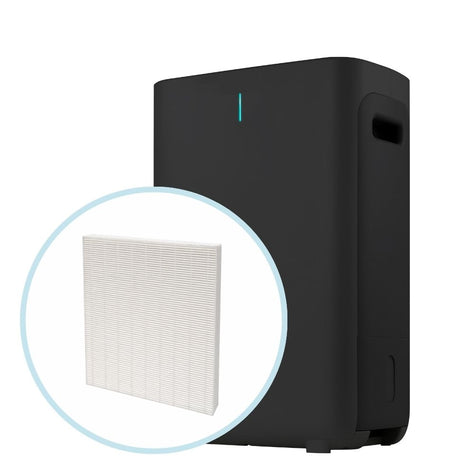
Standard dust filters cannot capture microscopic pollen fragments under 2.5 microns. Medical-grade H13 HEPA filters capture 99.95% of airborne particles down to 0.3 microns, removing ruptured grass pollen fragments, fine dust, and floating mould spores before they can be inhaled.
4. Track Indoor Particulate Spikes
Utilizing a dedicated indoor air quality monitor allows you to track real-time levels of fine particulate matter (PM2.5) inside your home, giving you immediate visibility into invisible indoor pollution spikes during weather changes.
How Ionmax Helps Protect Your Indoor Environment
Take total control over your family's respiratory health during peak pollen and storm seasons with Ionmax's complete indoor environmental management solutions:
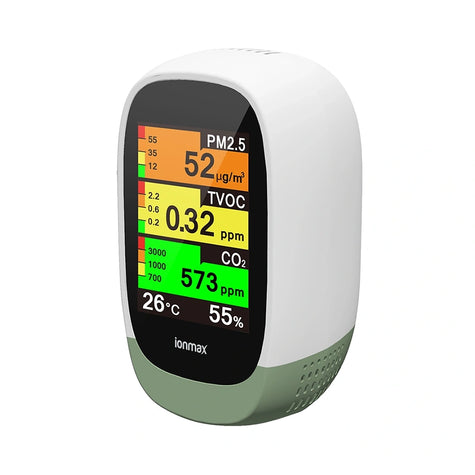
- Ionmax Q10 Air Quality Monitor: Monitor real-time indoor PM2.5 levels, TVOCs, temperature, and humidity on a clear digital screen, alerting you the moment fine pollen or dust fragments breach your living spaces.
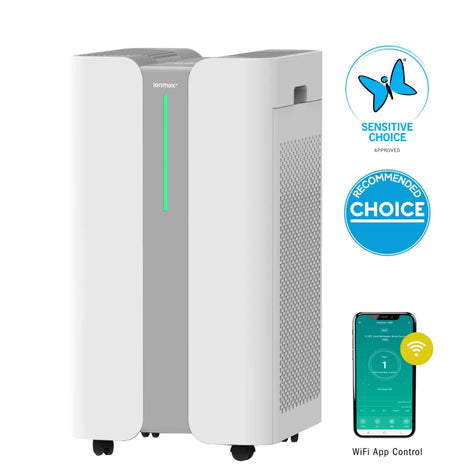
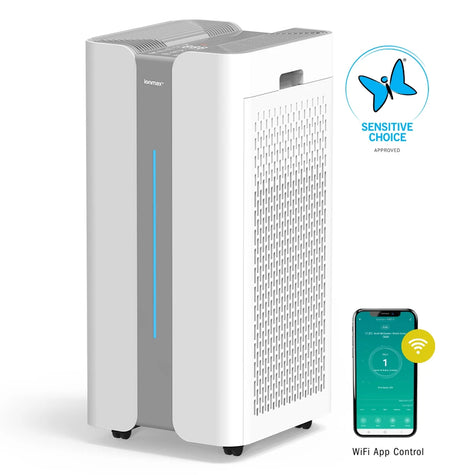
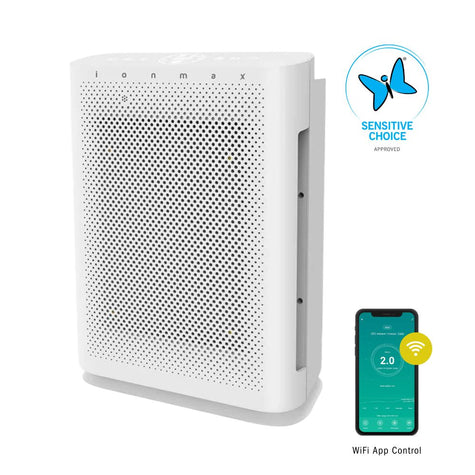
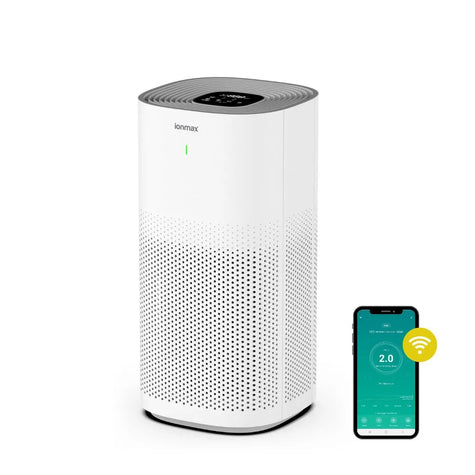
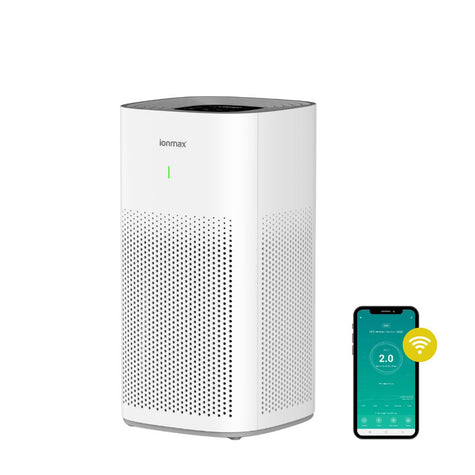
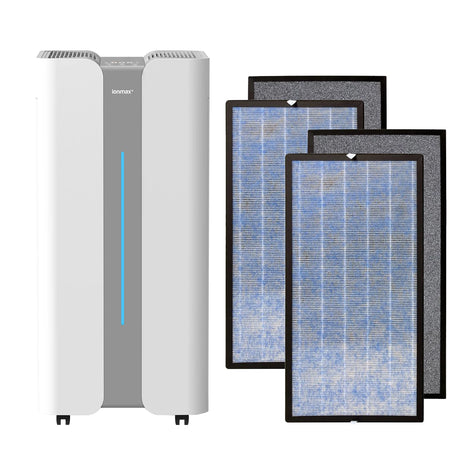
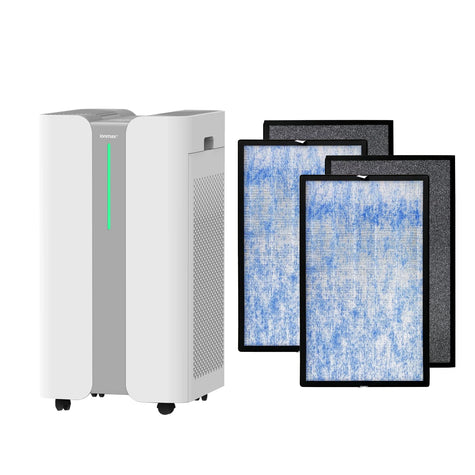
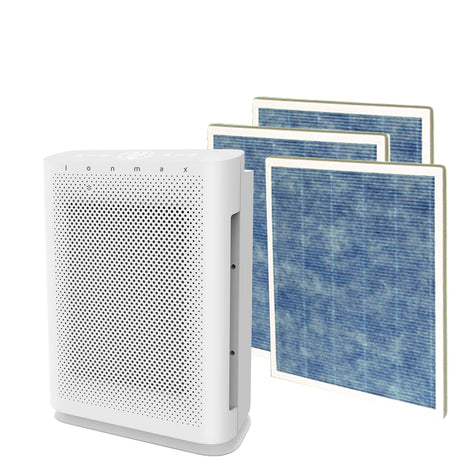
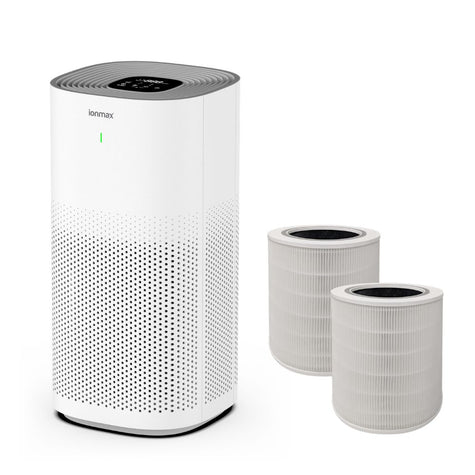
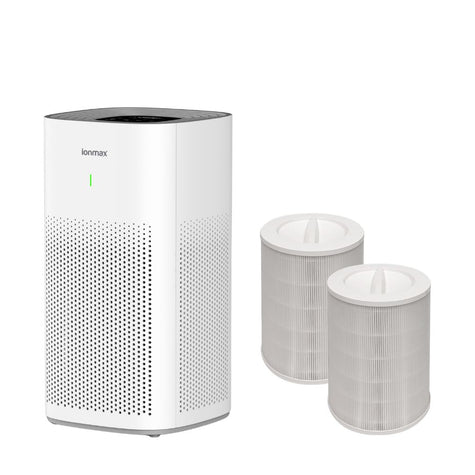
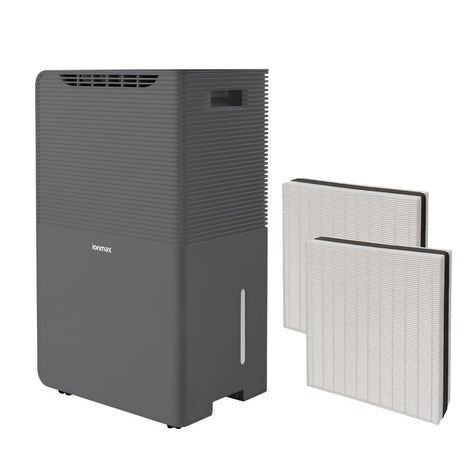
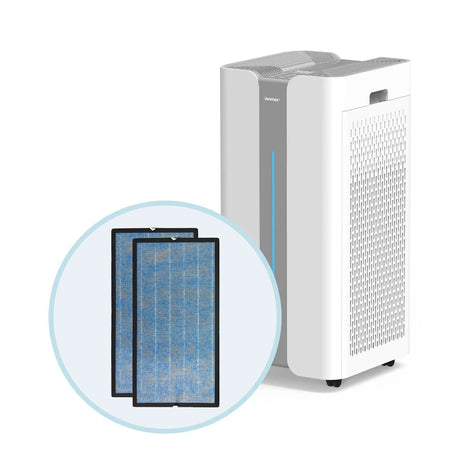
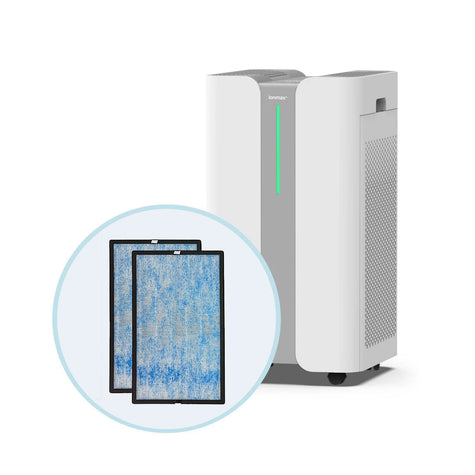
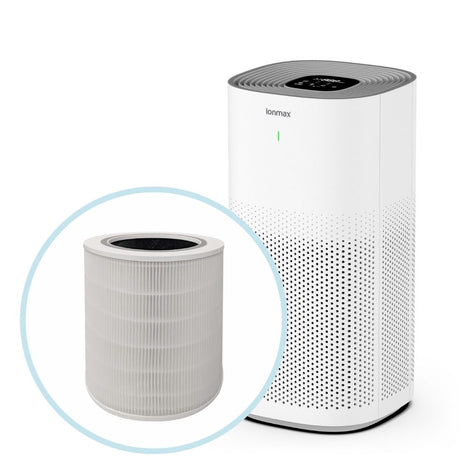
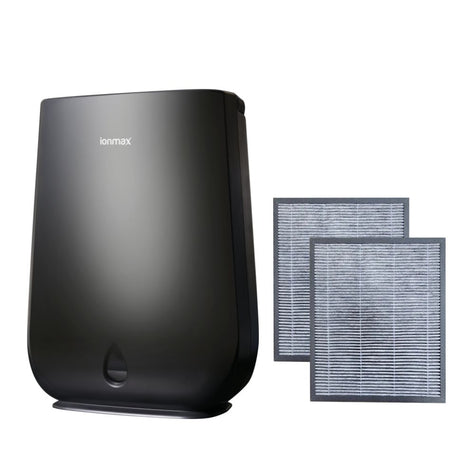
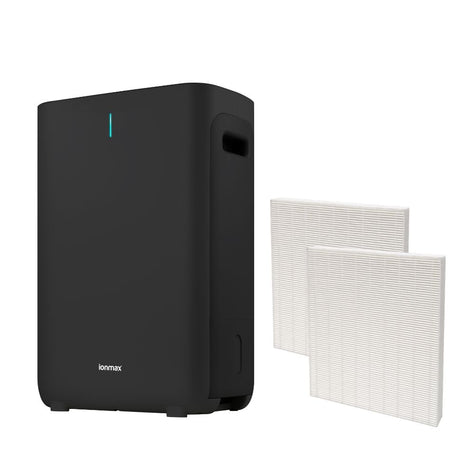
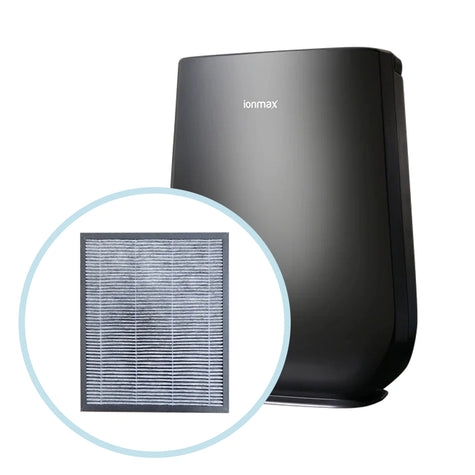
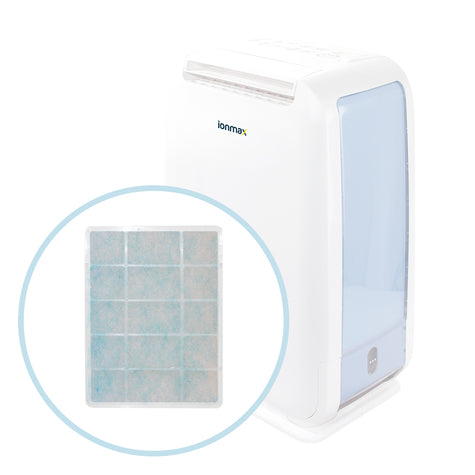
- Ionmax Lavish & Ionmax Air Purifier Range: Equipped with certified Medical-Grade H13 HEPA filtration and activated carbon layers, Ionmax air purifiers trap 99.95% of microscopic particles, scrubbing allergen-dense pollen fragments and mould spores out of your air.
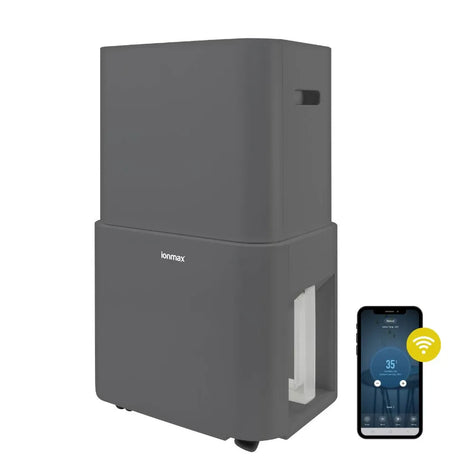
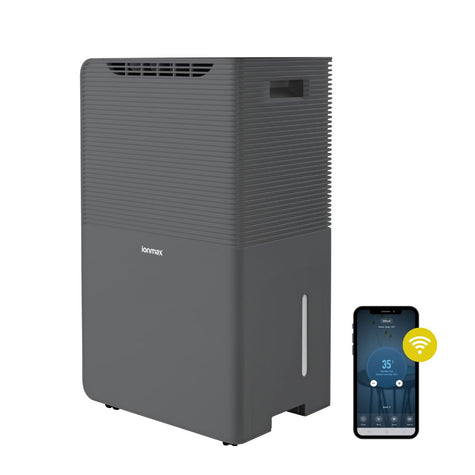
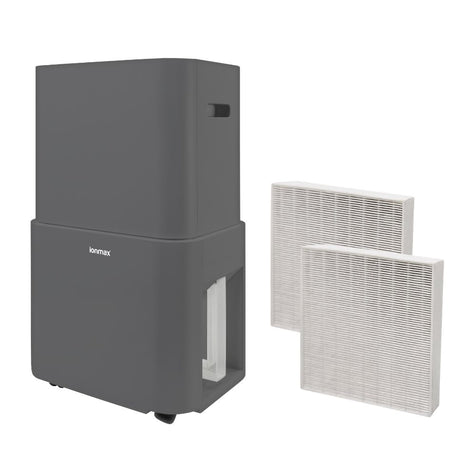
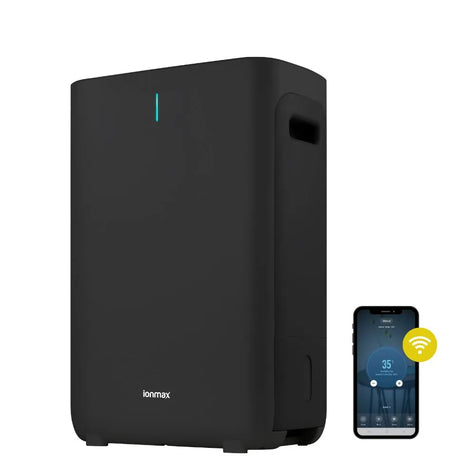
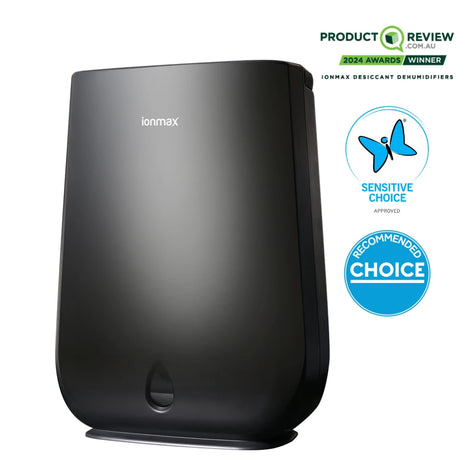
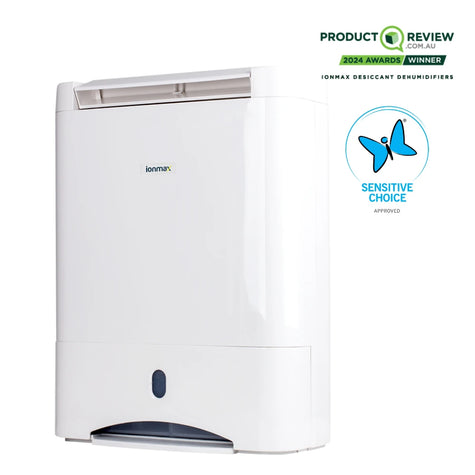
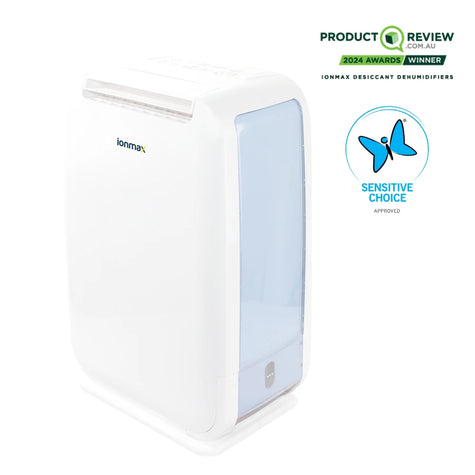
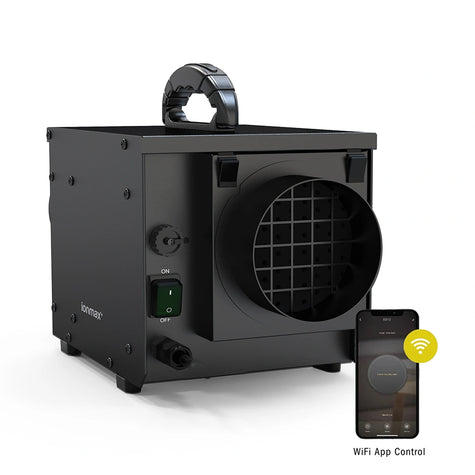
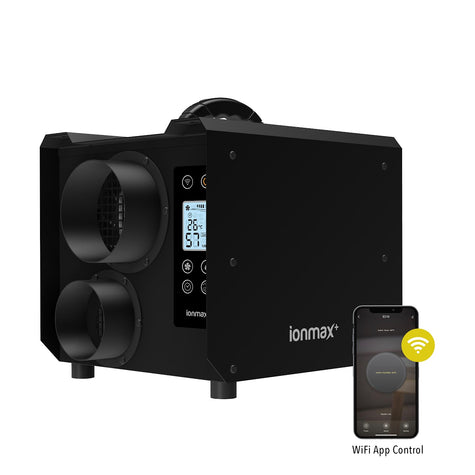
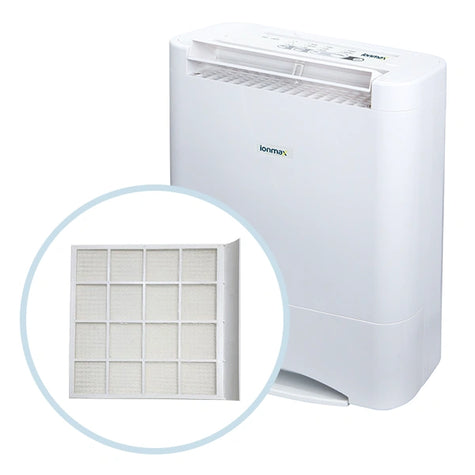
- Ionmax Desiccant Dehumidifiers: Maintain healthy indoor relative humidity levels (40% to 60%) during humid storm conditions to prevent mould germination and dust mite propagation.
Is Your Home Prepared for High Pollen and Thunderstorm Warnings?
Protect your family's respiratory health this season. Pair real-time PM2.5 monitoring with medical-grade H13 HEPA air purifiers from Ionmax to capture microscopic pollen fragments before they impact your home.
👉 Explore the Ionmax Air Quality Range Today
Sourcing & References
- Victorian Department of Health: Thunderstorm Asthma Public Health Guidance & Epidemic Warnings. (Detailing the biological breakdown of ryegrass pollen grains under thunderstorm humidity).
- National Asthma Council Australia: Thunderstorm Asthma Fact Sheet & Sensitive Respiratory Management. (Outlining trigger mechanisms, preventative steps, and high-risk demographic profiles).
- Australasian Society of Clinical Immunology and Allergy (ASCIA): Pollen Allergy & Thunderstorm Asthma Information Paper. (Documenting particle sizing below $2.5\text{ microns}$ and lower airway penetration).