
Spring brings warmer weather, blooming flora, and longer daylight hours. However, for millions of Australians living with seasonal allergic rhinitis (hay fever) or asthma, it also triggers a massive spike in microscopic airborne pollen.
A common assumption is that stepping inside and shutting the door creates an impenetrable barrier against outdoor triggers. Unfortunately, indoor environments often trap high concentrations of grass, weed, and tree pollen.
Understanding how seasonal allergens infiltrate your living space, and adopting targeted prevention strategies is essential for maintaining clean indoor air all season long.
4 Common Routes Pollen Takes into Your Home
Microscopic pollen grains range from 5 to 40 microns in size. Because they are lightweight and airborne, they exploit everyday household entry points:
1. Clothing, Hair, and Pets
Pollen grains feature jagged, sticky microscopic surfaces designed to cling to plant surfaces, clothing fibers, human hair, and pet fur. When you walk inside after an outdoor activity or let pets in from the yard, those trapped allergens shake loose directly onto carpets, sofas, and bedsheets.
2. Natural Ventilation (Open Windows and Doors)
Opening windows to let in fresh spring air creates a direct path for airborne pollen. On dry, windy days, convection currents carry dense clouds of grass and tree pollen directly through flyscreens into living spaces.
3. HVAC and Split Systems
Standard air conditioners circulate air within a room but rarely feature dense enough filtration to capture ultra-fine biological particulates. Without specialized filtration, split systems simply keep pollen particles suspended in the air longer.
4. Soft Furnishings as "Allergen Reservoirs"
Curtains, fabric lounge suites, rugs, and bedding act as passive traps. Every time someone sits on a couch or steps onto a rug, trapped pollen particles are launched back into the breathing zone.
Practical Steps to Reduce Indoor Pollen Concentrations
Minimizing spring triggers requires combining everyday habit changes with active environmental control:
- Establish an Entryway "Transition Zone": Implement a shoes-off policy inside the front door. Change out of outdoor clothes immediately after coming home, and wipe down pet coats with a damp microfibre cloth.
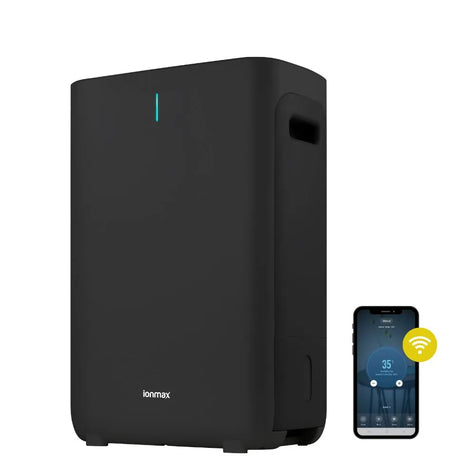
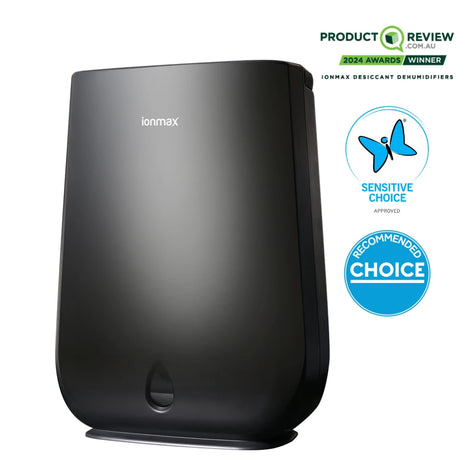
- Avoid Outdoor Line Drying: Damp laundry hanging outside acts as a magnet for airborne pollens. Dry clothes and bedsheets indoors, ideally utilizing a desiccant dehumidifier setup to prevent excess indoor humidity.
- Time Window Openings Strategically: Pollen counts generally peak in the early morning and late afternoon, as well as during windy pre-thunderstorm conditions. Keep windows securely shut during these peak hours.
- Damp Dust and Vacuum Frequently: Using dry dusters simply disperses settled pollen back into the air. Wipe hard surfaces down with a damp cloth, and vacuum using a unit fitted with HEPA filtration.
Active Air Management: Why True HEPA Filtration Matters
While surface cleaning removes settled debris, fine pollen grains can remain airborne in quiet indoor environments for hours. This is where continuous indoor air purification becomes crucial.

A High-Efficiency Particulate Air (HEPA) filter rated at H13 standard traps up to 99.97% of airborne particles down to 0.3 microns. Because plant pollens are significantly larger (5 to 40 microns), medical-grade HEPA filters capture them efficiently before they settle onto furniture or enter your respiratory system.
Dedicated air purifiers cycle the total volume of air in a room multiple times per hour, trapping pollen, dust mite allergens, mould spores, and pet dander.
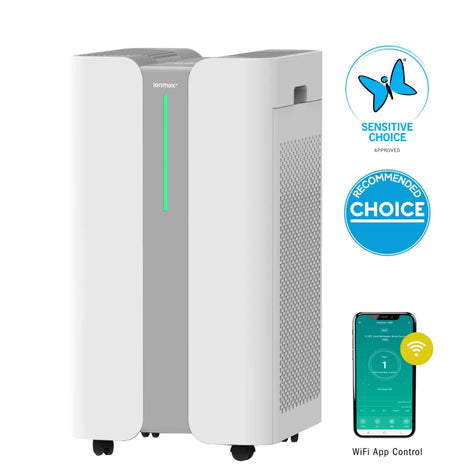
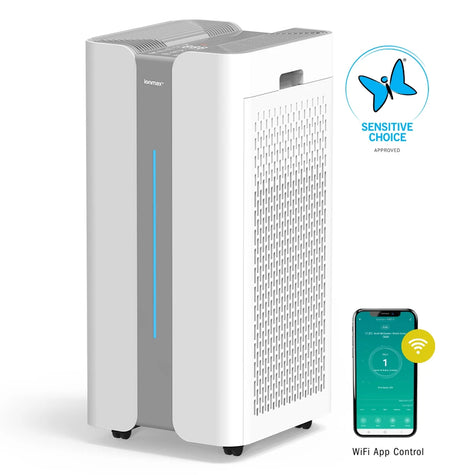
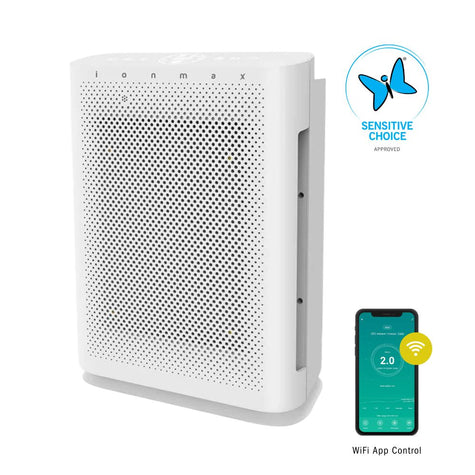
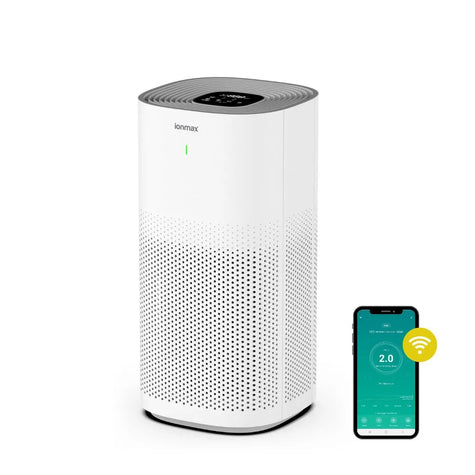
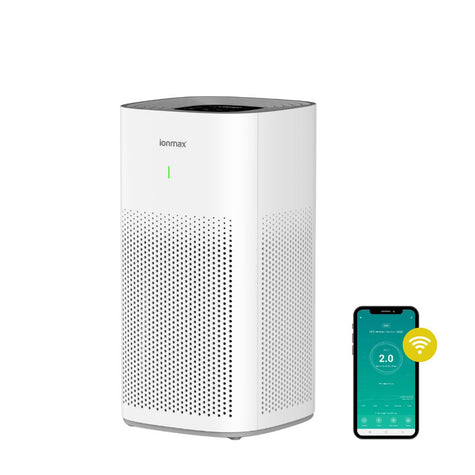
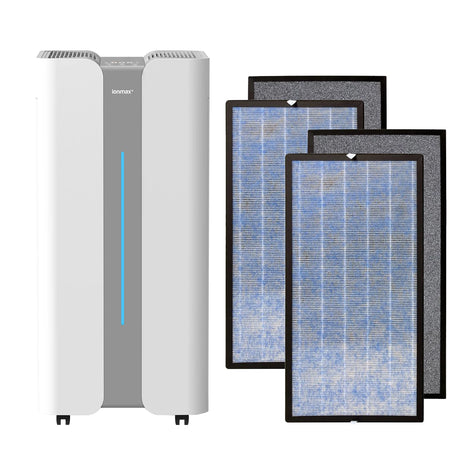
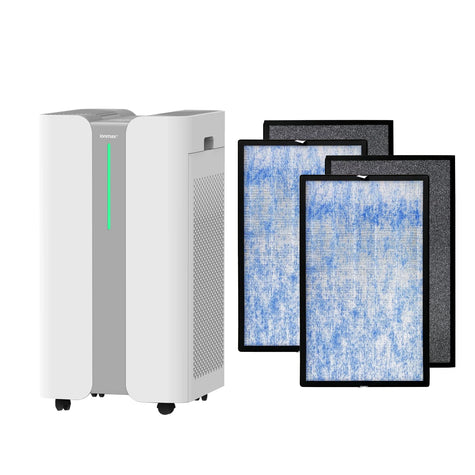
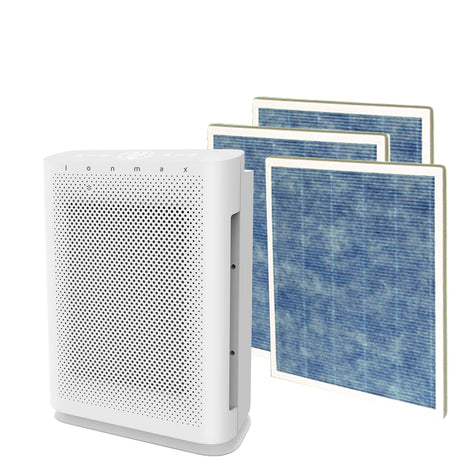
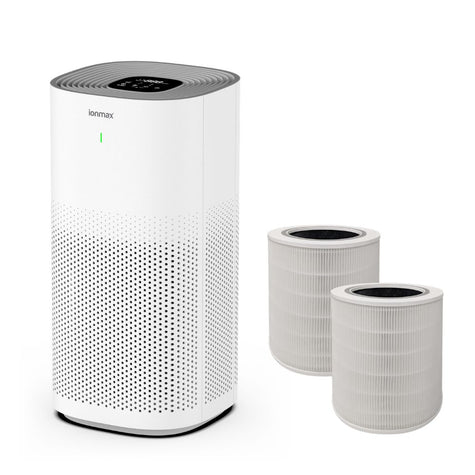
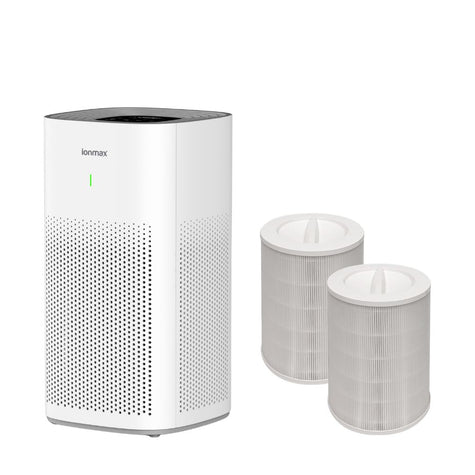
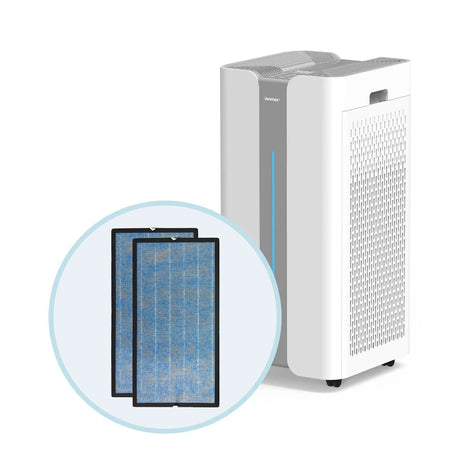
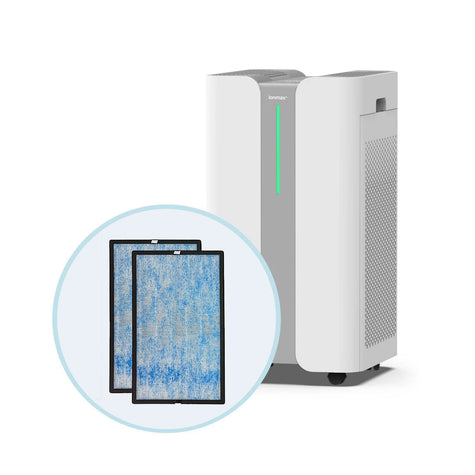
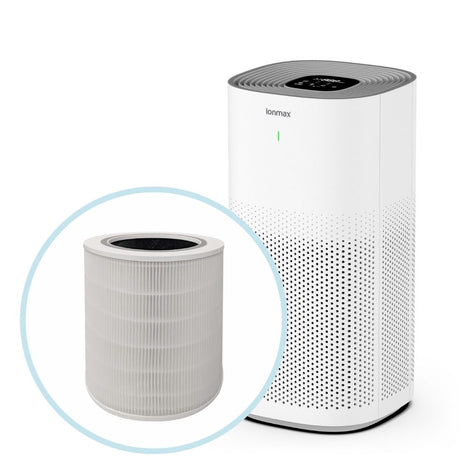
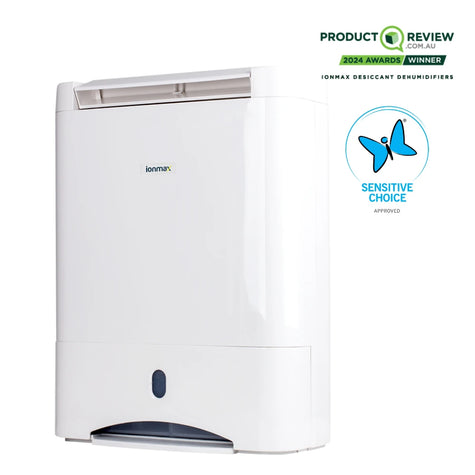
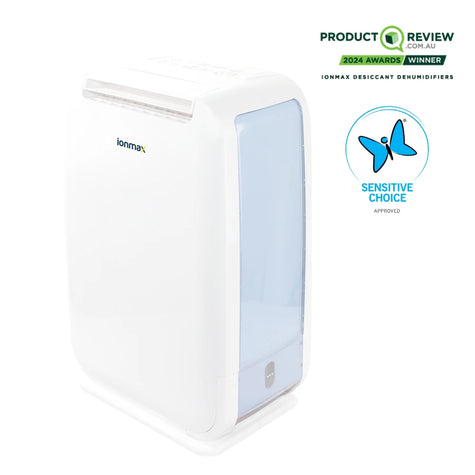
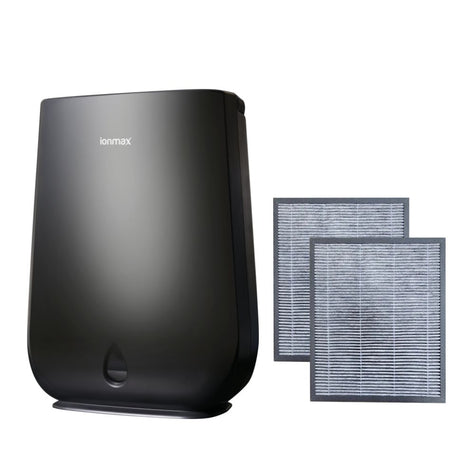
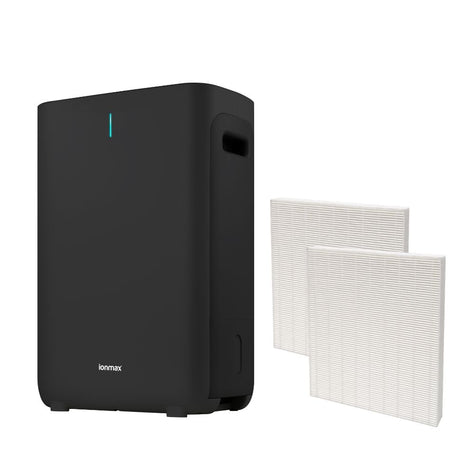
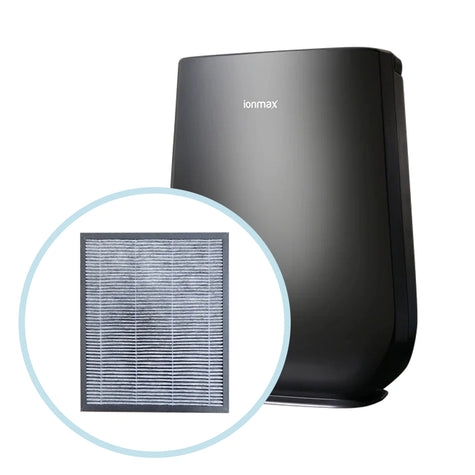
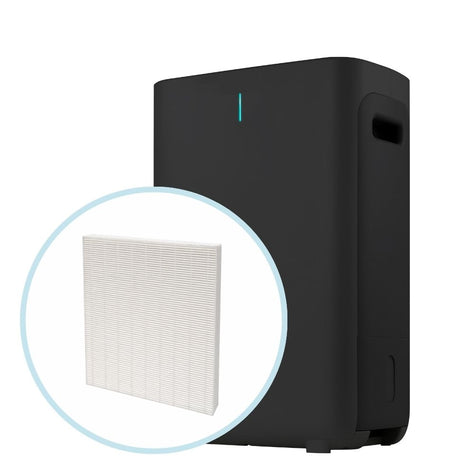
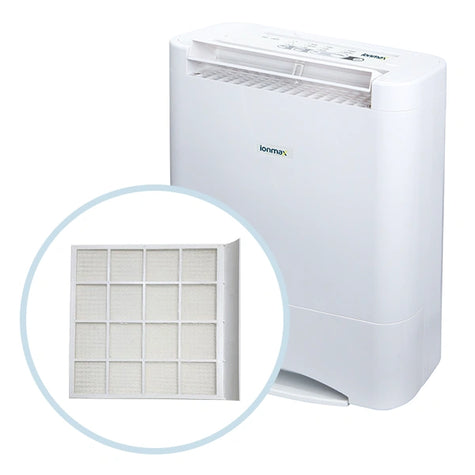
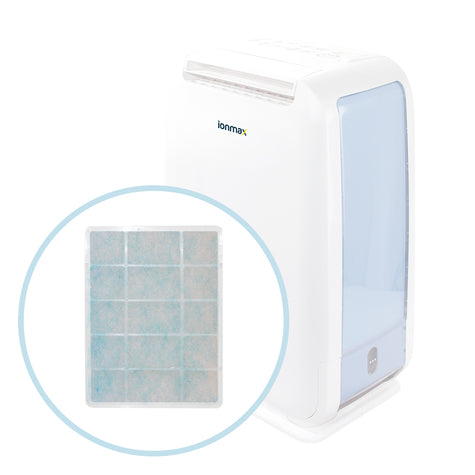
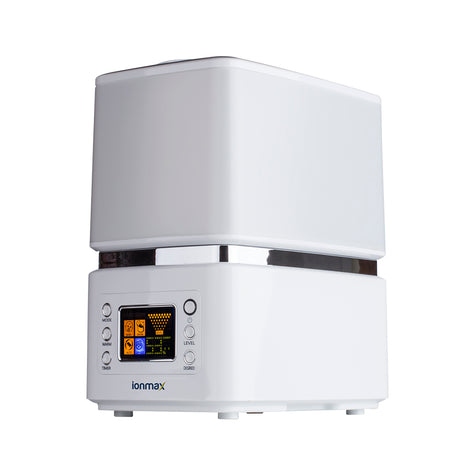
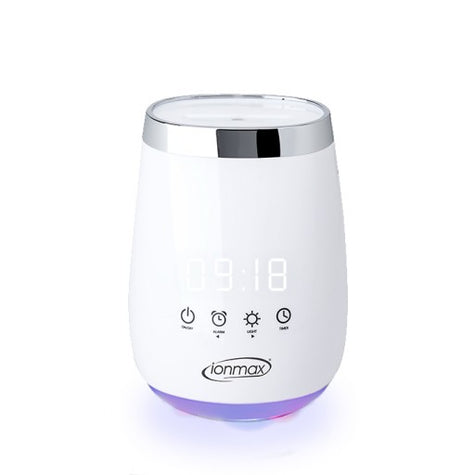
Explore Sensitive Choice Approved Filtration: To help eliminate spring triggers from your bedroom or living space, explore the range of Sensitive Choice® approved Ionmax Air Purifiers. Engineered with multi-stage HEPA and activated carbon filtration, Ionmax systems silently filter airborne particulates to support a healthier indoor environment.
Take Control of Your Indoor Air Quality This Spring
Creating a refuge from spring hay fever doesn't mean staying locked away until summer. By implementing a transition routine at your front door, managing household ventilation, and deploying certified medical-grade HEPA purification, you can significantly lower allergen exposure inside your home.
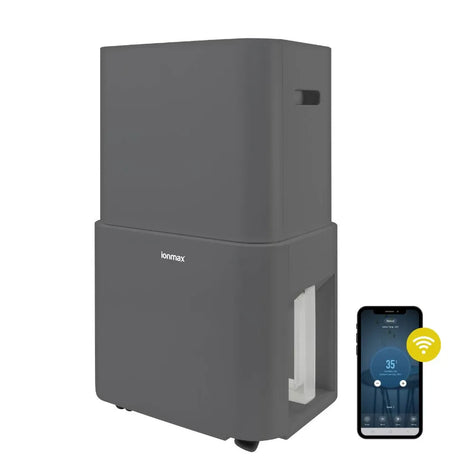
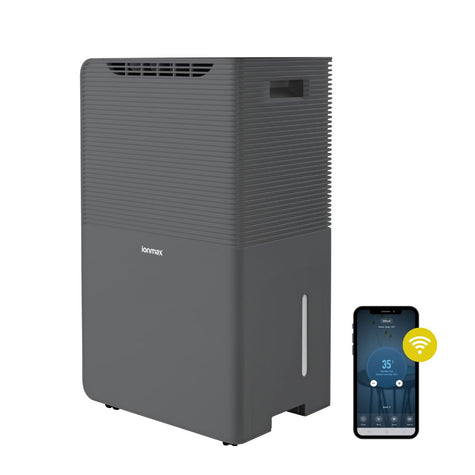
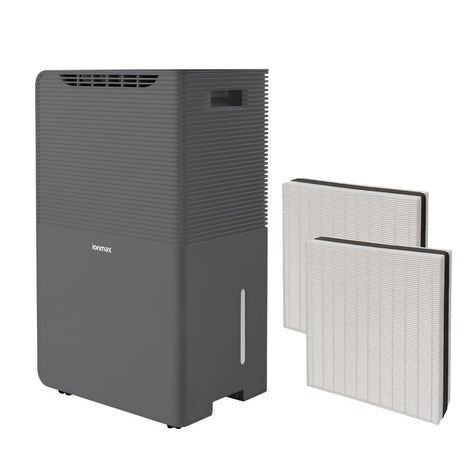
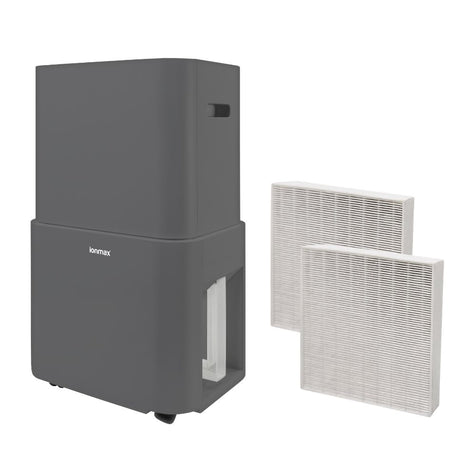
👉 Protect your home from the spring surge. Browse the full collection of Ionmax Air Purifiers and Dehumidifiers today.
Sourcing & Health Standards References
- National Asthma Council Australia (Sensitive Choice): Factsheet for Asthma & Air Purifiers. Guidance on medical-grade H13 HEPA specifications, particulate sizes, and allergen reduction strategies. sensitivechoice.com
- Better Health Channel (Victorian Department of Health): Pollen Allergies & Hay Fever Management Guide. Infiltration routes, daily pollen forecasting advice, and practical home hygiene steps. betterhealth.vic.gov.au
- Australasian Society of Clinical Immunology and Allergy (ASCIA): Pollen Allergy & Environmental Control Manual. Particle size metrics and cross-reactivity frameworks for seasonal allergic rhinitis. allergy.org.au