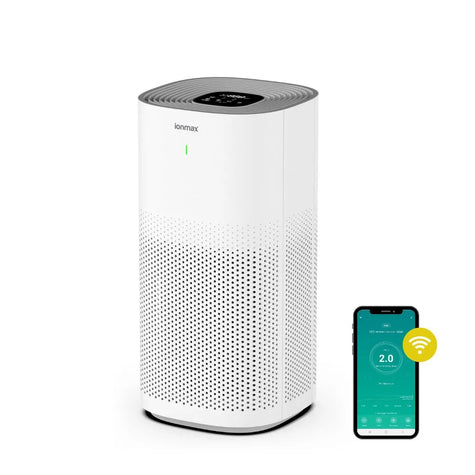
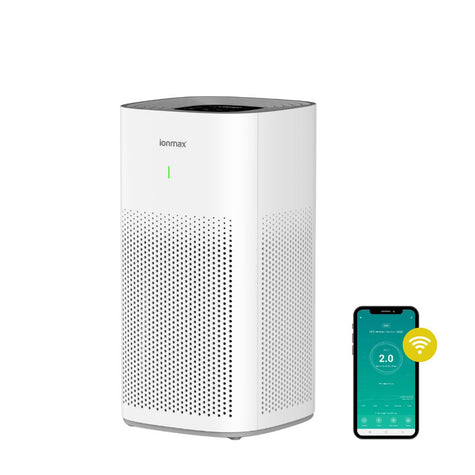
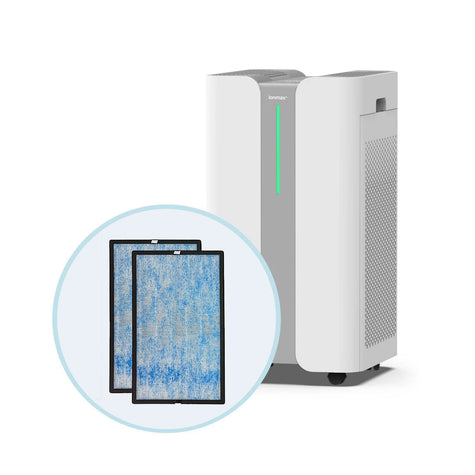
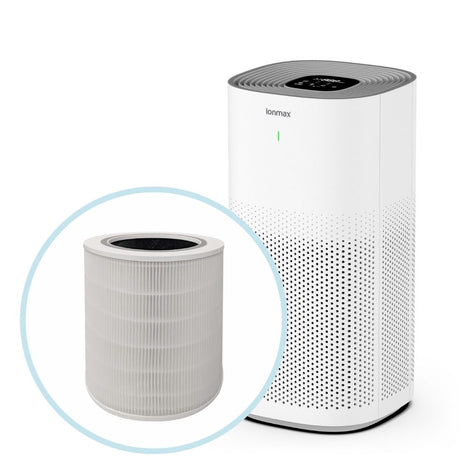

Does an air purifier help with pollen?
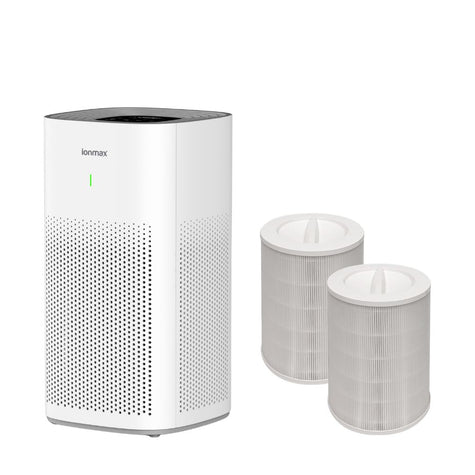
Yes. a HEPA air purifier can capture airborne pollen as indoor air passes through its filter. How much difference it makes in your home depends on the filter, the purifier's airflow, the size of the room and how you use it.
It's also only one part of the picture. Keeping pollen out in the first place does a lot of the work.
How pollen ends up indoors
Pollen is light and carried on the wind, so it doesn't stay outside. It drifts in through open windows and doors, and it's carried in on clothing, hair, bags and pets. Once inside, the finest particles can stay in the air for a while before settling on floors, bedding and furniture, where movement can stir them up again.
Read more: How airborne pollen sneaks indoors
How an air purifier captures pollen
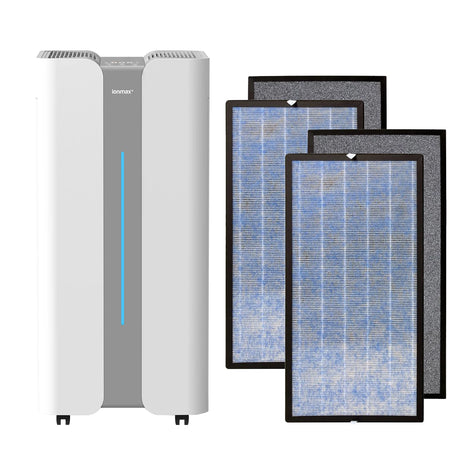
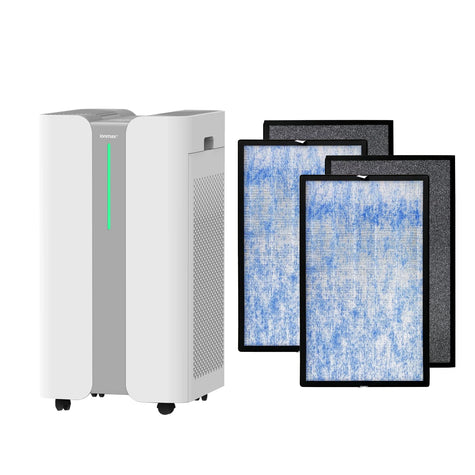
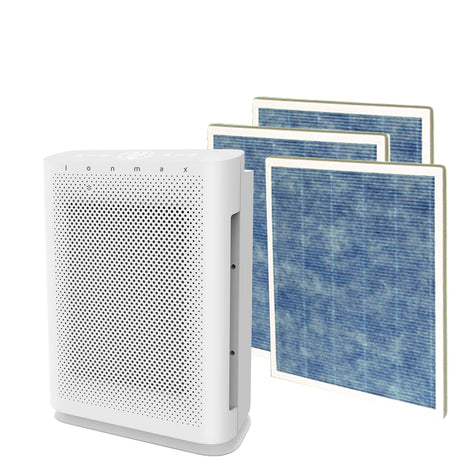
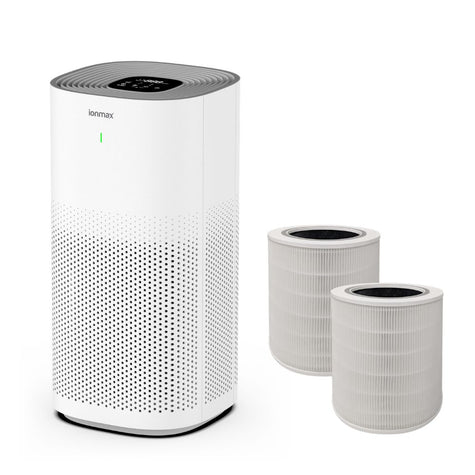
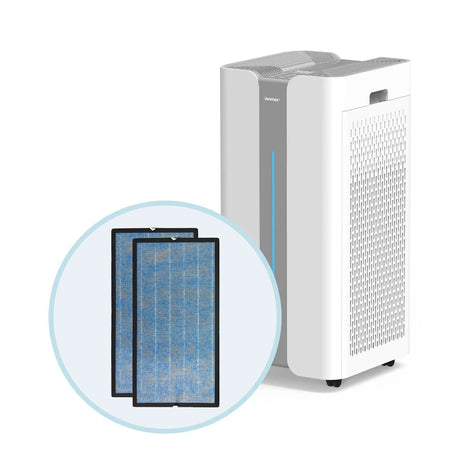
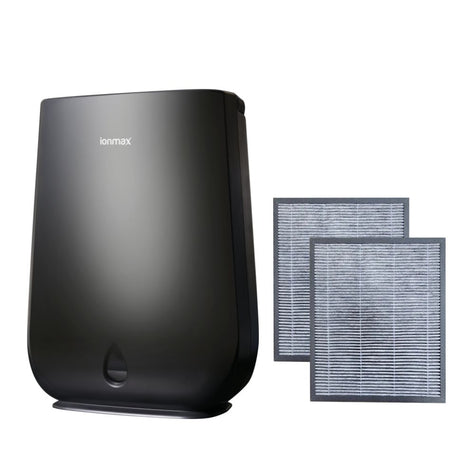
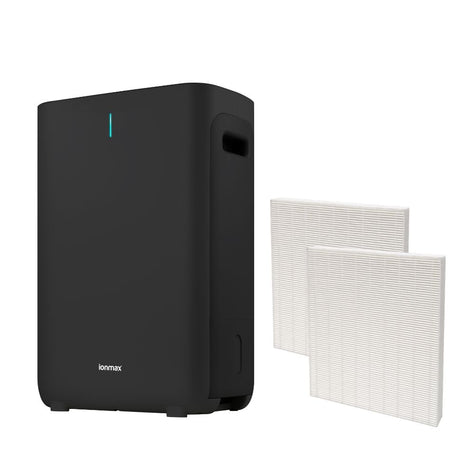
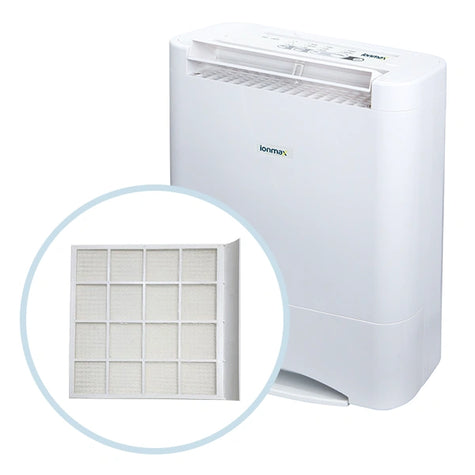
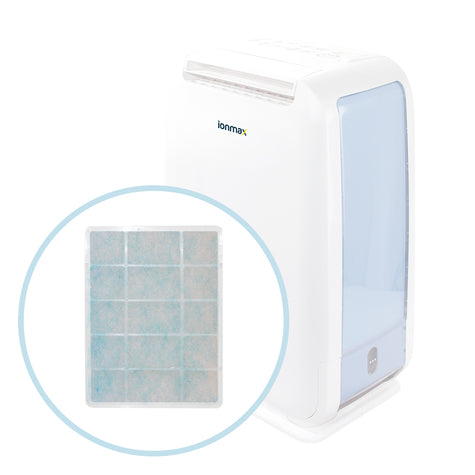
A purifier's fan draws room air through a filter stack, then returns the filtered air to the room. A HEPA filter is a dense mesh of fibres designed to capture very small airborne particles. Pollen grains are generally larger than the particles HEPA filters are tested against, so they're captured as air passes through.
The key phrase is passes through. A purifier can only filter the air it moves, which is why sizing and placement matter.
Five things that decide how well it works
- Filtration. Look for a true HEPA filter rather than a "HEPA-type" or "HEPA-style" one.
- Airflow (CADR). Clean Air Delivery Rate tells you how much filtered air the purifier delivers. Higher CADR cleans a room's air more often.
- Room size. Match the purifier to the room. An undersized unit in a large open-plan space won't keep up.
- Position. Leave space around the unit so air can flow in and out freely, and follow the manufacturer's placement guidance.
- Usage. A purifier works while it's running. Keep windows closed while it operates on high-pollen days.
Where to use one during pollen season
Start with the bedroom. It's where you spend the longest continuous stretch of time, so it's the most useful place to focus. Then consider the living area where the family spends the evening.
What an air purifier won't do
An air purifier doesn't remove pollen that has already settled on surfaces, and it can't stop pollen coming in through an open window. It is not a treatment for hay fever or asthma. Pair it with the basics: check your local forecast, keep windows closed on high-pollen days, change clothes after time outdoors and wash bedding regularly.
Choosing an air purifier for pollen
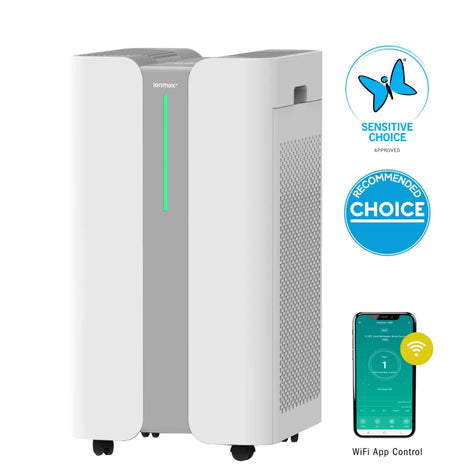
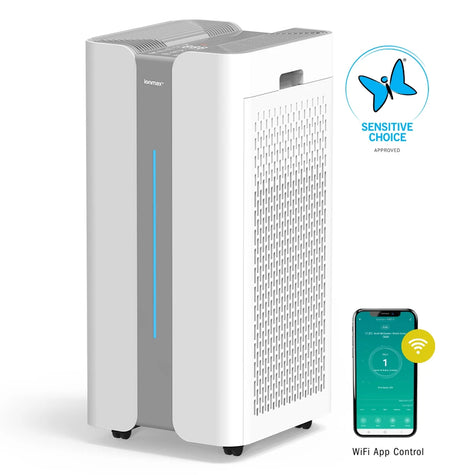
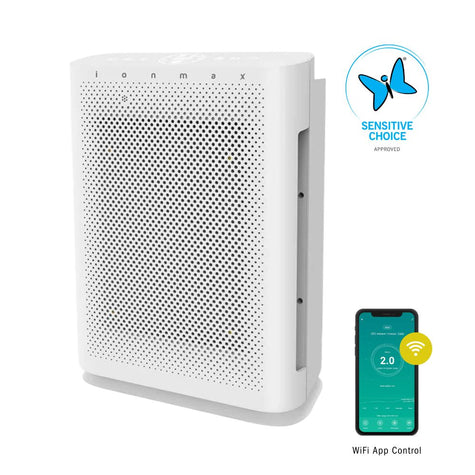
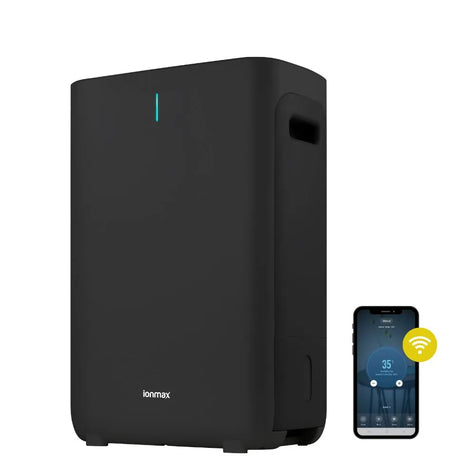
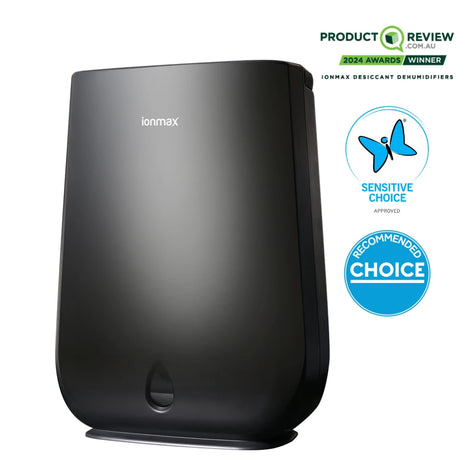
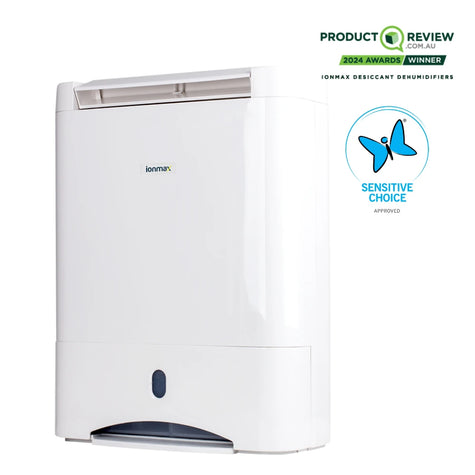
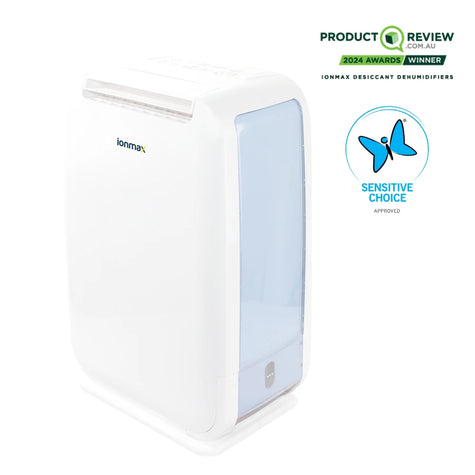
Focus on HEPA filtration, a CADR suited to your room, and features you'll use, such as a quiet night mode. For allergy-conscious households, selected Ionmax air purifiers are approved under the National Asthma Council Australia's Sensitive Choice® program.
Choosing an air purifier for allergies →
Australian Pollen & Hay Fever Guide → ·
Compare Ionmax air purifiers →
Air purification is one part of managing your indoor environment, not a treatment for hay fever or asthma. If symptoms are persistent or severe, speak with your doctor or pharmacist.