
If you’ve noticed condensation pooling on your windows each morning, a musty smell creeping into the wardrobe, or laundry that just won’t dry, you’re not imagining it... and you’re definitely not alone.
Every winter, thousands of Australian households battle excess indoor humidity. It’s easy to blame the weather, but the real culprit is usually much closer to home: moisture that gets trapped indoors with nowhere to go.
The good news? Excess humidity is a problem you can actually solve once you understand what’s driving it.
What Causes Winter Dampness in Australian Homes?
Dampness isn’t caused by a single issue, it’s typically a combination of everyday factors working together:
- Cold Windows and Walls: When warm, moisture-laden indoor air meets a freezing window pane or external wall, that water vapour condenses into liquid droplets. This creates the fogged-up glass and wet sills so many Australians wake up to on chilly mornings.
- Warm Indoor Air Holding Moisture: As homes are heated to stay comfortable, the warmer air holds significantly more water vapour than cold outdoor air. That extra moisture has to settle somewhere... usually on the coldest surfaces in the room.
- Poor Ventilation: To keep winter heating bills down, most of us keep doors and windows firmly shut. While great for trapping heat, it also traps humid air inside with zero airflow.
- Everyday Living Activities: A surprising amount of moisture comes from simply living in a home:
-
- Cooking: Releases steam directly into the kitchen.
- Hot Showers: Fills bathrooms with dense water vapour.
- Drying Laundry Indoors: Adds litres of water straight back into your living spaces.
- Breathing: Humans and pets release moisture continuously with every breath.
On their own, none of these seem like much. Combined over a cold, closed-up winter, they add up to a genuinely damp home environment.
5 Warning Signs Your Home Has Too Much Moisture
Not sure if excess humidity is impacting your house? Check for these common warning signs:
| Warning Sign | What It Means |
| 1. Wet Windows | Persistent condensation dripping onto window sills every morning. |
| 2. Mould & Mildew | Small black spots forming on bathroom grout, ceilings, or around window frames. |
| 3. Stagnant Laundry | Clothes that stay damp or smell musty long after being hung out inside. |
| 4. Musty Odours | A stale, earthy smell lingering in wardrobes, cupboards, or unused rooms. |
| 5. Respiratory Flare-ups | Worsening morning sniffles, coughing, or irritated eyes while indoors. |
If even one or two of these sound familiar, your home is likely holding more moisture than it should.
Why Opening Windows Isn’t Always Enough
The instinctive fix for a stuffy, damp room is to throw open a window. In an Australian winter, however, that’s not always practical or effective:
- Massive Heat Loss: Opening windows lets valuable heat straight out, undoing the work your heater is doing and pushing energy bills through the roof.
- Security Risks: Leaving windows open overnight or while at work introduces genuine safety concerns.
- Wet Weather Contradiction: During heavy rain or high outdoor humidity, opening windows actually brings more moisture inside.
Proper ventilation matters, but relying on open windows alone forces you to choose between a damp home and a cold, expensive one.
The Smarter Solution: Removing Moisture at the Source
Rather than trying to air the moisture out, the most effective approach is to extract it directly from the indoor air before it can settle on your walls, windows, or soft furnishings.
This is where desiccant dehumidifier technology excels.
Unlike traditional compressor-style dehumidifiers which drop in efficiency as ambient temperatures fall, desiccant technology uses a moisture-absorbing wheel that performs consistently and powerfully, even in cold winter environments.
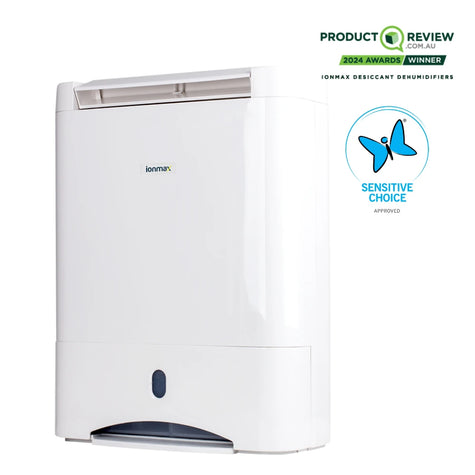
The All-in-One Winter Upgrade: Ionmax Venta 8L
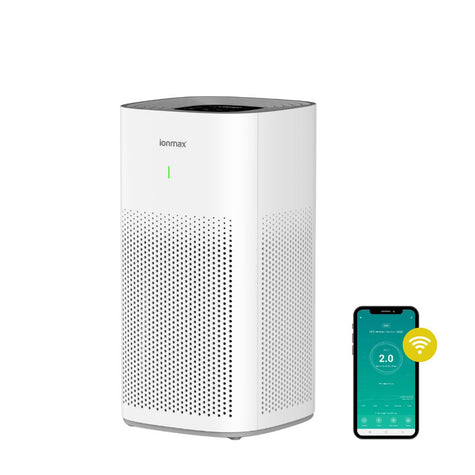
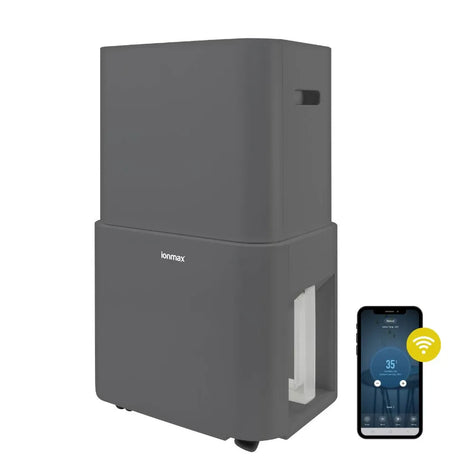
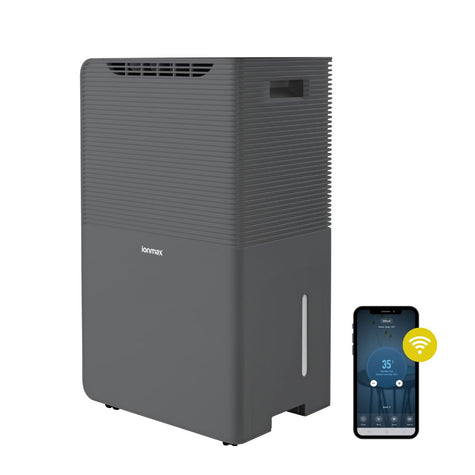
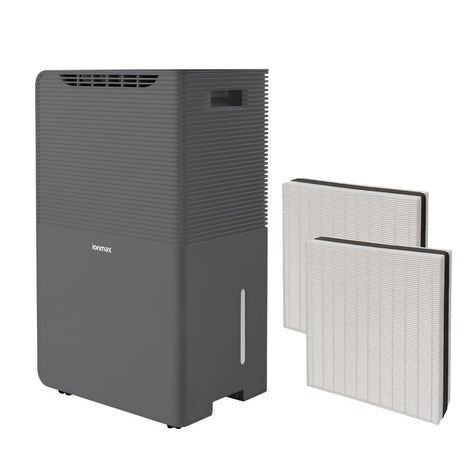
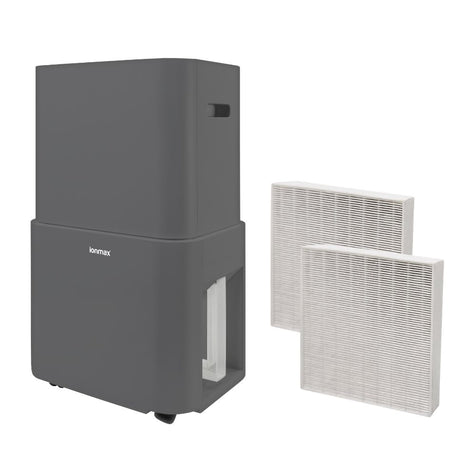
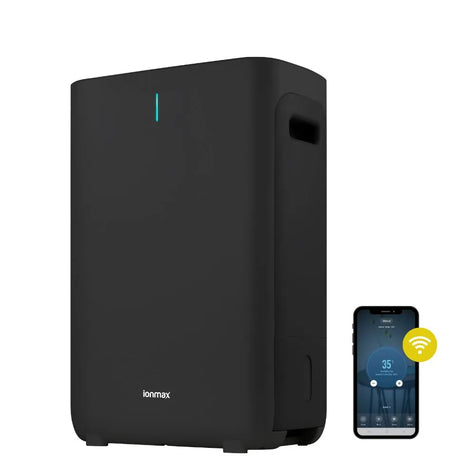
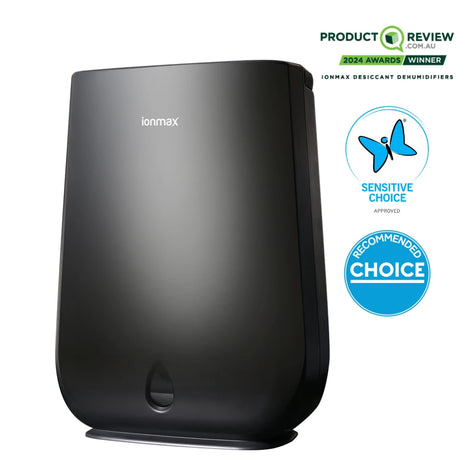
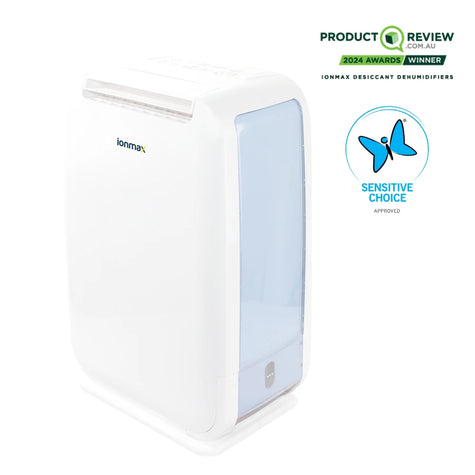
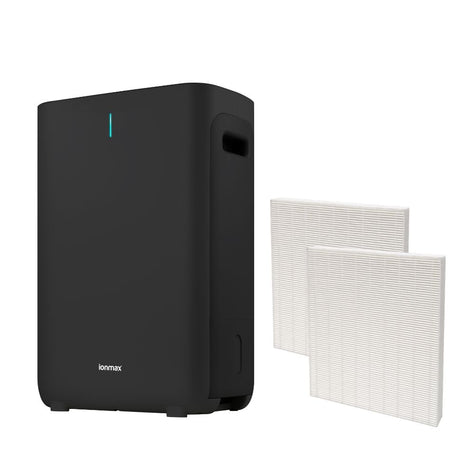
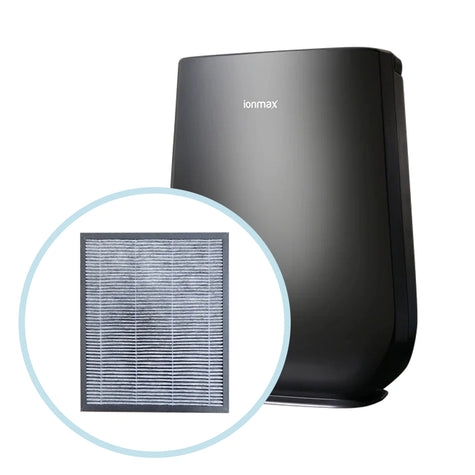
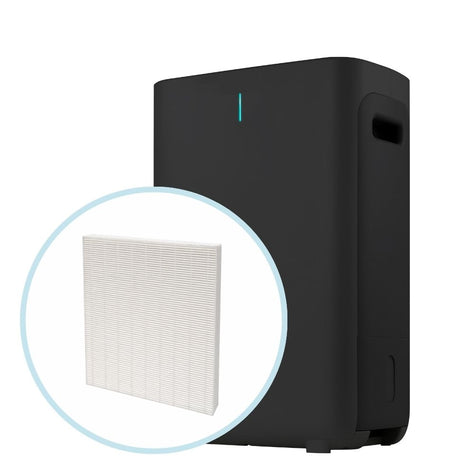
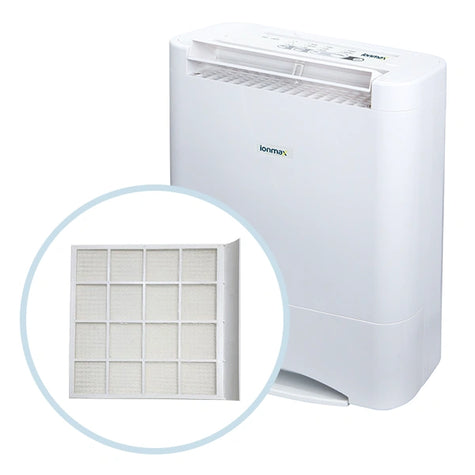
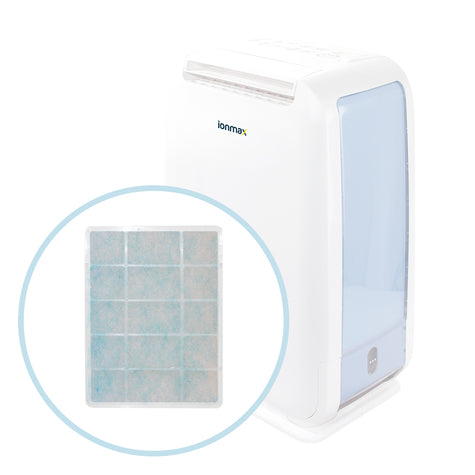
For households dealing with stubborn condensation, mould risks, or laundry that won’t dry, the Ionmax Venta 8L Desiccant Dehumidifier is built specifically for Australian winter conditions:
- 🌧️ Cold-Weather Performance: Desiccant technology ensures high moisture extraction rates even in cold rooms.
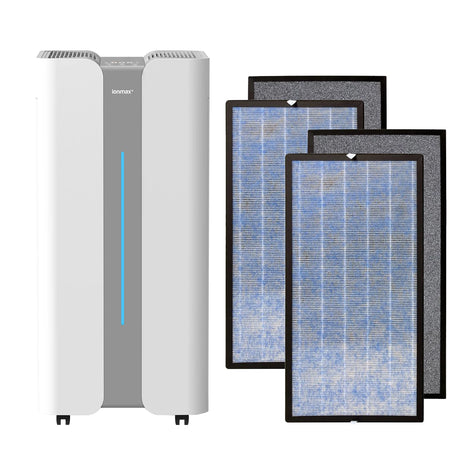
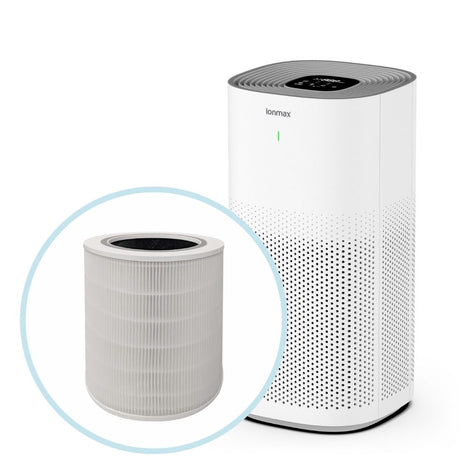
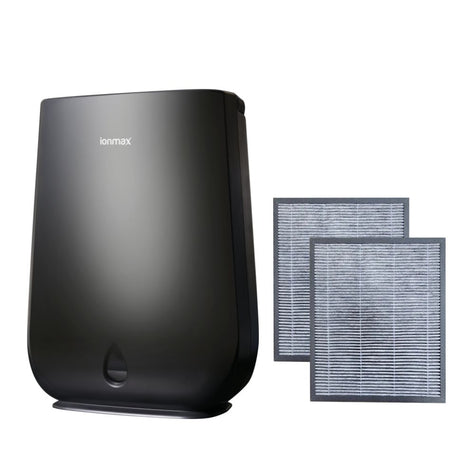
- 🛡️ Medical-Grade Filtration: Integrated H13 HEPA air purification scrubs floating mould spores, dust, and allergens while controlling humidity.
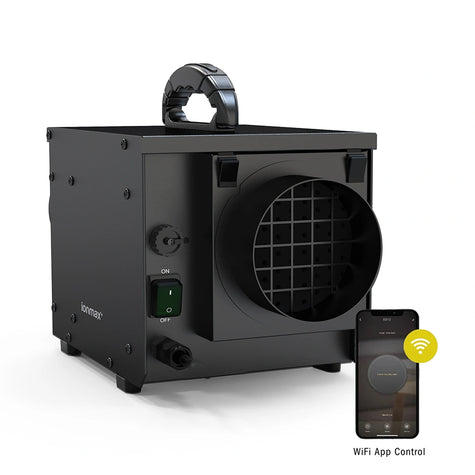
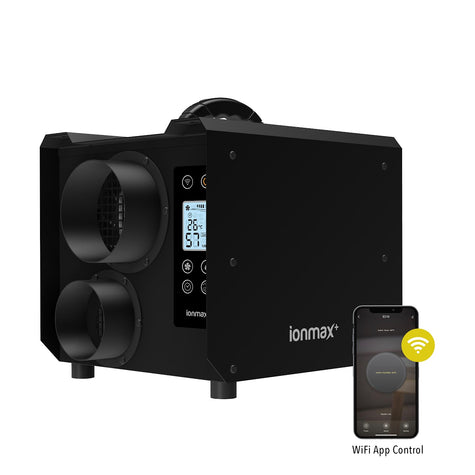
- 📱 Smart Wi-Fi Control: Monitor and adjust your home's humidity levels right from your smartphone.
Stop shivering through a damp home or risking mould growth on your property. Take control of your indoor climate and enjoy a drier, warmer, and healthier living space all winter long.
References & Sourcing
- Healthdirect Australia: Mould and Health Risk Factors. (Details the direct link between indoor dampness, mould spore production, and respiratory triggers).
- CSIRO & Australian Building Codes Board (ABCB): Condensation in Buildings Handbook. (Explains the thermodynamic causes of indoor surface condensation and ventilation challenges in Australian residential building design).