When homeowners think of foundation damage, they usually picture sudden natural disasters, earthquakes, severe floods, or massive sinkholes. But one of the most dangerous threats to a home's structural footings is far quieter: excessive ambient humidity.
Unchecked moisture in your basement, subfloor, or crawl space doesn't just breed mould on walls; it actively undermines the concrete, timber, and steel supporting your entire house.
Here is a breakdown of how high indoor humidity compromises your foundation over time, and how targeted humidity control protects your property value for the long haul.
1. Soil Expansion and Shrinking (Reactive Clay Movement)
In many parts of Australia, homes sit on reactive clay soils that expand significantly when wet and contract as they dry out.
- The Problem: High humidity in unventilated subfloors or basements traps damp air against ground soil. This keeps soil unnaturally saturated in some spots while others dry out, creating uneven ground movement beneath concrete slabs and piers (differential settlement). Over time, this shifting causes diagonal cracks in brickwork, jammed doors, and fractured footings.
- The Solution: Maintaining a stable relative humidity (RH) level between 45% and 55% prevents subfloor air from constantly saturating the surrounding earth, stabilizing soil moisture around footings.
2. Dry Rot and Fungal Decay in Subfloor Timbers
Your home’s foundation relies heavily on timber structural members—bearers, joists, and stumps—resting on concrete or brick footings.
- The Problem: Wood-decaying fungi (the cause of wet and dry rot) thrive whenever relative humidity consistently exceeds 60–70%. As timber beams decay, they lose their load-bearing capacity. Sags in floor joists transfer uneven, pinpoint weight loads onto foundation piers, cracking concrete footings under unbalanced pressure.
- The Solution: Suppressing subfloor humidity halts fungal spore activation, ensuring structural beams retain their original load-bearing integrity.
3. Concrete Spalling and Efflorescence
Concrete is a porous material that absorbs water through capillary action (rising damp).
- The Problem: When humid air constantly sits against basement walls or footings, water travels through the concrete matrix, dissolving natural mineral salts inside. As water evaporates at the surface, these salts crystallize (efflorescence). Over time, salt crystallization exerts internal pressure, causing the concrete surface to flake, crumble, and weaken (spalling).
- The Solution: Controlling moisture in the air stops the vapor pressure gradient that drives water deep into concrete walls, preserving the concrete's density.
4. Rebar Corrosion and "Concrete Cancer"
Concrete footings and poured basement walls are reinforced internally with heavy steel rebar for tensile strength.
- The Problem: High humidity combined with oxygen causes embedded steel rebar to rust. As steel corrodes, it expands up to six times its original volume. This intense internal expansion fractures concrete from the inside out—a structural breakdown known as spalling or "concrete cancer."
- The Solution: Keeping relative humidity below 50% drastically slows down the chemical rate of metal oxidation, ensuring rebar remains securely bonded within concrete.
Stabilise Your Foundation with Ionmax Dehumidifiers
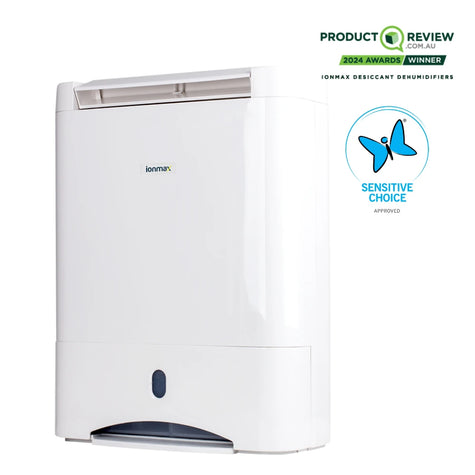
Stopping foundation decay requires active moisture removal engineered for high-volume or low-temperature environments. Ionmax provides Australian-designed, Sensitive Choice-approved dehumidifiers tailored to protect every area of your home:

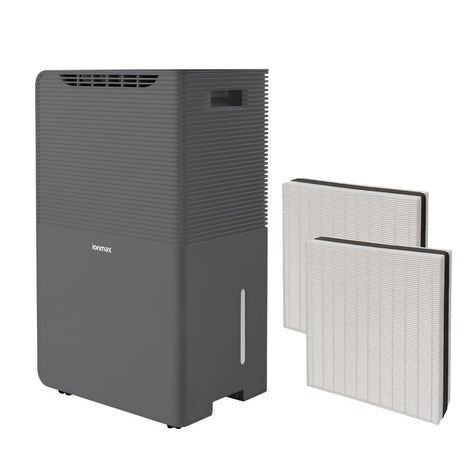
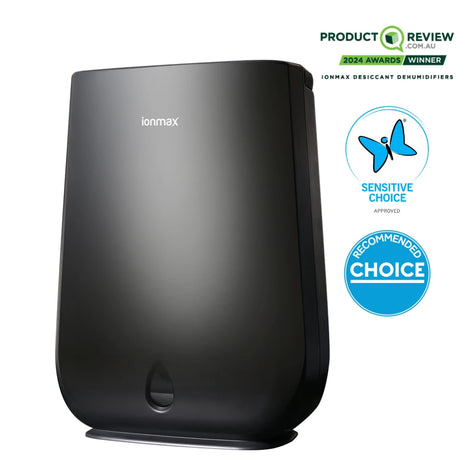
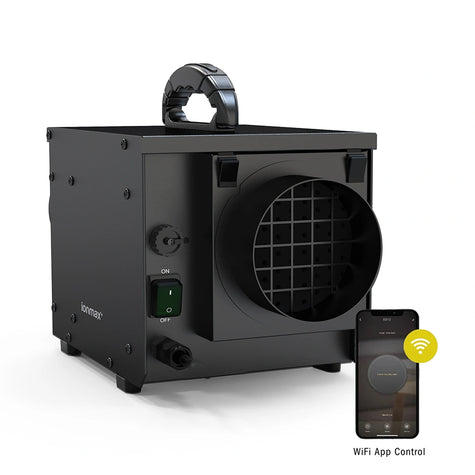
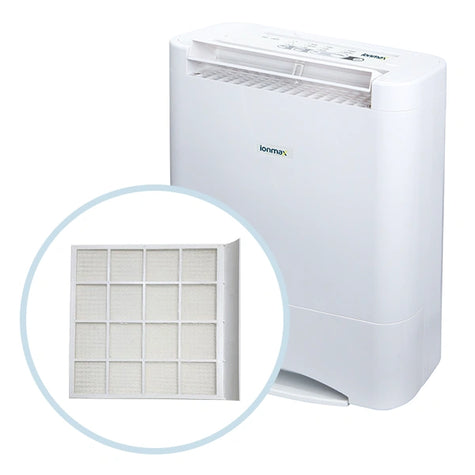
1. For Subfloors & Crawl Spaces: Ionmax+ ED12 Industrial Dehumidifier
- Heavy-Duty Desiccant Power: Desiccant technology operates effectively down to -15°C, making it ideal for cold, unheated subfloor spaces where compressor models struggle.
- Ducting & Continuous Drainage: Features built-in duct connectors to push dry air into tight subfloors and continuous drainage options so you never have to empty a water tank manually.

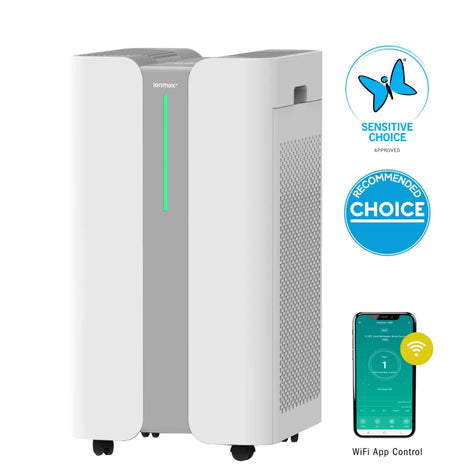
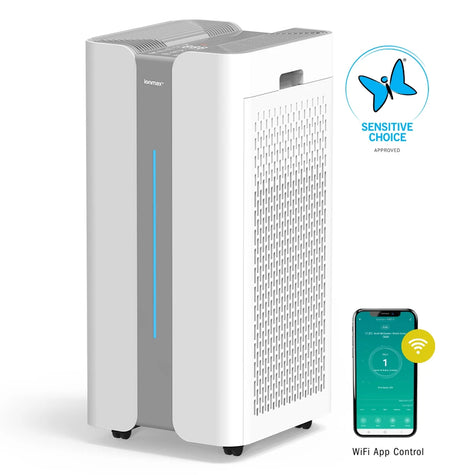
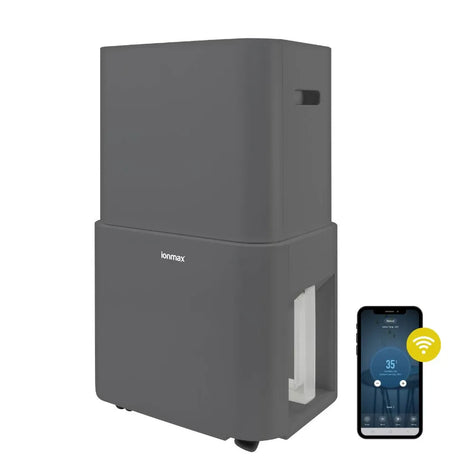
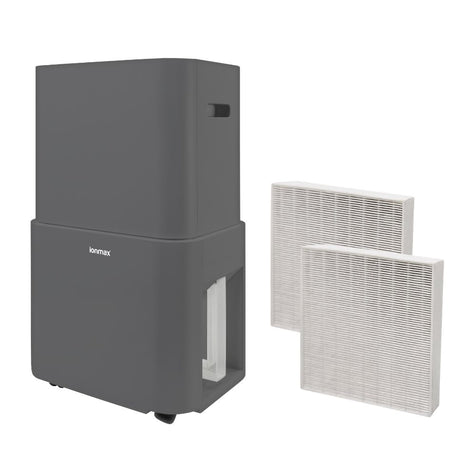
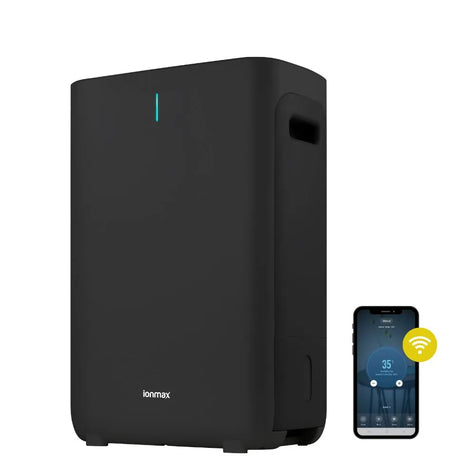
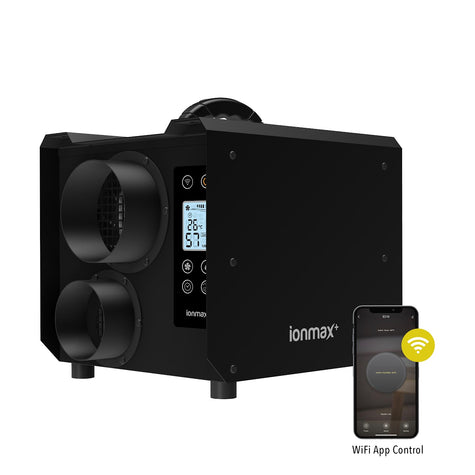
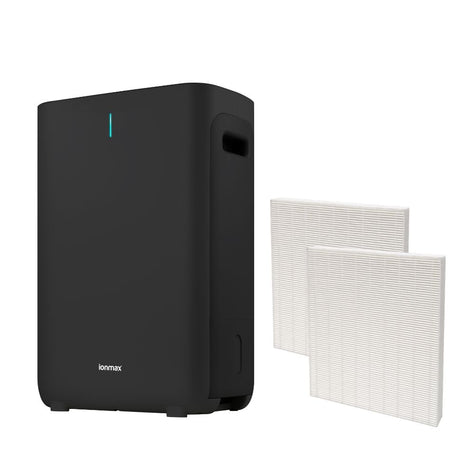
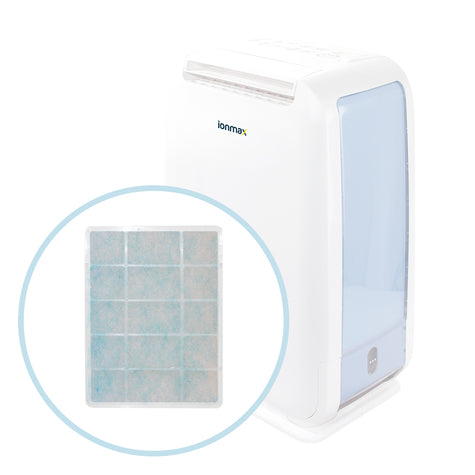
2. For Basements & Large Living Areas: Ionmax Rhine Pro 50L Smart Dehumidifier
- Massive Extraction: Removes up to 50 litres of moisture per day from large, damp subterranean spaces (up to 120 m²).
- 2-in-1 Protection: Combines heavy-duty moisture extraction with an H13 HEPA air purifier to eliminate damp odours and airborne mould spores simultaneously.

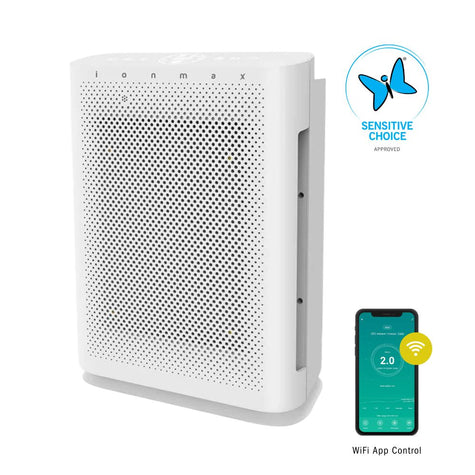
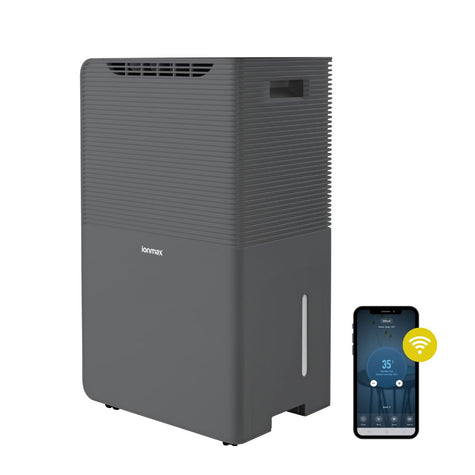
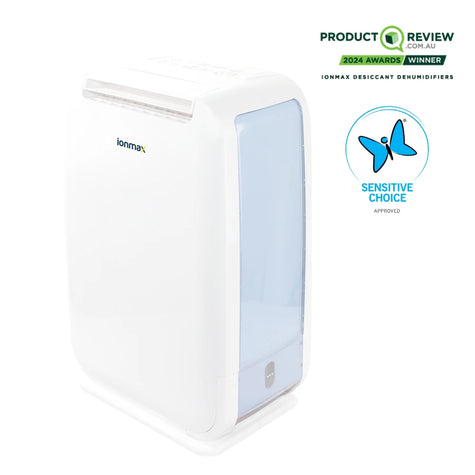
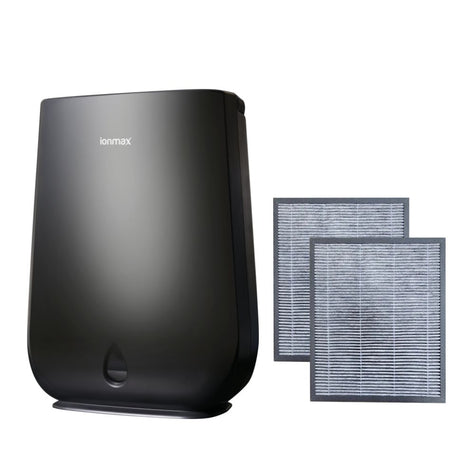
3. For Medium Home Living Spaces: Ionmax Leone Pro 25L Dehumidifier
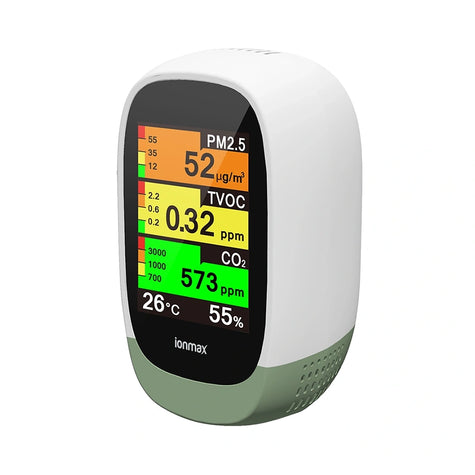
- Smart Air Monitoring: Automatically tracks ambient moisture levels with built-in Wi-Fi controls and PM2.5 air quality indicators, maintaining target humidity automatically.

Take Control of Your Home’s Structural Health
Don't wait for cracks in your drywall or bouncy subfloors to tell you there's a moisture issue beneath your home.
Protect Your Investment Today
Explore the complete range of Australian Standards-compliant dehumidifiers at ionmax.com.au, or speak with an Ionmax moisture control specialist to find the exact model for your home's square footage.
Sources & References
- Housing Industry Association (HIA) Australia: Managing Subfloor Moisture and Ventilation Guidelines.
- CSIRO Building Research: Foundation Maintenance and Footing Performance: Homeowner’s Guide.
- Ionmax Australia Technical Specifications: Desiccant vs. Compressor Moisture Extraction Performance Data.
Talk to our team today!