
Most Aussies don’t realise that humidity is one of the biggest silent influencers of indoor comfort, health, and even the longevity of your home. We tend to focus on temperature — how hot or cold the house feels — but humidity determines how your body responds to the air, how allergens behave, and whether mould or dust mites can survive.
Experts, including Sensitive Choice, recommend keeping your indoor humidity between 30–50% RH to maintain a healthy home. But here’s the thing: not all parts of that range offer the same level of comfort or protection.
Research and real-world household behaviour show that 40–50% RH is the “Goldilocks zone” — the range where your home feels the most comfortable and your air stays the safest.
This guide breaks down why.
What is relative humidity (RH)?
Relative humidity describes how much moisture is in the air relative to the maximum amount the air can hold at that temperature. Warm air holds more moisture; cooler air holds less.
That’s why:
- Summer often feels muggy — warm air is packed with moisture
- Winter heating dries the indoor air — cool air + artificial heat = low RH
Understanding RH helps you anticipate how your indoor air will behave and how to control it.
Sensitive Choice recommends 30–50% RH
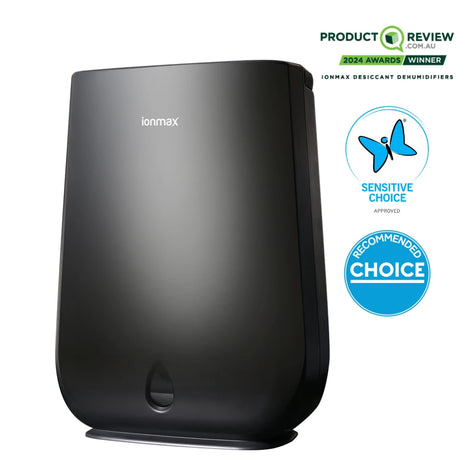
The Sensitive Choice program — known for supporting asthma-friendly and allergy-aware products — advises keeping indoor humidity between 30 and 50 per cent. This range helps reduce dust mites, limit mould growth, and support easier breathing.
However, while 30–50% covers the full safe zone, it doesn’t account for comfort, environmental conditions, or the ideal balance needed for most Australian homes.
That’s where the 40–50% sweet spot comes in.
Why 40–50% is the ideal humidity zone for your home
Below 40% RH — The air gets too dry
Anything under 40% starts to create problems:
- Dry throat, irritated nose, and itchy eyes
- Aggravation of asthma and respiratory sensitivity
- Higher virus survival due to dry airways
- Static shocks (the annoying kind that jump out of nowhere)
- Damage to timber, instruments, and furniture
Dry air is uncomfortable for your body and bad for your belongings.
40–50% RH — The Goldilocks Zone
Here’s why this range is ideal:
- Breathing comfort: Airways stay moist, reducing irritation.
- Allergen control: Dust mites struggle to survive below 50% RH.
- Mould prevention: Growth becomes highly restricted at 40–50% RH.
- Better sleep: Air feels lighter and more comfortable.
- Home protection: Materials stay stable; no swelling or cracking.
Sensitive Choice defines 30–50% as healthy, but the 40–50% range offers the best balance of respiratory comfort and allergen suppression — especially in Australia’s humid summers and dry winters.
A study by MIT showed that keeping indoor humidity levels at a sweet spot may reduce the spread of COVID-19, along with other viruses.
Above 50% RH — Allergens thrive
Once your indoor humidity climbs above 50%:
- Dust mite populations increase
- Mould spores activate and spread
- Musty odours develop
- Condensation can lead to wall and ceiling damage
This is the danger zone that most coastal and modern sealed homes fall into during summer.
Why Australians need to monitor humidity year-round
Australia swings between extremes:
- Summer: Warm, humid air → mould and dust mite risk
- Winter: Heating dries air → respiratory irritation
- Coastal homes: High humidity even at night
- Modern airtight homes: Trap moisture indoors
Staying within the 40–50% RH zone means adjusting your approach seasonally — and watching how your home naturally behaves.
How to maintain the ideal 40–50% humidity range
Use smart natural ventilation
- Create cross-breezes when outdoor air is cooler or dryer.
- Air out bathrooms and kitchens after use.
- Open windows strategically (mornings/evenings, not peak humidity).
Reduce moisture at the source
- Use extractor fans when showering or cooking.
- Cover pots when boiling water.
- Avoid drying clothes indoors, especially during summer.
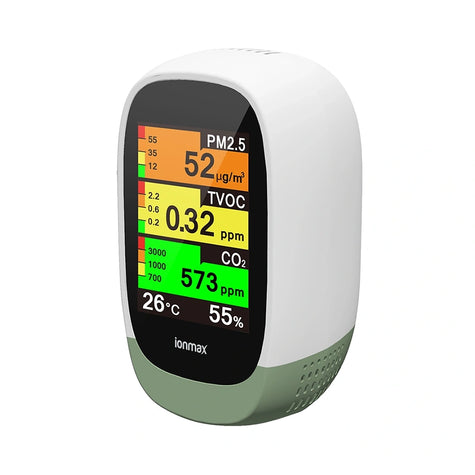
Monitor with a hygrometer
A simple humidity monitor helps you track how RH changes throughout the day so you can adjust before problems start.
Use humidifiers or dehumidifiers when needed
When humidity refuses to budge into the ideal range, targeted appliances help maintain stability:
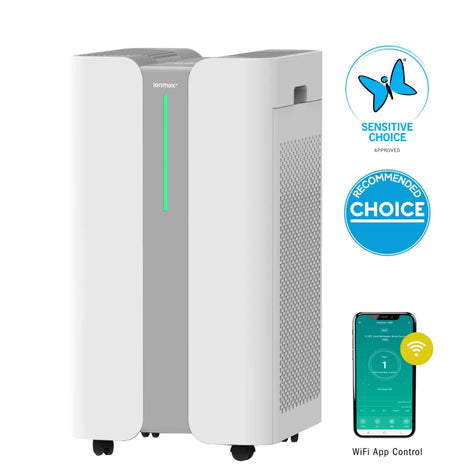
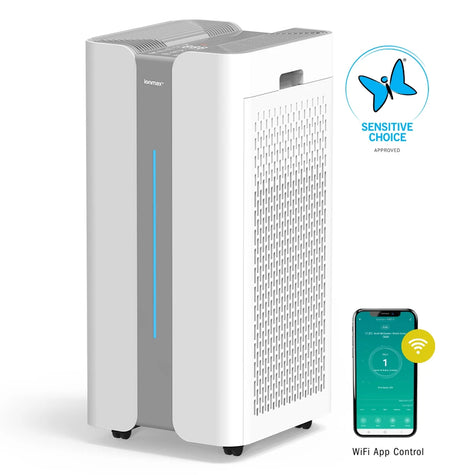
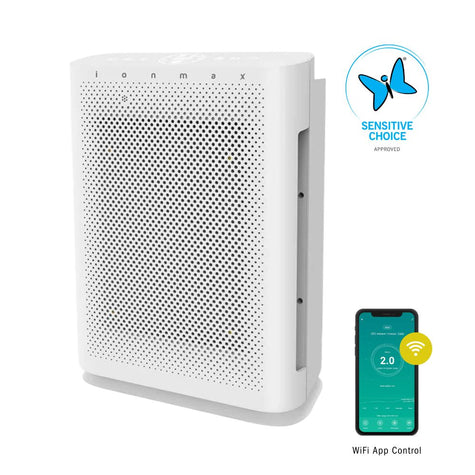
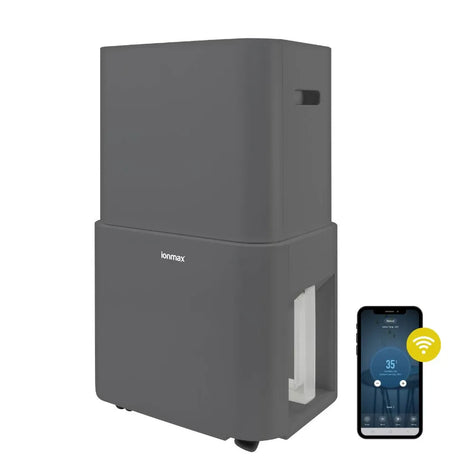
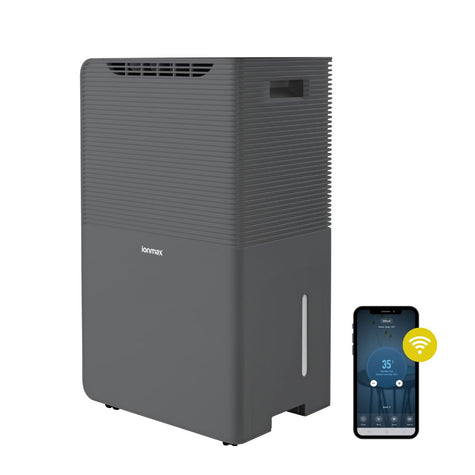
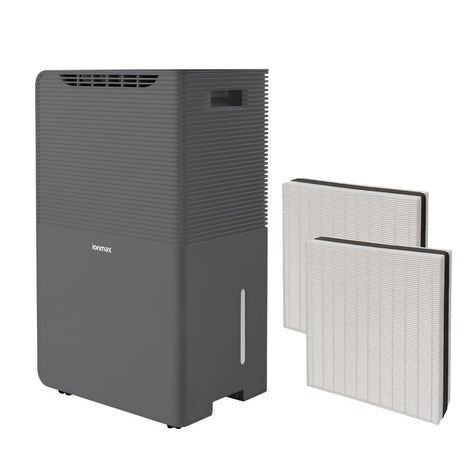
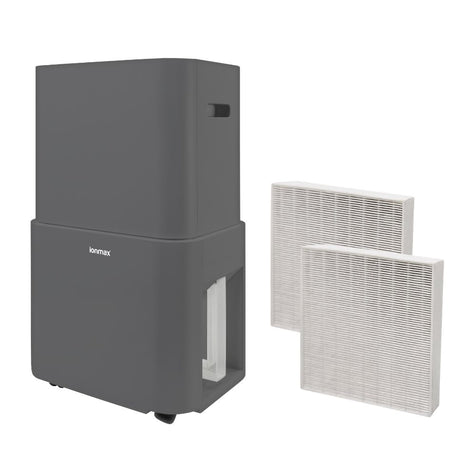
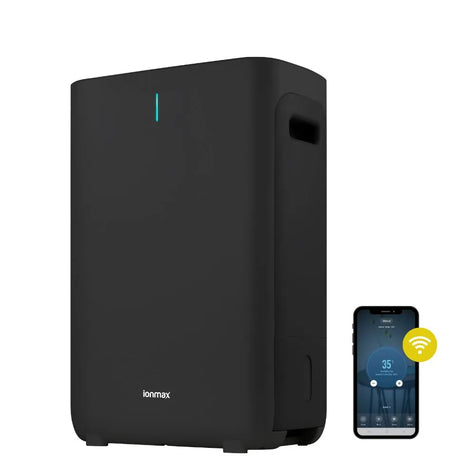
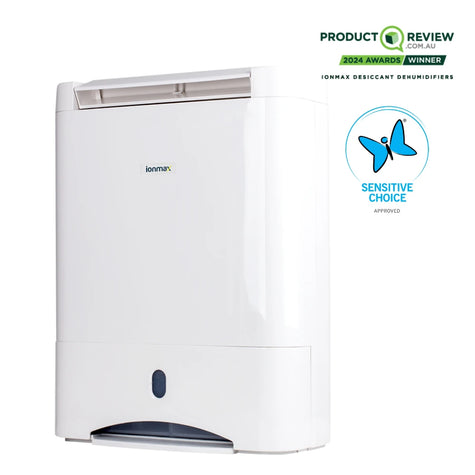
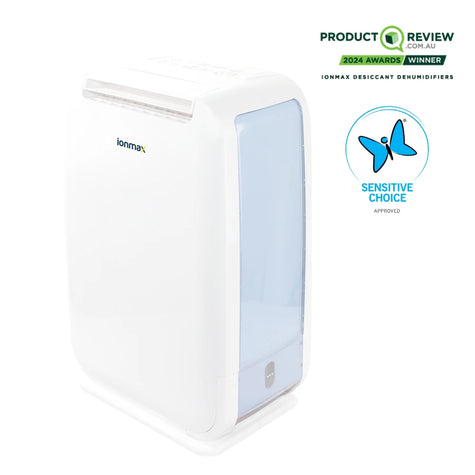
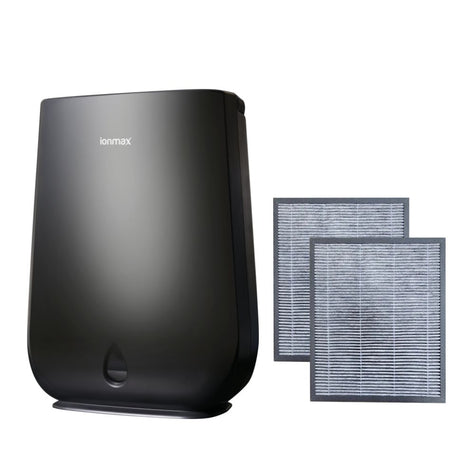
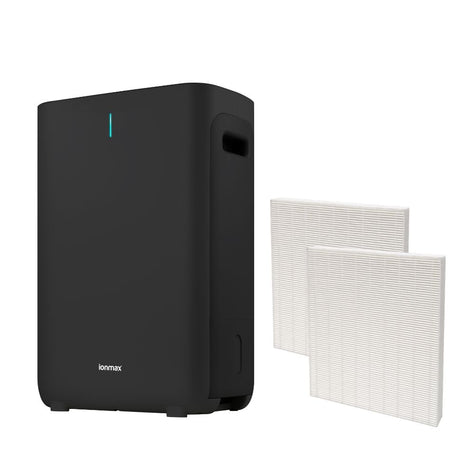
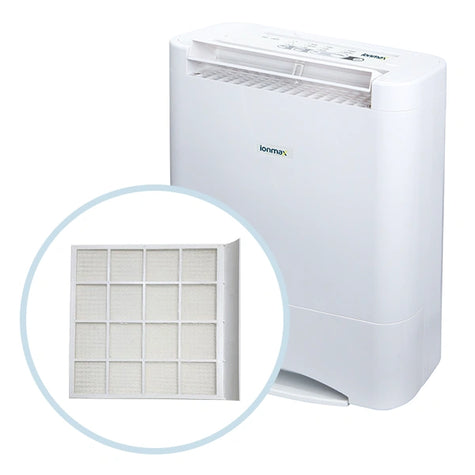
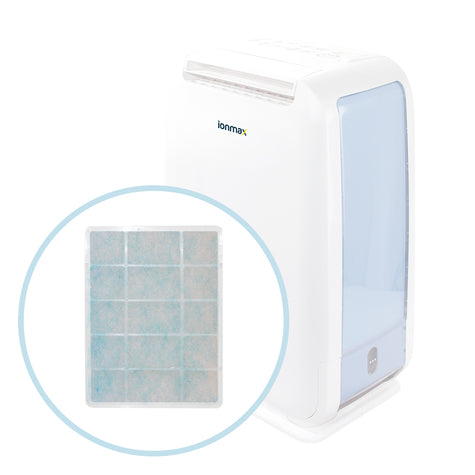
- Dehumidifiers (like the Ionmax Leone Pro or Rhine Pro) reduce moisture during humid seasons.
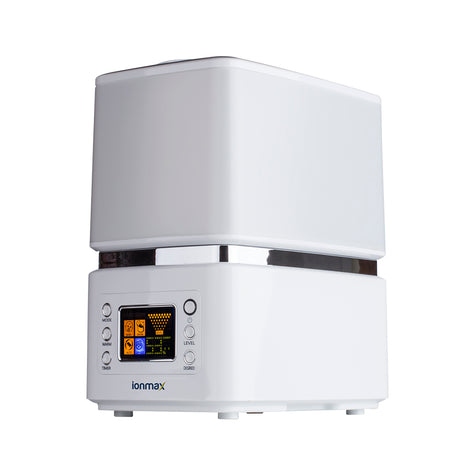
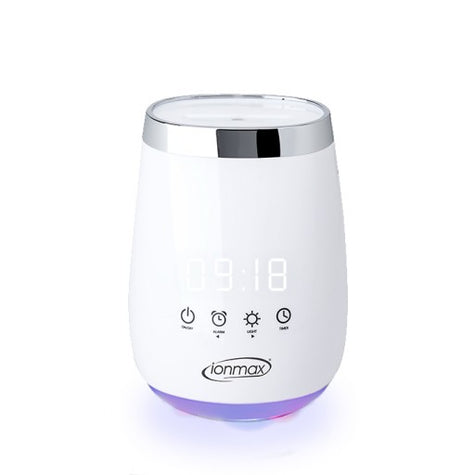
- Humidifiers help when the indoor air becomes too dry in winter.
These tools keep your RH in the Sensitive Choice-approved zone — with the Ionmax-recommended sweet spot of 40–50%.

Keeping ideal humidity for everyday comfort
Relative humidity is one of the most important, yet overlooked, factors shaping the health of your indoor environment. While Sensitive Choice advises maintaining 30–50% RH, the 40–50% range stands out as the zone that provides the best blend of comfort, allergen control, and mould prevention — especially in Australia’s diverse climate.
By combining smart home habits, good ventilation, and targeted humidity control when needed, you can keep your home feeling comfortable, protect your health, and maintain cleaner indoor air all year round.