Spring in Melbourne brings warmer days, vibrant blossoms, and outdoors lifestyle, along with one of Australia’s most challenging seasonal phenomena: peak ryegrass pollen season.
Every year between October and December, millions of tiny microscopic pollen grains are blown across Melbourne from northern and western grazing pastures, triggering widespread hay fever, allergic rhinitis, and severe respiratory flare-ups.
If you find yourself constantly sneezing, battling watery eyes, or waking up congested during the spring months, you aren't alone. Taking proactive steps and managing your indoor air quality can help protect your home and lungs throughout peak ryegrass season.
1. Why Melbourne is the "Ryegrass Pollen Capital"
Melbourne’s unique geography and climate create a ideal environment for elevated pollen levels. Strong, warm northerly winds sweep across the high-yield agricultural pastures of northern and western Victoria, carrying vast clouds of perennial ryegrass (Lolium perenne) pollen directly into the metropolitan area.
Unlike many flower or tree pollens that are heavy and sink quickly, ryegrass pollen is remarkably light, airborne, and potent. During peak spring days, pollen counts can spike rapidly into the "High" or "Extreme" categories within hours, leaving little time to react.
2. The Danger Beyond Hay Fever: Thunderstorm Asthma
While hay fever (allergic rhinitis) causes upper respiratory symptoms like sneezing and runny noses, ryegrass pollen also poses a deeper threat to lung health: Thunderstorm Asthma.
During specific spring weather conditions often involving hot, windy days followed by sudden storm fronts, intact ryegrass pollen grains absorb moisture from the air, swell, and burst into thousands of microscopic particles.
- Microscopic Particle Size: Standard pollen grains normally get trapped in the nose and throat. However, when ruptured, these tiny particles penetrate deep into the lower airways of the lungs.
- Who Is Affected? Thunderstorm asthma affects people with diagnosed asthma as well as individuals who suffer from seasonal hay fever but have never been diagnosed with asthma.
- Rapid Onset: Symptoms like sudden shortness of breath, wheezing, and severe chest tightness can strike rapidly during a storm event.
3. Recognizing the Early Warning Signs
Distinguishing between minor seasonal allergies and severe respiratory irritation allows for faster, more effective treatment:
- Mild to Moderate Allergies: Itchy throat, runny or blocked nose, sneezing fits, red or watery eyes, and daytime fatigue.
- Severe Respiratory Strain (Asthma Warning Signs): Persistent dry cough, wheezing when breathing out, tight chest, or difficulty completing full sentences without gasping for air.
Note: Always consult your GP or pharmacist to establish a personalized Asthma Action Plan or Hay Fever Management Plan before peak season hits.
4. Daily Defense: How to Create a High-Pollen Safe Haven
While you can’t control the outdoor weather, you can control your indoor air environment. Protecting your home ensures your body gets a rest from constant allergen exposure, especially overnight.
1. Monitor Outdoor Pollen & Storm Forecasts
Keep an eye on the daily Melbourne Pollen Count and local thunderstorm asthma warnings via official monitoring apps. On high-pollen or windy days, limit outdoor exercise and keep doors and windows closed.
2. Practice Post-Outdoor Hygiene
When returning home after being outside:
- Change out of outdoor clothing right away.
- Shower and wash your hair before bed so you don't transfer ryegrass pollen onto your pillows and bedding.
- Avoid drying laundry outside on high pollen days, as airborne pollen sticks easily to damp sheets and clothes.
3. Purify Your Indoor Air with High-Grade HEPA Filtration
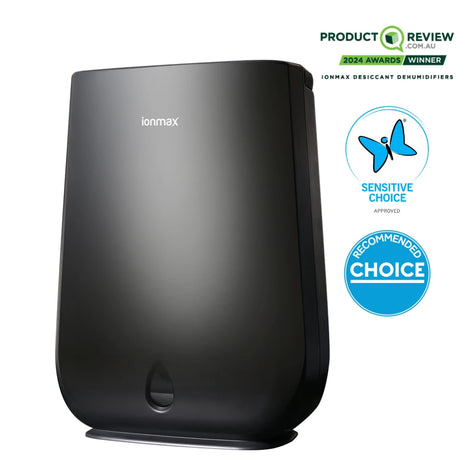
Airborne allergens like ryegrass pollen particles effortlessly slip inside through open doors, window crevices, and clothing. Placing an Australian Sensitive Choice® approved air purifier in your main living spaces and bedrooms effectively filters out tiny asthma and allergy triggers.
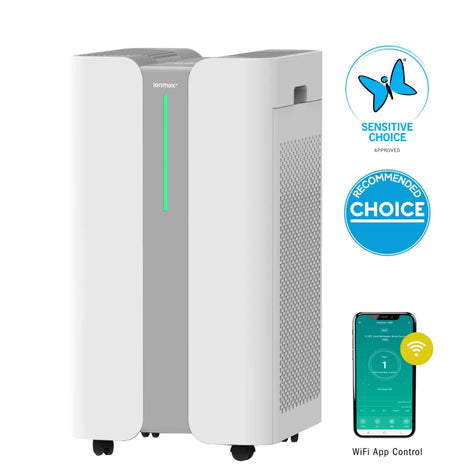
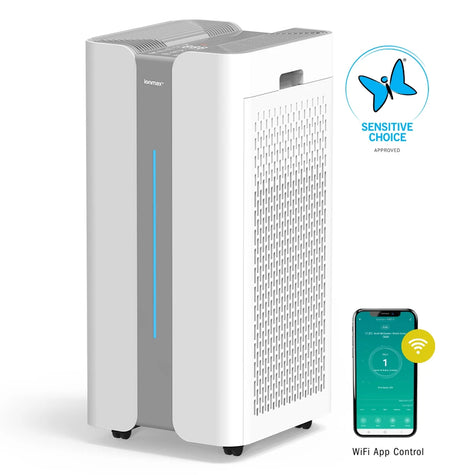
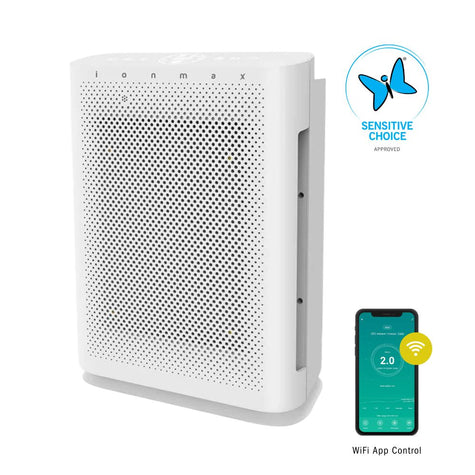
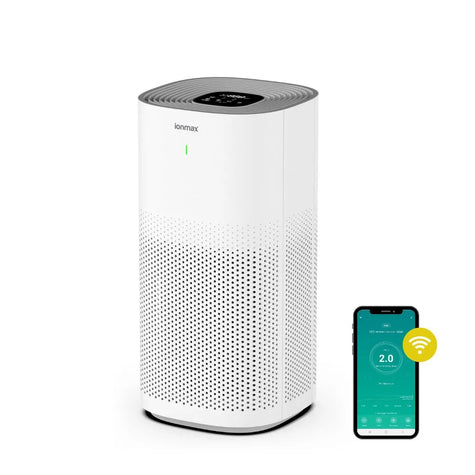
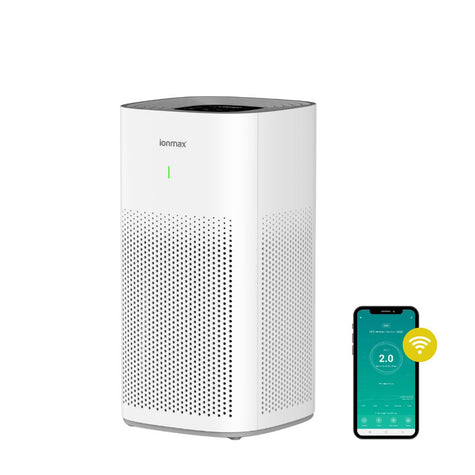
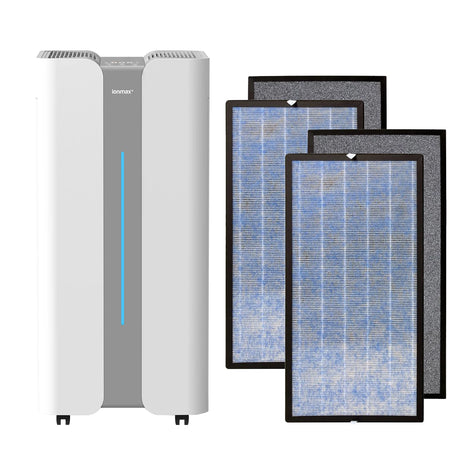
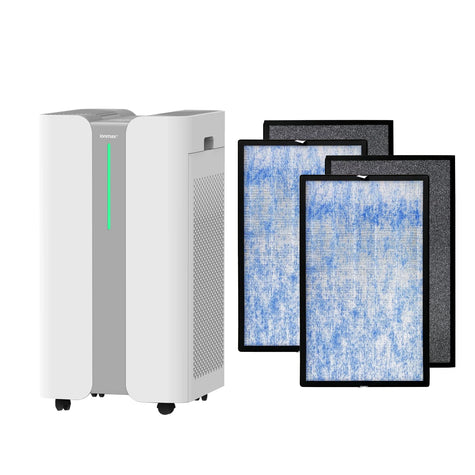
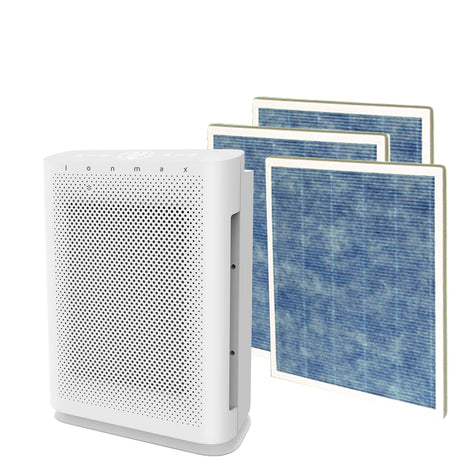
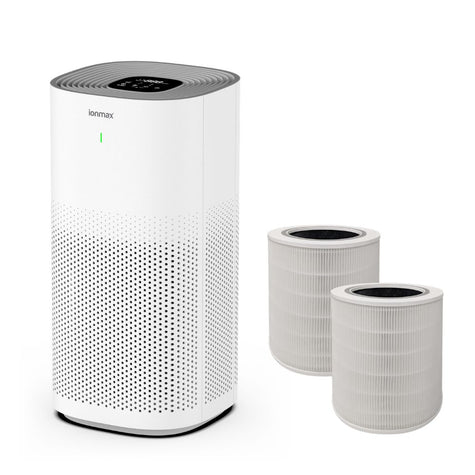
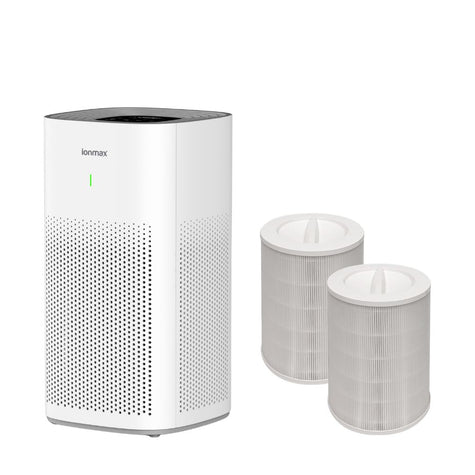
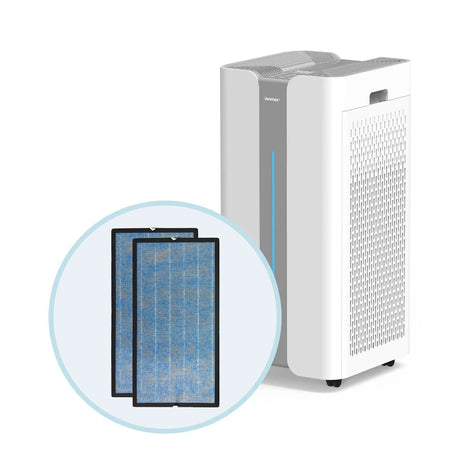
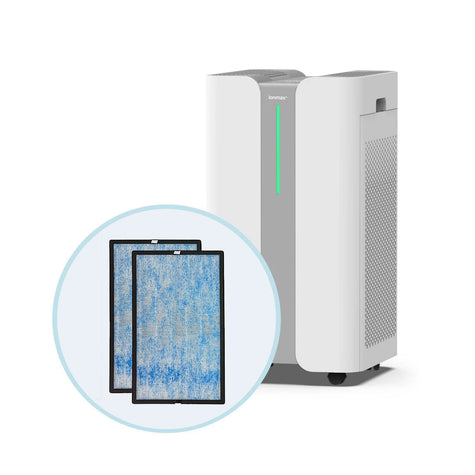
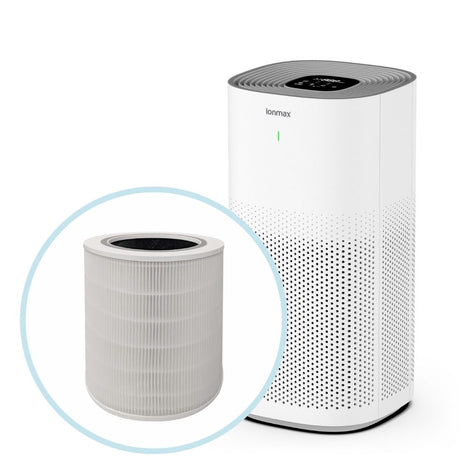
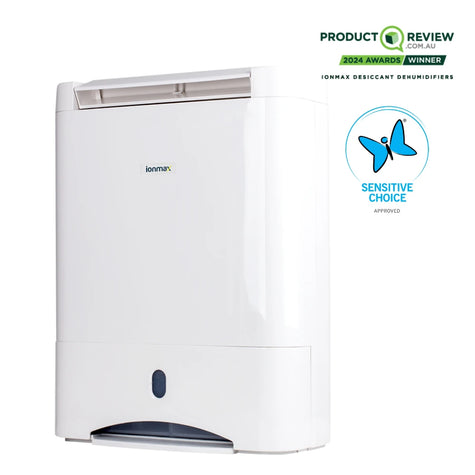
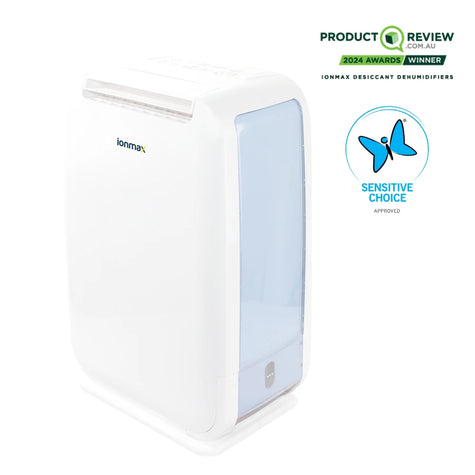
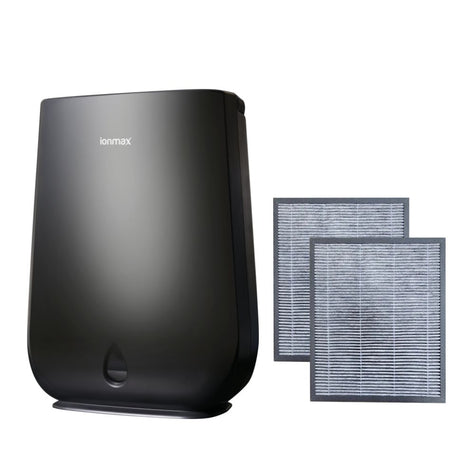
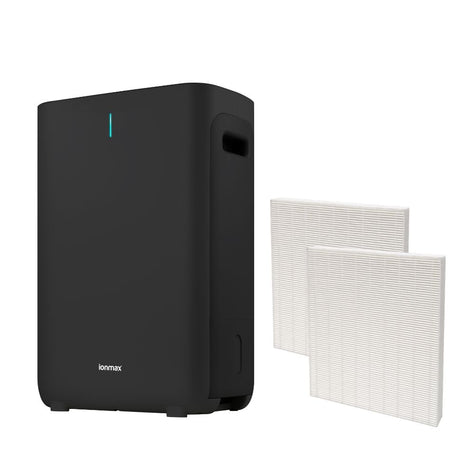
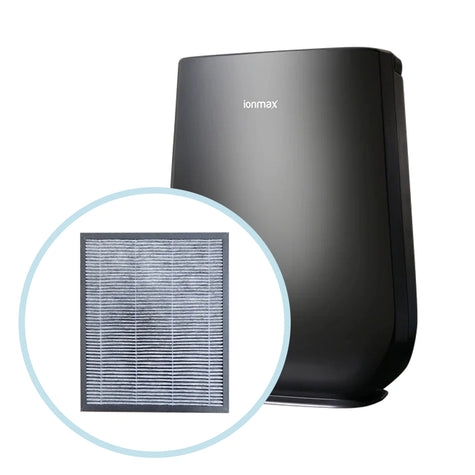
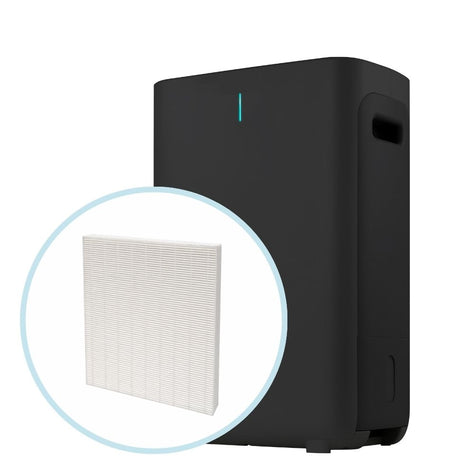
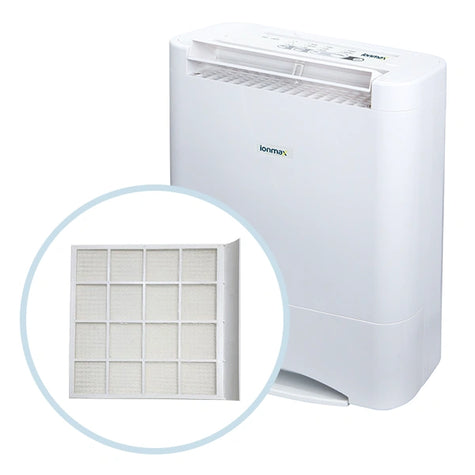
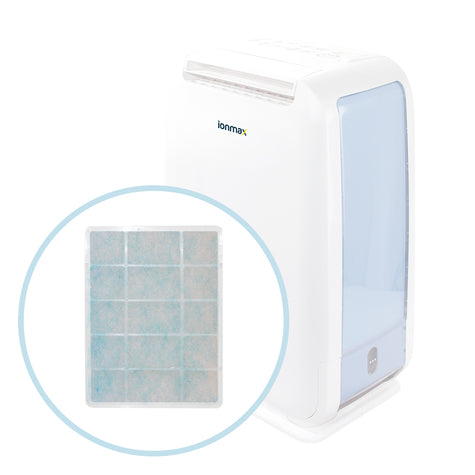
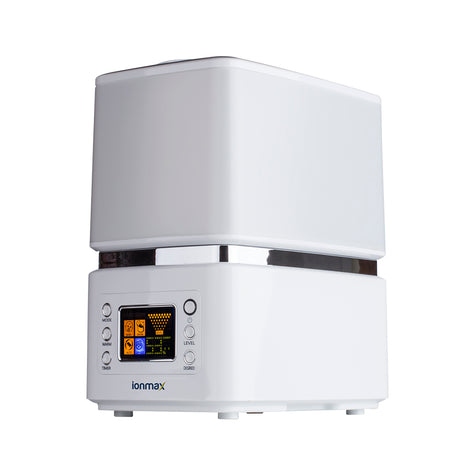
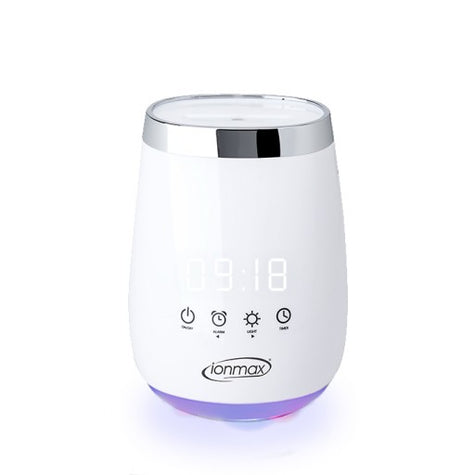
Featured Product Solution: Protect your home with the Ionmax Air Purifier Range. Designed for Australian conditions, Ionmax air purifiers feature multi-stage filtration systems, combining pre-filters, H13 HEPA filters that capture 99.97% of airborne allergens down to 0.3 microns, activated carbon, and UV sterilisation.
For Bedrooms: The Ionmax ION 422 Breeze Plus offers compact 5-stage HEPA air purification and UV-C light technology to keep sleeping areas free of nocturnal pollen irritants.
For Open-Plan Living: The CHOICE-recommended Ionmax+ ION 900 Pro Aire delivers a high Clean Air Delivery Rate (CADR) suitable for large family living areas up to 234m².
5. Don't Let Spring Take Your Breath Away
Spring should be a season to enjoy Melbourne’s vibrant parks, events, and outdoor lifestyles. By tracking daily pollen forecasts, establishing an action plan with your doctor, and investing in high-efficiency HEPA air purifiers for your home, you can keep peak ryegrass season from disrupting your health.
Take control of your indoor air quality this season. Explore the complete range of Sensitive Choice® approved Ionmax Air Purifiers today and breathe clean air at home all spring long.
Speak to our team today!