
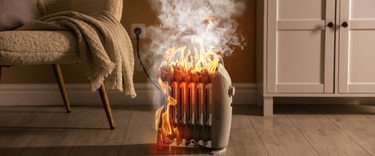
When the bitter winter chill arrives, our first instinct is to seal up the house, turn on the ducted central heating, or plug in a portable space heater. Indoor heaters are an absolute winter lifesaver, keeping us comfortable when outdoor temperatures plummet. However, relying heavily on traditional heating systems completely alters the microclimate of our homes, creating a paradox: the very machines we use to protect ourselves from the cold can silently compromise both our home's structure and our physical health.
When a home is shut tight to trap heat, fresh air exchange drops to near zero. Unmanaged heating rapidly changes the air’s moisture profile and triggers a chain reaction of airborne problems. To stay warm without turning your home into an environmental hazard, it is crucial to understand the hidden dangers of home heaters and discover how smart environmental controls can restore total balance.
1. The "Dry Air" Sponge Effect
Most conventional space heaters, radiant panels, and ducted heating systems function by warming the existing air within a room. However, as the temperature rises sharply without water vapor being artificially added, the indoor Relative Humidity (RH) drops drastically—often plunging far below the healthy 40% baseline threshold.
This hyper-dry air acts exactly like a giant sponge, aggressively drawing moisture out of every organic material it touches. Over time, this severe lack of ambient moisture causes timber floorboards to warp and separate, wooden furniture to split, and wallpaper or paint to crack and peel. For the occupants, dry air parches the skin, chaps lips, and dries out the protective mucosal lining of the nasal passages, breaking down the body’s natural defense mechanisms against winter respiratory bugs.
2. Accelerating Condensation and Sudden Mold Outbreaks
It sounds highly counterintuitive, but heating an unventilated home is one of the primary catalysts for severe mold growth. Warm air expands, giving it the capacity to hold vastly more evaporated moisture generated by everyday indoor activities such as taking hot showers, cooking, drying laundry indoors, and simple physiological breathing.
The danger arises when this warm, moisture-laden indoor air migrates toward the outer perimeter of the house and collides with cold external walls or window glass—known as a thermal bridge. The air cools instantly, dropping below its dewpoint and releasing its payload as heavy liquid condensation. If this water continuously pools on window sills or seeps into drywall, toxic mold colonies can establish within 24 to 48 hours, degrading structural components and releasing microscopic spores into your living area.
3. Generating "Dust Storms" and Circulating Trapped Allergens
Forced-air heating systems, ducted vents, and portable fan heaters rely heavily on powerful blowers to distribute warmth. While this successfully moves heat, it also creates a continuous, artificial air current that aggressively stirs up settled dust, pet dander, clothing fibers, and dust mite debris from floors, carpets, and soft furnishings.
Instead of remaining settled where they can be vacuumed away, these micro-allergens are suspended directly into your breathing zone. To make matters worse, the internal convection elements of many space heaters can literally burn fine dust particles that pass through them, releasing irritating micro-particulates and creating that distinct, unpleasant "burnt dust" aroma that irritates sensitive lungs.
4. Trapping Chemical Volatile Organic Compounds (VOCs)
Because windows are kept firmly shut to prevent heat loss, the rate of fresh outdoor air exchange drops significantly. At the same time, the elevated indoor temperatures caused by heaters accelerate a process known as chemical outgassing.
Everyday household items—including synthetic carpets, pressed-wood furniture, plastics, adhesives, and paints—release volatile organic compounds (VOCs) at a much faster rate when warmed. Without adequate ventilation, these chemical vapors become highly concentrated inside the sealed living space, leading to low-level chemical exposure that can cause headaches, dizziness, and airway irritation.
(Note: For homes utilizing unvented or poorly maintained gas heaters, there is an even more severe operational threat: incomplete combustion, which can silently introduce deadly, odorless Carbon Monoxide (CO) into the home.)
The Intelligent Solution: Restoring Balance with Ionmax

You do not have to turn off your heaters and freeze to protect your home and family. The key to healthy winter living is pairing your heating source with intelligent, proactive air treatment solutions that counteract these environmental hazards. Ionmax provides a premium, comprehensive ecosystem designed to clean, balance, and optimize your indoor air during the coldest months.
Conquering Dust, Pathogens, and VOCs with Ionmax Air Purifiers
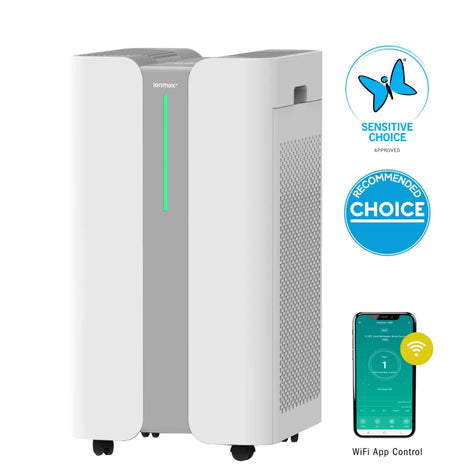
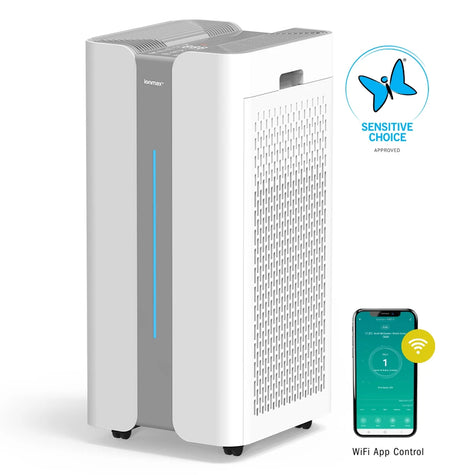
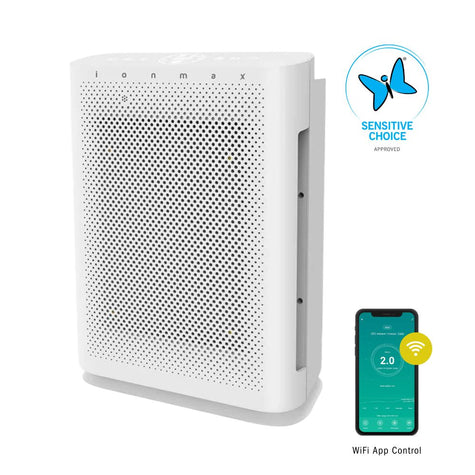
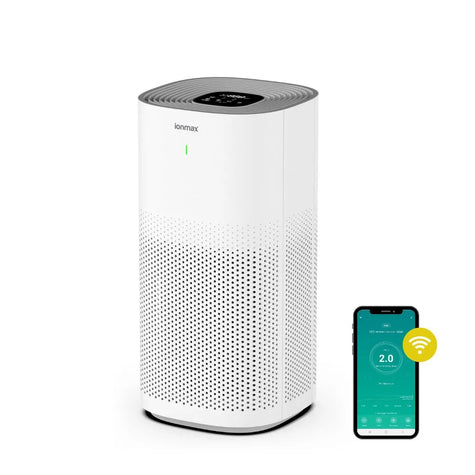
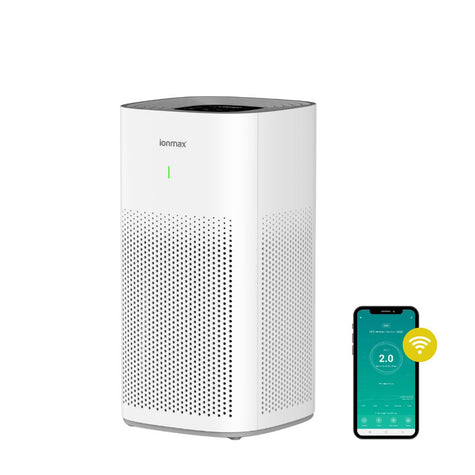
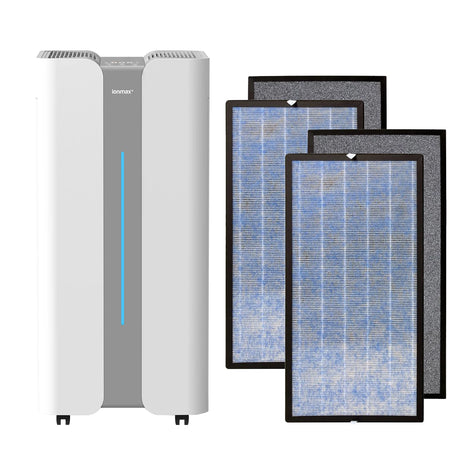
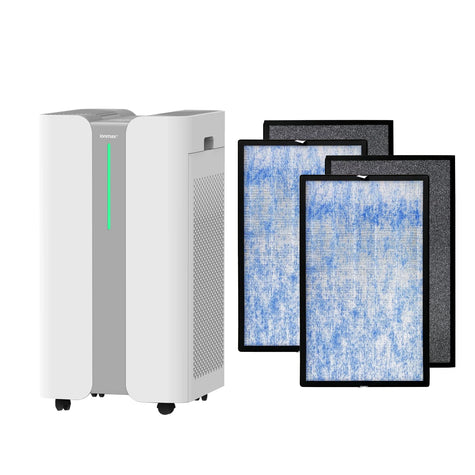
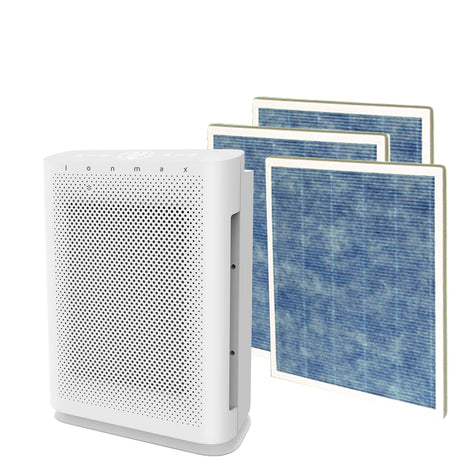
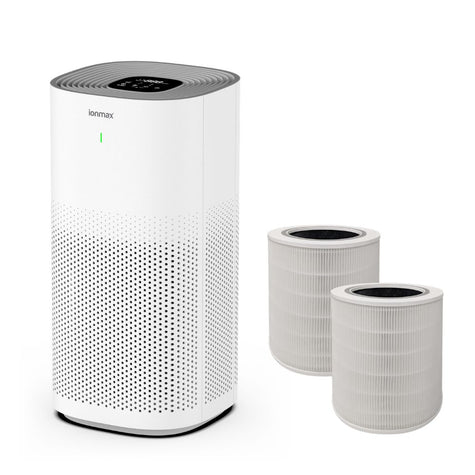
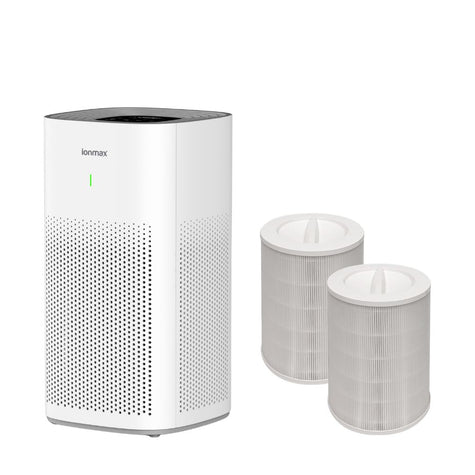
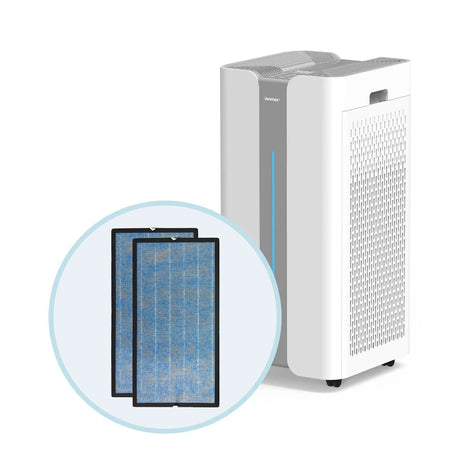
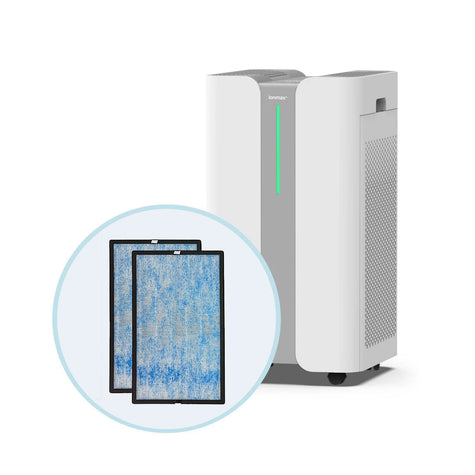
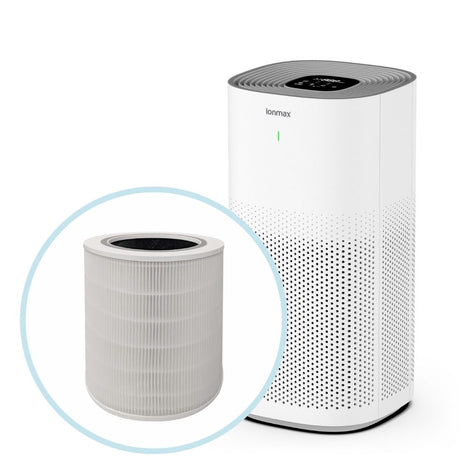
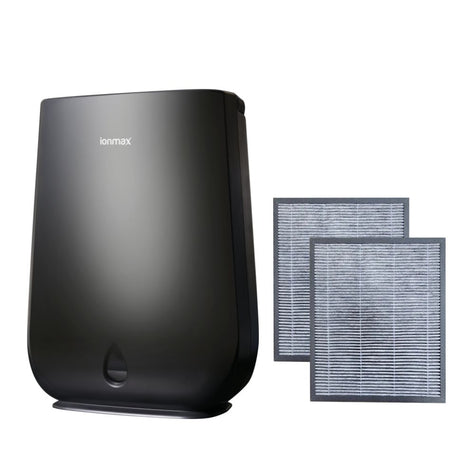
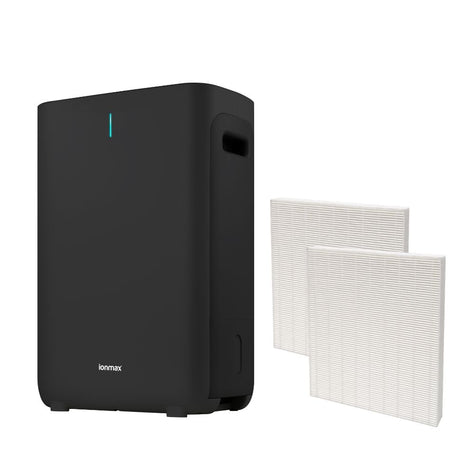
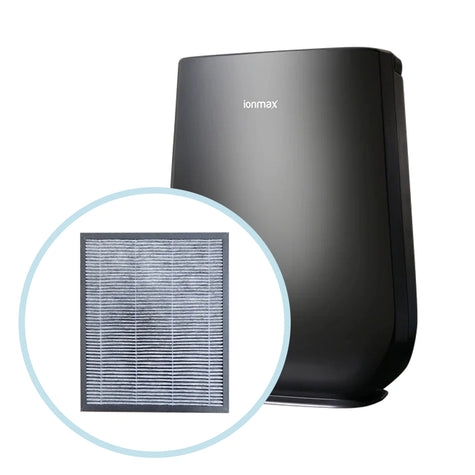
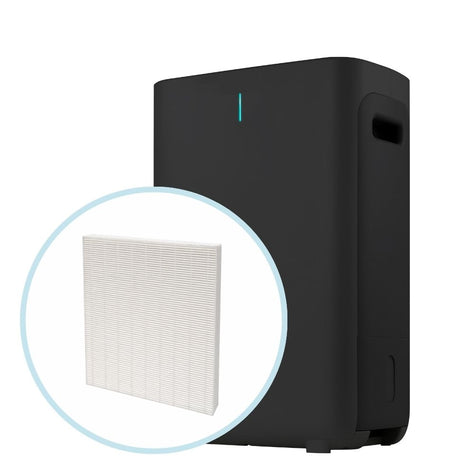
To stop forced-air heaters from turning your home into a swirling cloud of allergens, an Ionmax Air Purifier is a vital addition. Utilizing medical-grade True HEPA filtration coupled with a highly porous Activated Carbon layer, Ionmax purifiers continuously scrub the air clean. They trap 99.97% of airborne dust, dander, and mold spores stirred up by fan heaters, while the carbon layer actively adsorbs dangerous VOCs and eliminates burnt heating odours at a molecular level.
Controlling Moisture and Eradicating Mold with Ionmax Dehumidifiers
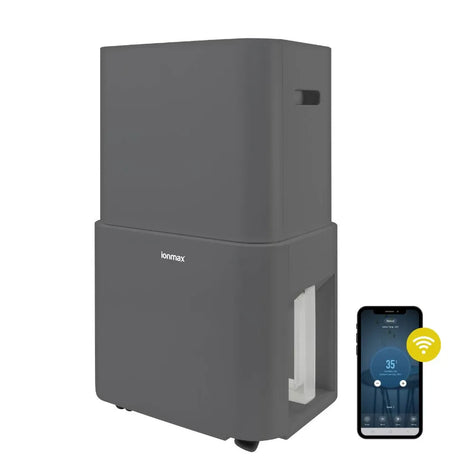
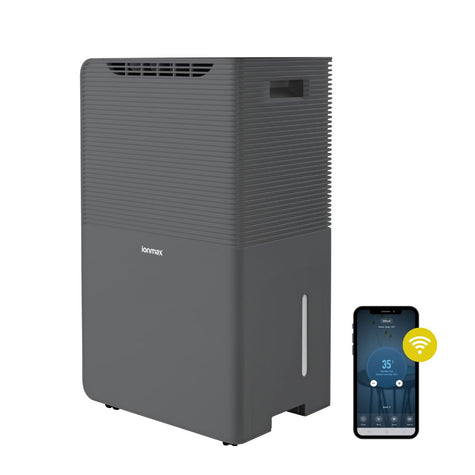
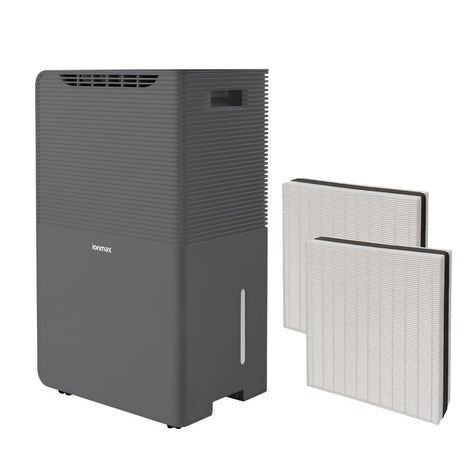
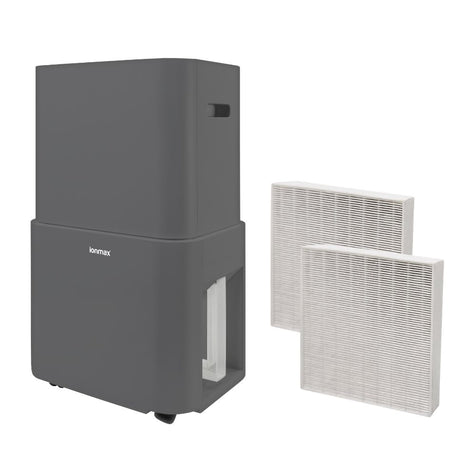
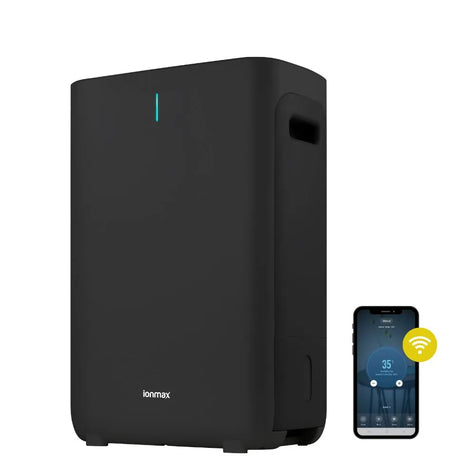
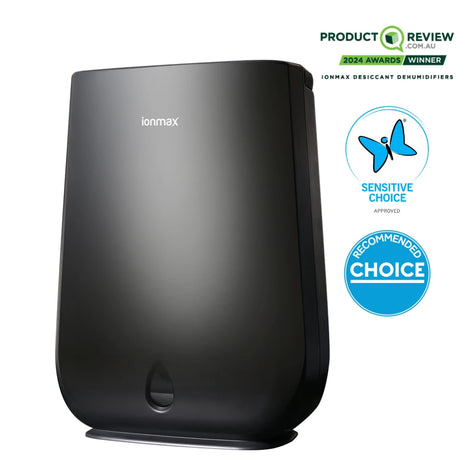
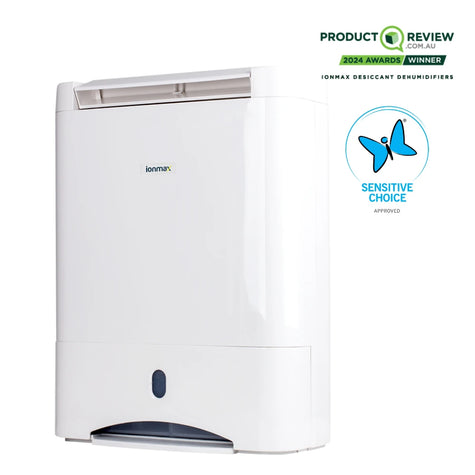
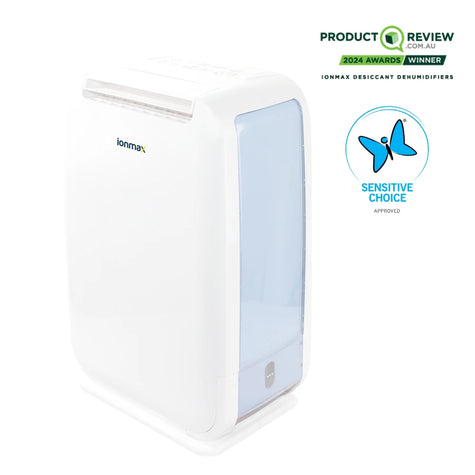
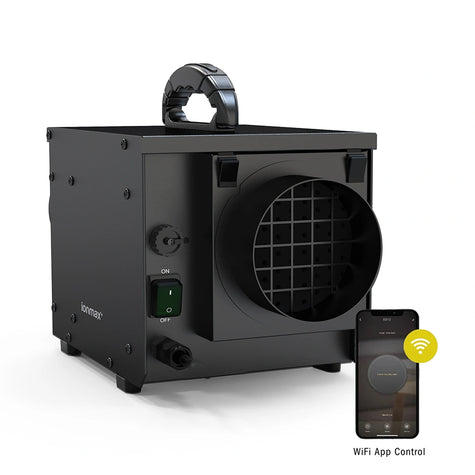
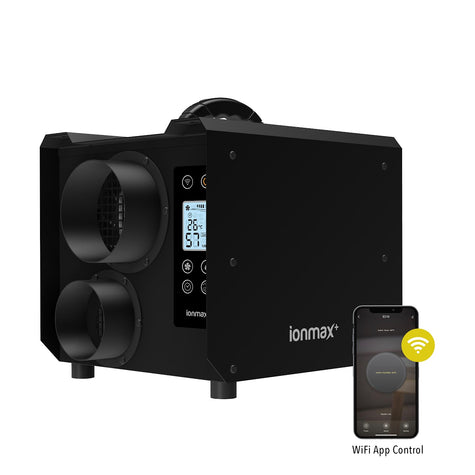
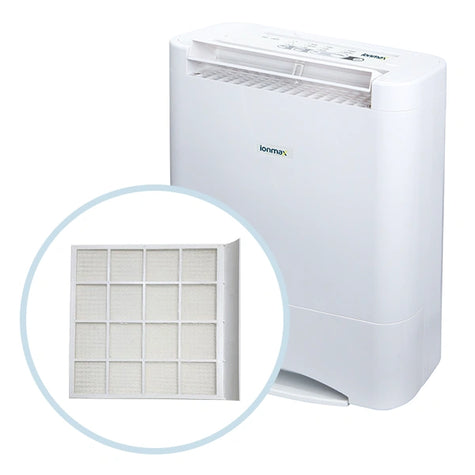
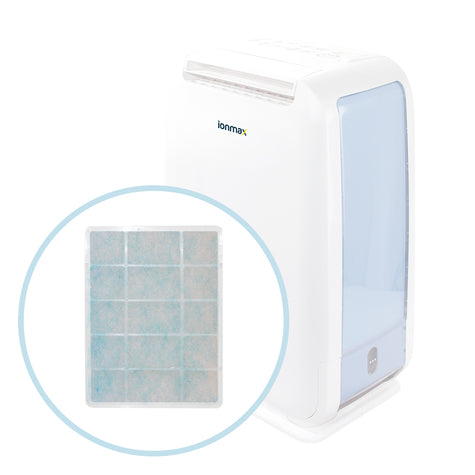
If your heating habits are causing heavy condensation on windows and cold walls, an Ionmax Desiccant Dehumidifier (such as the high-performing ION632 or Vienne) is your ultimate shield. Unlike standard compressor dehumidifiers that lose their efficiency when temperatures drop, Ionmax desiccant technology thrives in cold winter climates, extracting litres of excess water vapor directly from the air. By keeping relative humidity strictly balanced in the healthy 40%–60% "sweet spot", Ionmax permanently deprives mold and dust mites of the moisture they need to survive, protecting your walls, furniture, and lungs.
A Smarter Approach to Winter Wellness
Indoor heating is essential for winter comfort, but it shouldn't come at the cost of your home's structural integrity or your family’s respiratory health. By recognizing how heaters alter your indoor environment, you can take proactive steps to neutralize the risks. Integrating Ionmax air purifiers and dehumidifiers alongside your heating system ensures your home remains perfectly warm, beautifully dry, and clinical-grade clean all winter long.
References
- American Society of Heating, Refrigerating and Air-Conditioning Engineers (ASHRAE). Standard 55: Thermal Environmental Conditions for Human Occupancy. Investigates the specific correlations between indoor air temperature, air movement, relative humidity, and human respiratory comfort.
- World Health Organization (WHO). WHO Guidelines for Indoor Air Quality: Selected Pollutants. Examines the accelerated outgassing of volatile organic compounds (VOCs) in indoor spaces under elevated temperatures and restricted ventilation.
- National Asthma Council Australia. Sensible Winter Heating and Asthma Management Guide. Details how forced-air heating systems circulate dust mites and pet dander, and outlines best practices for indoor allergen control.
- Lawrence Berkeley National Laboratory. Indoor Air Quality Scientific Findings: Moisture and Mold in Residential Structures. Analyzes how indoor thermal bridging creates localized condensation points that foster rapid mold colonization.