

Summer is meant to feel lighter. Longer days, brighter mornings, and more time spent at home enjoying the warmth. Yet for many Australians, summer brings an unexpected mix of headaches, low energy, and that constant feeling of fatigue that never quite goes away.
What makes it more frustrating is that these symptoms often feel worse at home than anywhere else. If that sounds familiar, your indoor environment may be playing a bigger role than you realise.
Heat and humidity quietly strain your body
Australian summers are not just hot. In many parts of the country, especially coastal regions, they are humid too. When humidity levels rise indoors, your body has to work harder to regulate its temperature.
High humidity slows down sweat evaporation, which is one of the body’s main cooling mechanisms. This can leave you feeling overheated, heavy, and mentally drained, even if you are sitting still. Over time, this extra strain can trigger headaches and make fatigue feel more intense.
Unlike outdoor heat, indoor humidity often goes unnoticed. There may be no visible condensation or damp patches, yet the air still feels thick and uncomfortable.
READ MORE: Why 40-50% humidity is the healthiest level
Stale indoor air builds up faster in summer
In summer, many households keep windows and doors closed to maintain cooler indoor temperatures. Air conditioning helps with comfort, but it also recirculates the same air repeatedly.
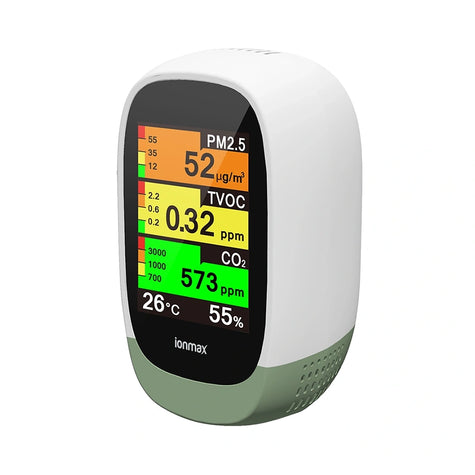
Without regular ventilation, carbon dioxide levels rise and indoor pollutants build up. These include everyday particles like dust, cleaning fumes, cooking by-products, and outdoor pollution that enters through small gaps.
Breathing stale air for long periods can contribute to headaches, difficulty concentrating, and that persistent afternoon slump that feels out of proportion to what you have done that day.
Allergens and fine particles do not take a summer break
Summer often means more allergens in the air. Pollen levels rise, bushfire smoke can linger, and homes with pets see more dander circulating as windows open and close.
Even if you do not suffer from allergies, these fine particles can irritate the airways and sinuses. This irritation is a common trigger for headaches, sinus pressure, and fatigue that feels worse indoors than outdoors.
Bedrooms and living areas are especially affected, as particles settle into soft furnishings, carpets, and bedding.
Poor sleep makes everything feel harder
Warm, humid air does not just affect you during the day. It also disrupts sleep at night.
When your bedroom is too warm or muggy, your body struggles to cool down enough for deep, restorative sleep. You may fall asleep quickly but wake feeling unrefreshed, or experience light, restless sleep without realising it.
Over time, poor sleep quality amplifies daytime fatigue and makes headaches more frequent and harder to shake.
Why these symptoms often go unnoticed
Headaches and fatigue are common summer complaints, so they are often brushed off as normal. Many people reach for pain relief or extra caffeine without questioning what is causing the problem in the first place.
The indoor environment is easy to overlook because discomfort builds gradually. You adjust without realising that your home is no longer supporting rest and recovery the way it should.
Simple ways to make your home feel better in summer
Improving comfort does not always mean turning the air conditioning lower. Temperature is just one piece of the puzzle. Managing humidity helps your body cool itself more efficiently, while improving air quality removes particles that irritate your head, airways, and sinuses. Together, these steps can noticeably reduce summer headaches and fatigue.
Ventilate when outdoor conditions allow
Open windows or use cross-breezes during cooler parts of the day to let fresh air in and push stale, stuffy air out. This helps regulate temperature and refresh the air you breathe.
Reduce moisture sources indoors
Use extractor fans while cooking or showering, cover boiling pots, and avoid drying clothes inside. Lower indoor humidity prevents that heavy, sticky feeling and keeps mould and allergens at bay.
Reset the air in high-use spaces
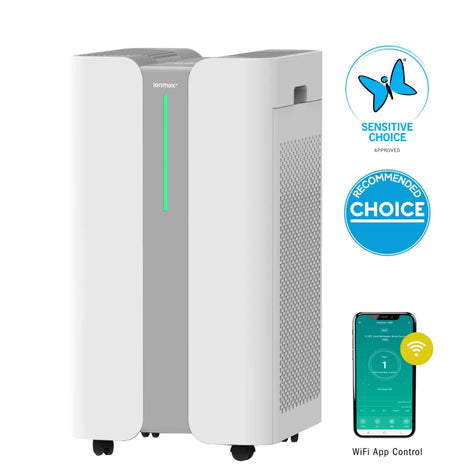
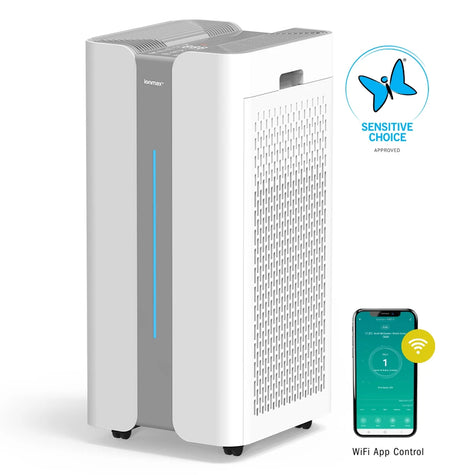
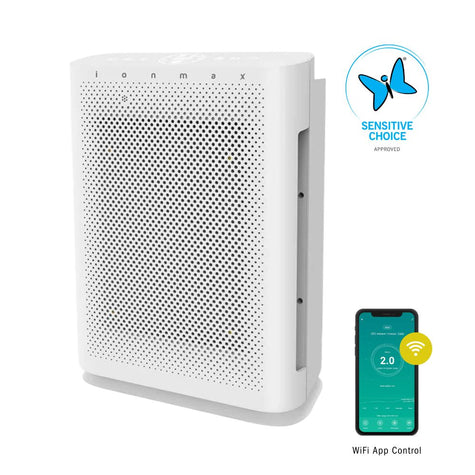
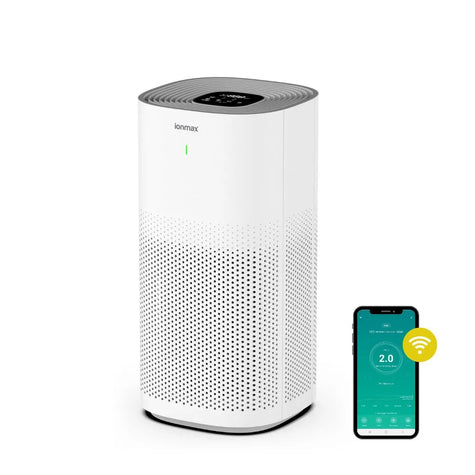
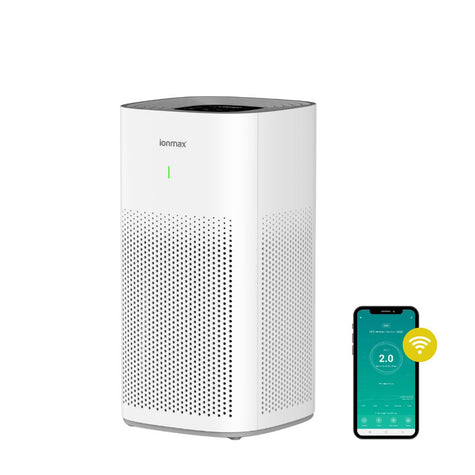
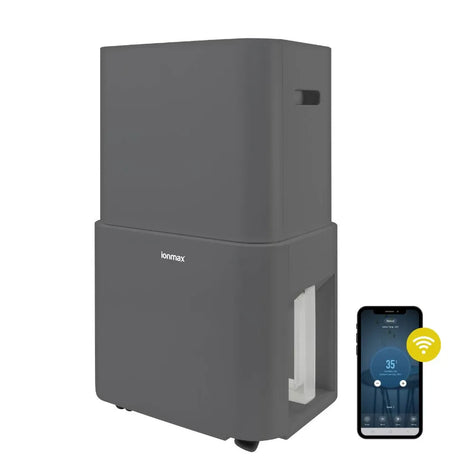
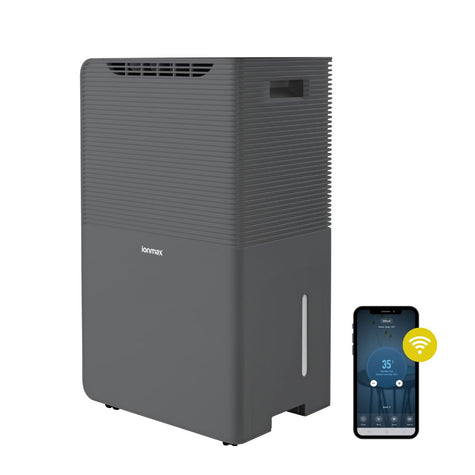
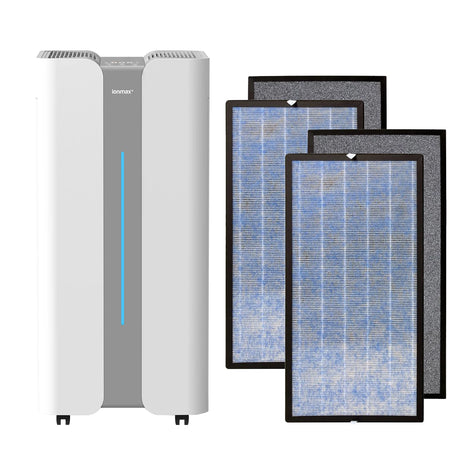
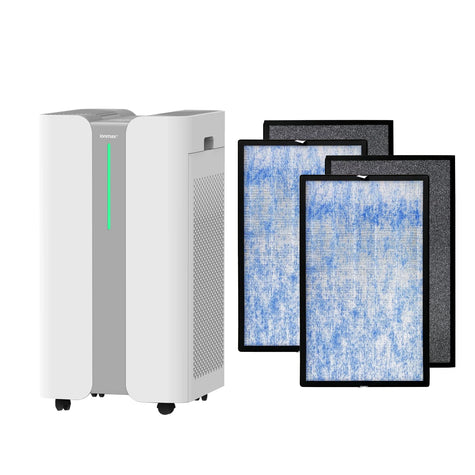
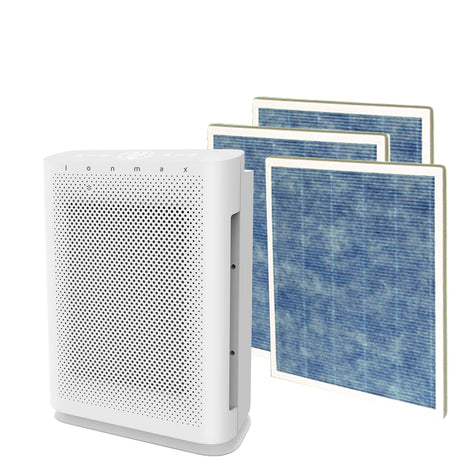
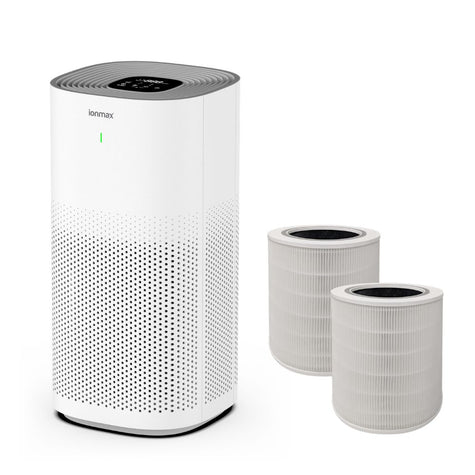
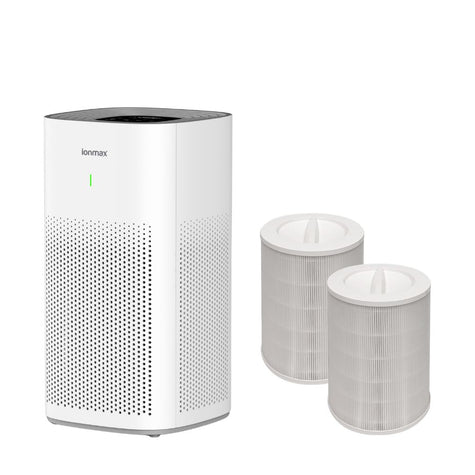
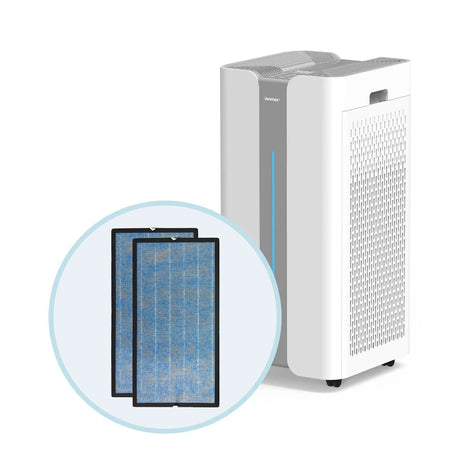
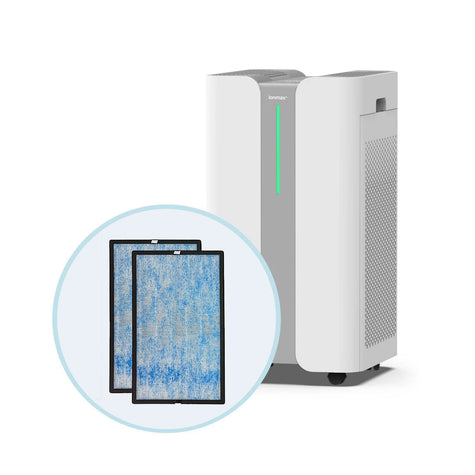
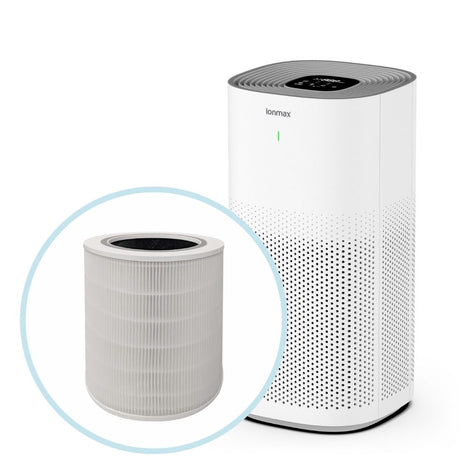
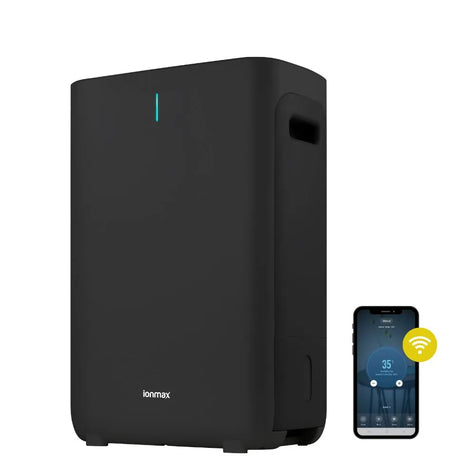
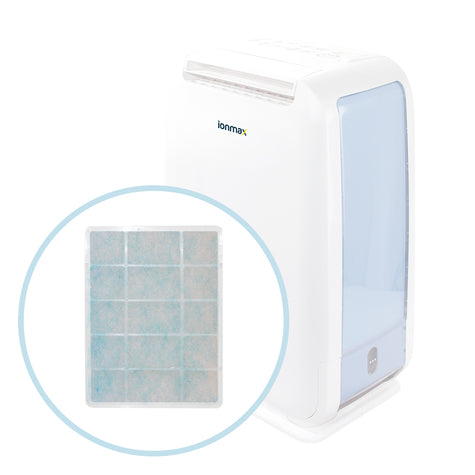
Bedrooms and living areas see the most activity and can accumulate heat, dust, and allergens. Running a high-efficiency air purifier or 2-in-1 dehumidifier and purifier in these spaces can clear the air and make your home feel cooler and lighter.

Treating your air as part of your health
Headaches and fatigue are signals that your body is under strain. In summer, that strain often comes from the air you are breathing at home.
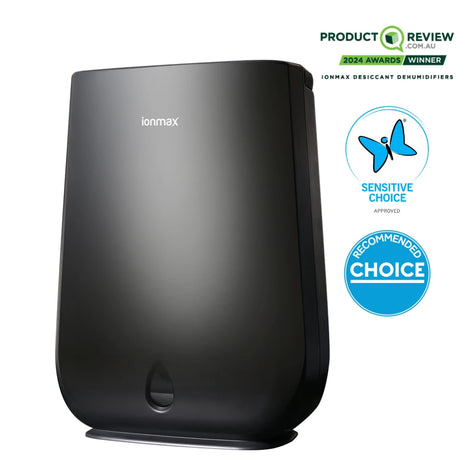
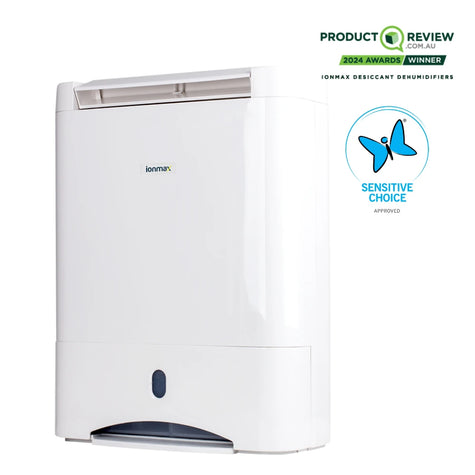
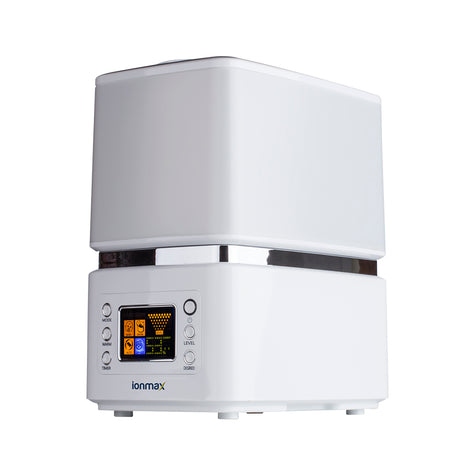
Managing humidity with a dehumidifier helps create a lighter, more comfortable indoor environment. Using an air purifier helps remove fine particles that contribute to irritation and poor sleep.
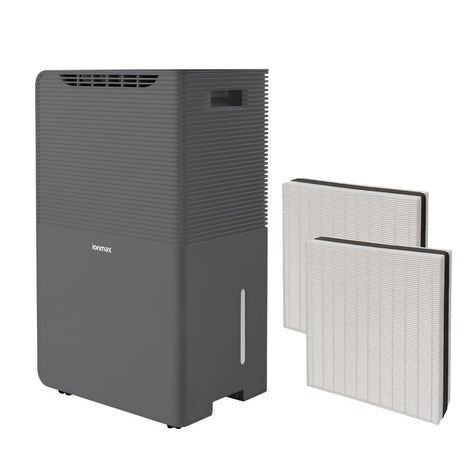
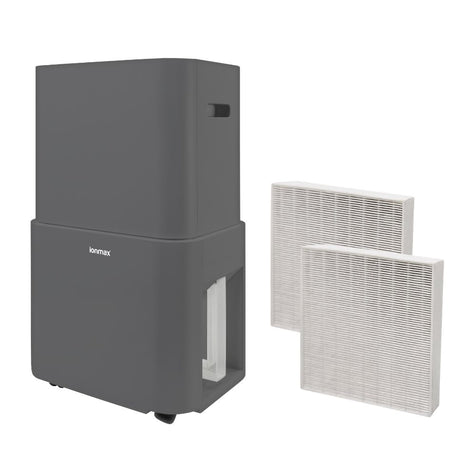
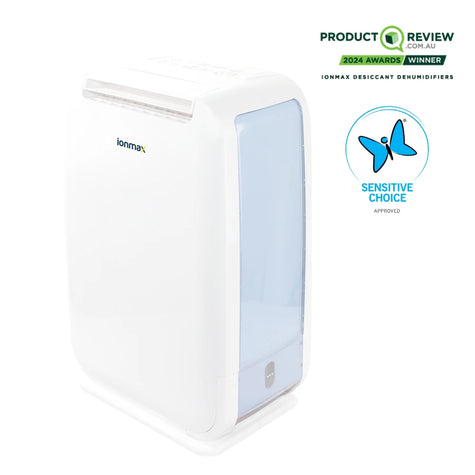
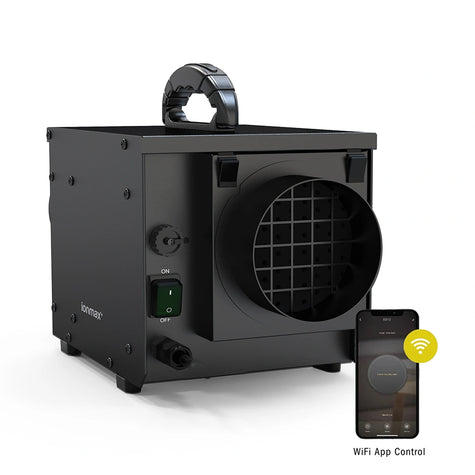
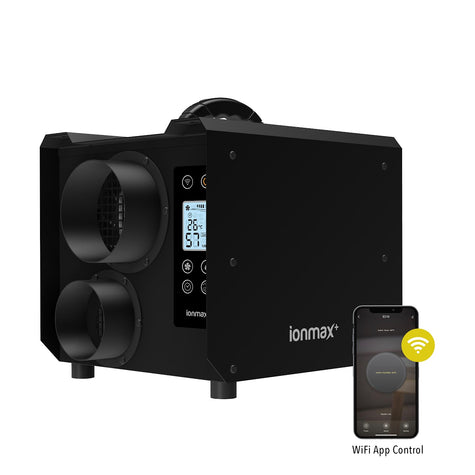
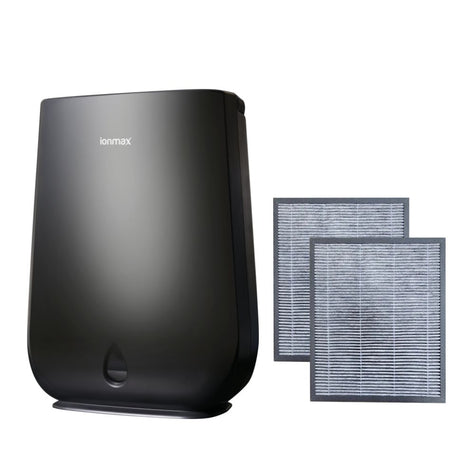
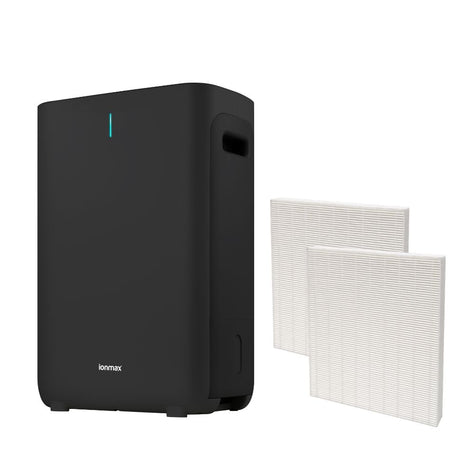
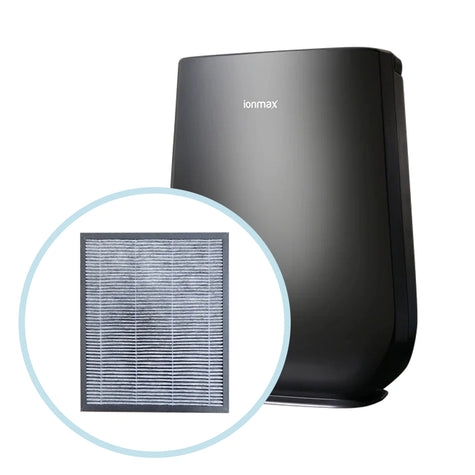
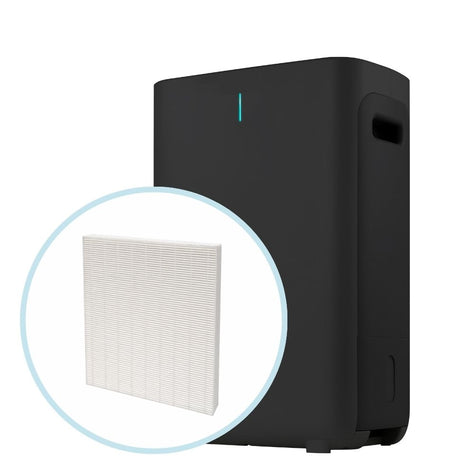
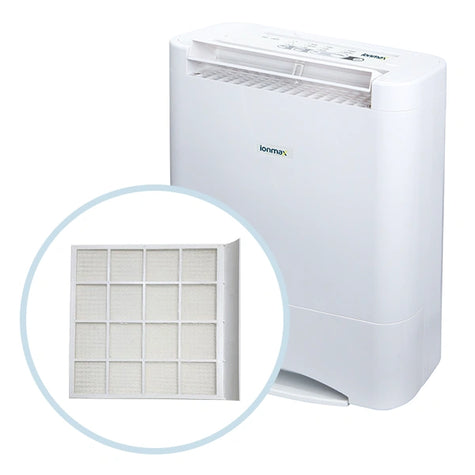
For many Australian homes, especially during summer, a 2-in-1 solution can be particularly effective. Models like the Ionmax Venta, Rhine Pro, and Leone Pro combine dehumidification and air purification to address both moisture and airborne particles at the same time.