Mould is one of those household problems Australians often underestimate until it becomes impossible to ignore. A small patch on a window frame can quietly turn into recurring health issues, persistent musty smells, or even structural damage if moisture is not properly managed.
The challenge is knowing when mould remediation is genuinely required and when the issue can be controlled through better moisture and humidity management instead.
This guide explains the difference so you can take the right action without unnecessary cost or stress.
What is mould remediation?
Mould remediation is the professional process of identifying, containing, removing, and preventing mould growth in a building. It goes beyond surface cleaning.
A proper remediation process typically includes:
- Identifying the source of moisture
- Containing affected areas to prevent spore spread
- Removing contaminated materials where required
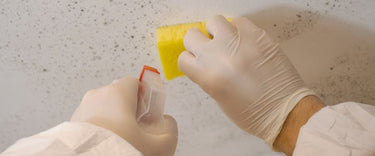
- Thorough cleaning and sanitisation
- Addressing humidity or water intrusion issues to prevent regrowth
Remediation is not about making mould disappear visually. It is about stopping it from coming back.
When mould remediation is necessary
There are situations where household cleaning methods and basic moisture control are not enough. Professional mould remediation should be considered when mould is persistent, widespread, or linked to ongoing moisture issues.
Persistent or recurring mould growth
If mould continues to return despite regular cleaning, moisture is still present somewhere in the home. Without addressing the underlying cause, mould will continue to regrow.
Widespread or hidden mould
Mould across multiple rooms, ceilings, wardrobes, or behind furniture can indicate deeper moisture problems. Hidden mould inside walls, roofs, or under flooring is especially common after leaks or flooding.
Strong, ongoing musty odours
A constant musty smell, even when visible mould is minimal, often points to hidden mould growth. Odours alone can indicate spores circulating indoors.
Water damage or flooding history
Homes that have experienced burst pipes, roof leaks, storm damage, or flooding are at higher risk of mould developing inside walls and insulation. In these cases, remediation is often the safest option.
Health symptoms linked to time indoors
If occupants experience worsening asthma, allergies, headaches, or respiratory irritation that improves when they leave the house, mould exposure may be contributing.
Rental or insurance requirements
Some situations require professional remediation reports, particularly for rental properties or insurance claims where documentation is needed.
In these cases, professional mould remediation is the safest and most effective first step.
When mould remediation may not be necessary
Not all mould issues require professional intervention. Early-stage mould problems can often be controlled if moisture is managed correctly.
Small, isolated mould patches
Minor mould growth on bathroom grout, window frames, or laundry walls is often linked to condensation rather than structural problems.
Condensation-related mould
This is common during winter or in poorly ventilated rooms, especially bedrooms and bathrooms.
No signs of water damage
If mould is limited to surfaces and there are no leaks, stains, or damp building materials, remediation may not be required.
Humidity is clearly the trigger
Indoor humidity consistently above 55 percent creates ideal conditions for mould. Reducing moisture early can prevent mould from spreading.
In these situations, prevention is often more effective than remediation.
The most common mistake homeowners make
One of the biggest mistakes Australians make is cleaning mould without controlling moisture.

Bleach or surface cleaners may remove visible mould temporarily, but if humidity remains high, spores will return. Ventilation alone is often not enough, particularly in humid climates or tightly sealed homes.
Why Australian homes are particularly vulnerable
Australia’s climate creates different mould risks depending on location.
Coastal and northern regions
High humidity year-round makes mould a constant concern. Homes in coastal New South Wales, Queensland, and northern Western Australia often experience mould even without obvious water leaks.
Southern states and cooler climates
In Victoria, Tasmania, South Australia, and parts of New South Wales, mould is more common during cooler months. Heating combined with poor ventilation leads to condensation on windows, walls, and ceilings.
Modern, well-sealed homes
Newer homes are more energy-efficient but often trap moisture indoors, increasing mould risk if humidity is not actively managed.
Where prevention fits after remediation
Mould remediation removes existing growth but does not guarantee mould will not return.
Long-term prevention is what protects your home.
This includes:
- Fixing leaks and water ingress
- Improving airflow and ventilation
- Actively managing indoor humidity
- Reducing condensation-prone areas
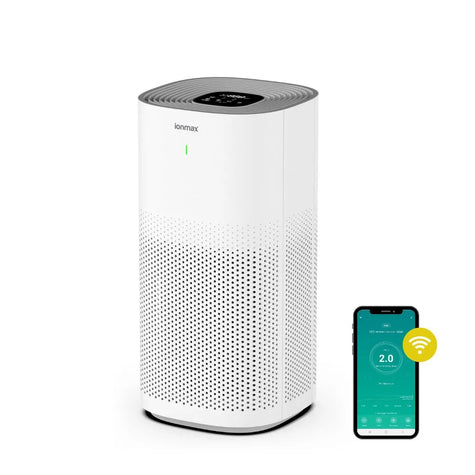
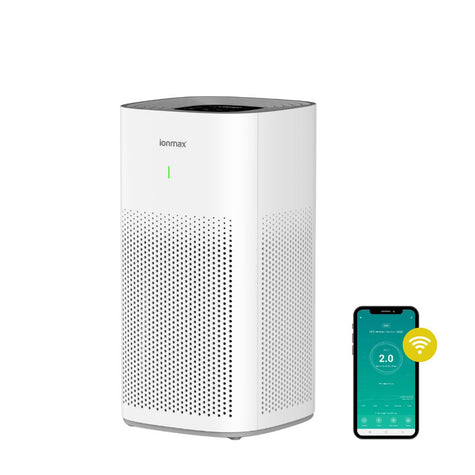
Once mould is removed, controlling humidity and airborne spores helps stop it from coming back.
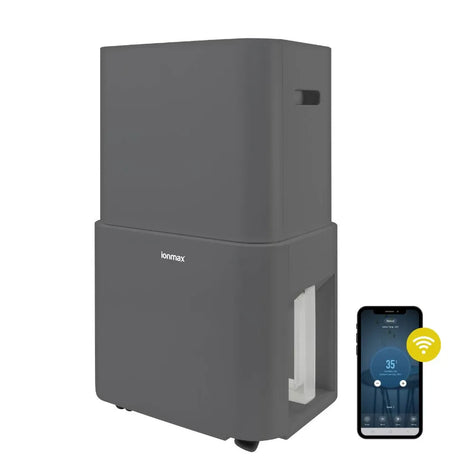
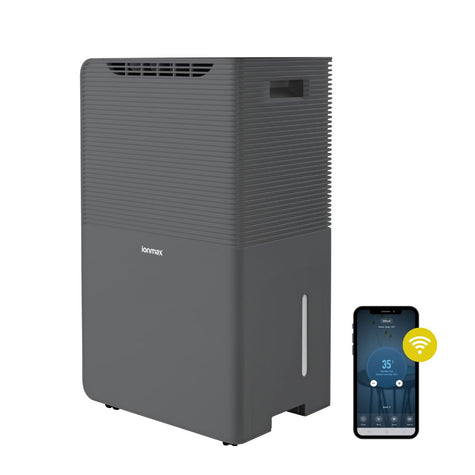
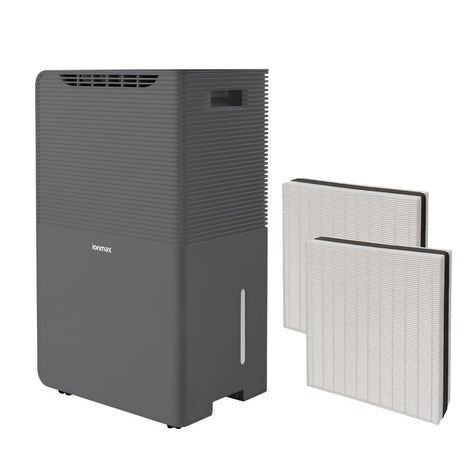
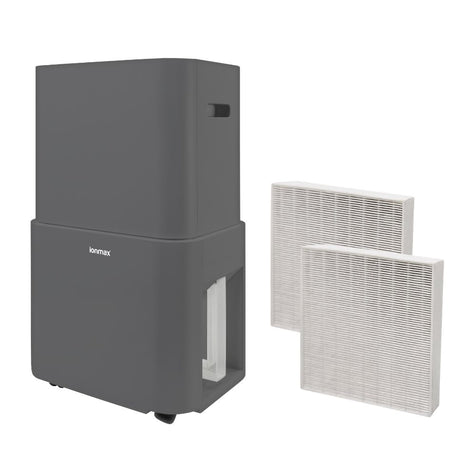
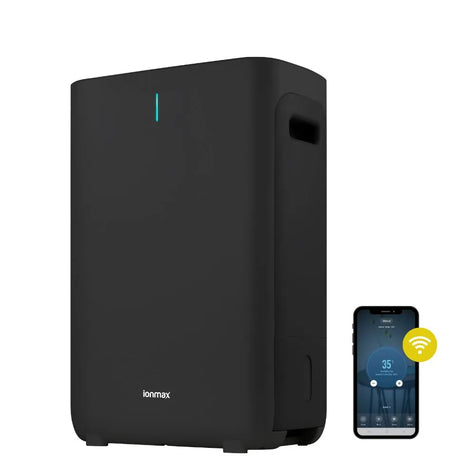
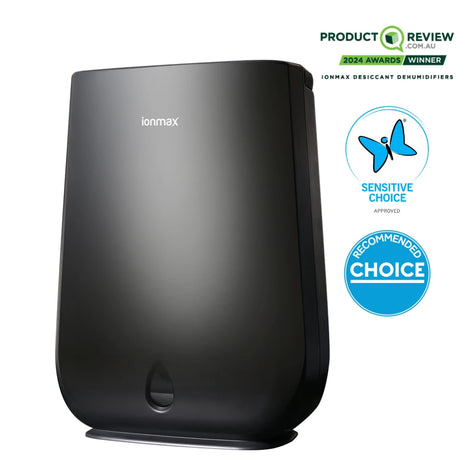
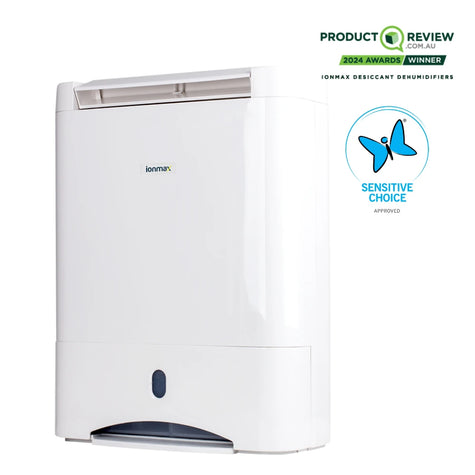
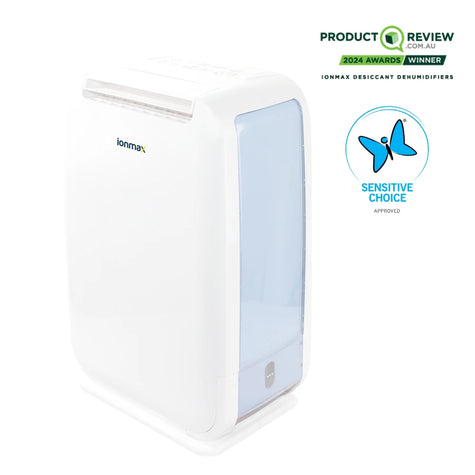
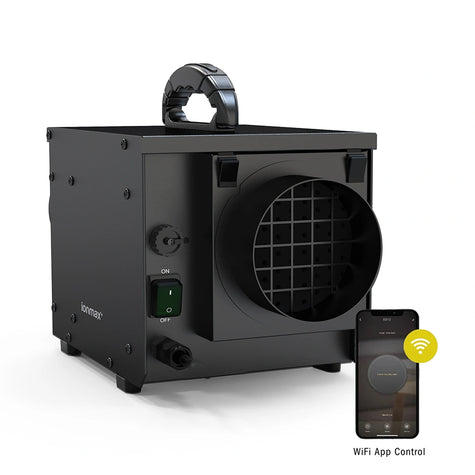
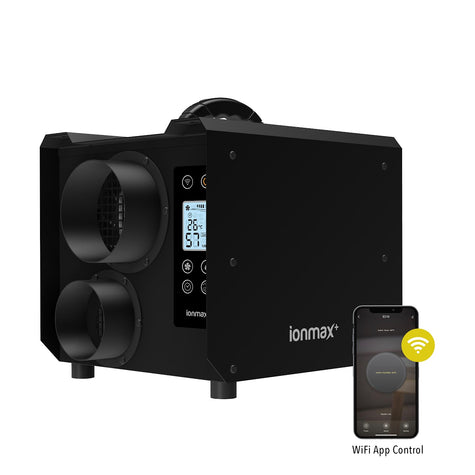
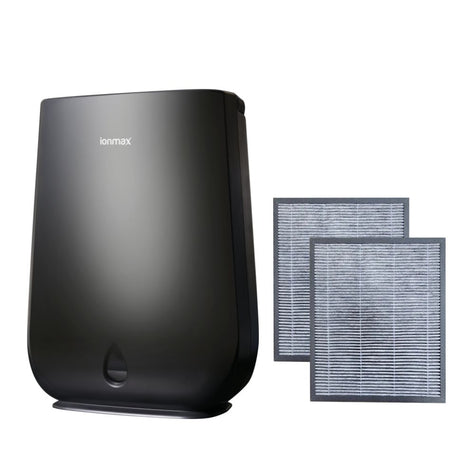
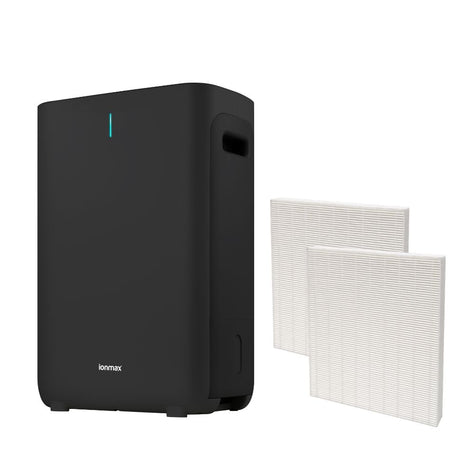
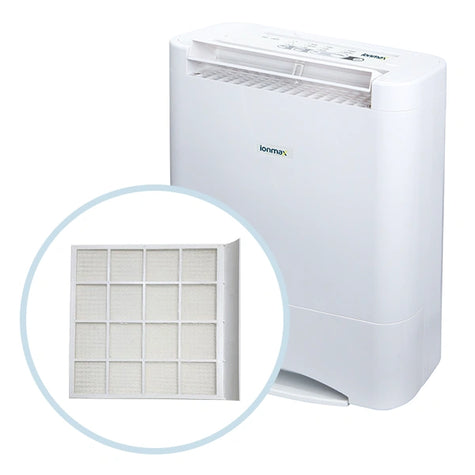
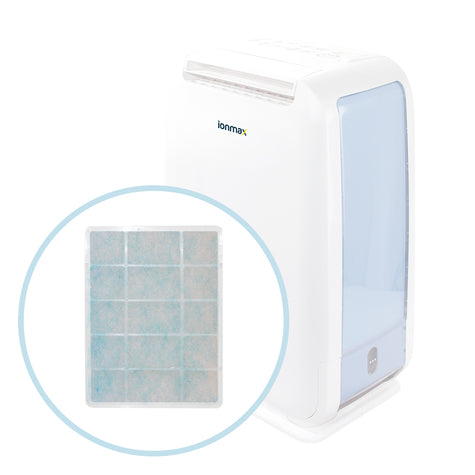
How dehumidifiers help prevent mould regrowth
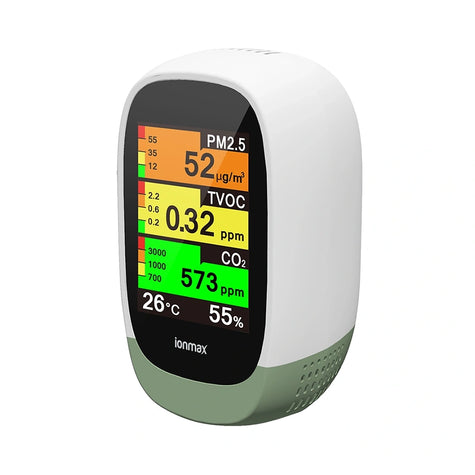
Mould thrives when indoor relative humidity (RH) stays above 60 percent. Sensitive Choice states that mould can grow at any level above 55 percent.
Ionmax recommends an RH level between 40 and 50 percent, where mould struggles to grow and indoor air feels more comfortable.
A dehumidifier helps by:
- Actively removing excess moisture from the air
- Reducing condensation on walls and windows
- Creating an environment where mould cannot easily return
- Supporting long-term air quality after remediation
In humid regions or homes with recurring condensation, a dehumidifier is often the most reliable way to maintain safe moisture levels, especially when natural ventilation is limited.
Mould remediation is essential when mould is widespread, hidden, or linked to water damage or health symptoms. For many Australian homes, early intervention and proper humidity control can prevent mould from becoming a serious problem.
Understanding the difference allows you to act early, protect your home, and safeguard your health.
Once mould is removed, managing moisture is the key to keeping it gone for good.
Shop Ionmax dehumidifiers to create environments that prevent mould build up today! Your home will thank you for it!