
This year, many people have asked us about the best air purifiers in Australia.
Not just “which model is the best”, but questions like:
- Do I really need one?
- Why does my house still feel dusty or stuffy?
- Are air purifiers actually doing anything?
With more time spent indoors, recurring bushfire seasons, and growing awareness around indoor air quality, it makes sense. But it also means there’s more noise than ever.
So here it is. A practical, no-nonsense guide to air purifiers in 2026. No hype, no scare tactics. Just what actually matters.
Step 1: start with the problem, not the product
The biggest mistake people make is buying an air purifier before understanding why they need one.
Common reasons we hear include:
- Allergies or hay fever that seem worse indoors
- Fine dust and particles (PM2.5), especially in urban areas
- Bushfire smoke lingering inside the home
- Pet dander and odours
- Musty smells linked to damp or mould-prone spaces
Different problems need different solutions. An air purifier that helps with dust may not be as effective for odours. And no purifier can “fix” moisture issues on its own.
Getting clear on the problem first saves a lot of frustration later.
Step 2: how air purifiers actually work
At their core, air purifiers do one simple job: they pull air in, pass it through filters, and release cleaner air back into the room.
The effectiveness comes down to three things:
- How much air it can move
- How well it filters that air
- How consistently it runs in your space
Bigger claims don’t automatically mean better results. Good airflow, proper filtration, and the right size for the room matter far more than buzzwords.
Step 3: filters explained without the jargon
This is where most of the real work happens.
HEPA filters
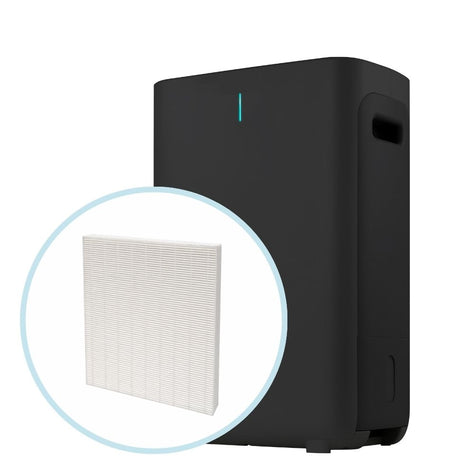
HEPA stands for High-Efficiency Particulate Air. These filters capture fine particles like dust, pollen, smoke, and airborne allergens. If you’re dealing with PM2.5 or bushfire smoke, this matters.
Activated carbon filters
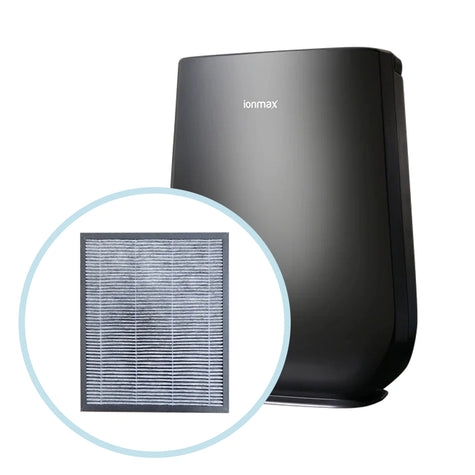
Designed to absorb odours, gases, and VOCs from cooking, pets, or household products.
LEARN MORE: What are activated carbon filters
Pre-filters
They catch larger particles first, helping extend the life of your main filters.
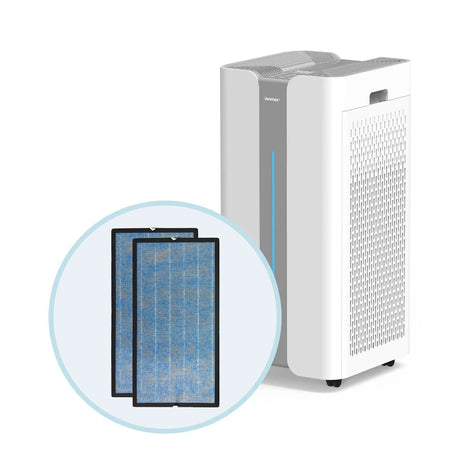
Filter quality and replacement frequency matter more than most people realise. A powerful unit with clogged filters won’t perform well, no matter how advanced it looks.

Step 4: room size and coverage (where most people get it wrong)
One of the most common issues we see is under-sizing.
An air purifier needs enough capacity to cycle the air in your room multiple times per hour. If it’s too small, it’ll run constantly without delivering noticeable results.
Bedrooms, living rooms, and open-plan areas all need different coverage levels. This is why choosing by room size is more reliable than choosing by price or appearance.
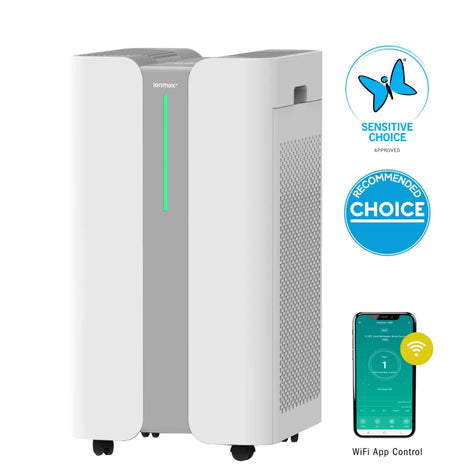
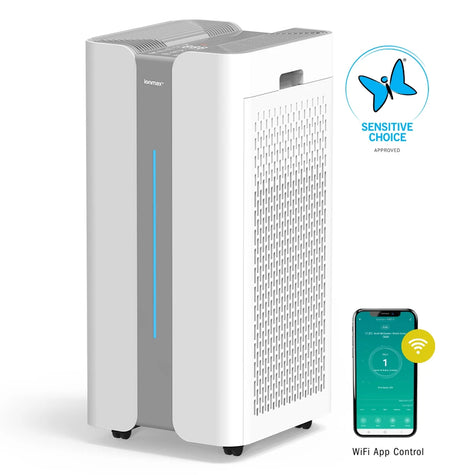
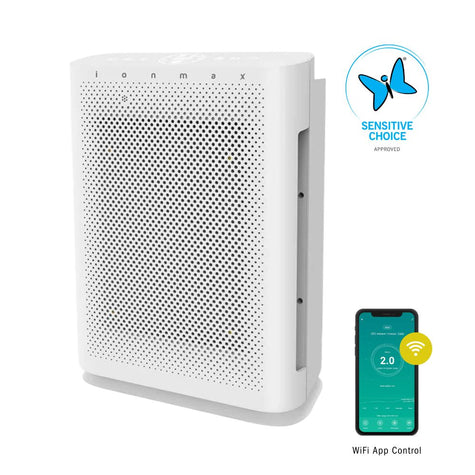
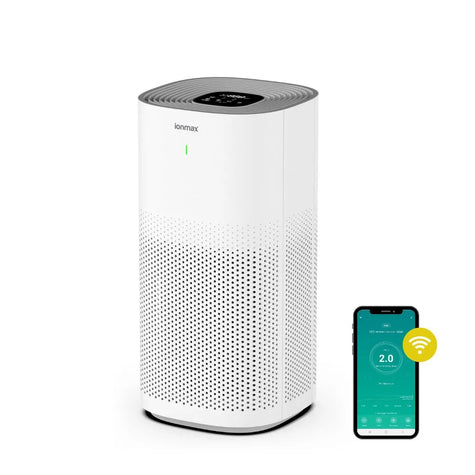
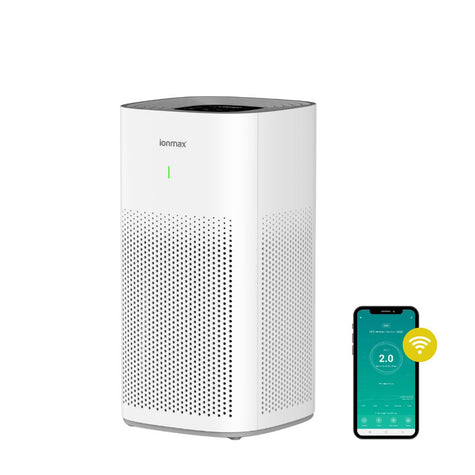
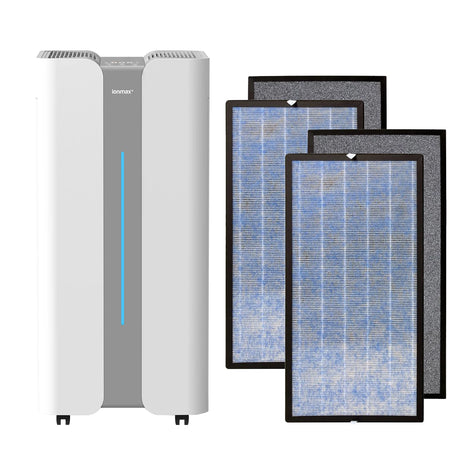
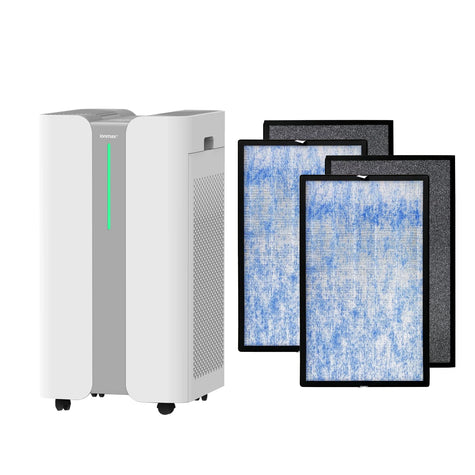
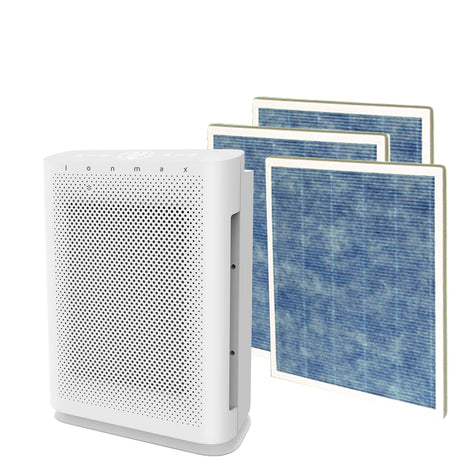
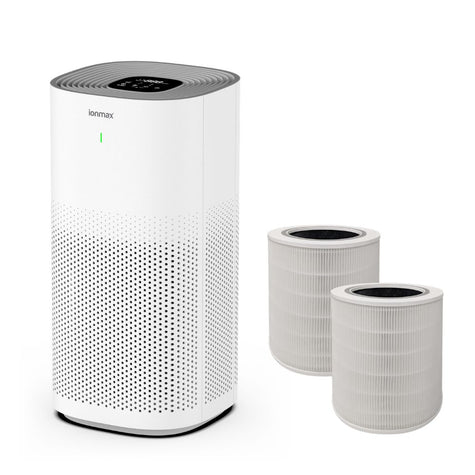
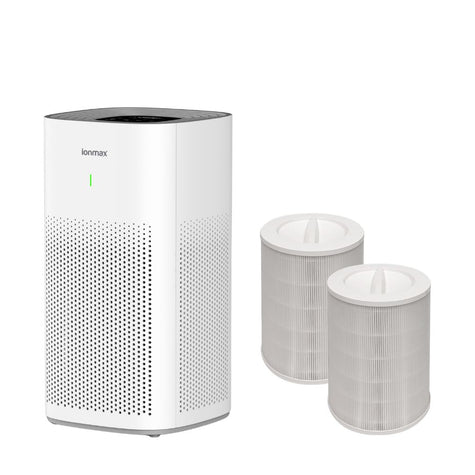
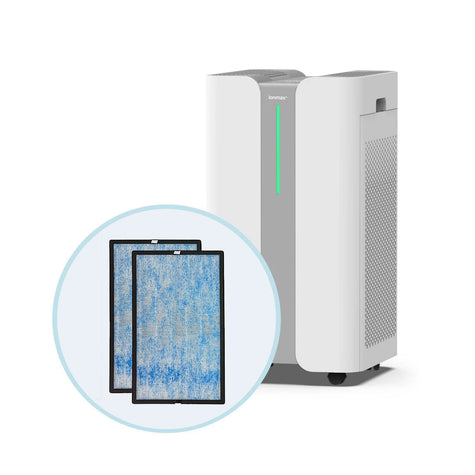
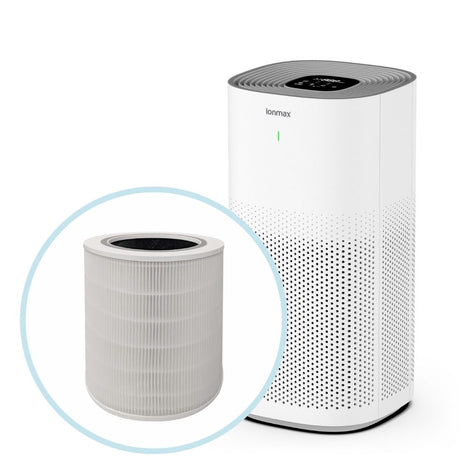
You can explore options by space using the Ionmax air purifier collection to make comparisons easier.
Step 5: air purifiers vs dehumidifiers (and when you need both)
Air purifiers clean the air. Dehumidifiers manage moisture.
If your home feels heavy, clammy, or smells musty, humidity is likely part of the issue. High humidity makes dust mites thrive, encourages mould growth, and makes air feel harder to breathe.
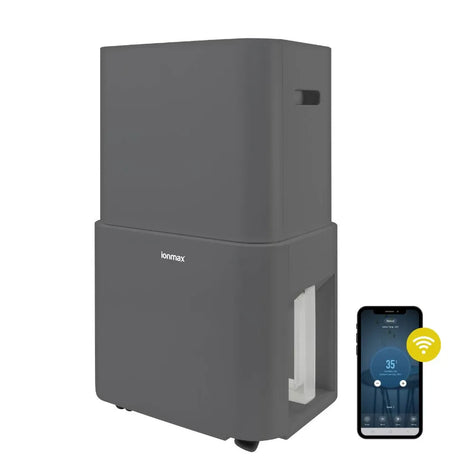
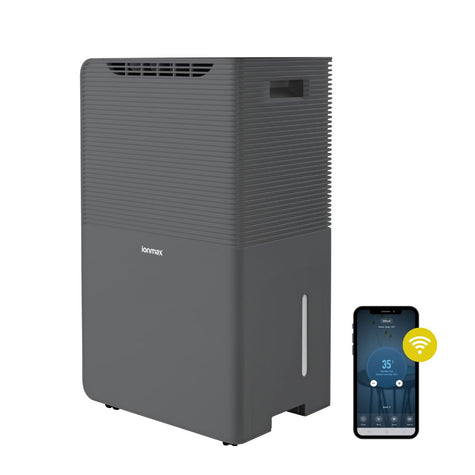
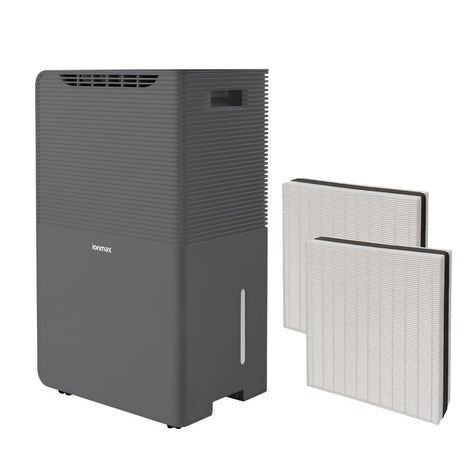
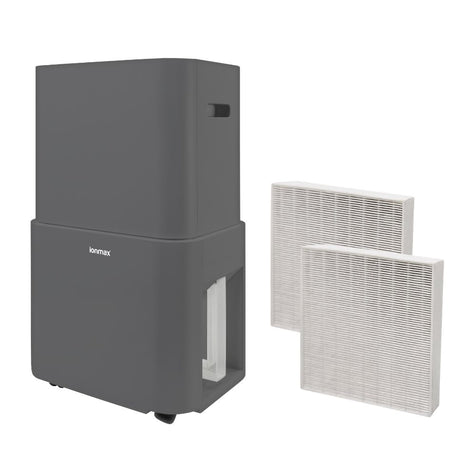
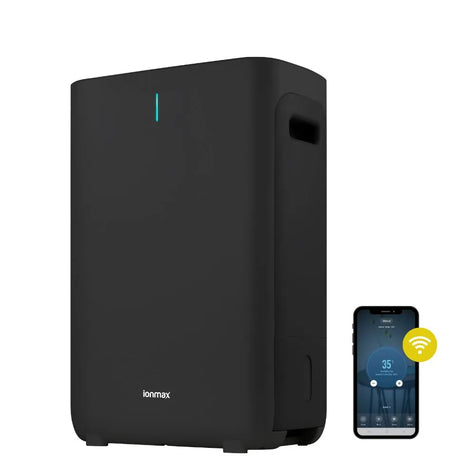
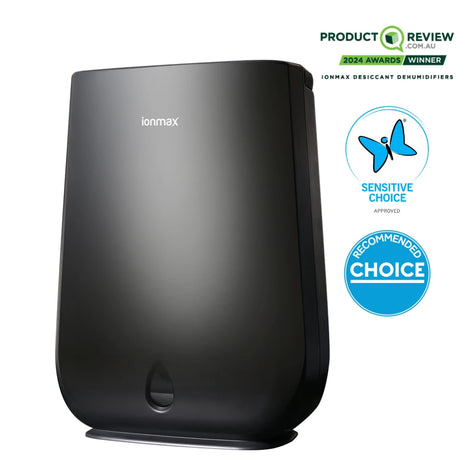
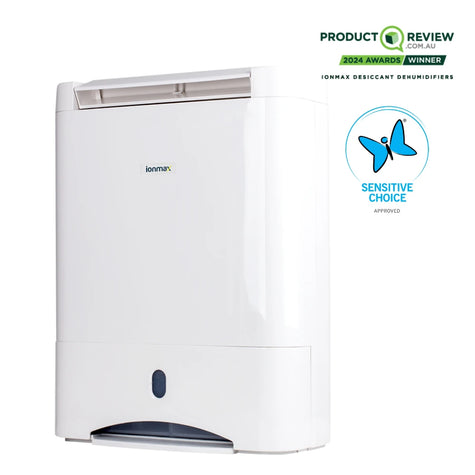
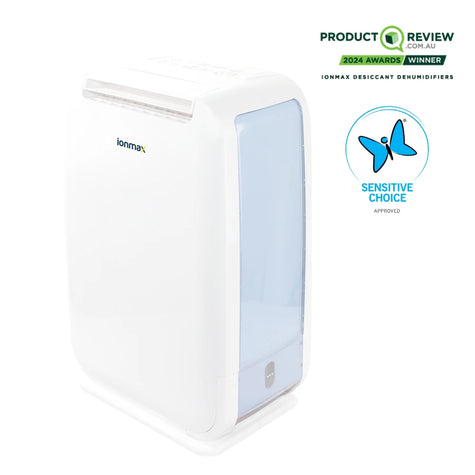
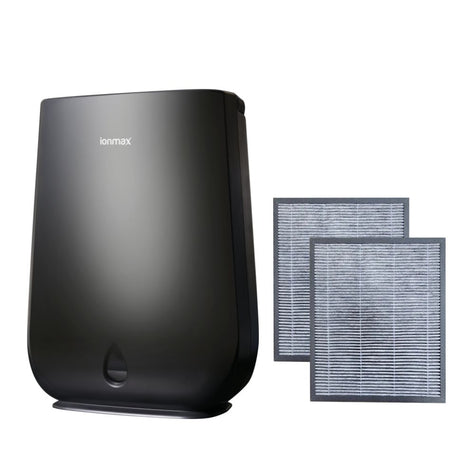
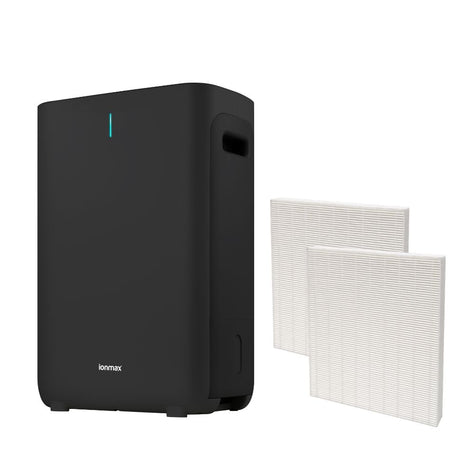
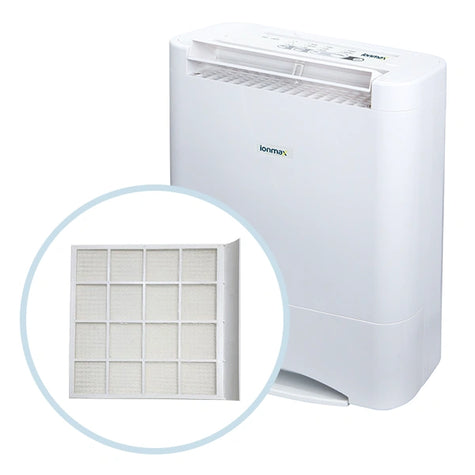
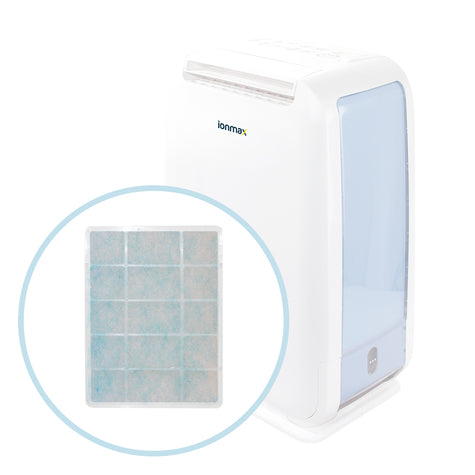
This is where 2-in-1 air purifier + dehumidifier units like the Ionmax Venta, Rhine Pro or Leone Pro make sense, especially in coastal or humid Australian homes.
These models are designed to tackle airborne particles while actively managing moisture, helping homes feel lighter and more comfortable overall.
Step 6: features that help (and ones you can ignore)
Worth having
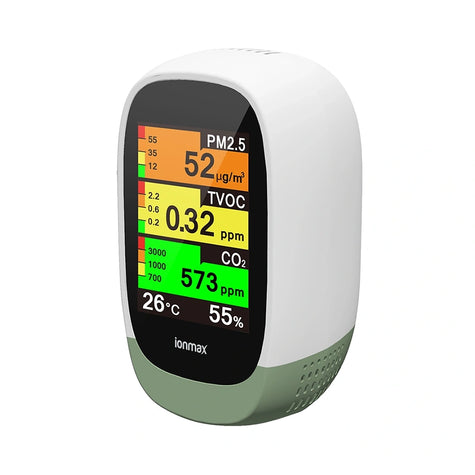
- Air quality sensors with auto mode
- Quiet operation for bedrooms
- Clear filter replacement indicators
Nice to have
- App control
- Wi-Fi connectivity
Often overhyped
- Extreme claims without testing
- Features that don’t improve filtration or airflow
A well-designed unit running consistently beats a feature-packed one that’s too loud or complicated to use daily.
Step 7: don’t forget running costs
It’s easy to focus on upfront price and forget long-term ownership.
Consider:
- Filter replacement costs
- How often filters need changing
- Power consumption
- Noise levels over time
A slightly higher upfront cost can be more economical if filters last longer and performance stays consistent.
Step 8: choosing the right air purifier for your home
Before buying, ask yourself:
- What am I trying to improve?
- How big is the space?
- Is humidity part of the problem?
- Am I willing to maintain filters properly?
Once those answers are clear, choosing the right unit becomes much simpler.
Final thoughts
Air purifiers aren’t miracle devices, but when chosen properly, they make a noticeable difference to how your home feels day to day.
Cleaner air, better comfort, and fewer irritants start with realistic expectations and the right setup for your space.
If you’re unsure where to start, browsing the Ionmax air purifier range or exploring dehumidifier models is a practical first step.
Clean air doesn’t need hype. It just needs the right approach.