
When spring arrives across Australia, warmer weather and longer days follow close behind. But for millions of Australians living with allergic rhinitis (hay fever) or asthma, spring also marks the arrival of rising pollen counts, airborne mold spores, and persistent morning congestion.
Managing seasonal allergies requires more than just keeping antihistamines in your medicine cabinet, it requires stopping airborne triggers before they settle in your lungs, carpets, and bedding.
Use this ultimate spring allergy checklist to protect your respiratory system, clear your indoor air, and turn your home into an allergen-free sanctuary.
1. Audit and Seal Your Home’s Entry Points
High winds during spring transport microscopic grass pollen, weed spores, and environmental dust directly into your home.
- The Trigger: Leaving windows wide open on windy spring days allows airborne pollen to settle deep into soft furnishings, carpets, and mattresses, where it continues to trigger symptoms long after the windows are shut.
- The Fix: Keep windows closed during peak morning pollen hours (typically 5:00 AM to 10:00 AM) and on high-wind days. Inspect window frames and door seals for gaps, and switch from outdoor air ventilation to continuous indoor air scrubbing.
2. Strip Triggers from Bedding and Soft Furnishings
Microscopic allergens easily hitch a ride indoors on outdoor clothing, hair, and pet fur. Once inside, they settle where you sleep.
- The Trigger: Dust mites thrive in warming spring temperatures and elevated indoor humidity. Meanwhile, pollen clinging to outdoor clothing transfers directly onto sofas and bedding.
- The Fix: Wash bed sheets, pillowcases, and blankets weekly in hot water (60°C or higher) to eliminate dust mites. Establish a "landing zone" at your front entry to remove shoes and outer jackets immediately upon entering. Vacuum rugs and soft furniture regularly using a unit equipped with a sealed HEPA filter.
3. Control Indoor Moisture to Prevent Mold Spores
Spring rains combined with rising indoor temperatures create prime conditions for mold growth in laundries, bathrooms, and unventilated rooms.
- The Trigger: When indoor relative humidity rises above 60%, mold spores and dust mite populations multiply rapidly. Inhaling microscopic mold spores triggers severe coughing fits, wheezing, and sinus irritation.
- The Fix: Maintain indoor humidity strictly between 30% and 50%. Use exhaust fans while cooking or showering, and avoid drying wet laundry indoors on clothes airers without adequate moisture control.
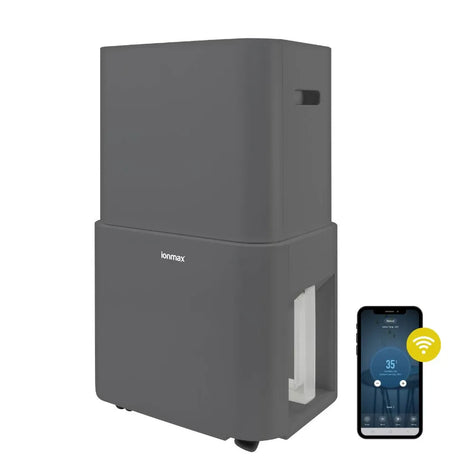
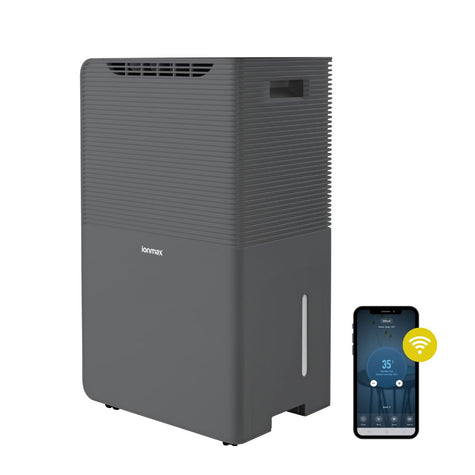
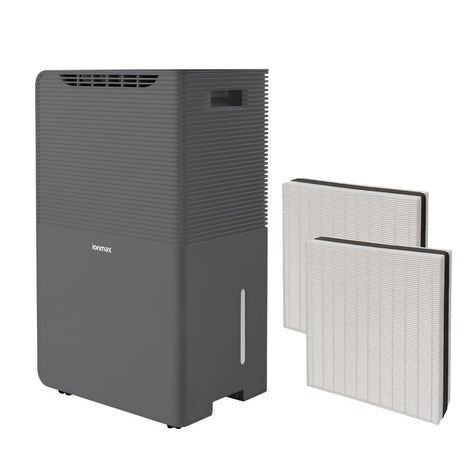
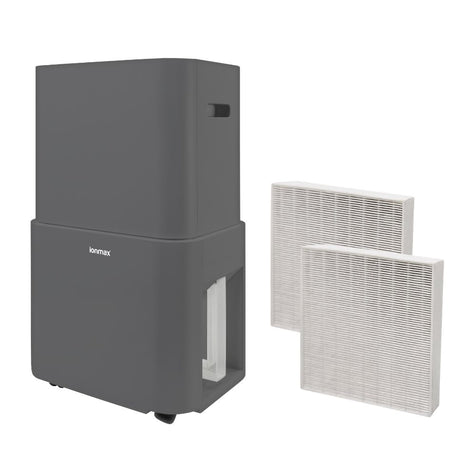
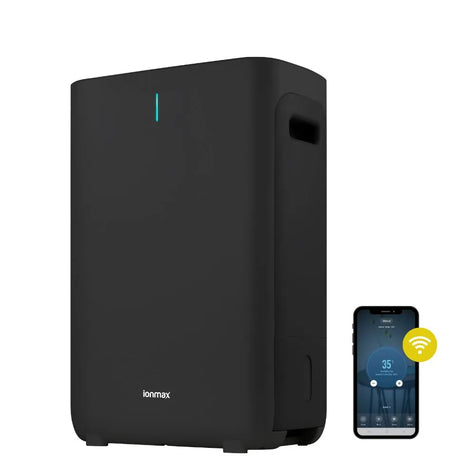
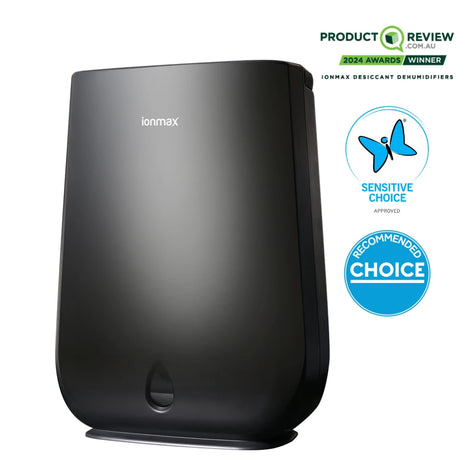
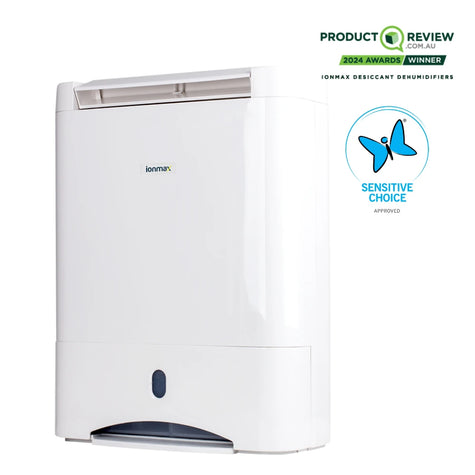
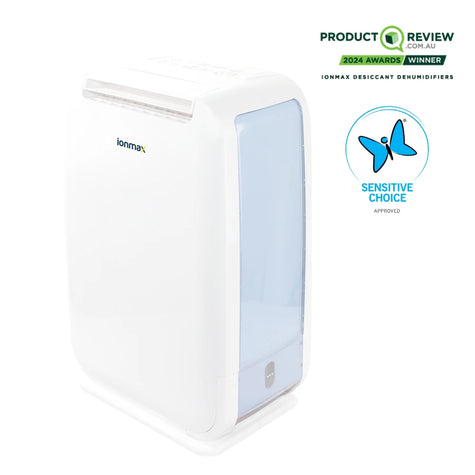
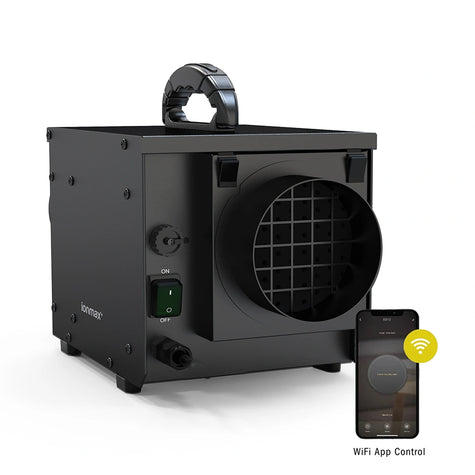
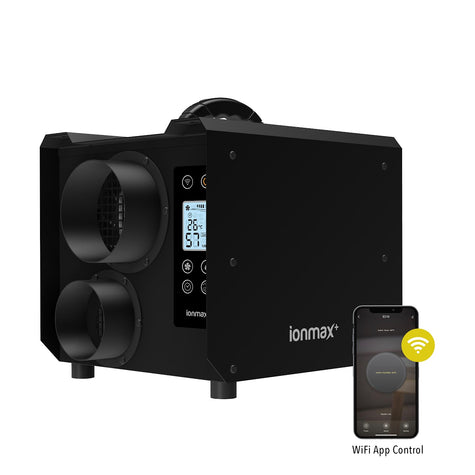
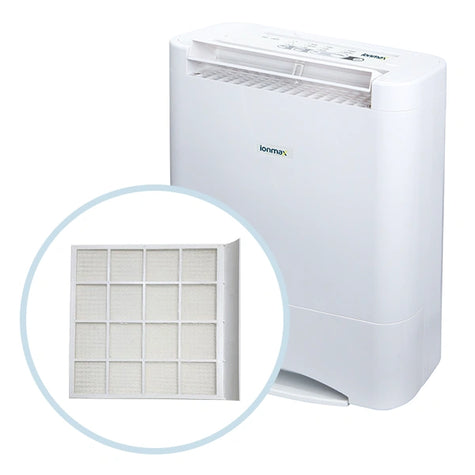
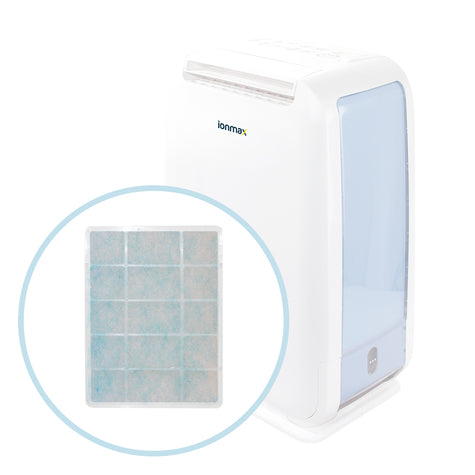
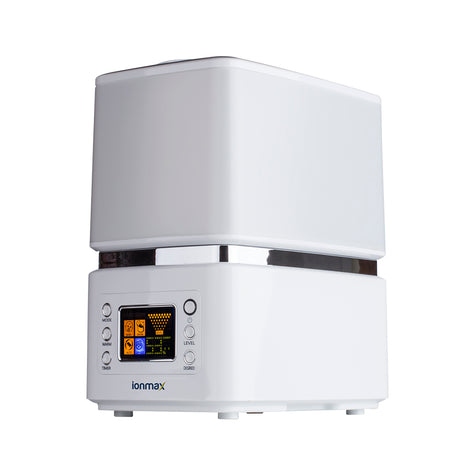
🌧️ Beat Spring Mold & Humidity: Eliminate excess moisture at the source with an Ionmax Desiccant or Compressor Dehumidifier. Designed for Australian homes, Ionmax dehumidifiers pull liters of moisture from the air daily, stopping mold spores and dust mites before they spread.
4. Scrub Airborne Pollen and Fine PM2.5 Particles
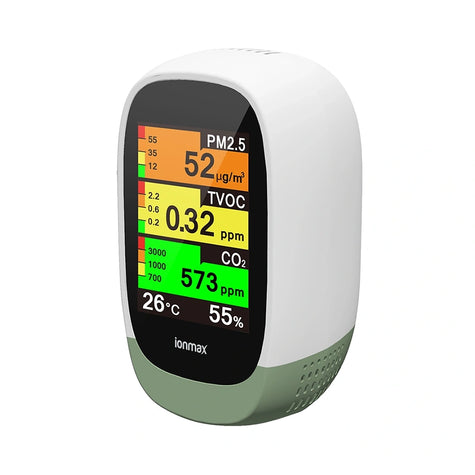
Fine particulate matter PM2.5 and microscopic pollen grains float invisibly in room air, staying suspended for hours in stagnant indoor environments.
- The Trigger: Inhaling suspended microscopic triggers keeps your immune system in a state of constant flare-up, leading to red eyes, a dry throat, and inflamed nasal passages.
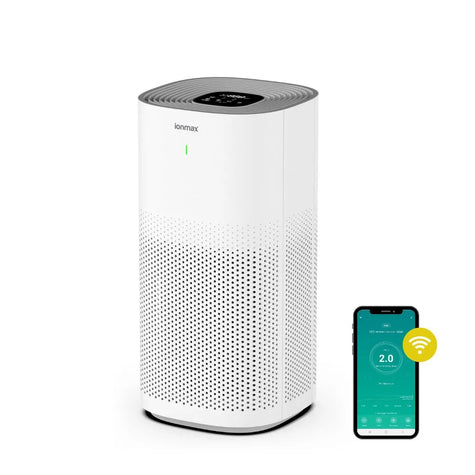
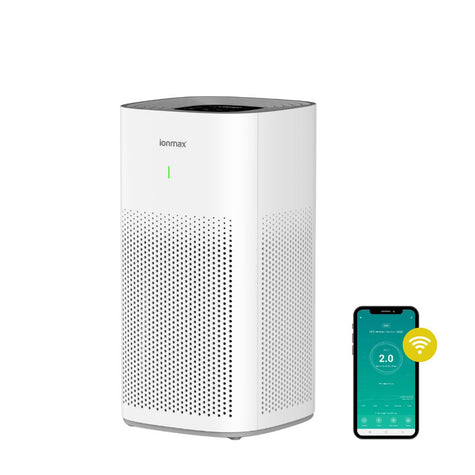
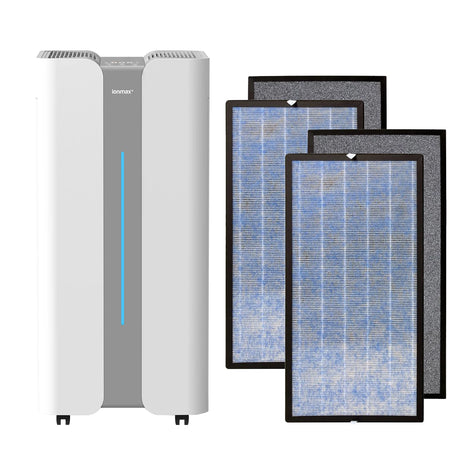
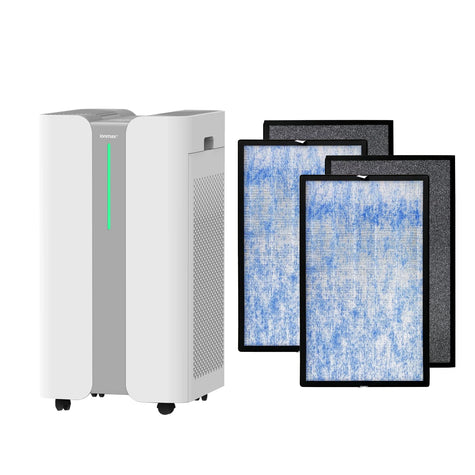
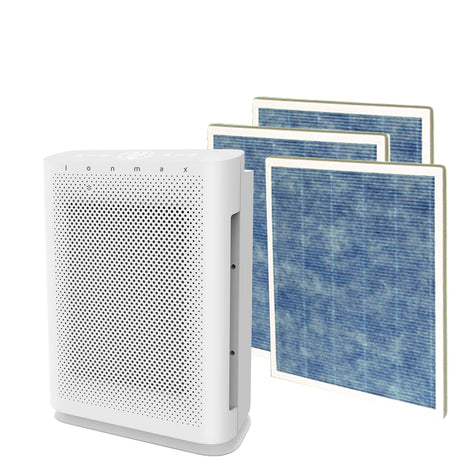
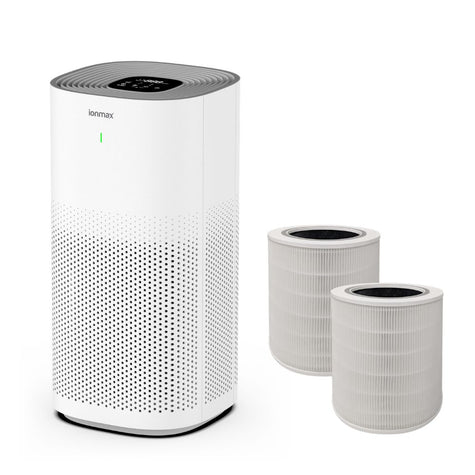
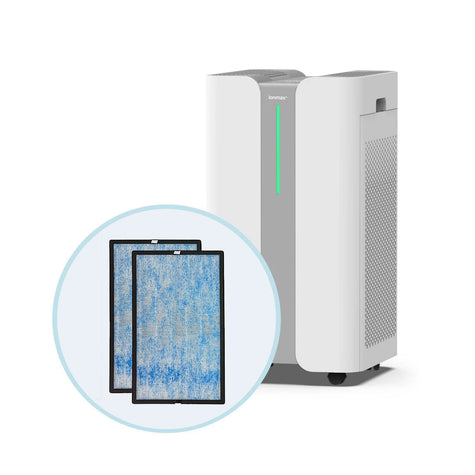
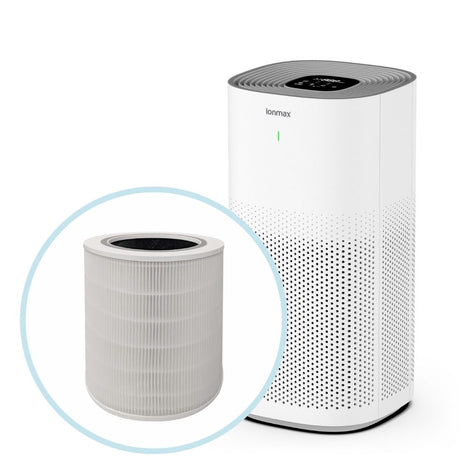
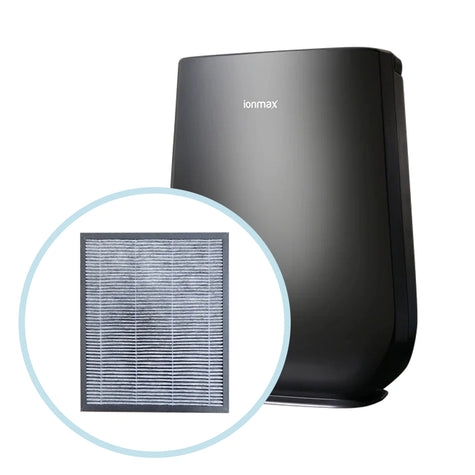
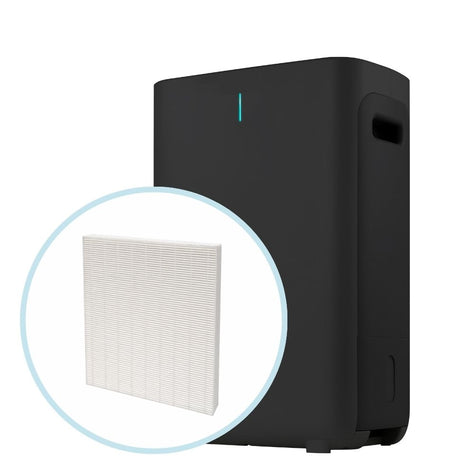
- The Fix: Deploy multi-stage air purification in high-traffic living areas and bedrooms. Ensure your purifier utilizes a Medical-Grade H13 HEPA filter, which is tested to capture up to 99.97% of airborne particles as small as 0.3 microns including fine grass pollen, pet dander, and dust mite debris.
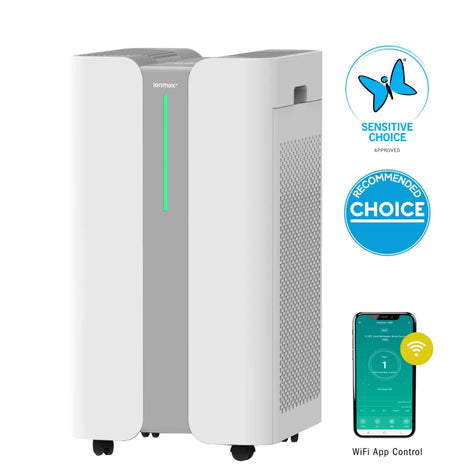
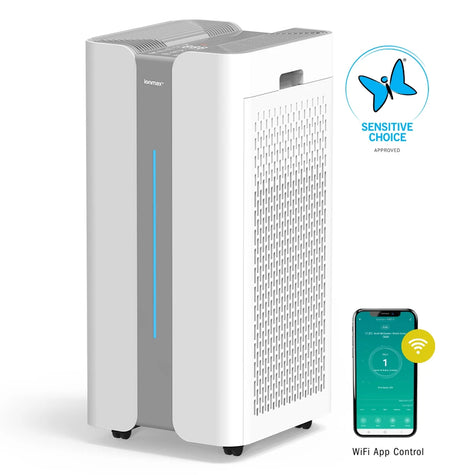
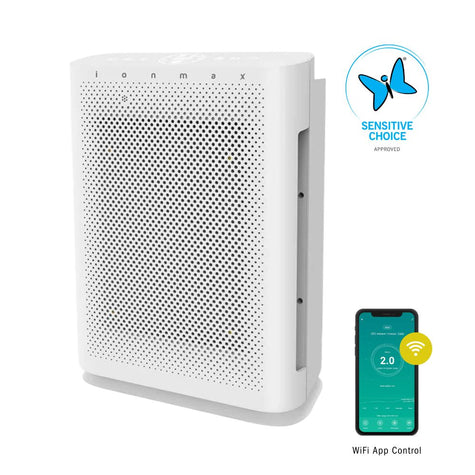
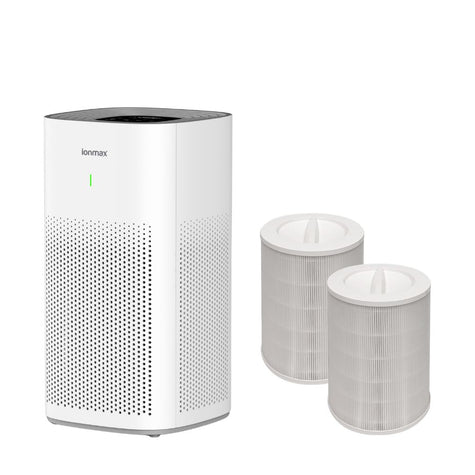
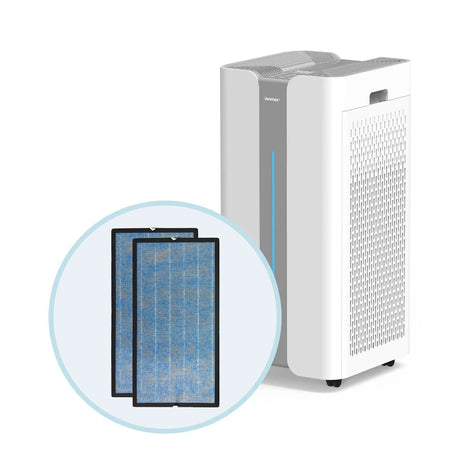
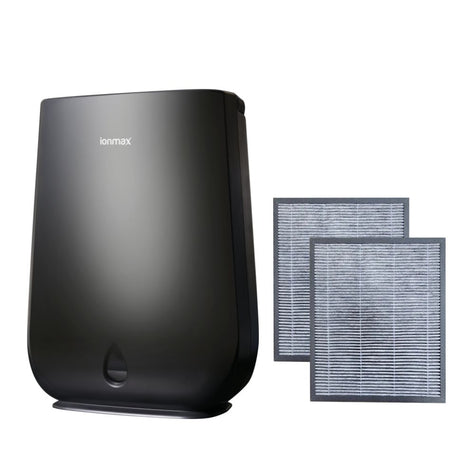
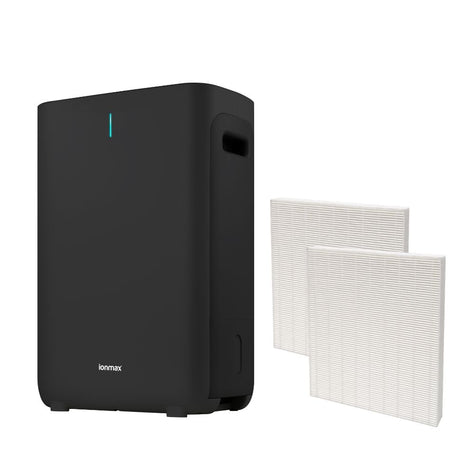
🍃 Clear the Air with Ionmax: Ionmax Air Purifiers combine Medical-Grade H13 HEPA filtration, Activated Carbon layers, and UV-C technology to capture fine pollen, trap harsh odors, and neutralize airborne bacteria silently.
5. Build an Allergen-Free Bedroom Sanctuary
Inhaling trapped allergens overnight disrupts sleep quality, leaving you feeling exhausted and congested every morning.
- The Trigger: Sleeping in a room with stagnant air and trapped allergens causes nocturnal mouth-breathing, snoring, and frequent awakenings.
-
The Fix: Keep pets out of the bedroom during peak spring months. Avoid line-drying bed sheets outdoors on high-pollen days where spores easily attach to fabrics. Run your air purifier on a dedicated Sleep Mode overnight to maintain continuous, whisper-quiet filtration while you rest.

Take Control of Your Spring Air Quality Today
Don't spend this spring hiding indoors or relying solely on temporary remedies. By systematically removing environmental triggers and purifying your home's air volume, you can protect your lungs and enjoy the season in comfort.
Protect your home and family this season:
- 💨 Capture Airborne Pollen: Browse Ionmax Air Purifiers
- 💧 Stop Mold Growth: Explore Ionmax Dehumidifiers
- 💬 Find Your Ideal Unit: Contact the Ionmax Air Quality Team
Sourcing & References
- National Asthma Council Australia: Sensitive Choice - Pollen and Allergy Guidelines.
- Australasian Society of Clinical Immunology and Allergy (ASCIA): Allergic Rhinitis and Seasonal Pollen Exposures.
- World Health Organization (WHO): Indoor Air Quality Guidelines: Dampness and Mould.
- Safe Work Australia: Indoor Air Quality in Australian Buildings.