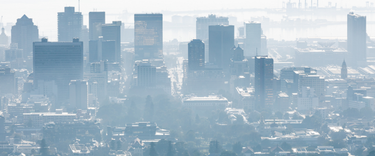
As fire authorities across Australia conduct critical hazard reduction burns to prepare for upcoming hot seasons, major metropolitan centers like Sydney frequently find themselves shrouded in a thick, acrid haze. While these controlled burns are essential for protecting regional communities from catastrophic bushfires, the resulting smoke creates a immediate indoor air quality (IAQ) crisis for urban residents.
If you have noticed a lingering smoke smell in your living room or experienced sudden eye irritation, sneezing, and respiratory tightness during recent burnoff events, you aren't imagining it. Smoke doesn't stop at your front door.
The Hidden Science: Why Hazard Reduction Smoke Hits Inner Cities
Controlled burnoffs are typically conducted during calm, cool atmospheric conditions to ensure fires remain manageable. However, these exact weather patterns trigger a meteorological phenomenon known as a temperature inversion.
Instead of smoke rising and dispersing into the upper atmosphere, a layer of warm air acts like a lid, trapping heavy smoke close to the ground. Mountain and valley winds then push this concentrated haze directly into low-lying urban basins like Greater Sydney.
The Danger of PM 2.5 Particles
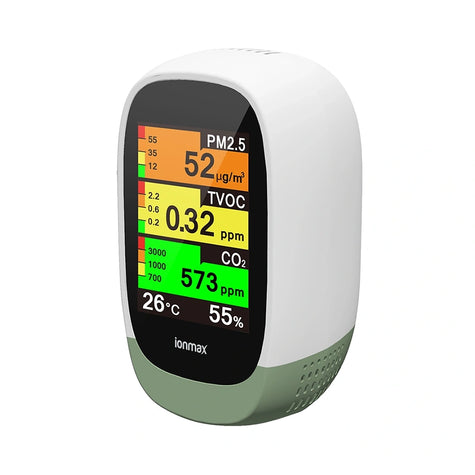
The primary health hazard in burnoff smoke is fine particulate matter, known as PM 2.5.
- Microscopic Size: These particles measure 2.5 microns or smaller, roughly 30 times thinner than a human hair.
- Deep Infiltration: Because they are so microscopic, PM 2.5 particles easily bypass your body's natural respiratory filters (nose hairs and mucus), traveling deep into lung tissue and entering the bloodstream.
- Structural Penetration: Standard door seals, window tracks, and sub-floor vents cannot stop PM 2.5. Fine smoke particles continuously seep into sealed homes, degrading indoor air quality even when windows remain shut.
Current Impact: How Sydney Is Being Affected
During peak hazard reduction windows across New South Wales, Sydney regularly experiences severe spikes in air pollution. When atmospheric inversions lock in smoke from prescribed burns across the Blue Mountains, Hawkesbury, and Central Coast regions, Sydney’s Air Quality Index (AQI) often drops from "Good" to "Poor" or "Hazardous" within a matter of hours.
Landmarks like the Sydney Harbour Bridge and Sydney Opera House become cloaked in thick gray haze, but the real issue lies inside residential apartments and suburban homes.
Inner-city areas, such as Surry Hills, Parramatta, Newtown, and the CBD, experience heavy concentrations of trapped PM 2.5 smoke. For the millions of Sydneysiders living with asthma, seasonal allergies, or cardiovascular conditions, these burnoff events trigger immediate flare-ups, coughing fits, disrupted sleep, and headache spikes.
How to Protect Your Home and Health During Smoke Events
Protecting your household from smoke haze requires a proactive approach to moisture management and air filtration.
1. Seal Your Home's Perimeter Early
- Lock Windows and Doors: Close all external openings as soon as local fire services announce planned burnoffs in your region.
- Recirculate Indoor Air: Set split-system air conditioners to "recirculate" mode to prevent the unit from drawing smoky outside air into your living spaces.
- Block Drafts: Place draft stoppers or damp towels at the base of external doors and seal gaps around old window frames.
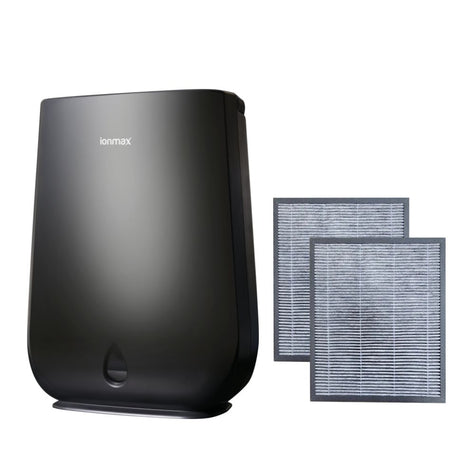
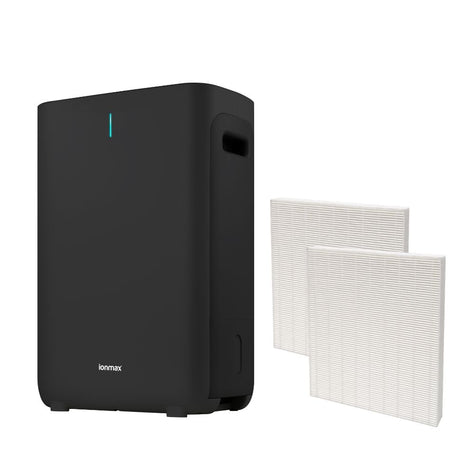
2. Deploy Medical-Grade H13 HEPA Air Purification
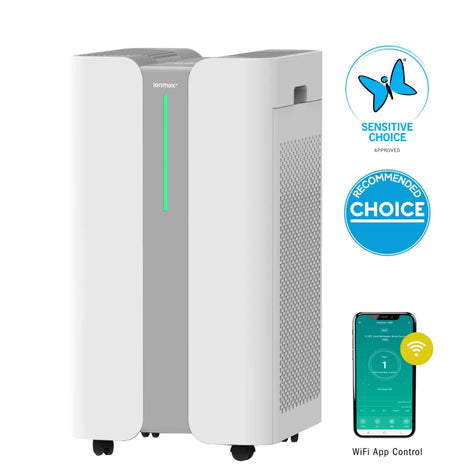
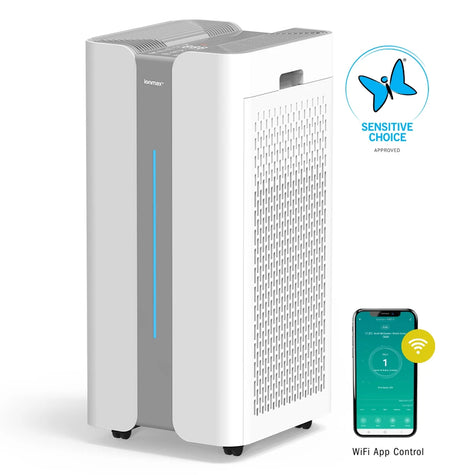
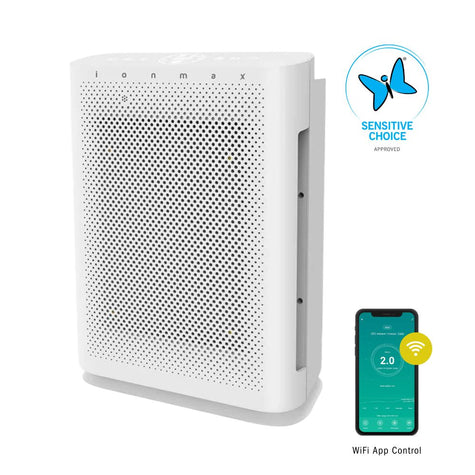
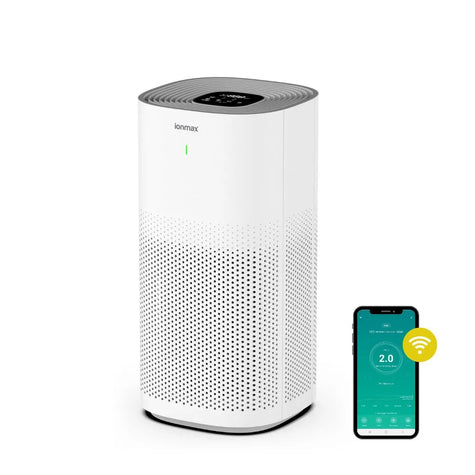
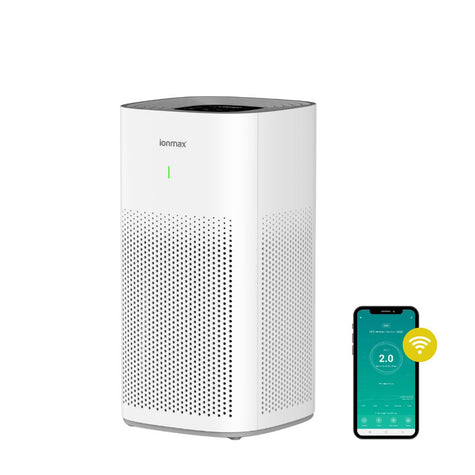
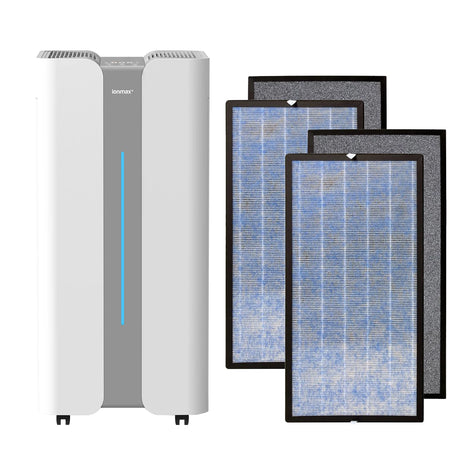
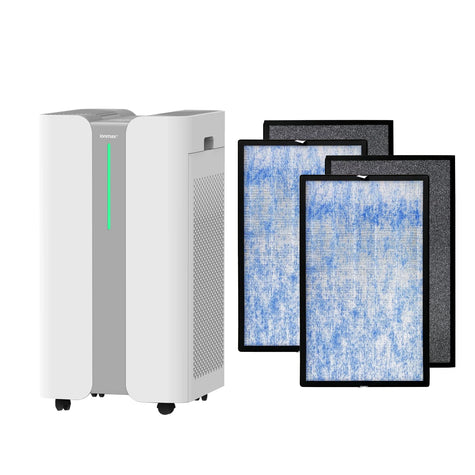
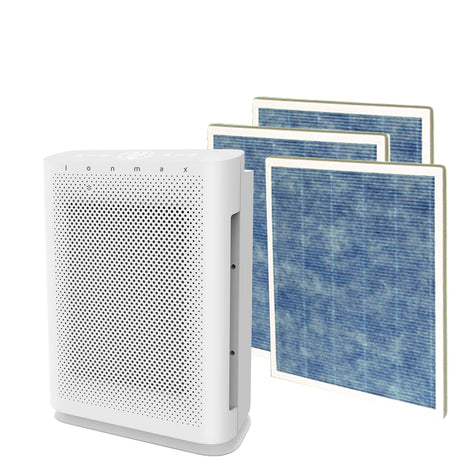
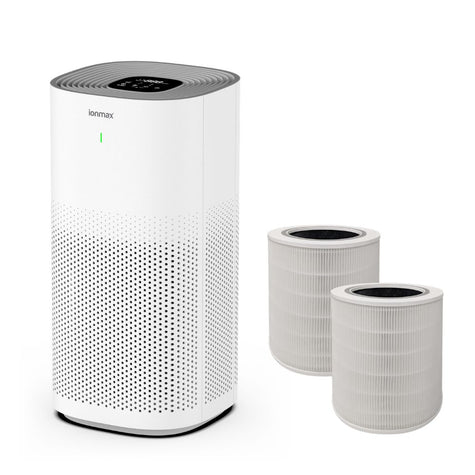
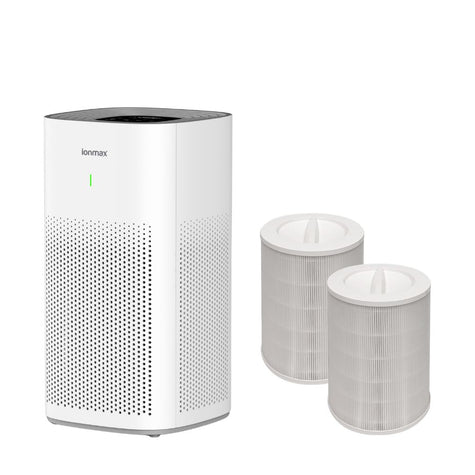
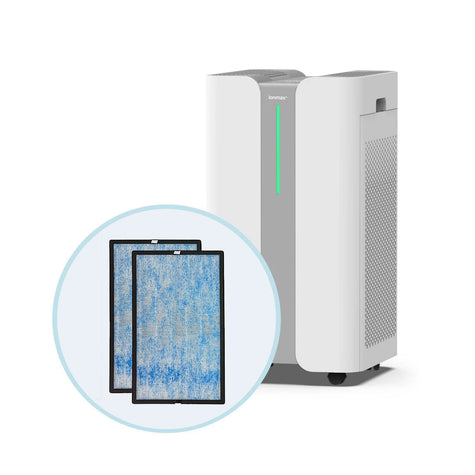
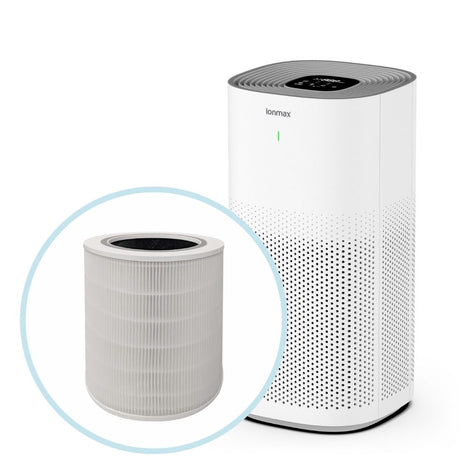
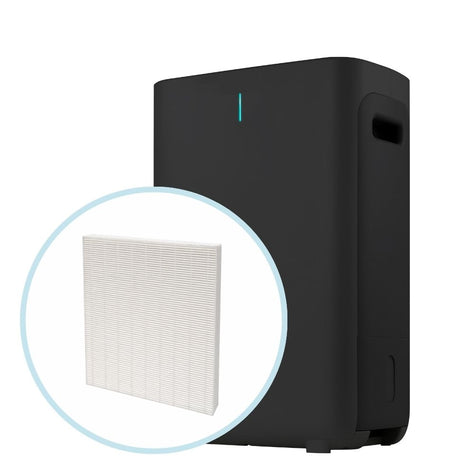
Standard ventilation won't clear indoor smoke, you need active filtration. Running an air purifier equipped with a medical-grade H13 HEPA filter traps 99.97% of airborne particles down to 0.3 microns, effectively capturing fine PM 2.5 ash, soot, and smoke debris.
3. Neutralize Odours with Activated Carbon
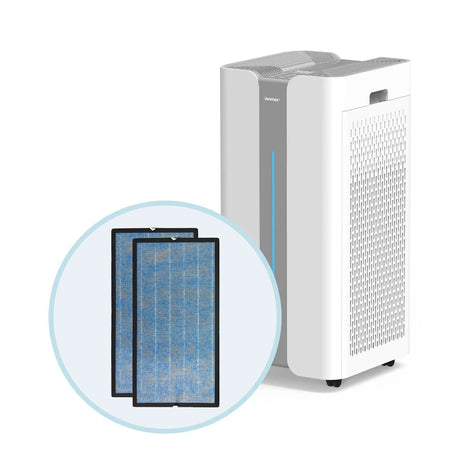
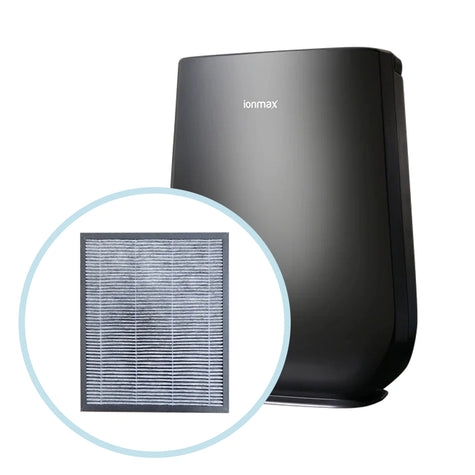
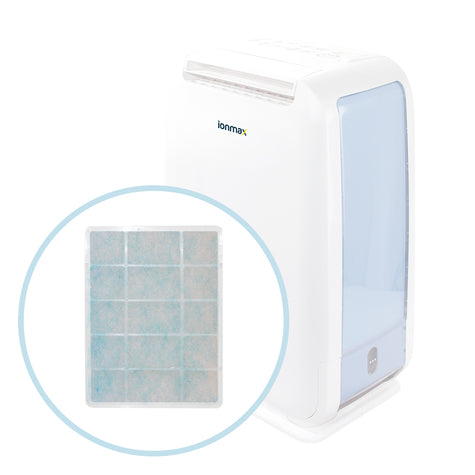
While HEPA filters capture physical smoke particles, they cannot catch smoke gases or volatile organic compounds (VOCs). Ensure your air purifier includes a heavy-duty Activated Carbon filter to absorb burnt-timber odours and toxic gas compounds before they settle into your carpets and furniture.
4. Practice Safe Indoor Laundry Drying
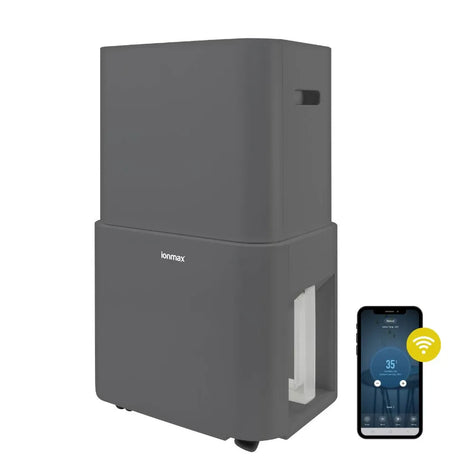
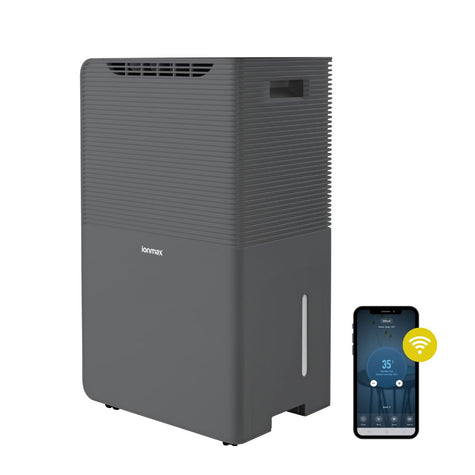
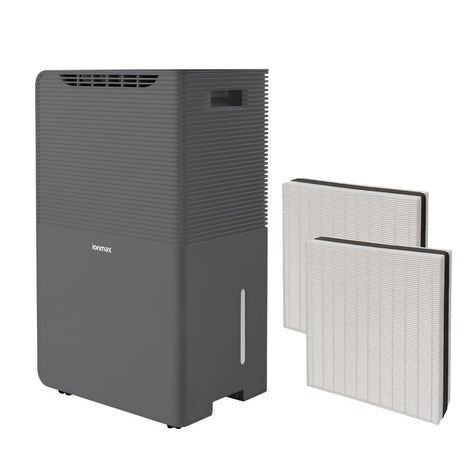
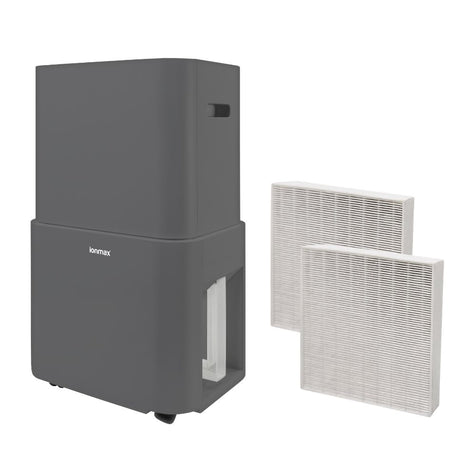
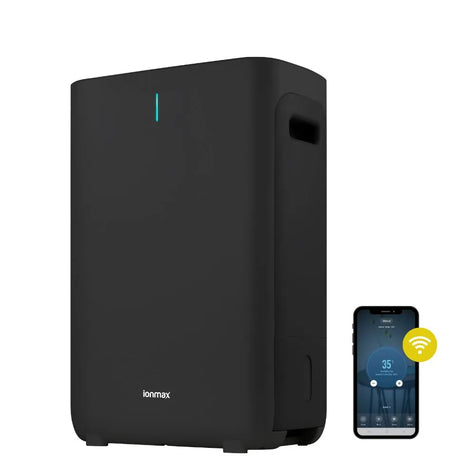
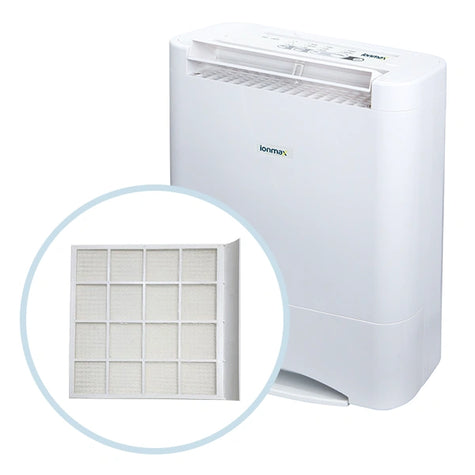
Never hang wet laundry outside during a smoke advisory, as damp fabrics act like a magnet for airborne ash and PM 2.5 particles. If you are drying clothes indoors, pair your laundry space with an efficient desiccant dehumidifier to dry garments fast without creating high indoor humidity or mould growth.
Take Control of Your Indoor Air with Ionmax
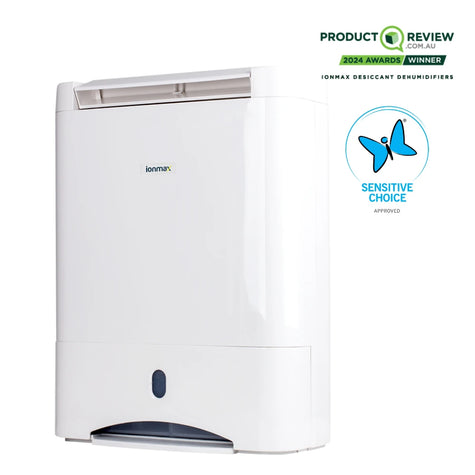
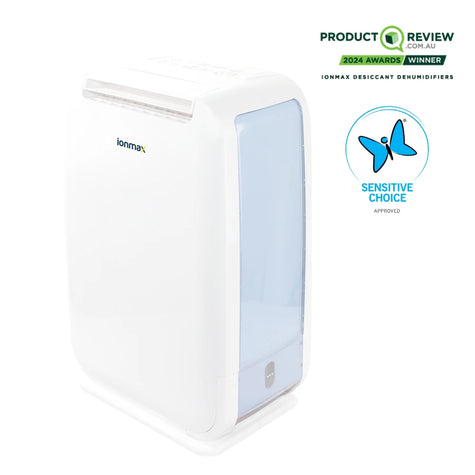
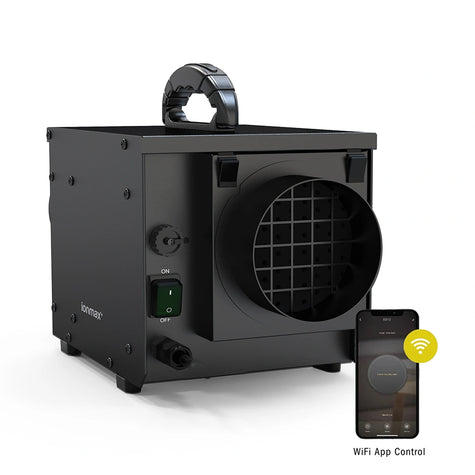
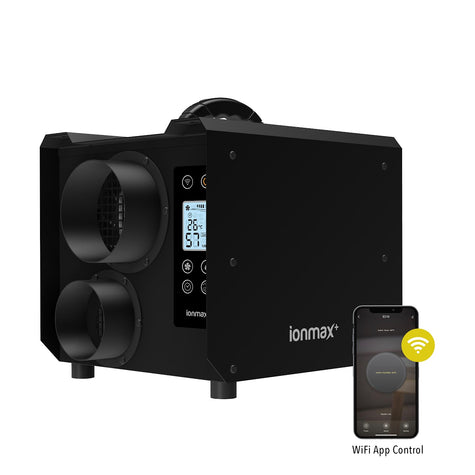
Don't let hazard reduction smoke ruin your indoor comfort. Ionmax provides Australian homes with Sensitive Choice® approved HEPA air purifiers and high-capacity dehumidifiers designed to eliminate PM 2.5 smoke particles, neutralize harsh odours, and keep your indoor air fresh, clean, and safe year-round.