






When we think of drought, we typically picture cracked earth and empty dams forming over months or years. However, a dangerous climatic phenomenon known as a flash drought can develop in just a matter of weeks.
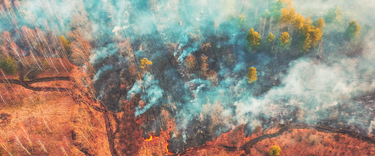
Characterized by rapid onset and extreme intensity, flash droughts create the perfect storm for devastating bushfires and dangerous air pollution. Understanding how these weather events unfold and how they impact the air inside your living space is essential for protecting your respiratory health.
What Is a Flash Drought?
Unlike traditional droughts caused simply by a lack of rainfall over extended periods, a flash drought is driven by anomalously high temperatures, low relative humidity, strong winds, and high solar radiation.
This combination creates extreme evapotranspiration, rapidly pulling moisture out of the soil and plant life. In just two to four weeks, healthy environments can shift into severe drought states, creating massive hazards for regional and metropolitan communities alike.
How Flash Droughts Trigger Devastating Bushfires
Flash droughts serve as an accelerant for severe fire seasons by altering the landscape at unprecedented speeds:
- Creation of "Tinderbox" Fuel Loads: The rapid moisture loss causes grasses, underbrush, and forest canopies to dry out almost overnight. Living vegetation quickly transforms into volatile fuel ready to burn.
- Lowered Ignition Thresholds: Extremely dry fuel loads require minimal energy to ignite. A single spark from lightning, agricultural machinery, or power lines can instantaneously spark fast-moving blazes.
- Hotter, Uncontrollable Fire Behavior: Because the fuel is so dry, flash-drought-fueled bushfires burn hotter and spread significantly faster, often outpacing containment efforts and generating their own localized weather systems.
The Environmental and Air Quality Aftermath
The rapid onset of bushfires during a flash drought creates an immediate air quality crisis that reaches far beyond the fire front:
1. Microscopic Particulate Matter (PM 2.5) Spikes
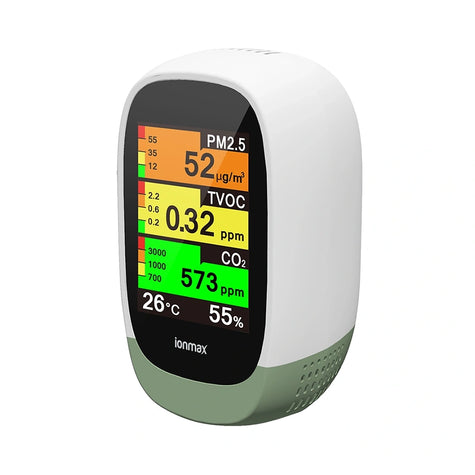
Intense blazes release vast plumes of fine particulate matter PM 2.5. Measuring less than 2.5 microns in diameter, these microscopic soot and ash particles bypass your upper respiratory defenses, penetrating deep into lung tissue and entering the bloodstream.
2. Accelerated Dust Storms
Flash droughts kill off ground-cover vegetation, leaving topsoil dry and brittle. High winds easily pick up exposed soil, creating massive dust storms that mix coarse particles PM 10 with active bushfire smoke haze.
3. The "Sealed Indoor Air" Trap
During the extreme heatwaves accompanying flash droughts, households naturally seal up windows and run air conditioning continuously. Without active air purification, trapped indoor air accumulates fine smoke particles, volatile organic compounds (VOCs), and stale humidity from daily indoor living.
How to Protect Your Home and Lungs
When flash droughts spark bushfires and dust haze, taking proactive steps to safeguard your indoor air quality is vital:
- Seal Entry Points: Keep windows and doors tightly shut during smoke advisories, and set split-system air conditioners to "recirculate" mode.
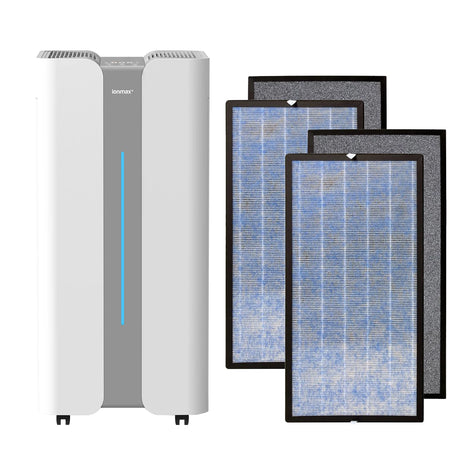
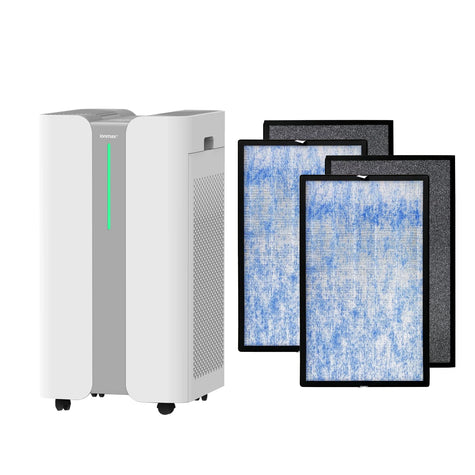
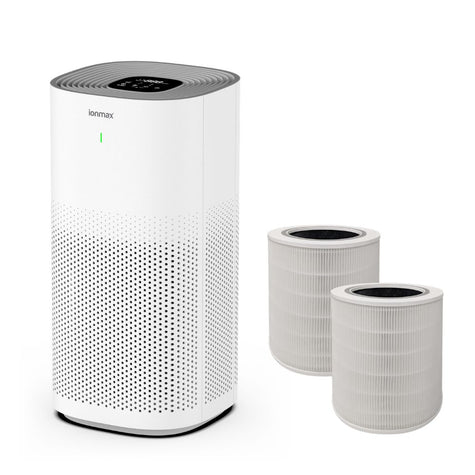
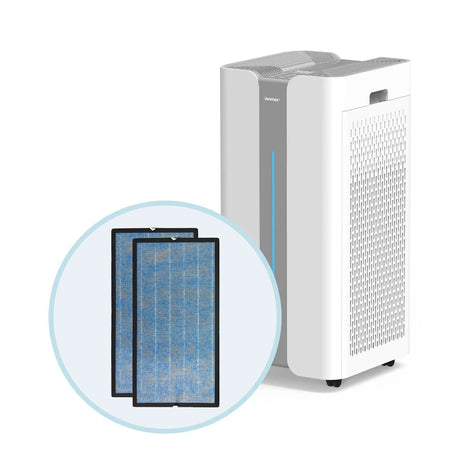
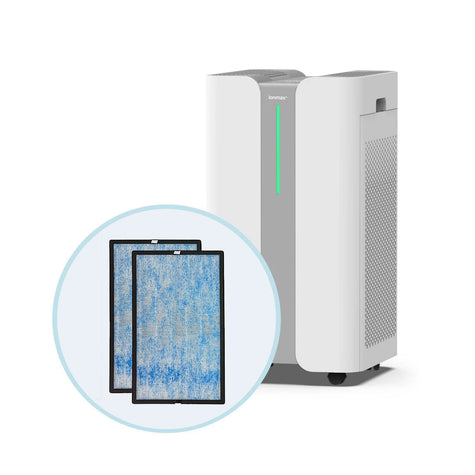
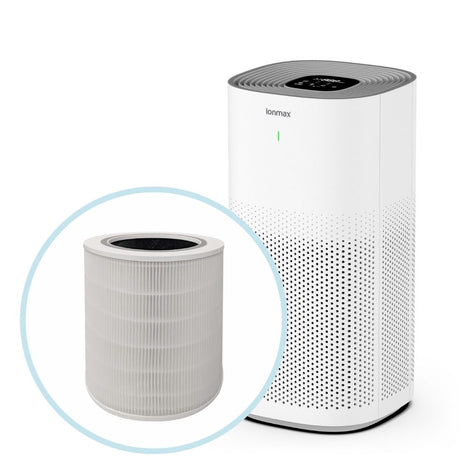
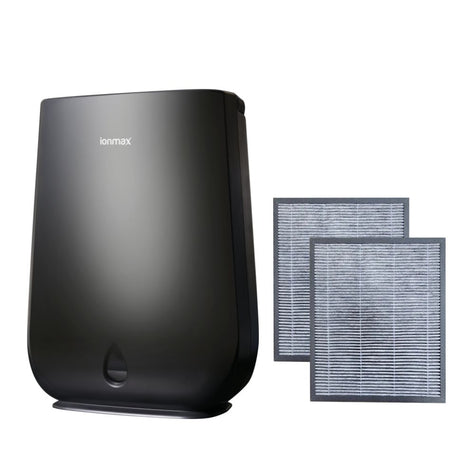
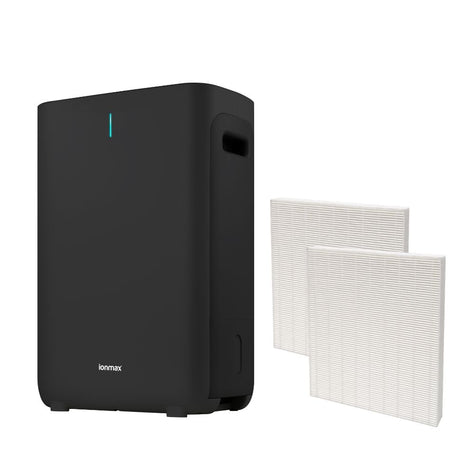
- Filter Fine Particulates: Deploy medical-grade H13 HEPA air purification in high-use areas like bedrooms and living rooms. HEPA filters trap 99.97% of airborne particles down to 0.3 microns, including PM 2.5 smoke and fine dust.
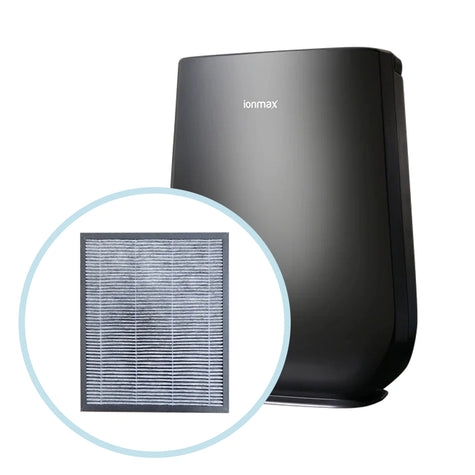
- Neutralize Smoke Odours: Ensure your air purification system features an Activated Carbon filter to absorb toxic gases, chemical VOCs, and burnt-timber smells.
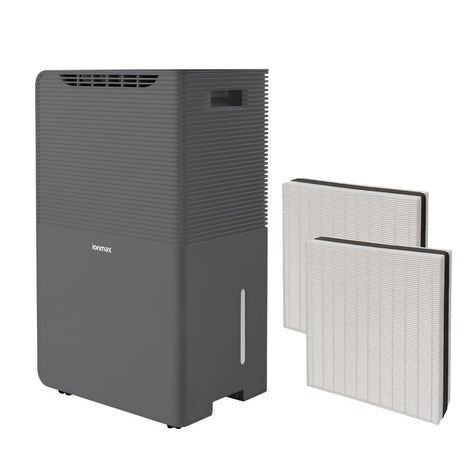
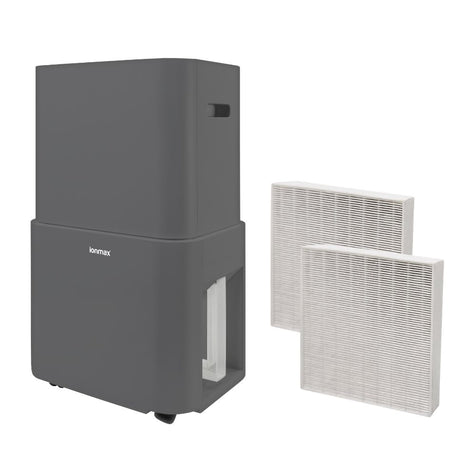
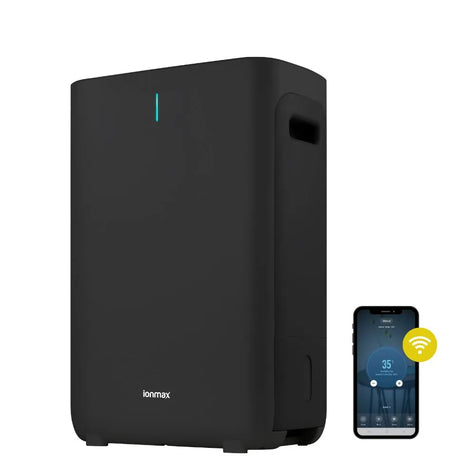
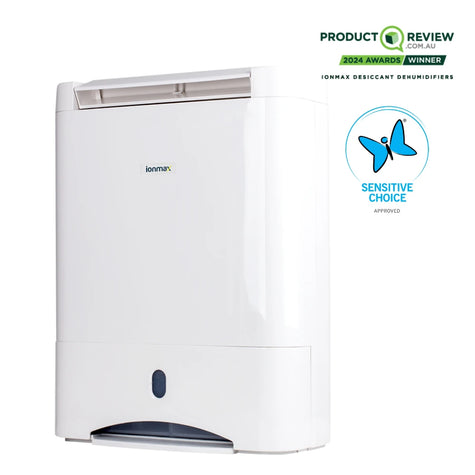
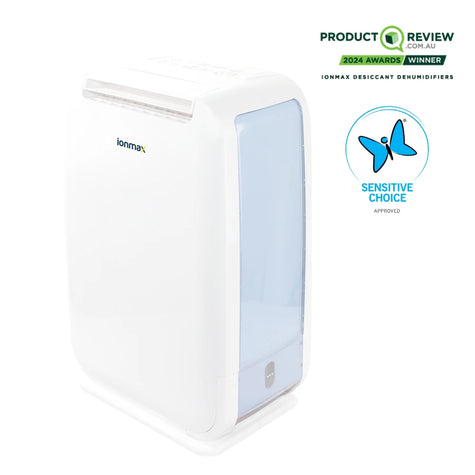
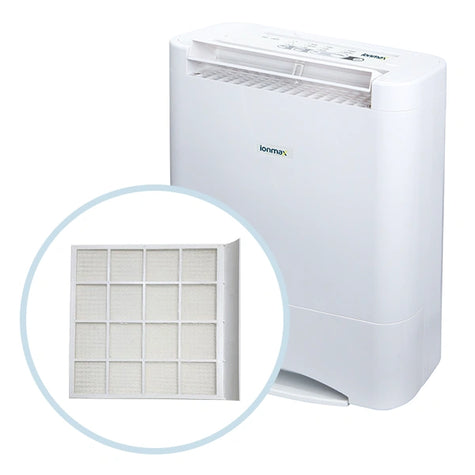
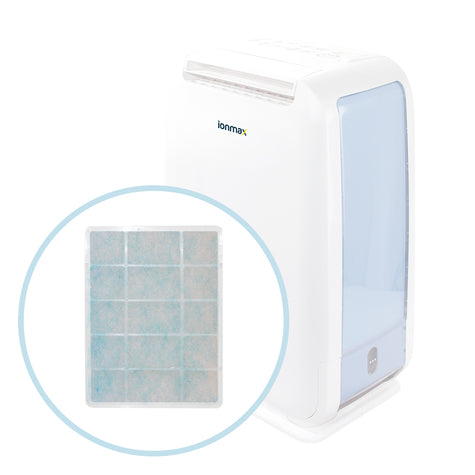
- Avoid Outdoor Drying: Never hang wet clothes outside during smoke events. Use an indoor drying setup paired with a desiccant dehumidifier to prevent indoor mould buildup.
Breathe Safe Indoors with Ionmax
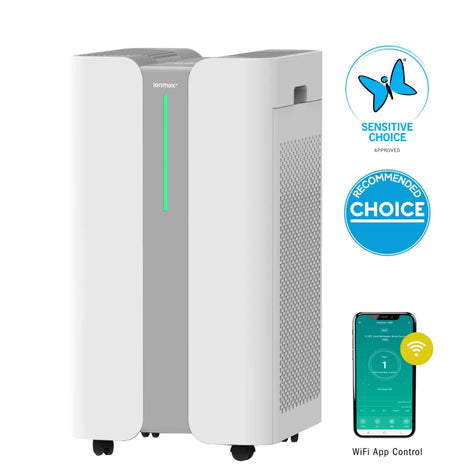
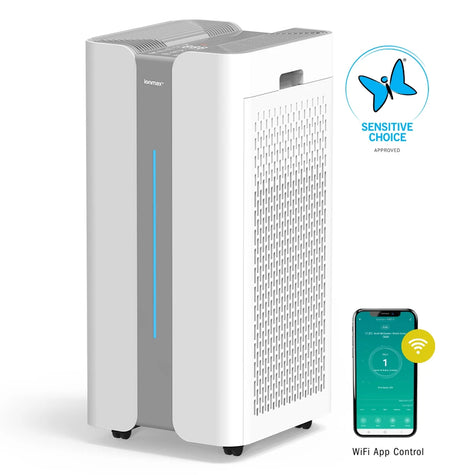
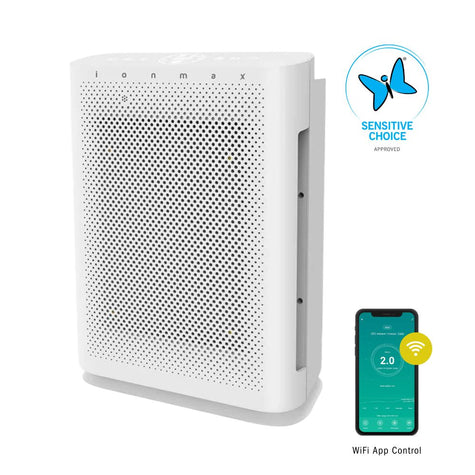
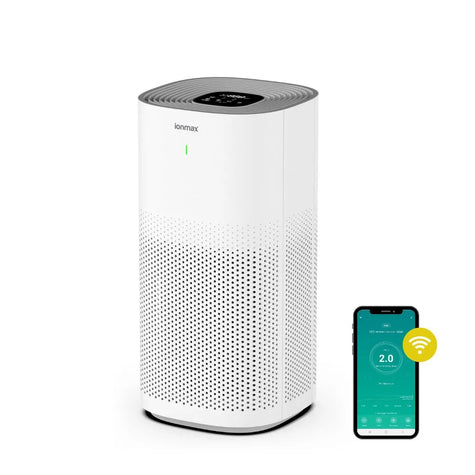
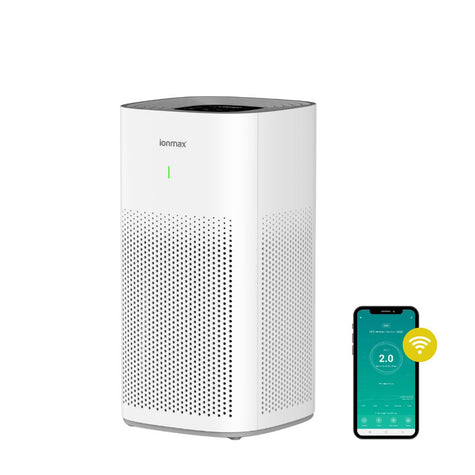
Don't let flash droughts and bushfire haze compromise your family's health. Ionmax offers a range of Sensitive Choice® approved HEPA air purifiers engineered to eliminate microscopic PM 2.5 smoke particles, filter allergen-laden dust, and keep your indoor air fresh and clean throughout every fire season.
Sourcing & References
- Bureau of Meteorology (BOM): Understanding climate drivers, flash drought definitions, and fire weather guidance. bom.gov.au
- CSIRO: Bushfire research, atmospheric smoke dispersion modeling, and climate extremity reports. csiro.au
- Safe Work Australia & State EPA Networks: Air Quality Index (AQI) monitoring standards and fine particulate matter PM2.5 health advisories. safeworkaustralia.gov.au