

For many Southeast Queenslanders, winter is considered the golden season. The relentless heat waves fade, the summer storms ease, and Brisbane serves up clear skies with comfortable daytime temperatures hovering between 20°C and 24°C.
Because winter feels crisp and mild, it is easy to assume that humidity problems disappear when summer leaves. However, homeowners across Brisbane frequently spot a familiar nuisance come July and August: foggy windows, damp-feeling bed sheets, and sudden patches of black mould creeping behind wardrobes or around window sills.
The truth? Brisbane’s humidity doesn't take a winter holiday. Understanding why moisture lingers throughout the cooler months and how to control it is the key to keeping your home healthy and mould-free year-round.
1. The Subtropical Baseline: Coastal Moisture Never Sleeps
Brisbane sits in a humid subtropical climate zone. Being a coastal city, it is constantly exposed to moist ocean air pushed inland by onshore winds.
While southern capitals like Melbourne and Hobart experience significant drops in atmospheric moisture during winter, Brisbane maintains a high baseline level of ocean-fed water vapour throughout the entire year. The air might feel cooler against your skin, but the ambient moisture content remains remarkably active.
2. High Relative Humidity: The Morning Dew Factor
It is a common myth that cold air is always dry air. In meteorology, relative humidity (RH) measures how much water vapour is in the air relative to the maximum amount the air can hold at that specific temperature.
According to long-term climate data from the Australian Bureau of Meteorology (BOM), Brisbane’s average relative humidity in winter frequently lingers between 60% and 70%+ during the day, spiking even higher in the early morning:
- Cold Nights Drop the Dew Point: As temperatures drop overnight, the air reaches its saturation point (dew point).
- Morning Saturated Air: This creates heavy morning dew, thick river fog, and relative humidity levels that often top 80% to 90% before sunrise.
Since mould thrives when relative humidity consistently exceeds 60%, Brisbane’s winter mornings create ideal conditions for spores to settle and germinate.
3. The "Sealed Home" Effect
When the winter night drops down to 8°C or 10°C, our natural instinct is to seal the house shut. We shut windows, pull curtains, and turn on heaters or reverse-cycle air conditioning.
By sealing up our homes to keep the chill out, we trap everyday indoor moisture inside:
- Daily Household Moisture: Hot showers, boiling pots in the kitchen, steam from dishwashers, and indoor clothes drying release litres of water vapour into your living space every day.
- Stagnant Air: Without open windows to create cross-ventilation, that water vapour has nowhere to go, causing indoor RH levels to skyrocket far above the outdoor weather conditions.
4. Cold Glass Meets Warm Indoor Air: The Condensation Trap
During Brisbane winter nights, exterior window glass and uninsulated outer walls become cold. Inside, human activity and heating keep the ambient air warm.
When warm, moisture-laden indoor air touches cold window glass, it instantly cools down and loses its capacity to hold moisture. The water vapour transforms into liquid condensation.
If you wake up to droplets running down your bedroom glass or dampness on the window frame, that is a warning sign. Liquid condensation combined with soft furnishings, plasterboard, or wooden frames creates a direct breeding ground for toxic black mould (Stachybotrys chartarum) and dust mites.
5. The Warm Winter Sun Paradox
Unlike southern states where winter brings freezing rain and gray skies, Brisbane winter days are notoriously sunny and warm.
This creates a unique phenomenon: daytime temperatures reaching 22°C cause morning dew, damp soil, and outdoor moisture to evaporate rapidly back into the air. Rather than drying out the environment, the warm subtropical sun continuously recycles moisture into the lower atmosphere, keeping ambient humidity steadily elevated throughout the afternoon.
The Solution: Why Compressor Dehumidifiers Excel in Subtropical Climates
To stop mould before it starts, health authorities recommend keeping indoor relative humidity strictly between 40% and 50%. Because Brisbane winter daytime temperatures regularly stay above 15°C–20°C, compressor dehumidifiers are the most efficient and cost-effective solution for Southeast Queensland homes.
How Compressor Technology Works
Compressor dehumidifiers draw damp room air over cold internal refrigeration coils. Moisture instantly condenses on the coils and drips safely into an internal collection tank (or out through a continuous drainage hose). The machine then recirculates dry, slightly warmed air back into the room.
Because compressor units are optimized for temperatures above 15°C–20°C, Brisbane’s mild winter daytime climate allows compressor technology to extract maximum litres of water per day using minimal electricity.
Find Your Perfect Subtropical Climate Shield: The Ionmax Compressor Range
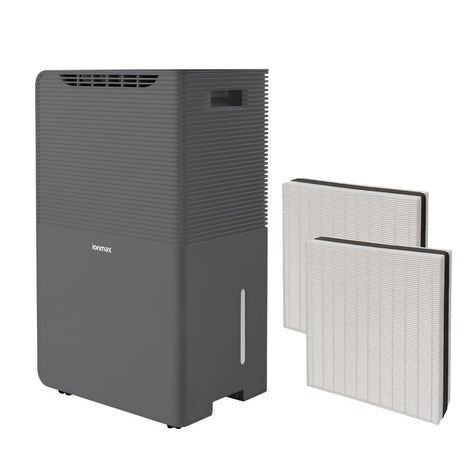
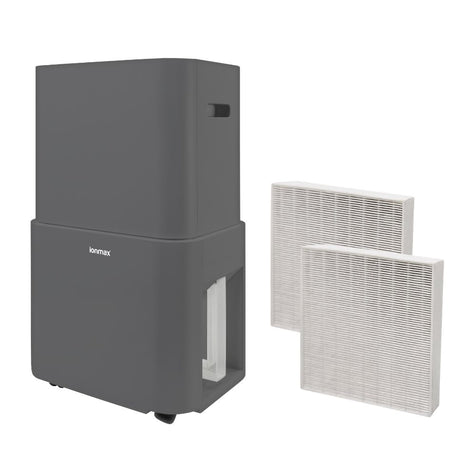
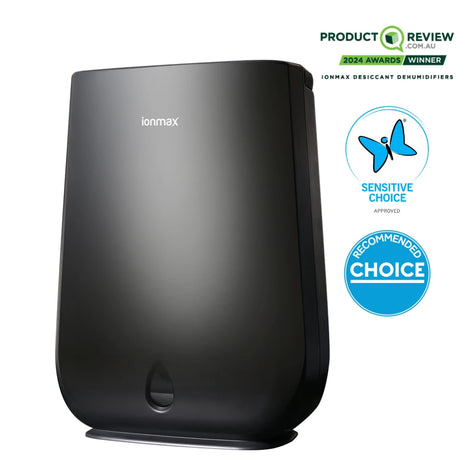
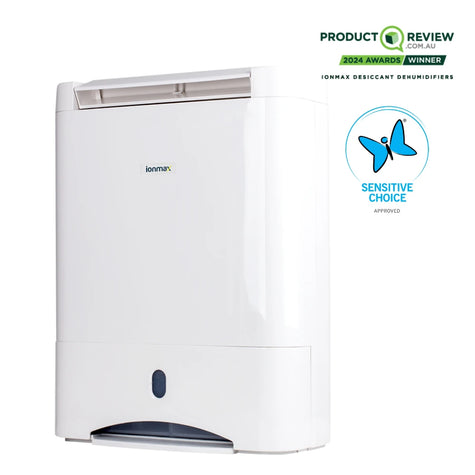
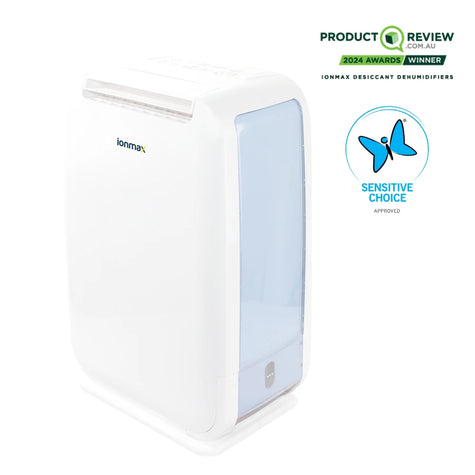
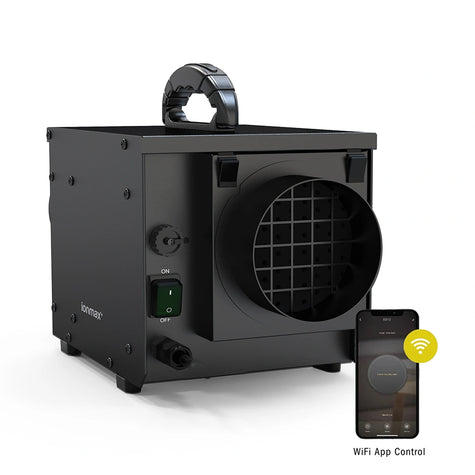
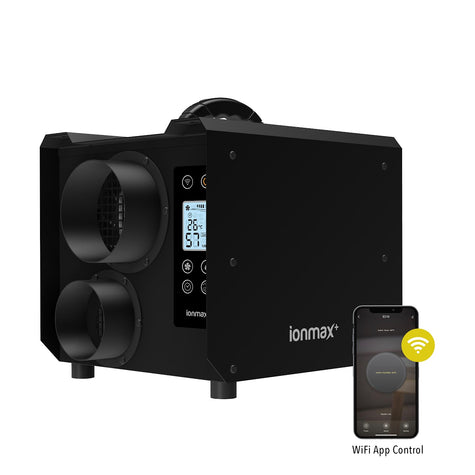
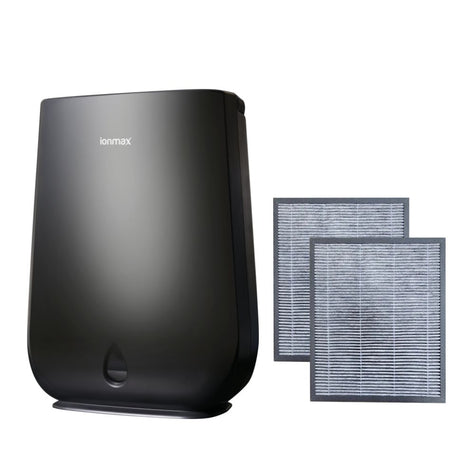
Whether you are protecting a small apartment bedroom or a large open-plan home in Queensland, Ionmax Compressor Dehumidifiers deliver heavy-duty moisture extraction with smart automated controls.
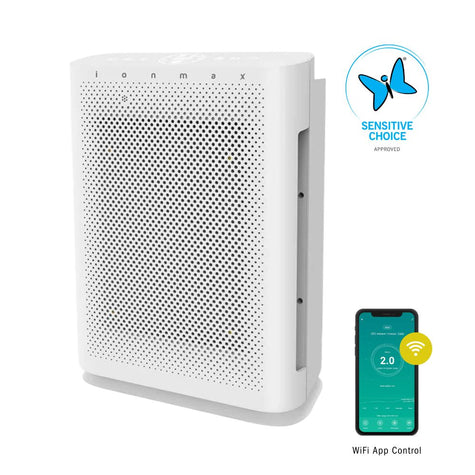
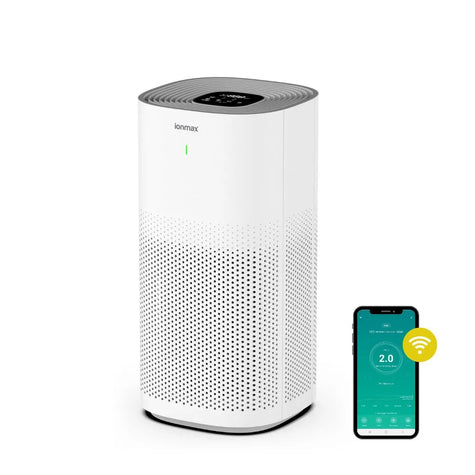
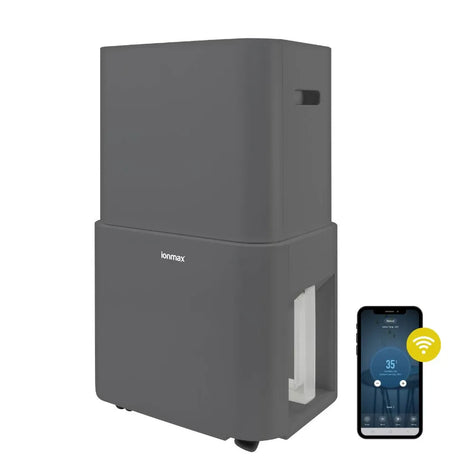
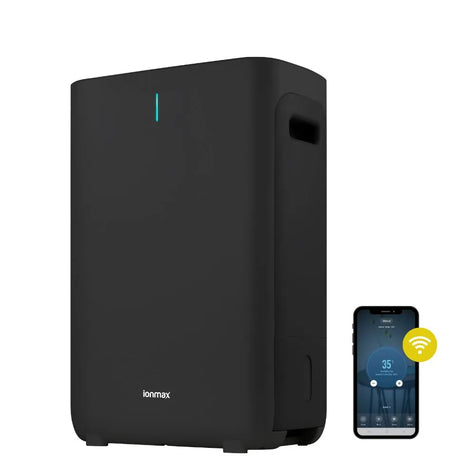
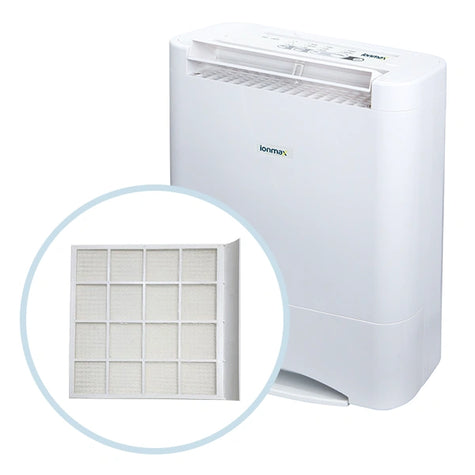
🏡 For Medium Spaces & Bedrooms: Ionmax Leone 25L Compressor Dehumidifier
- Daily Extraction: Removes up to 25 litres of excess moisture per day.
- Best For: Bedrooms, nursery spaces, and medium living areas up to 95 m³.
- Key Features: App-enabled smart control, quiet operation, relative humidity display, and continuous drainage option.

👉 Explore the Ionmax Leone 25L Dehumidifier
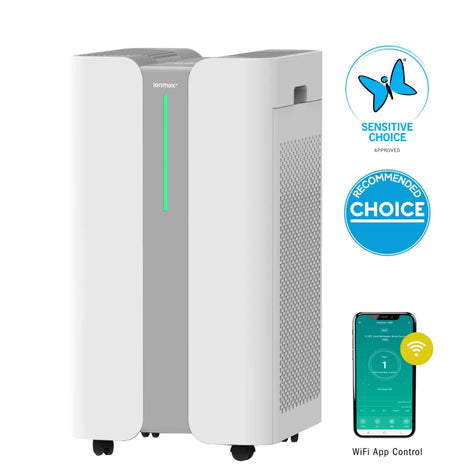
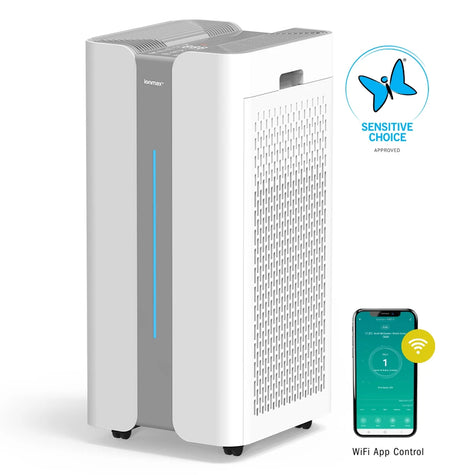
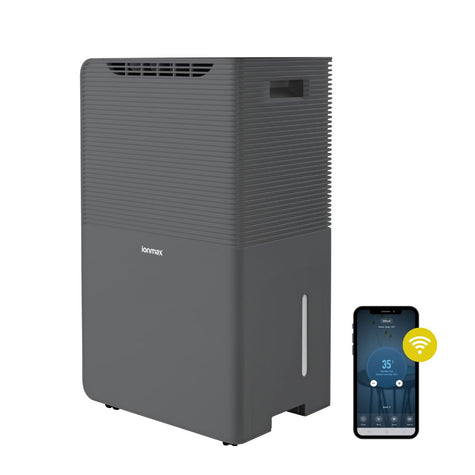
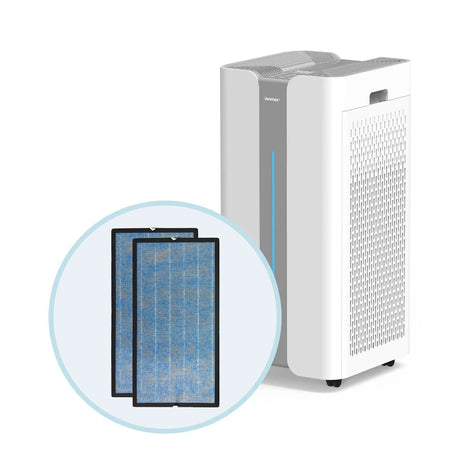
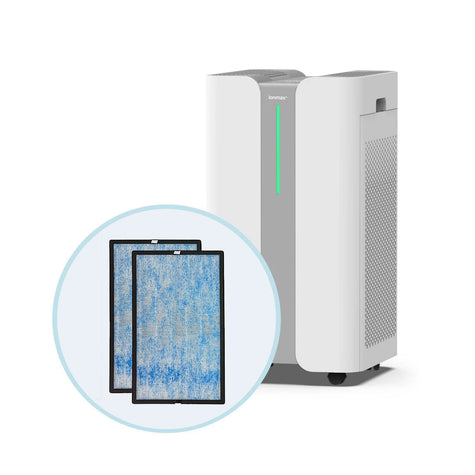
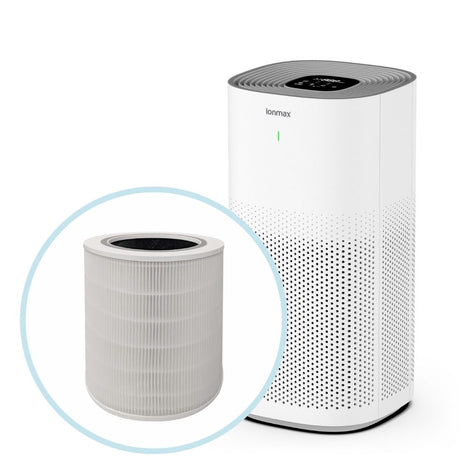
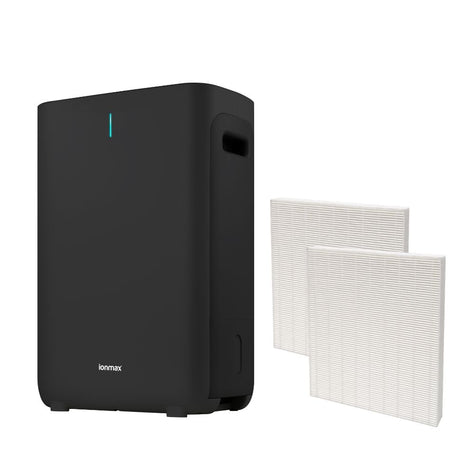
🏰 For Large Open-Plan Homes: Ionmax Rhine Pro 50L Smart Compressor Dehumidifier & Air Purifier
- Daily Extraction: Heavy-duty 50L per day extraction rate.
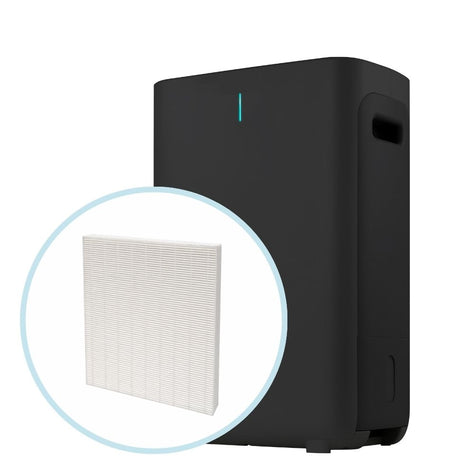
- Dual Protection: Combines high-volume moisture removal with a medical-grade H13 HEPA filter to scrub mould spores, dust, and airborne allergens while drying your home.
- Best For: Large living areas (up to 300 m³), open-plan Queenslanders, or homes with persistent damp issues.

👉 Discover the Ionmax Rhine Pro 50L
Take Back Control of Your Indoor Air
Don't let Brisbane’s sneaky winter dampness damage your home's structure or compromise your family's respiratory health. By maintaining controlled indoor humidity year-round, you eliminate mould spores at the source and enjoy crisp, clean air 365 days a year.
🔗 Unsure which model fits your home? Browse the complete Ionmax Compressor Dehumidifier Collection today and protect your sanctuary from seasonal dampness!
References
- Bureau of Meteorology (BOM). Climate Statistics for Australian Locations: Brisbane Regional Office & Brisbane Aero Historical Averages (Relative Humidity & Dew Point Data). Australian Government.
- Ionmax Australia. The Best Compressor Dehumidifiers for the Australian Climate: Warm and Subtropical Regional Guide. Ionmax Resources.
- World Health Organization (WHO). WHO Guidelines for Indoor Air Quality: Dampness and Mould. WHO Regional Office for Europe.
- Subtropical Climate & Health Studies. Indoor Air Quality in Subtropical Coastal Zones: Moisture Dynamics and Household Health Risks. Atmospheric Environment Journal.
Speak to our team today!