
In Australia, autumn is often seen as the "goldilocks" season, the scorching heat of summer has faded, but the biting chill of winter hasn't quite arrived. However, for your indoor air quality, autumn is a period of high volatility.
As we retreat indoors and begin "sealing" our homes against the cooling breeze, we inadvertently create a concentrated cocktail of pollutants. Understanding these shifts is the first step toward a healthier home. Here is how autumn changes your air and how you can stay ahead of the curve.

1. The Ventilation Trap: Stagnant Air & VOCs
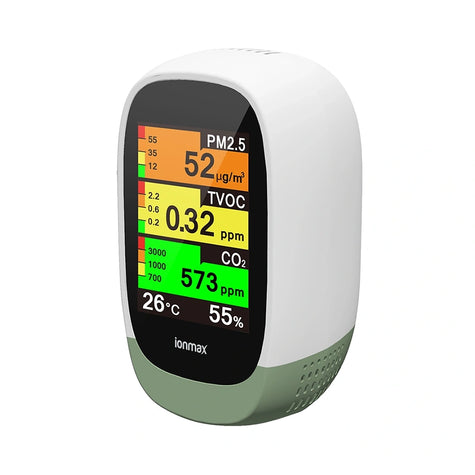
As the outdoor temperature drops, our windows stay shut. While this preserves heat, it stops the natural exchange of air. Without ventilation, Volatile Organic Compounds (VOCs) gases emitted from paints, new furniture, and household cleaners can accumulate to levels far higher than they would in summer.
- The Issue: Prolonged exposure to high VOC levels can lead to "Sick Building Syndrome," characterized by headaches, dizziness, and throat irritation.
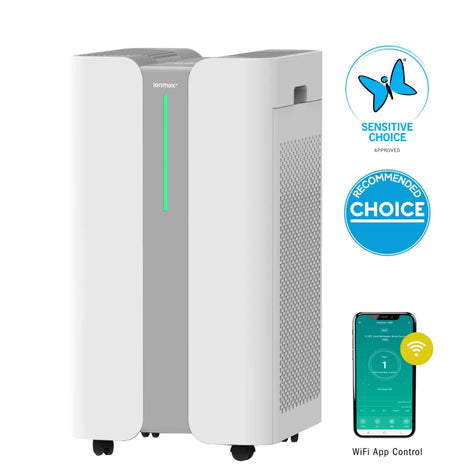
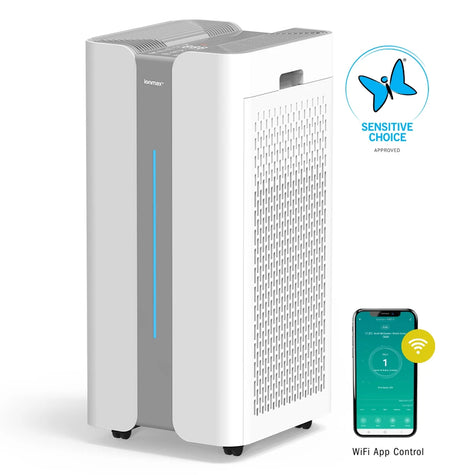
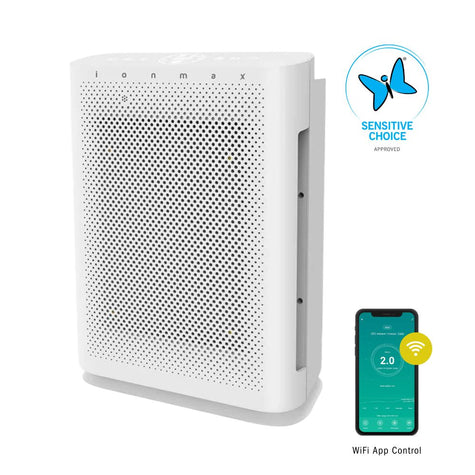
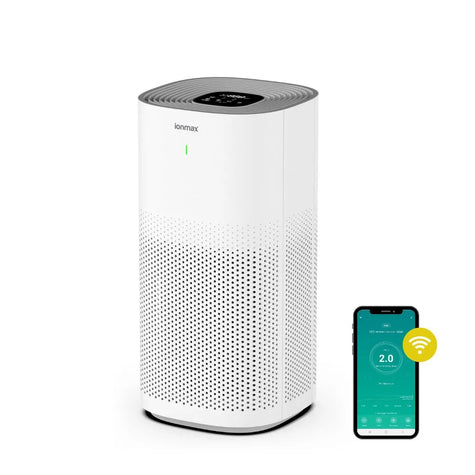
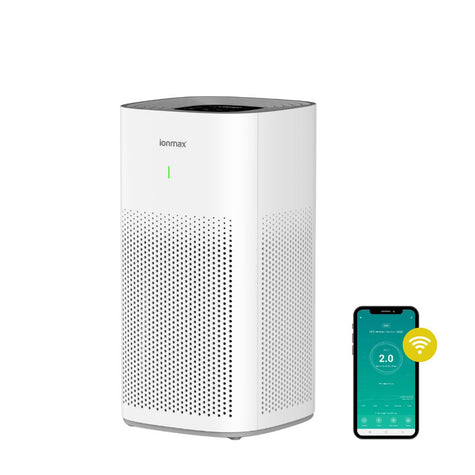
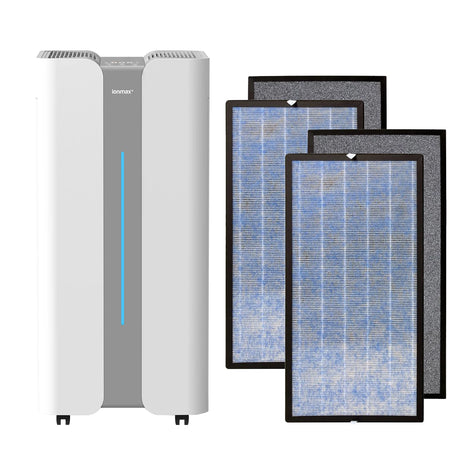
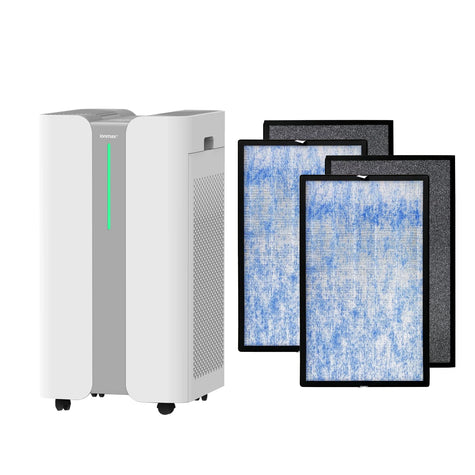
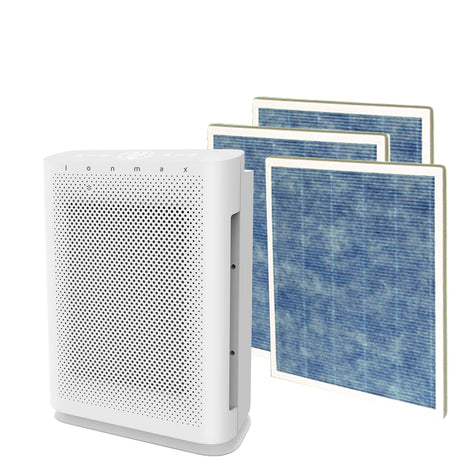
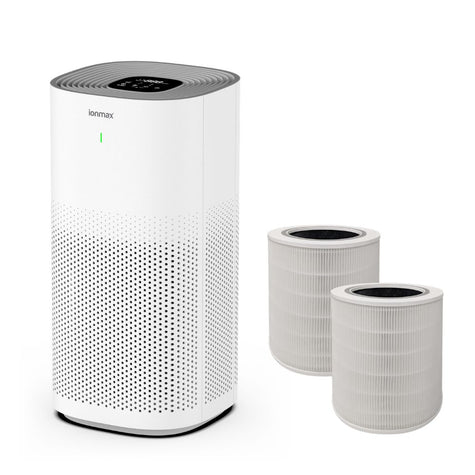
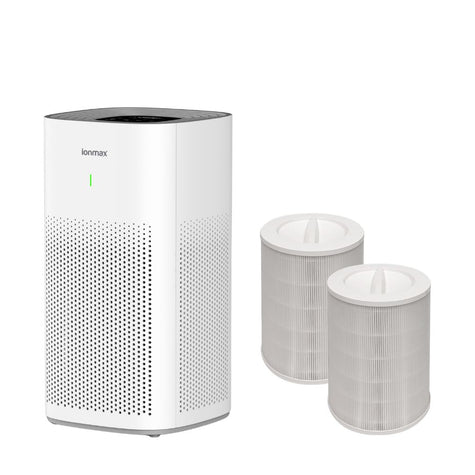
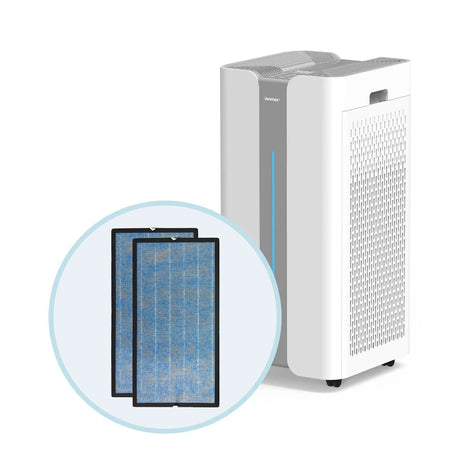
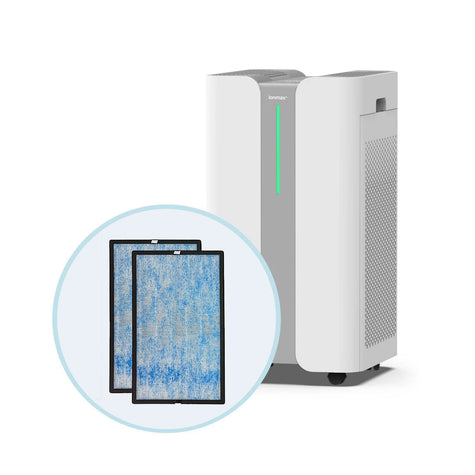
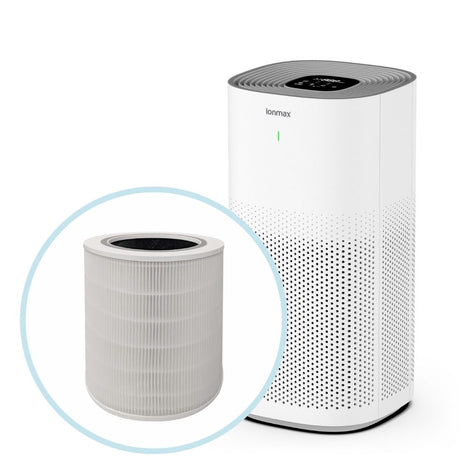
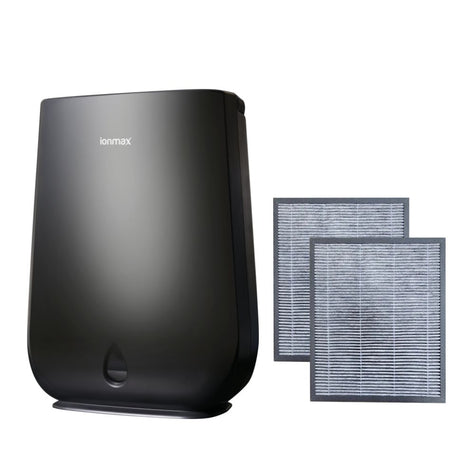
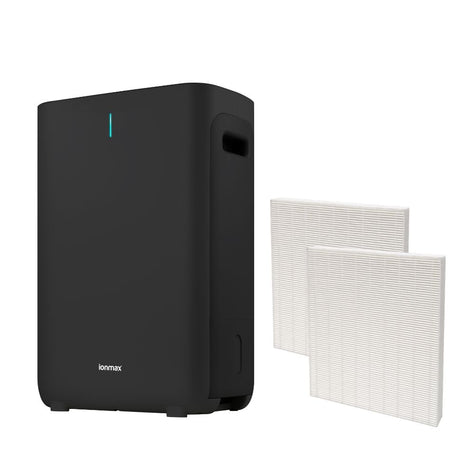
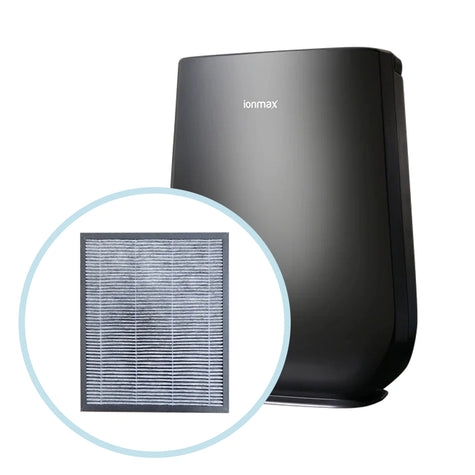
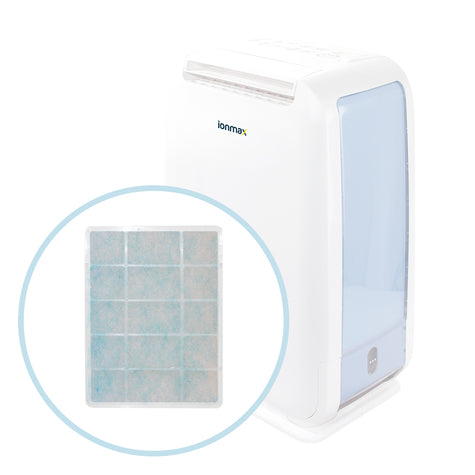
- The Ionmax Assist: An Ionmax Air Purifier uses an activated carbon filter to chemically "trap" these gases, ensuring your air stays fresh even when the windows are locked tight.
2. The Return of PM2.5 (Woodsmoke and Particulates)
Autumn evenings bring the first smell of woodsmoke. While cozy, wood heaters are a major source of PM2.5—particulate matter so small it can bypass the lungs and enter the bloodstream.
- The Issue: According to Asthma Australia, woodsmoke can be a major trigger for respiratory distress, particularly in valley regions where smoke settles overnight.
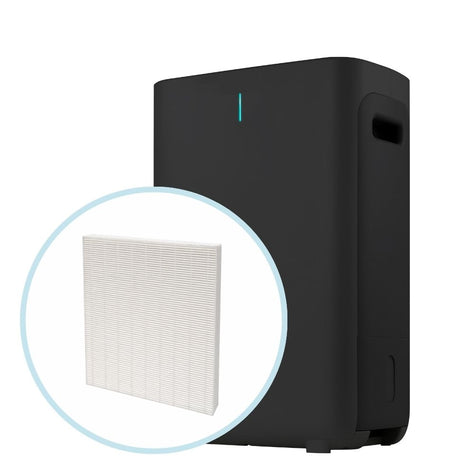
- The Ionmax Assist: Ionmax units equipped with H13 HEPA Filters capture 99.97% of particles as small as 0.3 microns, effectively scrubbing smoke and fine soot from your living room.
3. Condensation: The Breeding Ground for Autumn Mould
Autumn in Australia often sees high outdoor humidity paired with cooling indoor surfaces. When warm, moist air (from cooking or showers) hits a cold windowpane, it turns into liquid water.
- The Issue: This persistent dampness is a dinner invitation for mould. Once mould takes hold in window tracks or behind wardrobes, it releases spores that can trigger chronic sneezing and skin rashes.
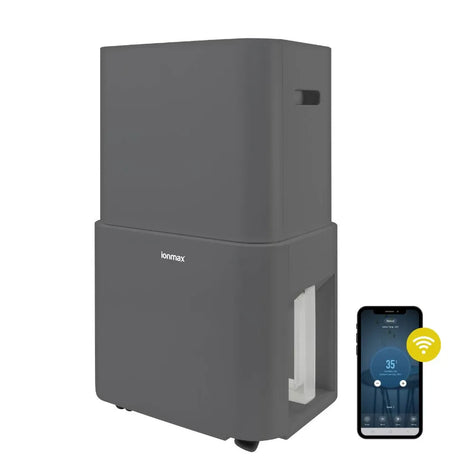
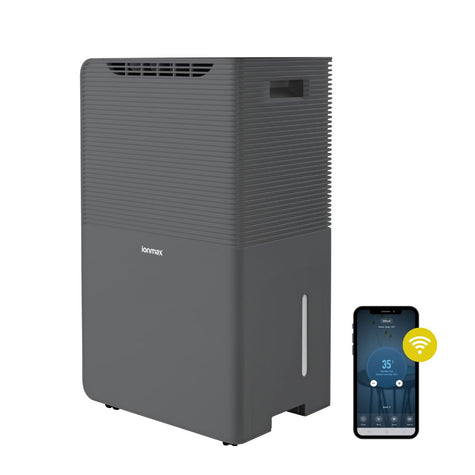
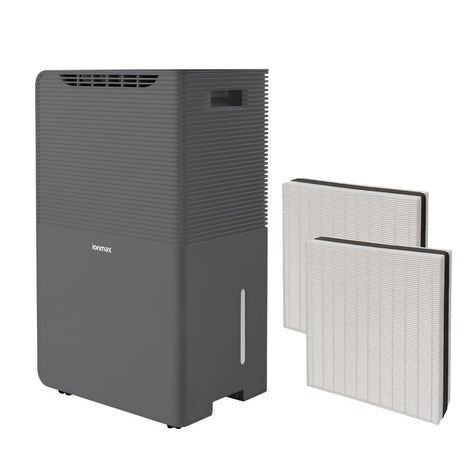
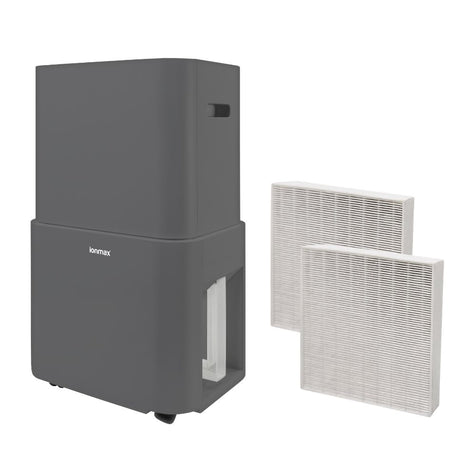
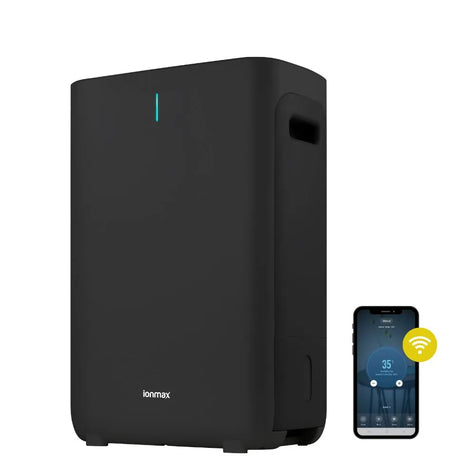
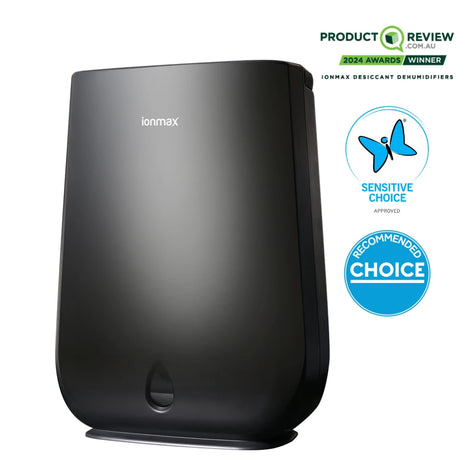
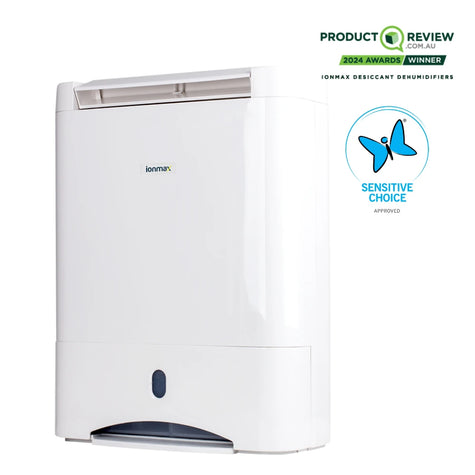
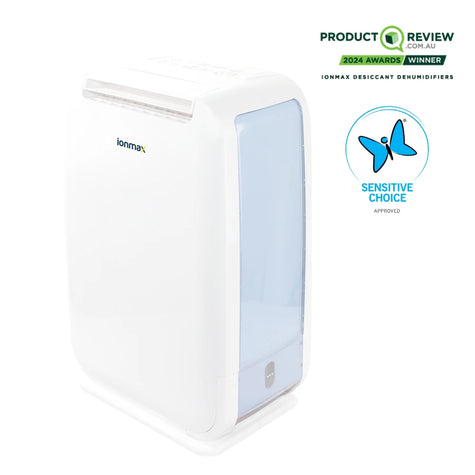
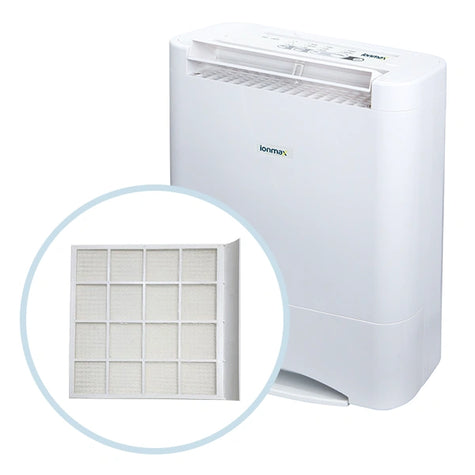
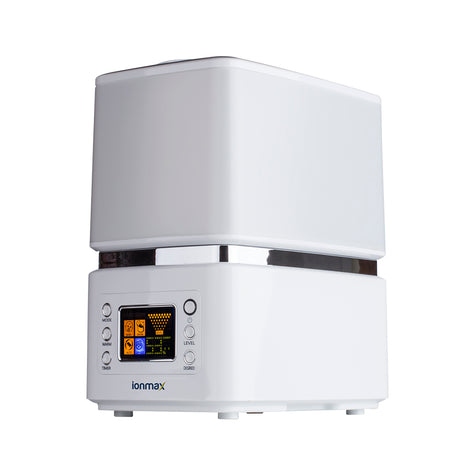
- The Ionmax Assist: An Ionmax Desiccant Dehumidifier is the gold standard for autumn. Unlike compressor models, desiccant technology is highly efficient in cooler temperatures, pulling litres of moisture from the air to keep your home’s relative humidity at a healthy 50%.
4. The "Dust Bomb" from Storage
Autumn is when we "swap wardrobes," pulling out heavy woollen blankets, rugs, and winter coats that have been sitting in dark cupboards for six months.
- The Issue: These items are often laden with dust mite waste, a potent allergen. Shaking out these fabrics releases a "dust bomb" into your bedroom, leading to poor sleep and morning congestion.
- The Ionmax Assist: Running an air purifier on high during your seasonal wardrobe swap captures these airborne irritants before they settle into your carpets or lungs.
The Bottom Line: Winter-Proof Your Health Now
Don't wait for the first winter cold to think about your air. By managing your indoor humidity and filtration during autumn, you prevent mould from establishing a foothold and ensure your home remains a sanctuary, not a source of allergens.
Sources & Further Reading
- Asthma Australia: Woodsmoke and your health: Managing seasonal triggers.
- CSIRO: Indoor Air Quality and the Australian Household.
- Healthdirect Australia: Mould and your health: Prevention and removal tips.
- National Asthma Council Australia: Sensitive Choice: Understanding HEPA and Carbon filtration.
For more information on how Ionmax can help you breathe easier, fill in our form: