Australia is world-renowned for its pristine landscapes, but as our urban centers grow, so do the challenges of maintaining clean air. From the woodsmoke of Hobart winters to the industrial bustle of Sydney, the air quality you breathe is heavily dictated by your postcode.
While Australia generally enjoys some of the best air quality on the planet, seasonal and geographical factors mean that "clean" is a relative term. Here is how our capital cities stack up and what you can do to protect your indoor environment.
The Leaderboard: Which City Has the Cleanest Air?
1. Hobart: The Antarctic Breeze
Hobart consistently ranks as having the cleanest air of any Australian capital. Positioned to catch the "Roaring Forties" winds, the city is flushed with fresh air from the Southern Ocean.
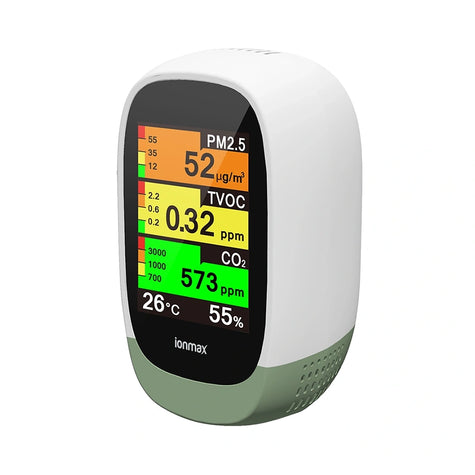
- The Challenge: Winter. Because many Hobart homes rely on wood heating, the city often experiences spikes in fine particulate matter (PM2.5) during cold, stagnant nights.
2. Adelaide & Perth: The Coastal Advantage
Both cities benefit from strong sea breezes (like the "Fremantle Doctor" in Perth) that sweep away urban pollutants.
- The Challenge: Dust and Dryness. Perth is prone to dust storms from the interior, while Adelaide’s dry climate can lead to higher concentrations of airborne allergens during the transition into Spring.
3. Sydney & Melbourne: The Urban Struggle
As Australia's most populous cities, Sydney and Melbourne face the highest levels of nitrogen dioxide due to vehicle emissions.
- The Challenge: Geography. Sydney’s basin structure can trap pollution during "temperature inversions," while Melbourne’s volatile weather can trigger "thunderstorm asthma" events when pollen counts are high.
4. Brisbane & Darwin: The Humidity Factor
Northern capitals deal with a different set of air quality markers.
- The Challenge: In Darwin, the "dry season" brings smoke from controlled burns and bushfires. In Brisbane, high humidity often leads to higher indoor concentrations of mould spores and dust mites.
The Invisible Threat: Indoor vs. Outdoor Air
It is a common misconception that staying indoors protects you from poor air quality. In reality, the CSIRO has noted that indoor air can be up to five times more polluted than outdoor air. Pollutants like Volatile Organic Compounds (VOCs) from furniture, cooking fumes, and pet dander accumulate in enclosed spaces.
How Ionmax Can Assist Your Home’s Atmosphere
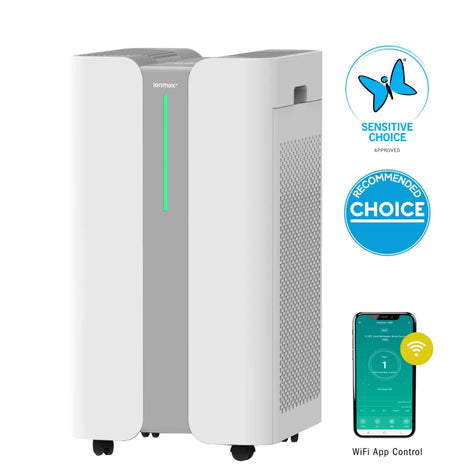
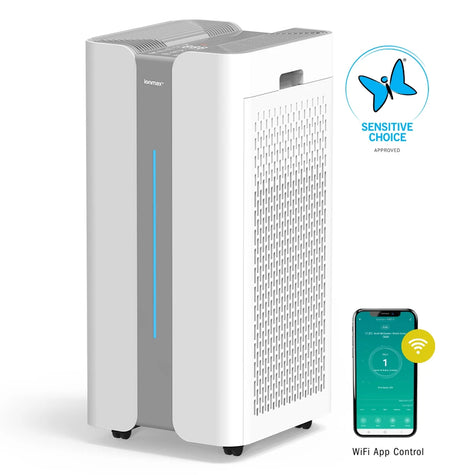
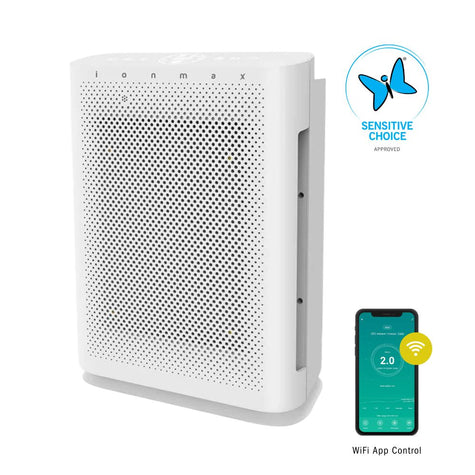
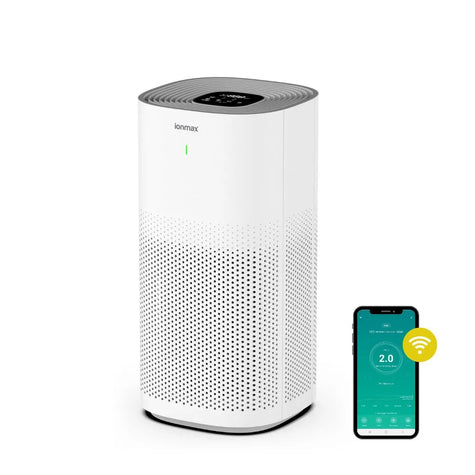
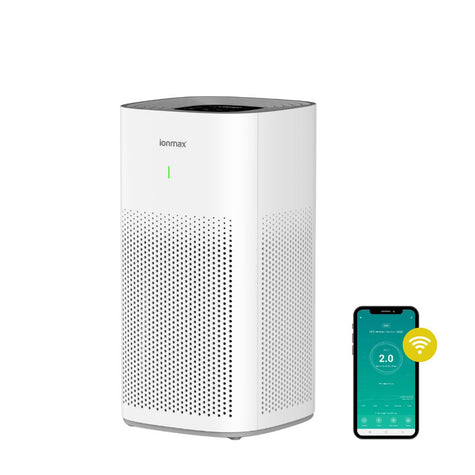
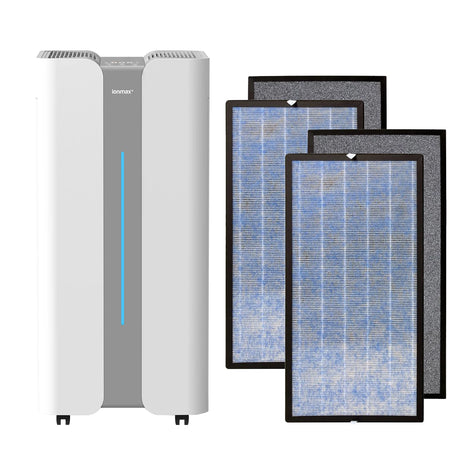
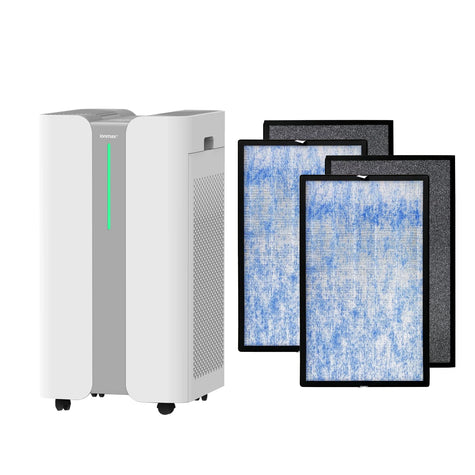
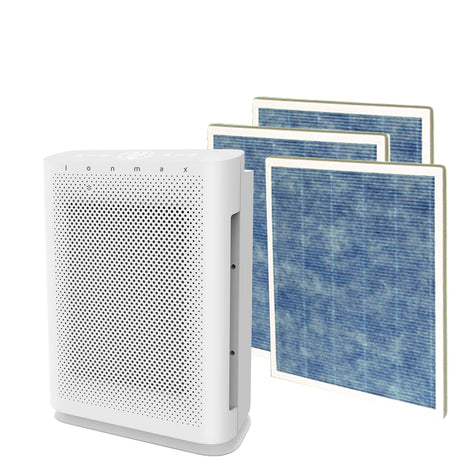
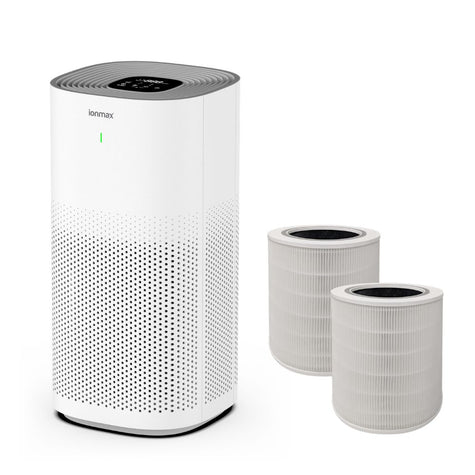
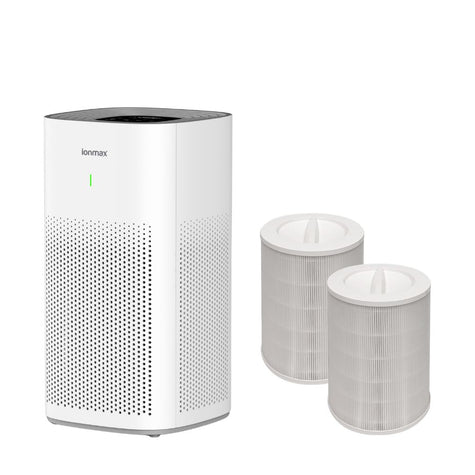
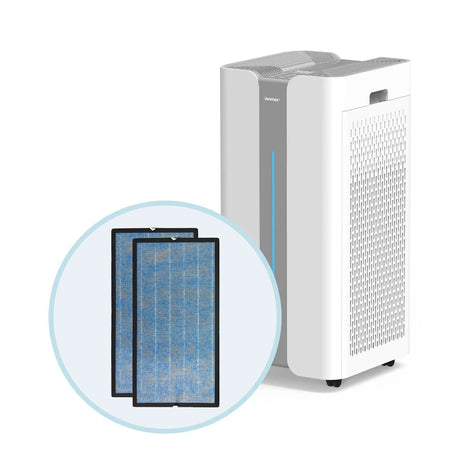
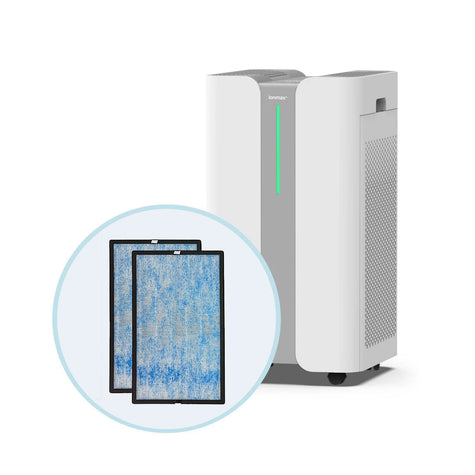
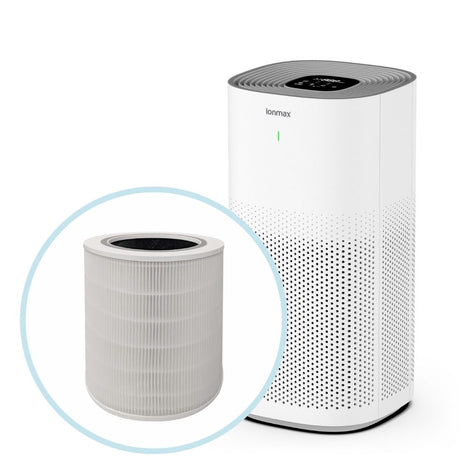
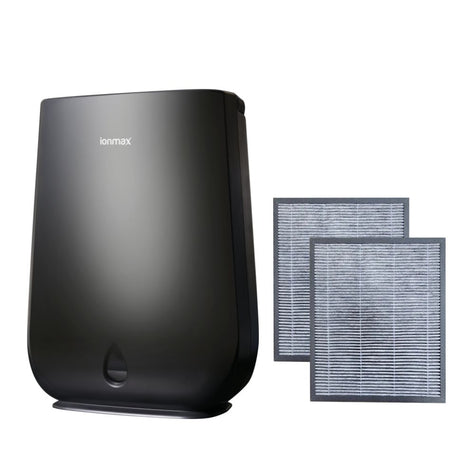
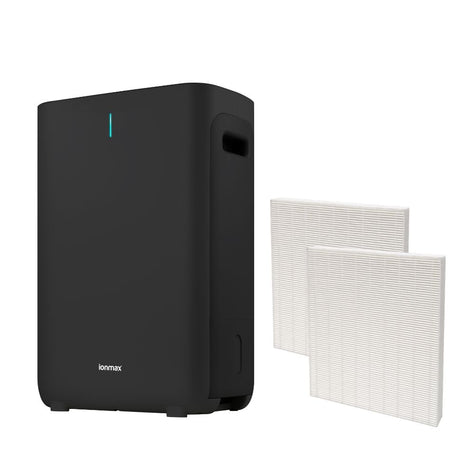
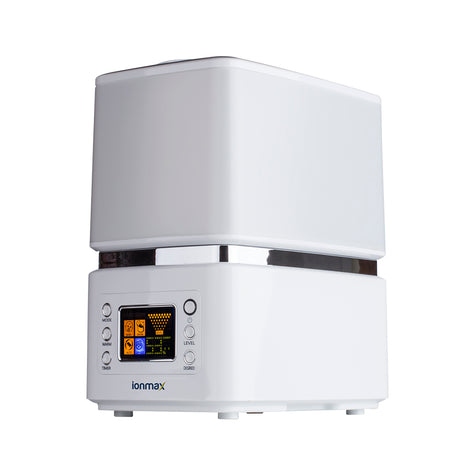
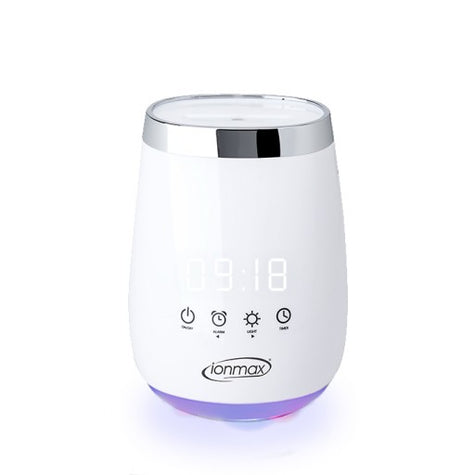
Regardless of which city you call home, you can control the "micro-climate" of your living space. An Ionmax Air Purifier acts as a final line of defense against the specific challenges of Australian urban living:
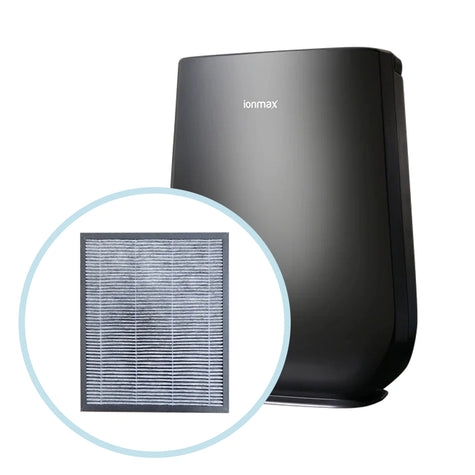
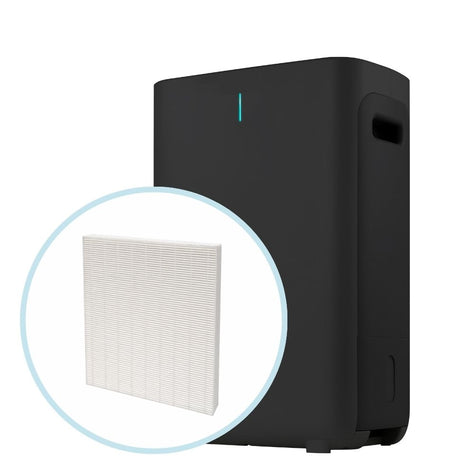
- Medical-Grade H13 HEPA Filtration: Whether it's Hobart woodsmoke or Sydney traffic exhaust, Ionmax filters capture 99.97% of particles as small as 0.3 microns.
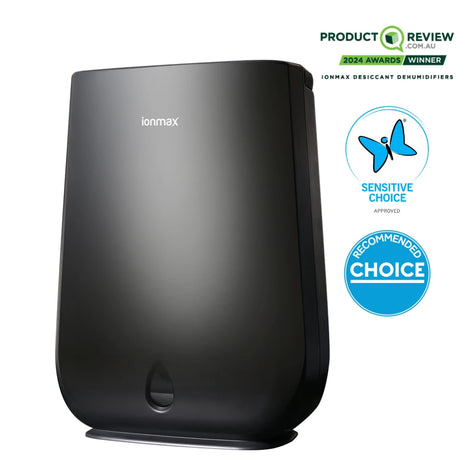
- Sensitive Choice® Approved: Most Ionmax units are officially recognized by the National Asthma Council Australia’s Sensitive Choice program, making them ideal for managing seasonal allergy spikes.
- Activated Carbon Layers: Essential for those living in high-traffic areas, this layer neutralizes odors and harmful gases (VOCs) from vehicle emissions.
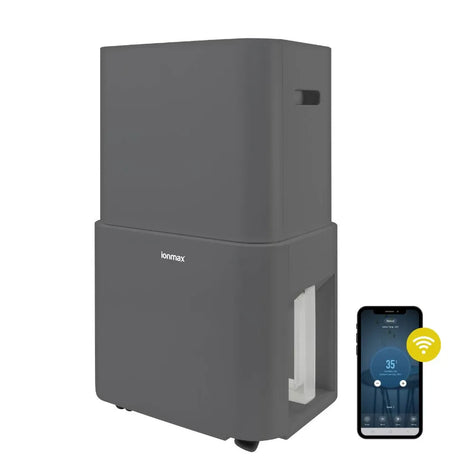
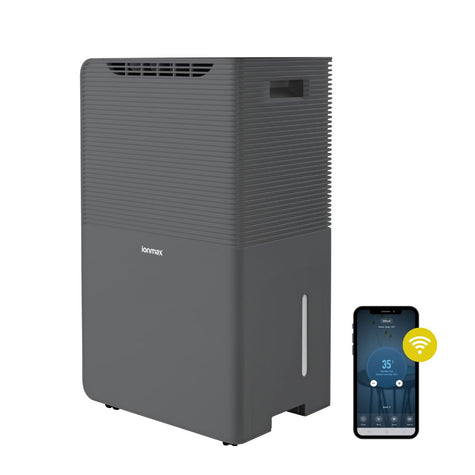
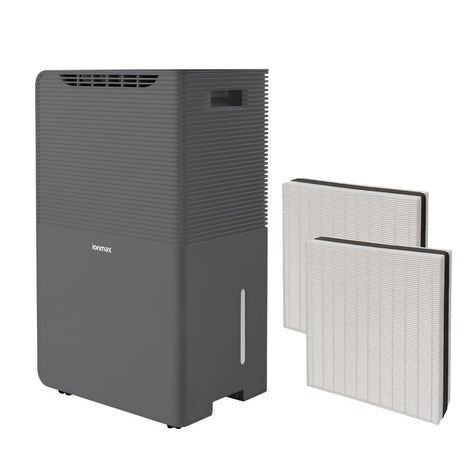
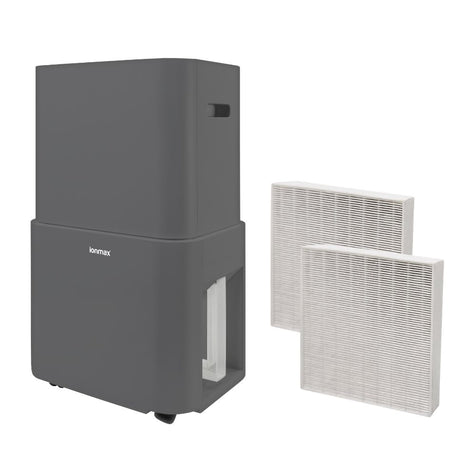
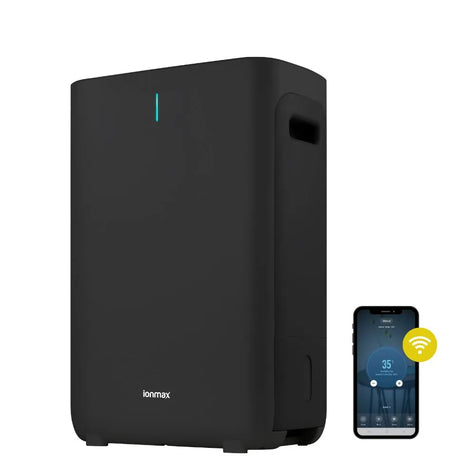
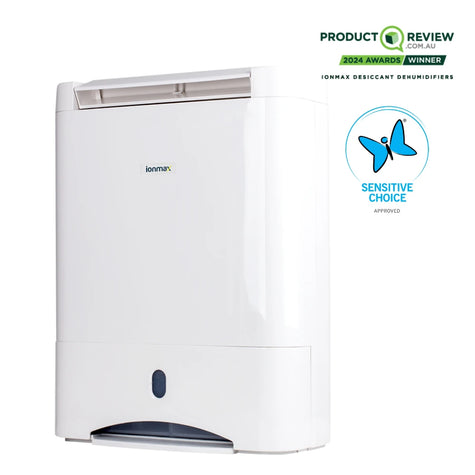
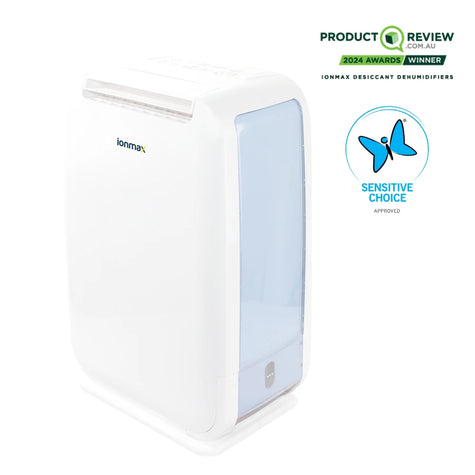
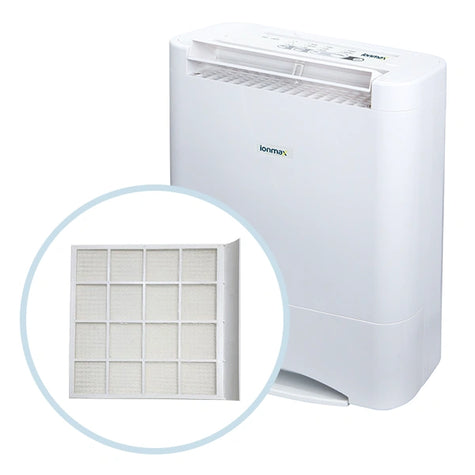
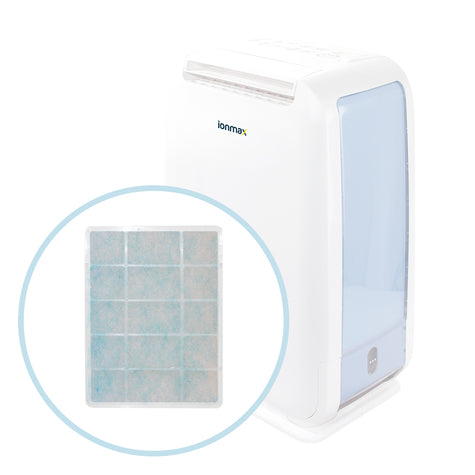
- Dehumidification Integration: For our northern friends in Brisbane and Darwin, Ionmax’s range of dehumidifiers helps maintain the "Sweet Spot" of 50% humidity, preventing the growth of mould and dust mites.
Sources & Data
- IQAir: World Air Quality Report (Australia Regional Data).
- CSIRO: Indoor Air Quality in Australian Residential Dwellings.
- National Asthma Council Australia: Sensitive Choice Product Guides.
- State EPA Portals: Live Air Quality Index (AQI) readings for NSW, VIC, and TAS.
Fill in our form to find out how Ionmax can improve your air quality today!