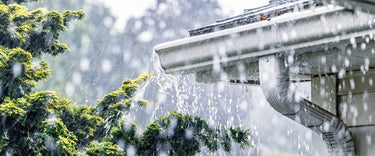
When the rain sets in and the humidity spikes, your home essentially becomes a giant sponge. We’ve all felt that oppressive, "sticky" feeling that comes from excess indoor moisture. This isn't just uncomfortable, it's a sign that the air in your home is over-saturated, creating a breeding ground for mold, mildew, and health problems.
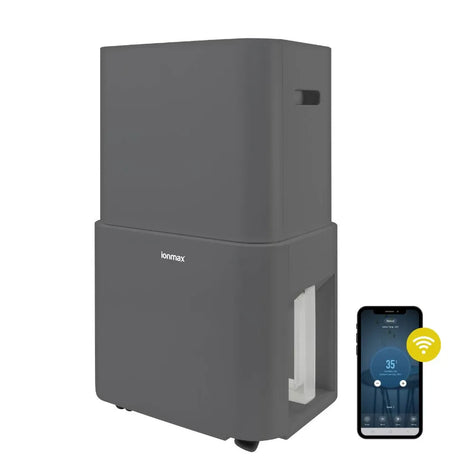
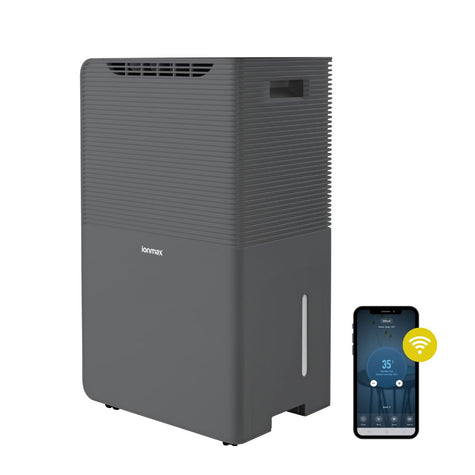
During rainy and humid seasons, a dehumidifier acts as a necessary pressure valve, actively pulling that harmful excess moisture out of your indoor environment. While your air conditioner can provide some relief, it is simply not designed to manage high humidity loads as efficiently as a dedicated unit.
Here are five undeniable reasons why investing in a dehumidifier is essential for your home’s health and your own wellbeing during the wet months:
1. Stopping Mold and Mildew Before They Take Over
Mold spores are opportunistic, they are already in your home, just waiting for the right conditions to bloom. Those conditions require relative humidity levels to consistently exceed 60%.
During extended rainy periods, indoor humidity levels often skyrocket well past this threshold. This leads to condensation on windows and walls, and eventually, the rapid growth of mold and mildew on surfaces, clothing, behind furniture, and even inside cupboards. By running a dehumidifier, you can stabilize indoor humidity within the healthy "safe zone" (typically 30% to 50%), stopping fungal growth entirely.
2. Protecting Your Home’s Structural Integrity
Excessive humidity is the invisible enemy of building materials. Materials like wood, plasterboard, and paint act as natural desiccant reservoirs, absorbing water from the air. Over time, high moisture levels cause:
- Warping and Buckling: Wooden doors and window frames can swell and stick, and hardwood floors can lift.
- Peeling paint and wallpaper: Trapped moisture behind paint or under wallpaper breaks down the adhesive, causing it to bubble and flake away.
- Corrosion: High-humidity environments significantly accelerate the rusting of household electronics, appliances, and any exposed metal fixtures.
3. Dust Mite Control and Allergy Relief
If you or your family suffer from allergies or asthma, humidity is a major health trigger. The number one culprit for indoor environmental allergies is dust mites.
Crucially, dust mites do not drink water; they absorb moisture directly from the air. When indoor humidity drops below 50%, dust mites essentially dehydrate and cannot survive, dramatically reducing their population. Furthermore, dehumidifiers pull that distinct "musty" odor out of the air, an odor that is actually the smell of off-gassing mold, mildew, and bacteria.
4. Improved Energy Efficiency (And a Lower Bill)
A high-performance dehumidifier can actually make your air conditioner work more efficiently.
Air that is dense with moisture (high humidity) "holds" heat more effectively than dry air. This is why a 25 degree day can feel "muggy" and hot, while a 25 degree day with low humidity is completely comfortable. It is also because when humidity is high, your body's primary cooling mechanism (the evaporation of sweat from your skin) is inhibited. When you remove the moisture, the air temperature feels cooler. This allows you to set your air conditioner to a higher temperature or run it less often, resulting in noticeable energy savings.
5. Drying Your Laundry Indoors Safely
During a rainy week, drying clothes becomes a logistical challenge. Hanging wet clothes inside effectively dumps gallons of additional water vapor back into your home, compounding the existing humidity problem and creating the perfect storm for mold.
This also leads to the dreaded "sour" damp smell in your clothes, as the fibers take too long to dry and start to breed bacteria. A dehumidifier, when placed in a laundry room or near a drying rack, acts like a "dry breeze," pulling the water directly out of the fabric and allowing clothes to dry in a fraction of the time, all while keeping the rest of your home dry.
Sourcing & Verification
Information in this article regarding healthy humidity levels, mold growth, dust mite biology, and building material science is based on data provided by the following Australian health and industry sources:
- Mold & Fungal Growth Thresholds: The prevalence of mold growth at humidity levels exceeding 60% is confirmed by Queensland Health and various state environmental guidance documents.
- Dust Mite and Allergy Guidance: Information regarding the relationship between high humidity, dust mite populations, and asthma/allergy triggers is sourced from the National Asthma Council Australia and Sensitive Choice.
- Ideal Indoor Humidity Ranges: The recommended healthy indoor relative humidity range of 30% to 50% (and the associated benefits) is standard guidance provided by DrinkWise and other relevant Australian building science resources.