
Whether you're dealing with rainy weather, limited outdoor space, or high humidity, drying laundry indoors can feel like an uphill battle. Hanging wet clothes inside often leads to musty odors, lingering dampness, and elevated humidity that can encourage mold growth.
While many people turn to tumble dryers or heated racks, dehumidifiers have become one of the most efficient, gentle, and effective tools for drying clothes indoors. But how exactly does an appliance designed for room moisture control dry a rack of wet laundry?
It all comes down to basic physics and controlled airflow.
The Physics of Drying: Moisture and Relative Humidity
To understand why a dehumidifier works so well, it helps to look at why clothes dry in the first place.
When you hang wet clothes, liquid water in the fabric slowly converts into water vapor through evaporation. This process depends heavily on the air surrounding the garments:
- High Humidity (Saturated Air): Air can only hold a certain amount of water vapor. If the room is already damp or humid, the air quickly becomes "full," drastically slowing down evaporation.
- Low Humidity (Dry Air): Dry air acts like a sponge. It actively draws moisture out of surrounding objects—including your damp clothes—to reach equilibrium.
When you hang a load of wet laundry in a closed room, the water evaporating from the fabric rapidly increases the room’s humidity. Without intervention, evaporation stalls, leaving clothes damp for hours or even days.
How a Dehumidifier Accelerates the Process
A dehumidifier disrupts this slowdown by continuously removing moisture from the air, creating an ideal environment for rapid drying. Here is step-by-step how it works:

1. Constant Moisture Extraction
As moisture leaves your clothes and enters the air, the dehumidifier pulls that humid air through its intake grill. Depending on the type of dehumidifier:
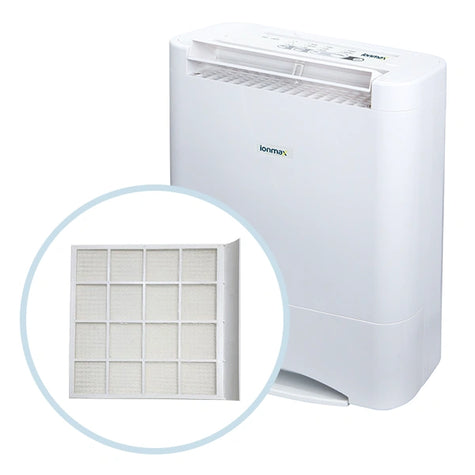
- Compressor Dehumidifiers cool the air over internal coils, causing the water vapor to condense into liquid drops that collect in a water tank.
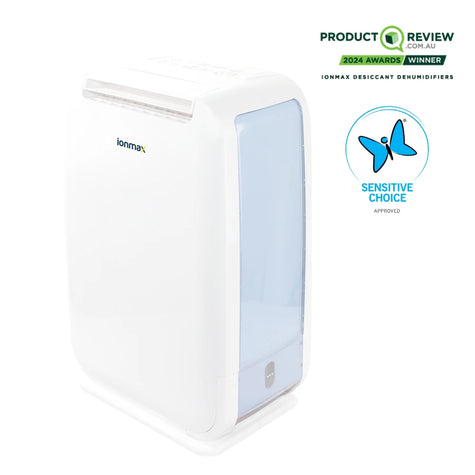
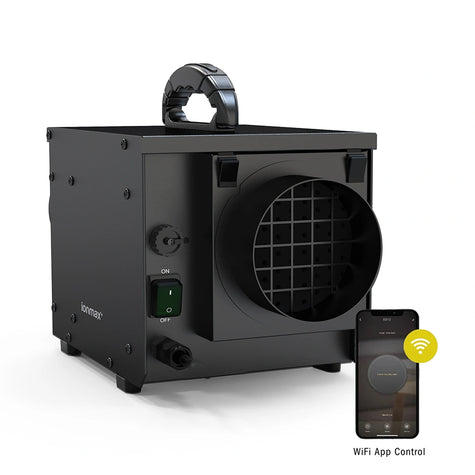
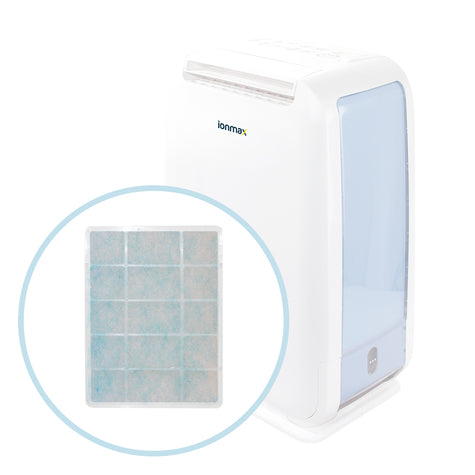
- Desiccant Dehumidifiers pass the air over an absorbent material (like a zeolite wheel) that extracts the moisture.
By constantly pulling water out of the air and storing it in a tank, the appliance keeps the room's humidity artificially low.
2. Creating "Thirsty" Air
Because the dehumidifier keeps the relative humidity low, the air in the room remains thirsty. This steep gradient between the wet fabric and the dry air forces the water in your clothes to evaporate much faster than it would naturally.
3. Air Circulation & Mild Warmth
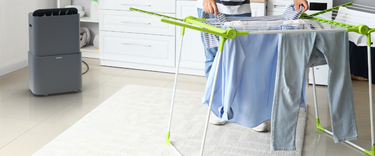
Drying requires movement. Most modern dehumidifiers feature fans (and often adjustable louvers or dedicated Laundry Modes) that blow dry air directly across the clothes rack. This moving air sweeps away the boundary layer of humid air sitting right on the surface of the wet fabric, allowing dry air to take its place.
Additionally, both compressor and desiccant dehumidifiers release dry air that is slightly warmer than the room's ambient temperature, which further aids evaporation.
Why Use a Dehumidifier Instead of a Tumble Dryer?
While tumble dryers are fast, using a dehumidifier offers distinct advantages for garment care and household energy management:
- Gentle on Fabrics: Tumble dryers use high heat and aggressive tumbling, which can shrink delicate fabrics, damage elastic, and wear down fibers over time (evident in the lint trap). A dehumidifier dries clothes naturally on a rack, preserving their shape and lifespan.
- Energy Efficiency: Dehumidifiers generally consume significantly less power per hour than traditional vented or condenser tumble dryers, making them a cost-effective alternative for daily laundry.
- Prevents Mold & Condensation: Drying clothes on an indoor rack without a dehumidifier dumps litres of water directly into your home's air, leading to condensation on windows and potential mold growth on walls. A dehumidifier captures that water before it can settle elsewhere.
- Versatility: Unlike a tumble dryer, a dehumidifier protects your entire living space year-round by controlling dampness, reducing dust mites, and improving overall indoor air quality.
Tips for Maximum Efficiency
To get the fastest drying times using a dehumidifier:
- Enclose the Space: Place your clothes rack and dehumidifier in a smaller room (like a bathroom or spare bedroom) and close the doors and windows to create a concentrated drying zone.
- Space Out the Clothes: Avoid overlapping garments on the airer so dry air can circulate freely through the fabric.
- Direct the Airflow: Position the dehumidifier's air outlet so it blows directly toward the base of the hanging clothes.
Summary
Dehumidifiers dry clothes by acting as a continuous moisture vacuum. By pulling water vapor out of the room, circulating dry air, and keeping relative humidity low, they transform any indoor room into an efficient, gentle drying chamber—protecting both your wardrobe and your home environment.
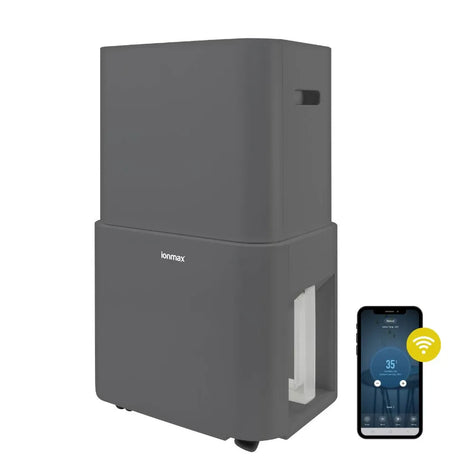
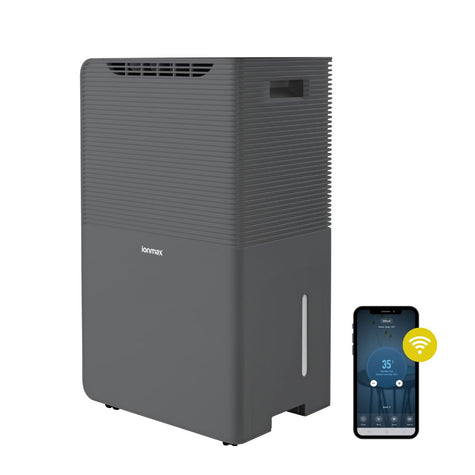
Speak to our team about an Ionmax Compressor Dehumidifier today!