
When the rainy season arrives, our natural instinct is to shut all the windows, bunker down, and keep the damp weather out. But while closing up the house keeps the rain away, it also traps a hidden cocktail of indoor air pollutants inside with you.
Without proper ventilation, indoor air quality can decline rapidly during wet weather. Combining stagnant indoor air with high humidity creates the perfect storm for your health and your home.
Here is a look at why an air purifier is your best line of defense during the rainy season, backed by environmental health insights.
1. Stopping Mold Spores in Their Tracks
The combination of sustained rain and warmth creates a breeding ground for mold and mildew. Mold reproduces by releasing microscopic spores into the air, which can easily be inhaled, triggering respiratory issues and allergic reactions.
According to the World Health Organization (WHO) Guidelines for Indoor Air Quality, dampness and mold are strongly associated with increased respiratory symptoms, asthma exacerbations, and respiratory infections.
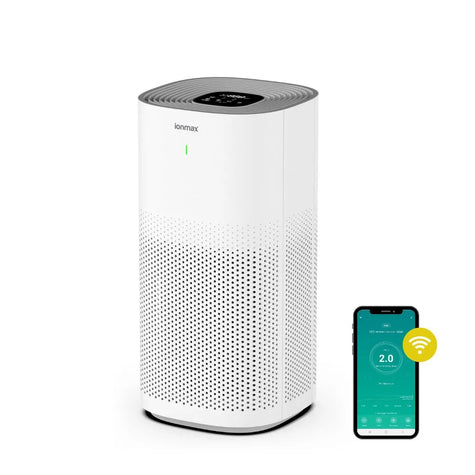
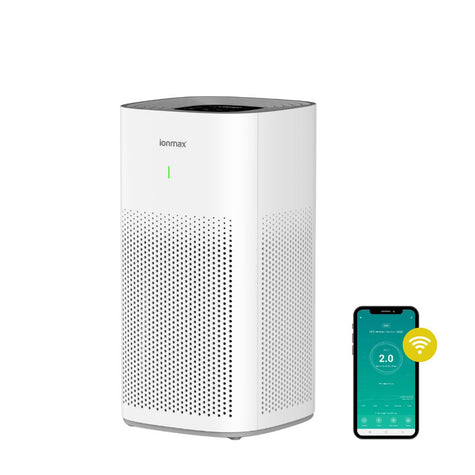
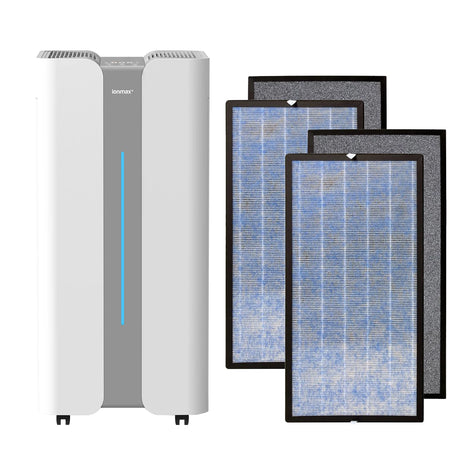
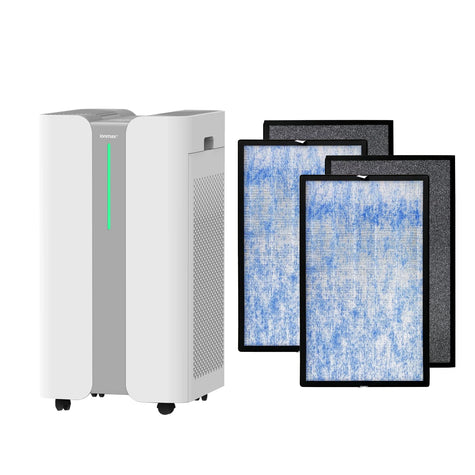
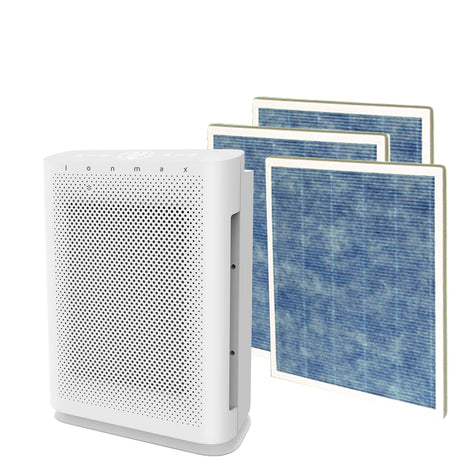
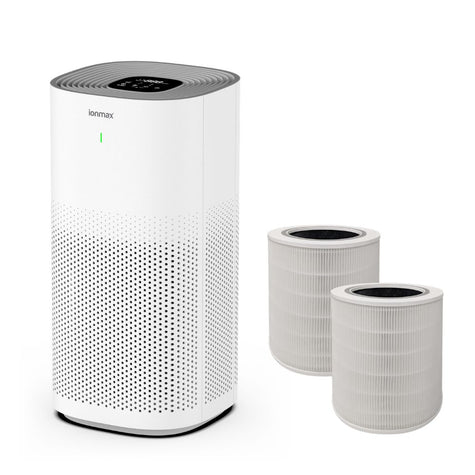
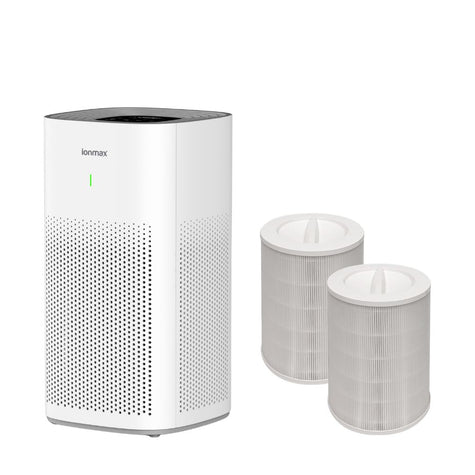
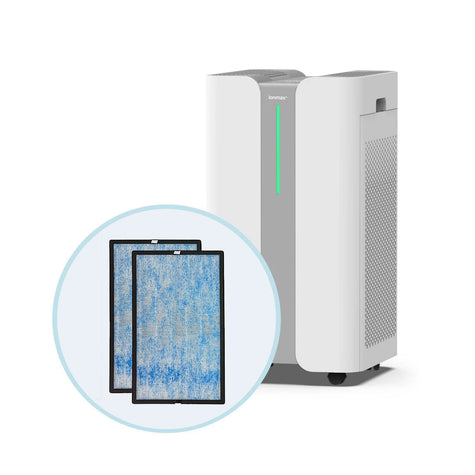
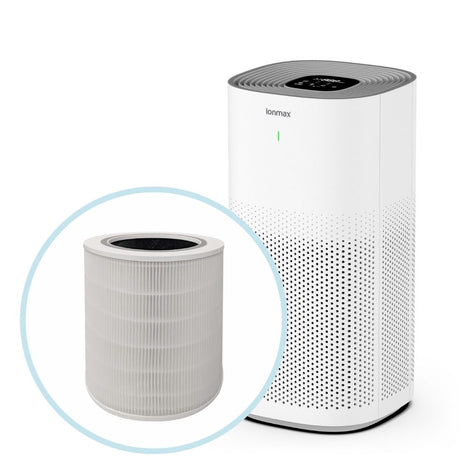
The Solution: An air purifier equipped with a medical-grade H13 HEPA filter actively captures 99.95% of ultra-fine airborne particles—including floating mold spores—before they have a chance to land, multiply, and ruin your walls or furniture.
2. Eradicating That "Musty" Rainy Season Smell
Have you ever noticed that distinct, heavy, musty odor that seems to take over the house after a few days of continuous rain? That smell is actually the volatile organic compounds (VOCs) and gasses released by microbial growth and damp fabrics.
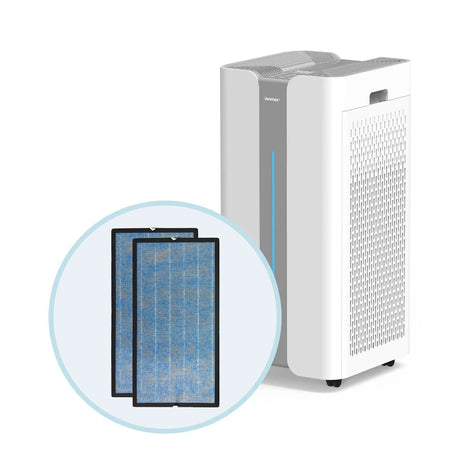
The Solution: While a HEPA filter captures physical particles, an air purifier with an Activated Carbon filter acts like a sponge for smells. It chemically binds to gas molecules, smoke, and damp odors, neutralizing them completely so your home actually smells fresh, rather than just "masked" by artificial air fresheners.
3. Filtering Out Trapped Indoor Allergens
When windows stay firmly shut for days on end, the air inside your home becomes stagnant. Common indoor allergens—like dust mites, pet dander, and structural dust—have nowhere to go. They simply recirculate through your living spaces, building up to concentrations that are often much higher than outdoor air.
The Solution: Keeping an air purifier running creates a continuous cycle of clean air, filtering out day-to-day allergens so your lungs don't have to act as the filter.
The Ultimate Rainy Season Hack: The 2-in-1 Solution
During a heavy wet season, your home is fighting a two-front war: excess moisture and airborne impurities.
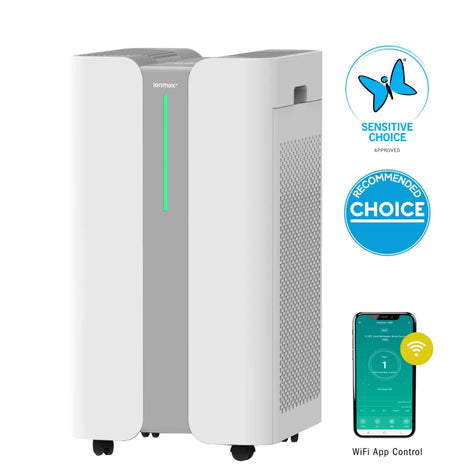
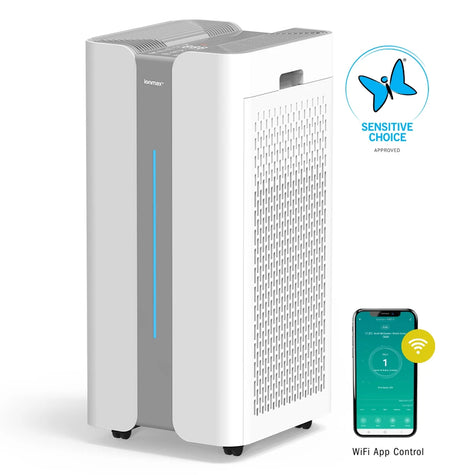
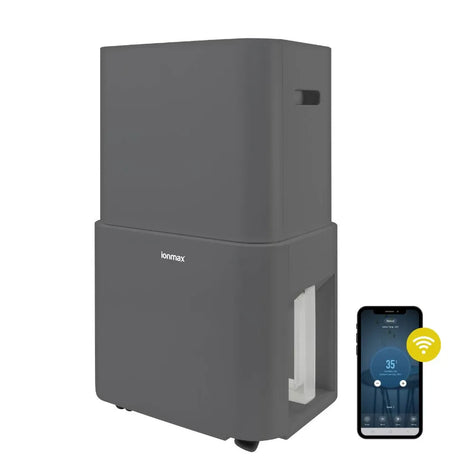
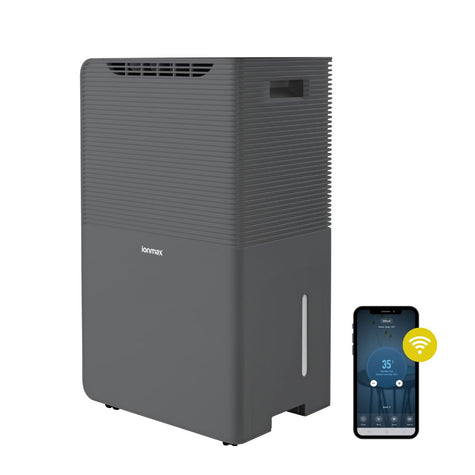
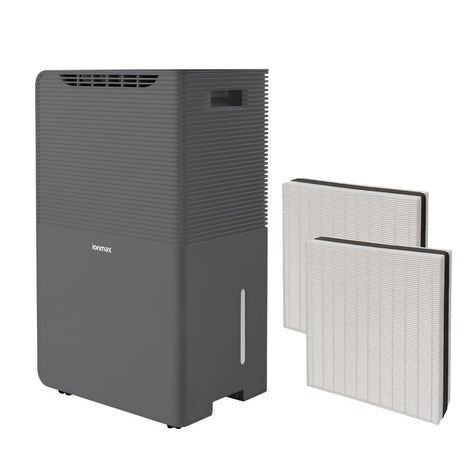
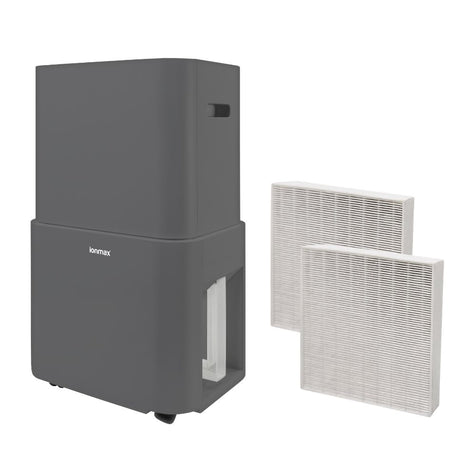
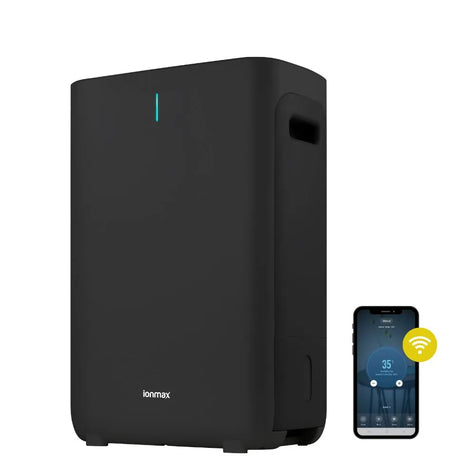
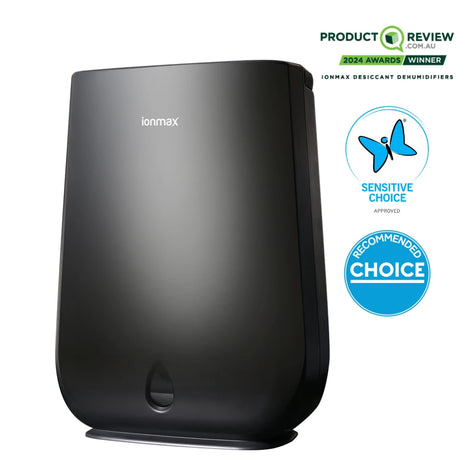
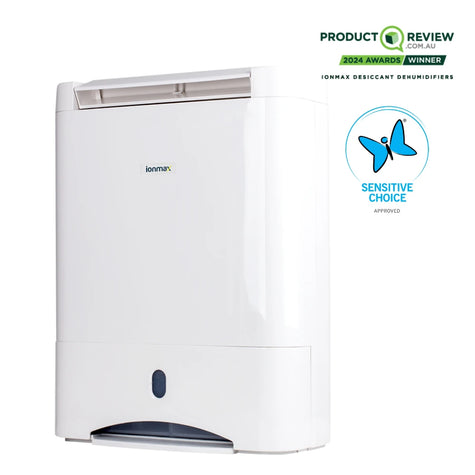
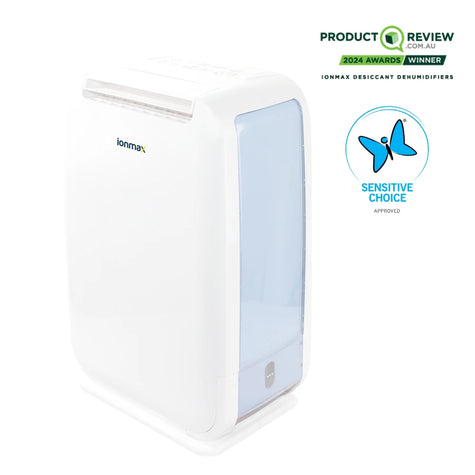
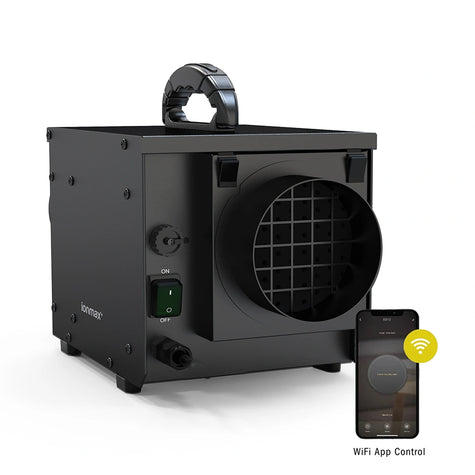
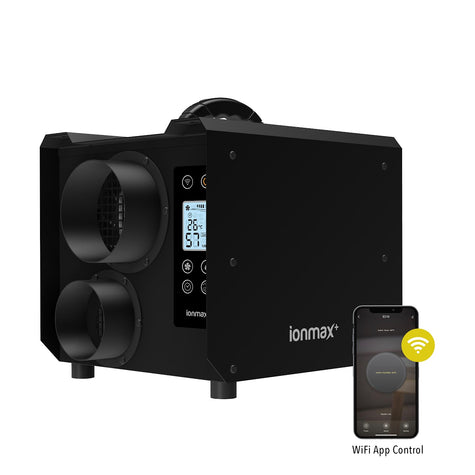
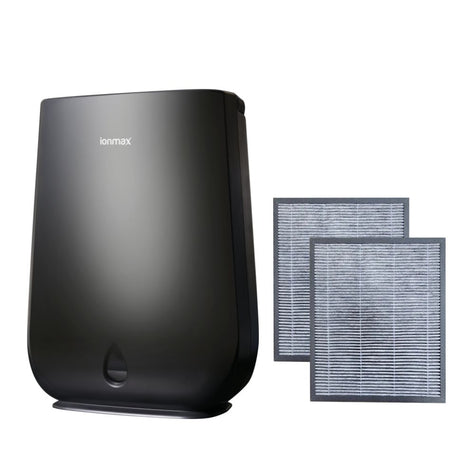
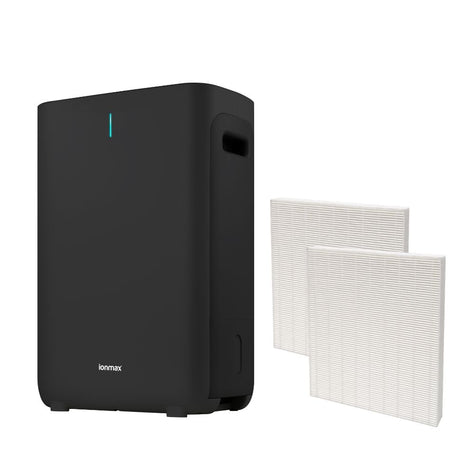
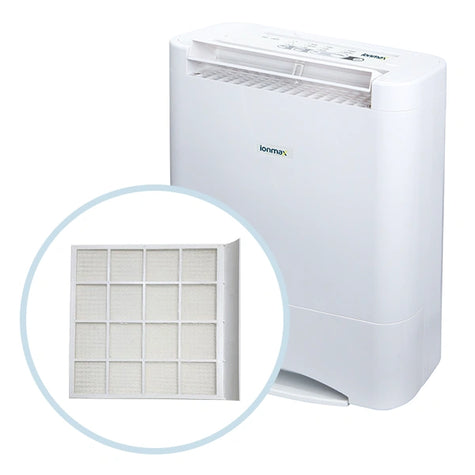
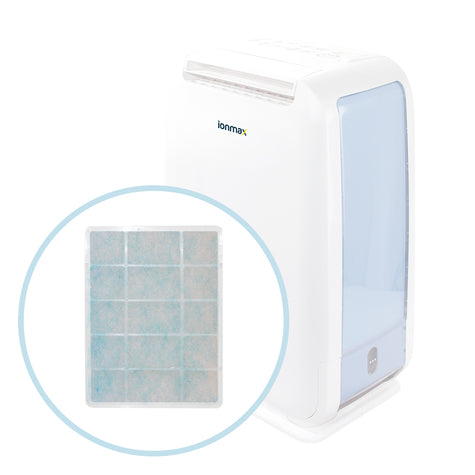
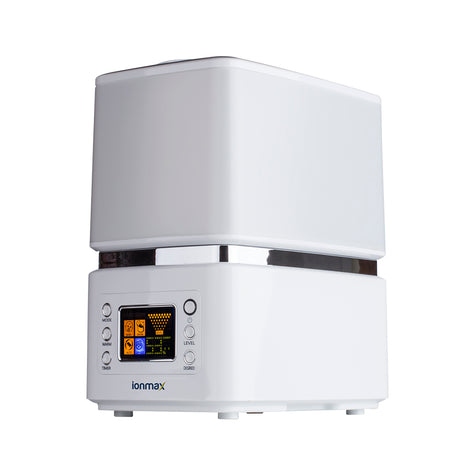
While a standard air purifier will clean the air, it won't drop the humidity levels that cause mold to grow in the first place. This is where a premium 2-in-1 system—like the Ionmax Leone Pro or Ionmax Rhine Pro—completely changes the game.

By combining industrial-strength dehumidification (extracting up to 50L of water a day) with high-efficiency H13 HEPA air purification, these systems simultaneously strip the heavy dampness out of the air while scrubbing it clean of spores and dust. It’s the ultimate blueprint for total indoor climate control when the weather outside is at its worst.
References & Sourcing
- World Health Organization (WHO): WHO Guidelines for Indoor Air Quality: Dampness and Mould. (Studies demonstrate the direct link between indoor dampness, airborne spore counts, and adverse respiratory health effects).
- Australian Department of Health and Aged Care: Workplace and Home Indoor Air Quality Guidance. (Highlights the importance of particulate filtration and moisture control in preventing indoor allergen buildup during seasonal weather shifts).
For more info speak to our sales team today!