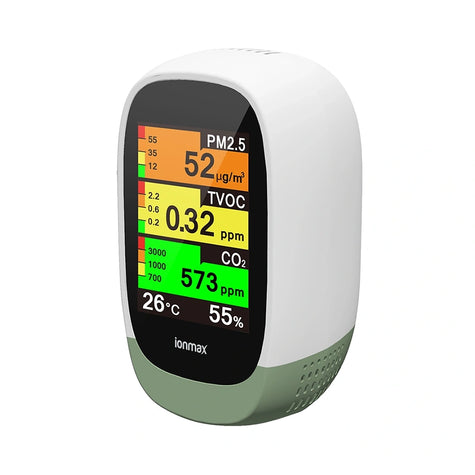
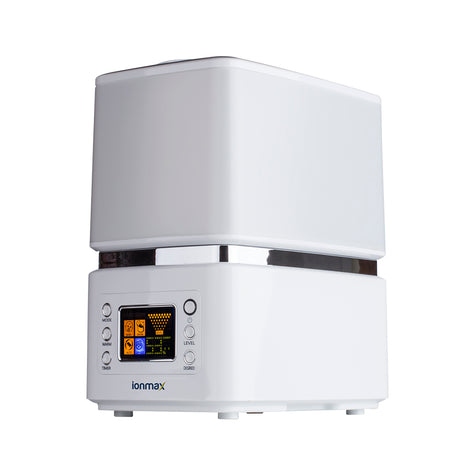
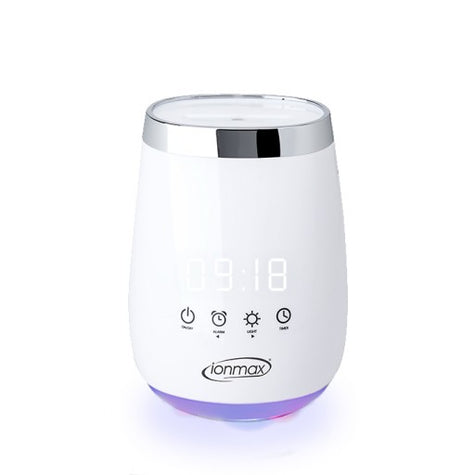

As winter temperatures plummet, aged care facility managers face a dual operational challenge: keeping residents thermally comfortable while maintaining safe indoor air quality (IAQ). To combat the external chill, facilities naturally close windows and scale up HVAC or central heating operations. While highly effective for temperature control, sealing a building creates an unintended, hazardous consequence... trapped, stagnant air coupled with shifting, unregulated moisture levels.
For elderly residents, who frequently present with compromised immune systems, age-related declines in lung elasticity, and pre-existing chronic conditions like Chronic Obstructive Pulmonary Disease (COPD) or asthma, poor IAQ is not just a comfort issue. It is a critical clinical risk that directly impacts infection rates, hospital readmissions, and overall quality of life. Implementing an environmental control strategy that pairs high-efficiency air purifiers with precision dehumidifiers is an essential clinical best practice during the winter months.
1. Shielding Vulnerable Immune Systems Against Winter Pathogens
Winter represents the peak transmission season for airborne respiratory pathogens, including Influenza, Respiratory Syncytial Virus (RSV), and COVID-19. In a sealed facility, airborne droplet nuclei can remain suspended in stagnant air zones for hours, migrating through communal lounges, dining spaces, and corridors via recirculated air currents.
Medical literature demonstrates that institutionalized older adults are at a significantly higher risk for severe complications arising from secondary bacterial or viral pneumonia. When a facility's structural envelope is tightly sealed to retain heat, cross-contamination risks amplify exponentially.
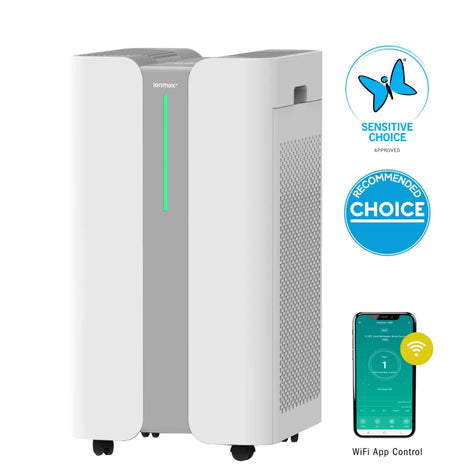
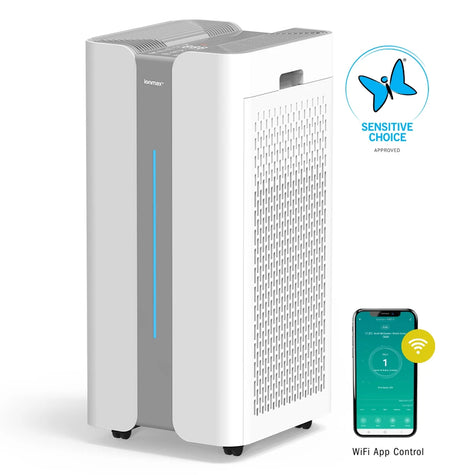
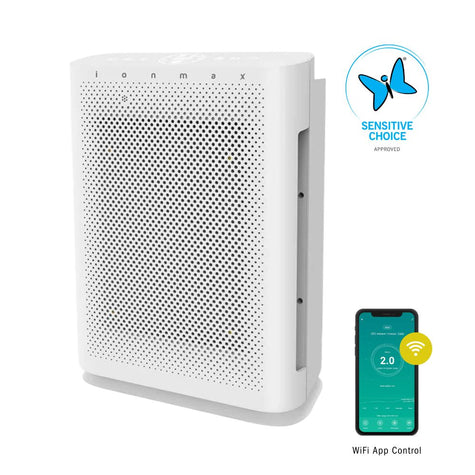
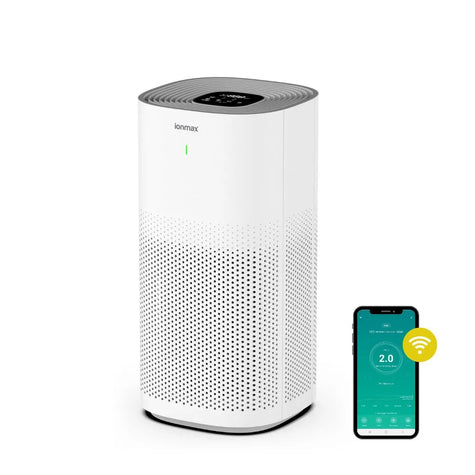
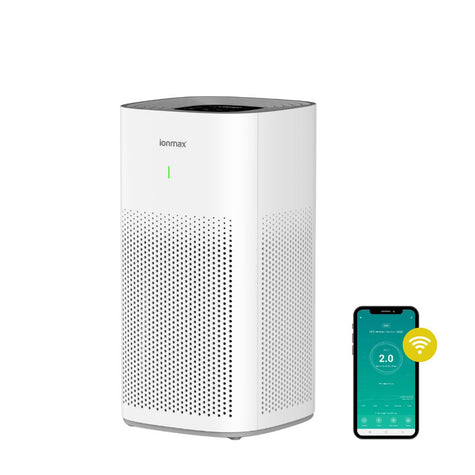
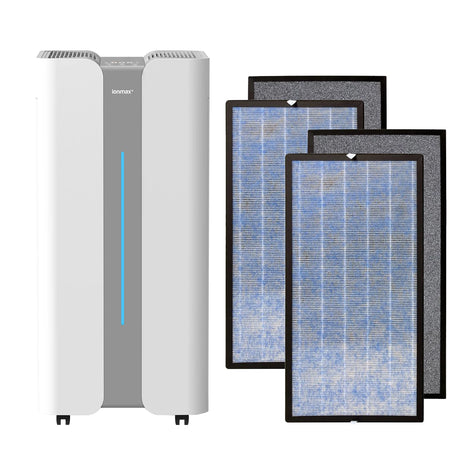
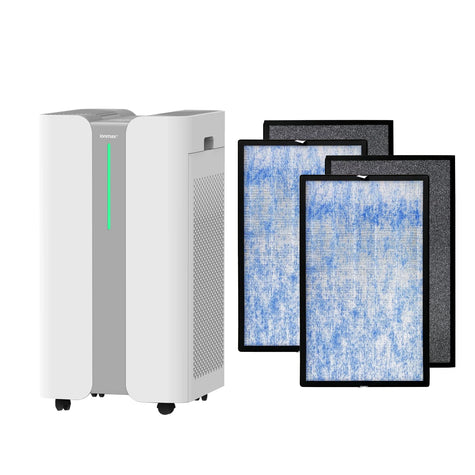
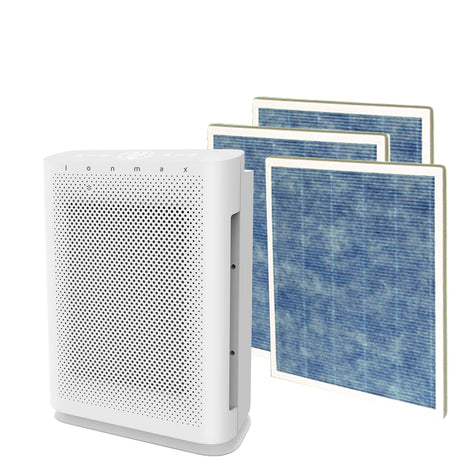
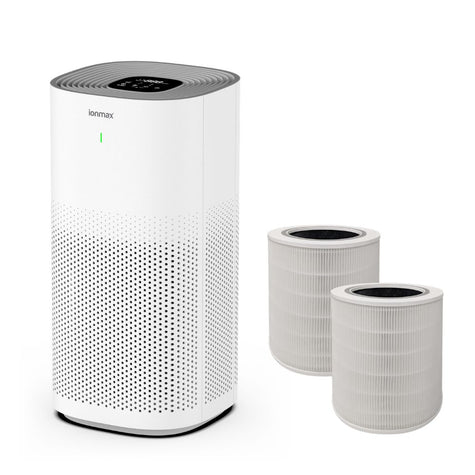
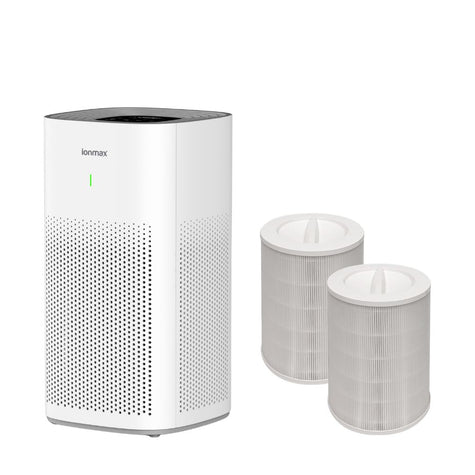
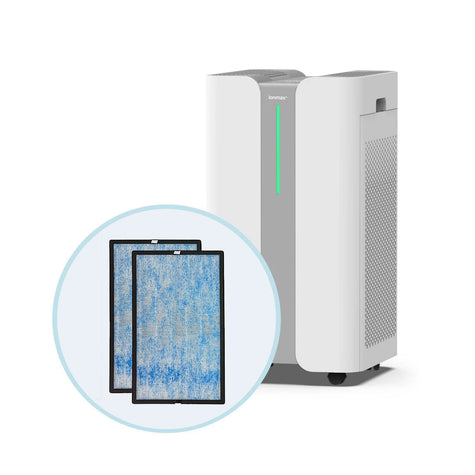
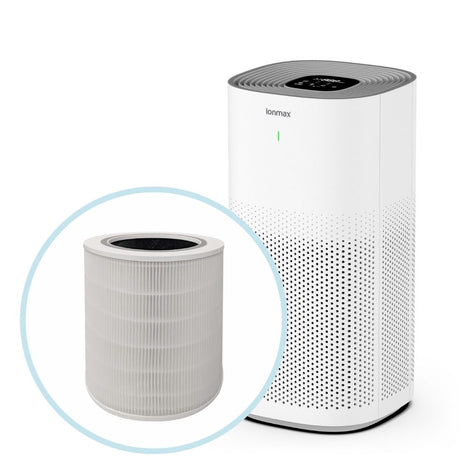
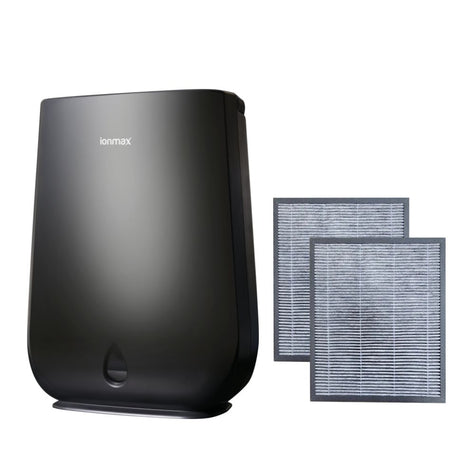
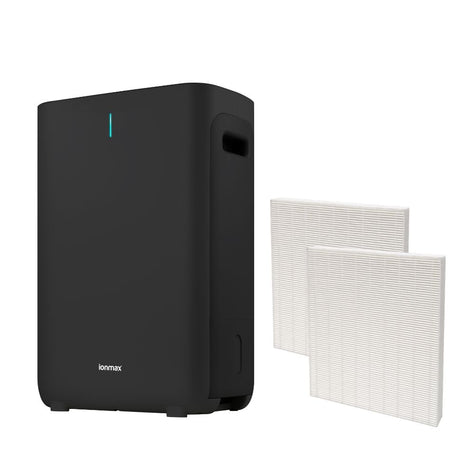
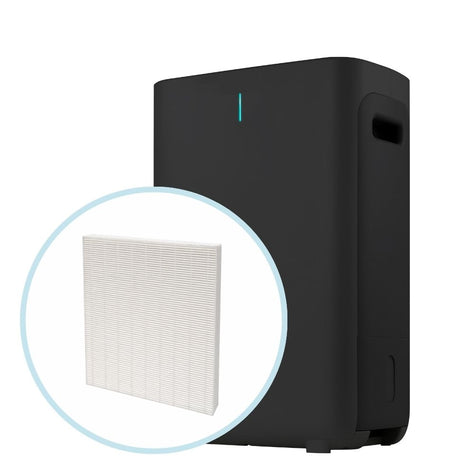
- How Air Purifiers Counter the Risk: Medical-grade, High-Efficiency Particulate Air (HEPA) purification systems work by mechanically drawing air through a dense web of microscopic glass fibers. True HEPA filters capture 99.97% of airborne particulates down to 0.3 microns in size, a spectrum that includes bacteria, viral droplet nuclei, and fungal spores. By continuously cycling room air and filtering out these pathogens, purifiers break the chain of transmission in high-traffic, communal areas, providing a crucial secondary line of defense alongside facility vaccination protocols.

2. Managing the "Trapped Moisture" Dilemma and Condensation
While heating systems work to keep indoor spaces warm, everyday clinical and hospitality operations, such as commercial laundering, heated showers, commercial kitchens, and even the simple physiological metabolic respiration of a high concentration of residents generate vast volumes of water vapor. When the building exterior is cold and the interior is warm, this trapped moisture hits cold thermal bridges (like window glass and external walls), causing heavy condensation.
Excessive indoor humidity alters the microclimate of resident bedrooms and shared spaces. Unmanaged moisture seeps into drywall, ceiling tiles, and soft furnishings, degrading the physical structural integrity of the facility and creating invisible reservoirs for toxic biological growth.
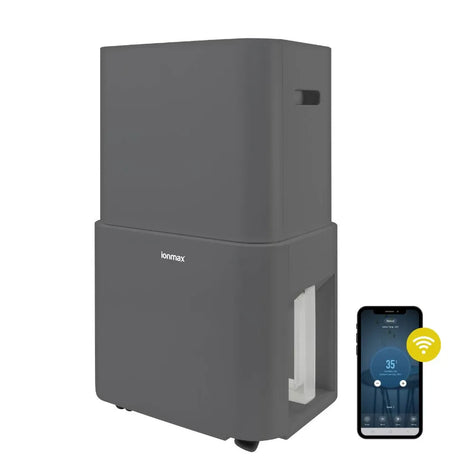
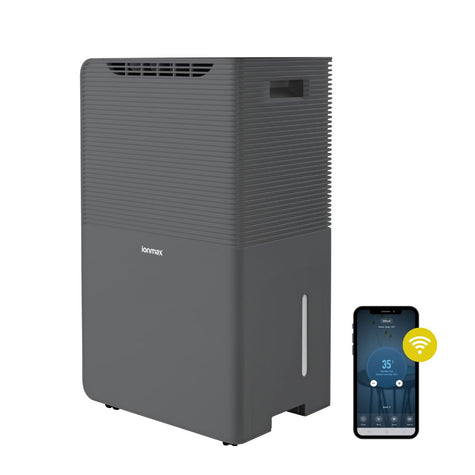
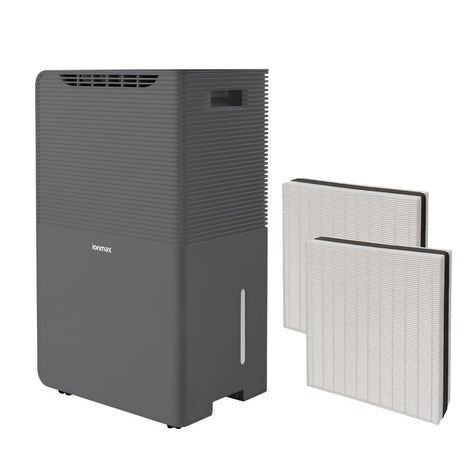
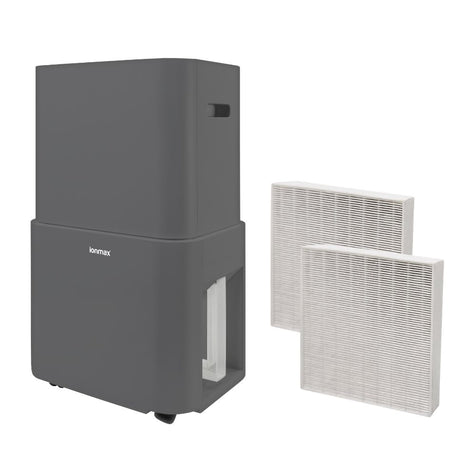
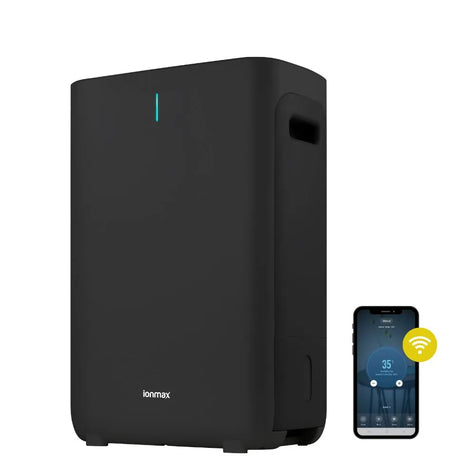
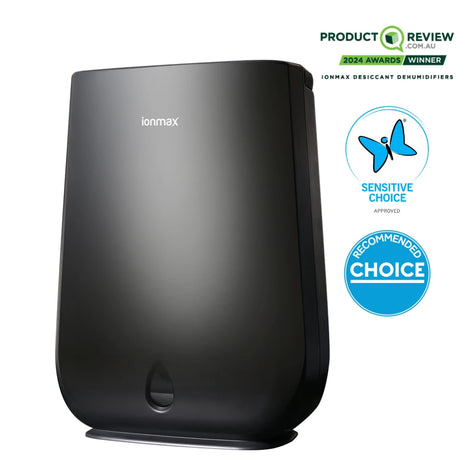
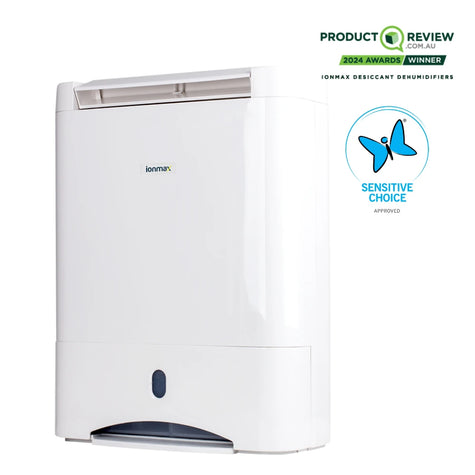
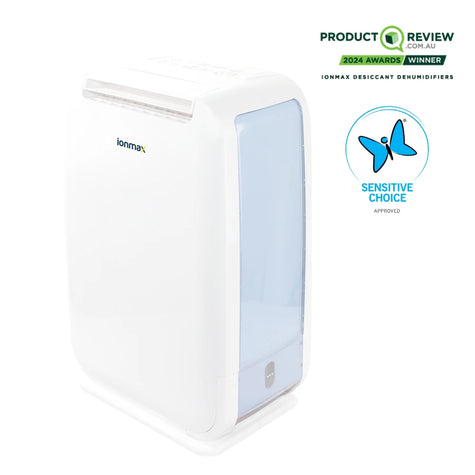
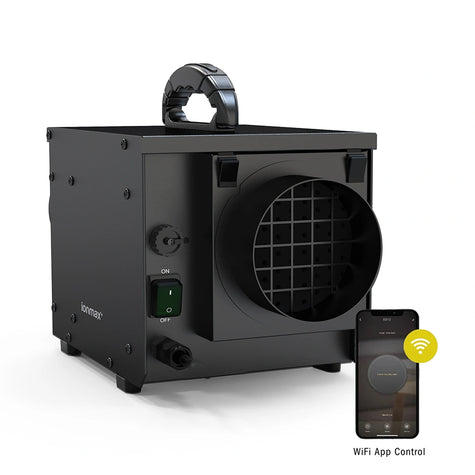
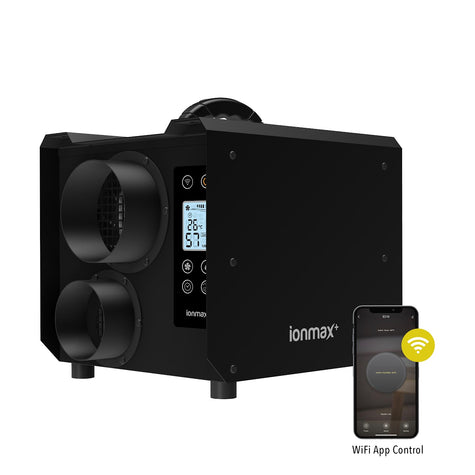
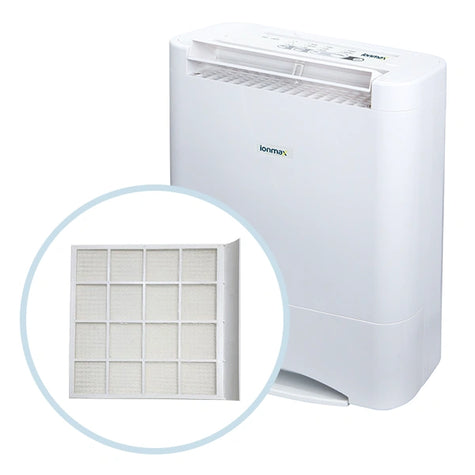
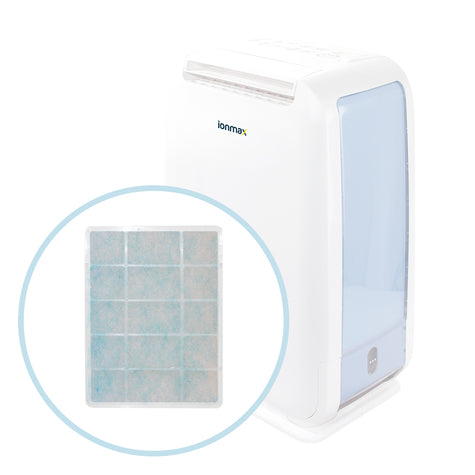
- How Dehumidifiers Counter the Risk: Commercial refrigerant or desiccant dehumidifiers play a vital role by actively extracting ambient water vapor directly from the air. By keeping the indoor Relative Humidity (RH) stabilized within a tight, healthy window (ideally 40% to 60%), dehumidifiers permanently remove the excess moisture that fuels structural dampness, ensuring window panes remain dry and building envelopes remain safe.
3. Eradicating the Twin Triggers: Mould and Dust Mites
Persistent indoor condensation and warmth provide the perfect, accelerated breeding ground for two of the most aggressive respiratory allergens known to medicine: mould spores and dust mites. Mould colonies can establish on structural surfaces within 24 to 48 hours of continuous moisture exposure, releasing hundreds of thousands of microscopic, airborne spores into the facility's breathing zone.
Similarly, dust mites thrive and multiply exponentially in humid environments. The microscopic proteins found in both mold spores and dust mite waste materials act as severe inflammatory triggers when inhaled. For a resident with an aged respiratory tract, exposure to these biotoxins can prompt acute asthma flare-ups, severe allergic rhinitis, and dangerous exacerbations of COPD, frequently resulting in avoidable hospitalizations.
- The Power of the Dual Approach: Dehumidifiers act as a preventative measure by removing the primary biological catalyst (moisture) required for mould and dust mite survival. Simultaneously, air purifiers serve as the reactive shield, scrubbing out any pre-existing, airborne allergens, dander, and fungal fragments currently circulating in the air space.
4. Balancing the Microclimate to Prevent the Hazards of Static "Dry Air"
Paradoxically, intensive, poorly regulated HVAC heating can sometimes over-correct, stripping too much natural moisture from specific zones and creating localized pockets of hyper-dry, dusty, and stagnant air. When indoor relative humidity drops below 40%, the human body’s primary respiratory defense mechanism, the mucociliary escalator becomes compromised.
Dry air parches the nasal mucous membranes, causing microscopic fissures and reducing the production of protective mucus. Without this fluid barrier, inhaled viruses and bacteria can bypass natural filters and latch directly onto the deep lining of the lungs. Furthermore, dry air increases static electricity, causing settled dust, skin dander, and clothing fibers to easily re-suspend into the breathing zone whenever someone walks by.
- The Systemic Balance: Intelligent environmental management relies on smart dehumidifiers equipped with built-in humidistats to ensure the environment is never over-dried, keeping ambient levels strictly in the healthy "sweet spot." Concurrently, air purifiers continuously filter out the massive volume of skin flakes, dander, and fine dust that forced-air heating systems inherently stir up from floors and linens.
5. Advanced Odour Elimination and Resident Dignity
Maintaining a pleasant, dignified sensory environment is a core pillar of high-quality aged care facility management. However, when a facility is sealed shut for winter, a cocktail of complex indoor odours becomes trapped and concentrated. These odours stem from commercial cooking, medical supplies, waste storage, and incontinence management.
Relying on chemical aerosol sprays, plug-in air fresheners, or synthetic fragrances to mask these scents introduces Volatile Organic Compounds (VOCs) into the air. These chemical compounds cause severe airway irritation, headaches, and sensory discomfort for frail residents.
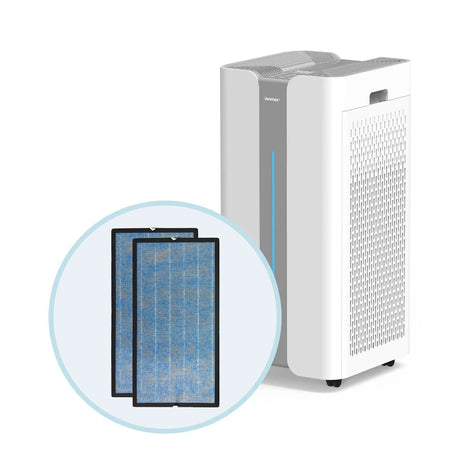
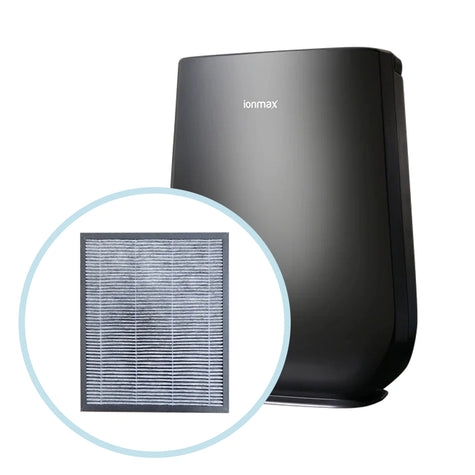
- How Activated Carbon Filters Help: Commercial air purifiers equipped with deep-bed Activated Carbon Filters provide a chemical-free solution to odour management. Activated carbon possesses an immensely porous surface area designed to attract and trap gases, chemical vapors, and odours via a process called adsorption. This purifies the air at a molecular level, maintaining a fresh, neutral, and respectful environment for residents, staff, and visiting families without introducing harmful chemical irritants.
Conclusion: A Non-Negotiable Winter Partnership
In the context of modern aged care facility operations, air purifiers and dehumidifiers must not be viewed as isolated, optional appliances. Rather, they form an interdependent environmental safety web. The dehumidifier establishes structural defense by eliminating the moisture required for biological hazards to breed, while the air purifier provides continuous biological defense, scrubbing out the viruses, allergens, and VOCs that find their way indoors. Investing in this combined technology is a proactive, evidence-based commitment to the health, comfort, safety, and dignity of every resident under your care.
Clinical & Industry References
- World Health Organization (WHO). WHO Guidelines for Indoor Air Quality: Dampness and Mould. Evaluates the severe respiratory health risks associated with indoor moisture, microbial growth, and structural dampness in institutional settings.
- Centers for Disease Control and Prevention (CDC). Ventilation in Buildings & Environmental Infection Control Guidelines. Details the efficacy of medical-grade HEPA filtration systems in reducing the transmission of airborne viral droplet nuclei (such as Influenza and SARS-CoV-2) within long-term care facilities.
- Australian Government Department of Health and Aged Care. Aged Care Quality Standards - Standard 5: Organisation's Service Environment. Mandates that physical service environments must be safe, clean, comfortable, and well-maintained to promote resident well-being and safety.
- American Society of Heating, Refrigerating and Air-Conditioning Engineers (ASHRAE). Standard 62.1: Ventilation for Acceptable Indoor Air Quality. Establishes industry-standard relative humidity thresholds (40%–60%) necessary to minimize pathogen survival and maximize human respiratory defense mechanisms.