
Spring is often celebrated for sunshine, blossoming gardens, and warmer temperatures. However, in many parts of Australia, spring also delivers frequent downpours and fluctuating weather. While outdoor rain feeds gardens, it simultaneously drives relative humidity levels up, creating a hidden challenge inside our homes: persistent indoor dampness.
Many homeowners assume that indoor moisture problems belong strictly to winter. In reality, spring rains combined with warmer ambient temperatures create prime conditions for humidity to build up, linger, and wreak havoc on your indoor environment.
Understanding how spring rain transforms into indoor dampness, and taking proactive control is essential for maintaining a healthy home and protecting your family’s respiratory well-being.
1. The Science of Spring Dampness
Spring indoor dampness is driven by a combination of atmospheric factors and natural physics:
- Rising Ambient Humidity: Frequent rain saturates outdoor air. When saturated air infiltrates your living spaces, it prevents internal moisture (from cooking, showering, or sweating) from evaporating naturally.
- Warm Air Holds More Water: Warm spring air holds significantly more moisture vapour than cold winter air. When warm, humid air flows into a building envelope, the overall moisture mass inside increases.
- Trapped Condensation: Temperature drops between warm rain-soaked days and cooler spring nights cause moisture to condense on colder interior surfaces, such as window frames, exterior-facing walls, and concrete subfloors.
2. Common Causes of Indoor Moisture in Spring
Why does your home feel muggy and damp during spring? Key drivers include:
- Infiltration of Outdoor Rain: Wet footwear, damp umbrellas, drenched pets, and rain-soaked coats bring water directly past your front door.
- The Ventilation Paradox: When it rains outside, opening windows to "air out" a room often backfires—it draws heavy, saturated outdoor air directly into your home.
- Indoor Moisture Generation: Everyday activities like hot showers, stovetop cooking, and drying laundry indoors release litres of moisture into enclosed spaces daily.
- Subfloor & Foundation Seepage: Heavy spring rain saturates the surrounding soil, allowing groundwater to migrate upward through concrete slabs or subfloor spaces, increasing humidity in ground-floor rooms.
3. The Dangers of Uncontrolled Indoor Moisture
Excess indoor moisture is far more than a minor discomfort; it presents real risks to your home and health:
- Rapid Mold Growth: Mold spores thrive when relative humidity levels exceed 60%. High humidity allows mold to spread rapidly across drywall, ceilings, timber frame furniture, and window tracks.
- Dust Mite Surges: Dust mites feed on skin flakes and flourish in humid conditions. High spring humidity creates an ideal environment for dust mites to multiply, triggering asthma and seasonal allergies.
- Structural & Furnishing Damage: Persistent dampness warps timber floorboards, peels wallpaper, causes plasterboard to sag, and leaves soft furnishings smelling stale and musty.
4. Why Ventilation Alone Isn't Enough During Spring Rains
Opening doors and windows is a go-to solution for fresh air, but during spring downpours, outdoor relative humidity frequently hits 80% to 100%. Opening windows under these conditions effectively floods your living space with moisture.
Furthermore, dark or unventilated areas, such as walk-in wardrobes, basements, laundries, and internal hallways, receive virtually no natural airflow, allowing moisture to accumulate undisturbed. To maintain a dry home, active dehumidification is required.
5. Taking Control with Ionmax Dehumidifiers
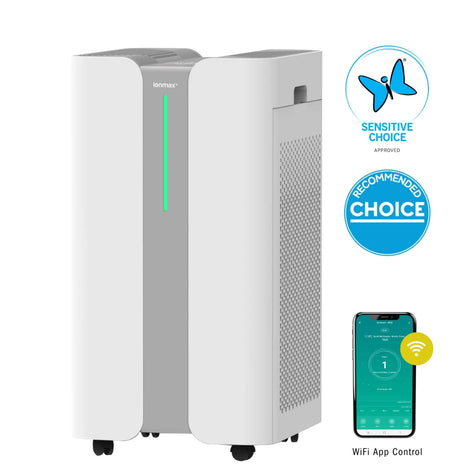
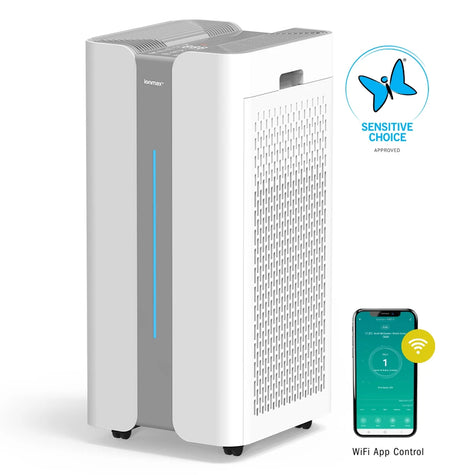
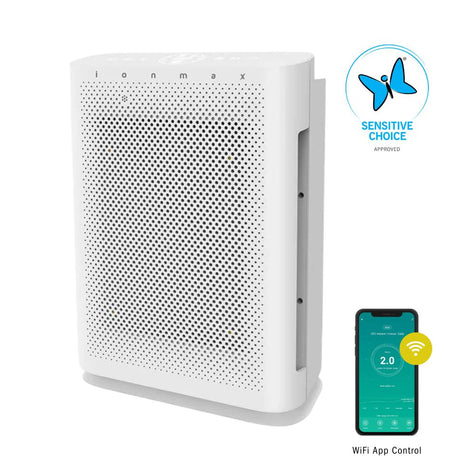
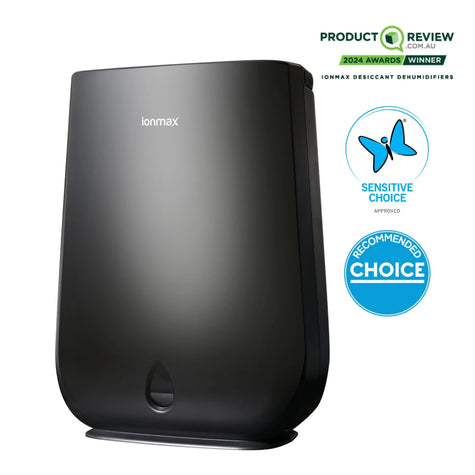
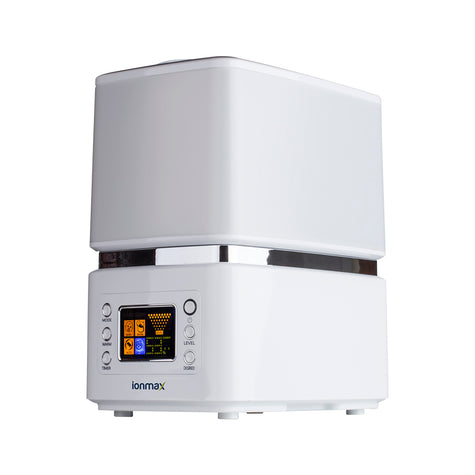
To effectively prevent spring dampness, indoor relative humidity should be maintained within an optimal range of 40% to 50%. Ionmax provides Sensitive Choice-approved dehumidifiers tailored to Australian homes and climate conditions:
Desiccant Dehumidifiers (Ideal for All-Season Use)
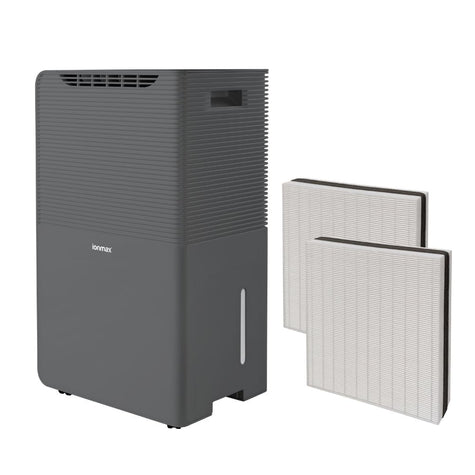
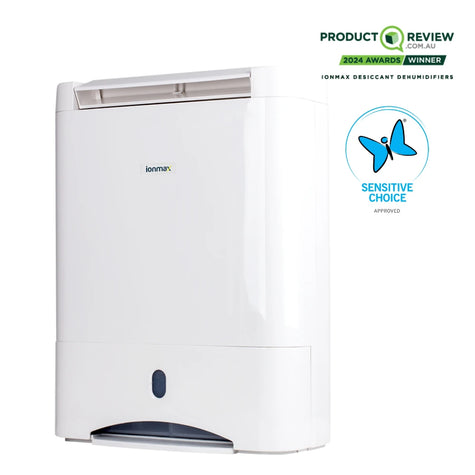
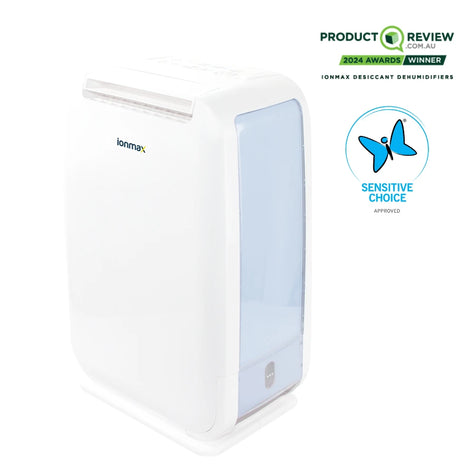
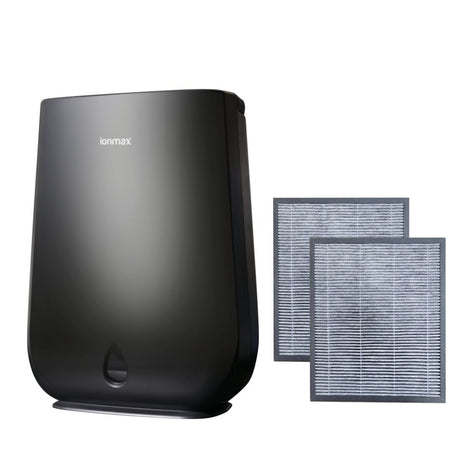
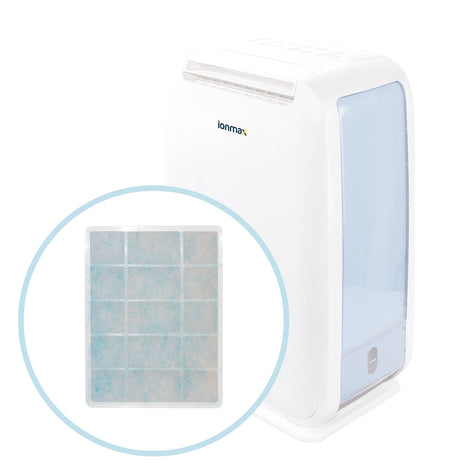
- Technology: Models like the Ionmax ION610 Desiccant Dehumidifier use Zeolite desiccant technology to extract moisture effectively across a wide range of ambient temperatures.
- Best For: Bedrooms, wardrobes, and cooler spring days where consistent performance and quiet operation are essential.
Compressor Dehumidifiers (High-Capacity Extraction)
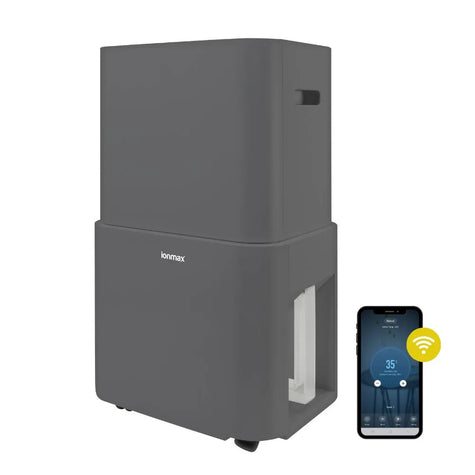
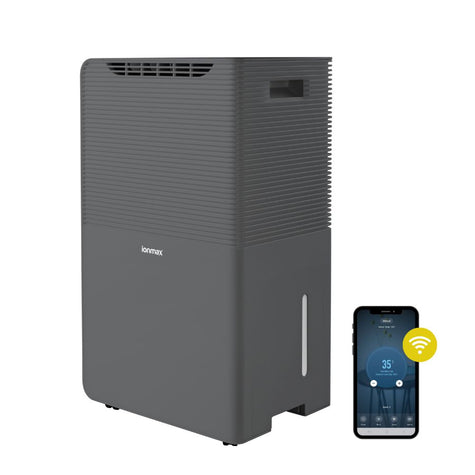
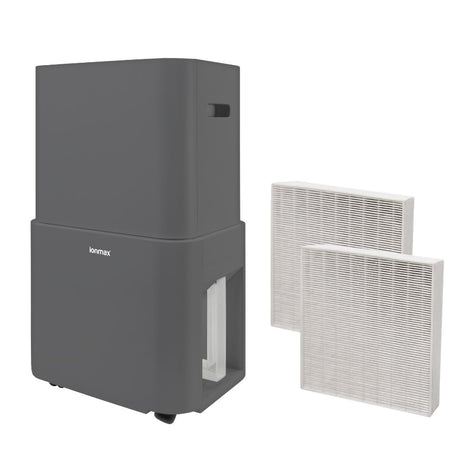
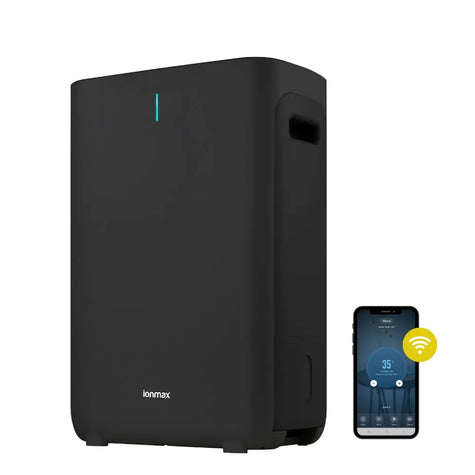
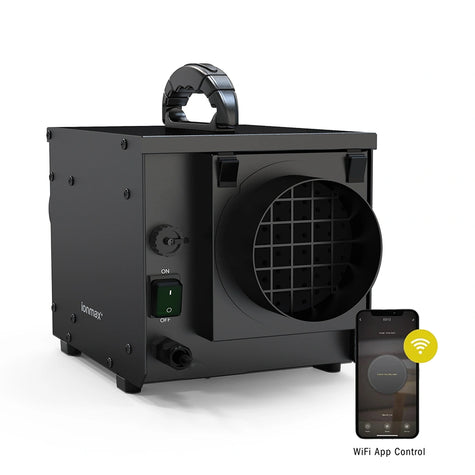
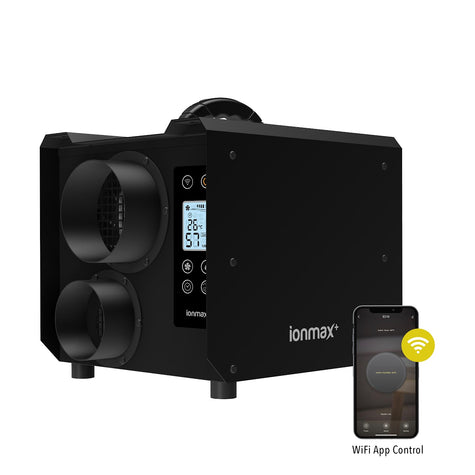
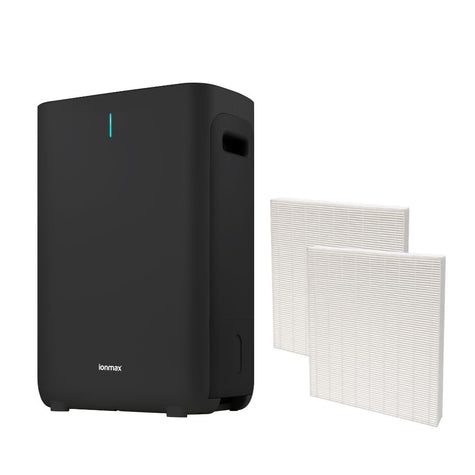
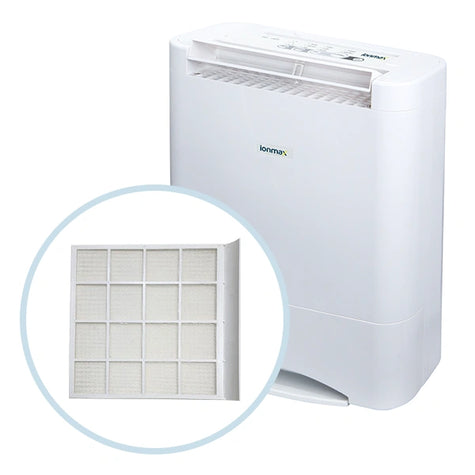
- Technology: Units like the Ionmax Rhine Pro 50L Compressor Dehumidifier extract high volumes of water per day, removing large amounts of moisture from open-plan areas during warm, humid spring spells.
- Best For: Large living spaces, open-plan areas, and basements subject to high humidity and groundwater seepage.
Smart Moisture & Air Purification
-
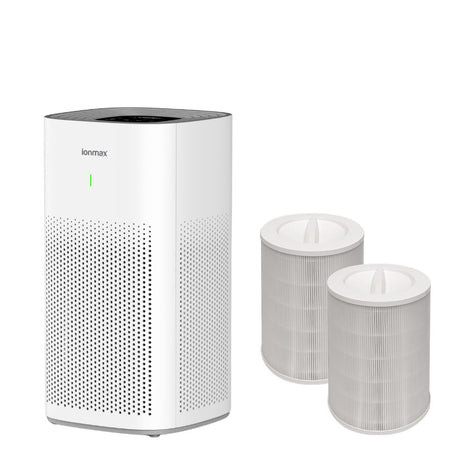
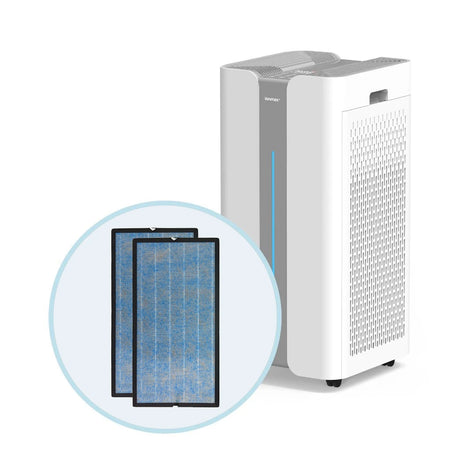
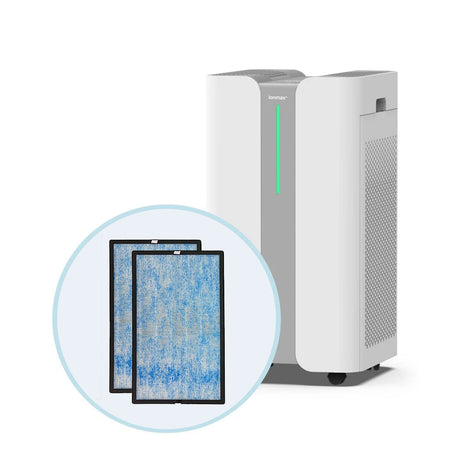
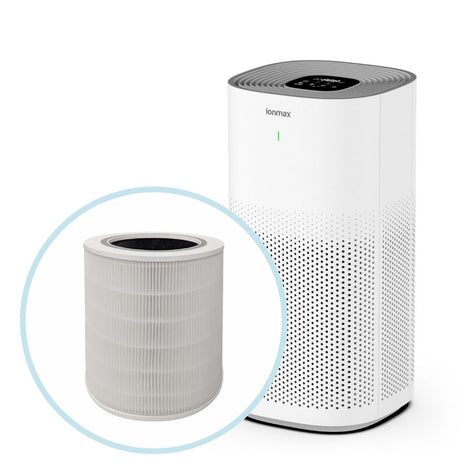
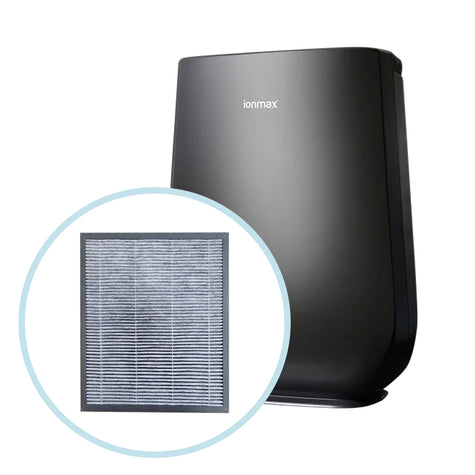
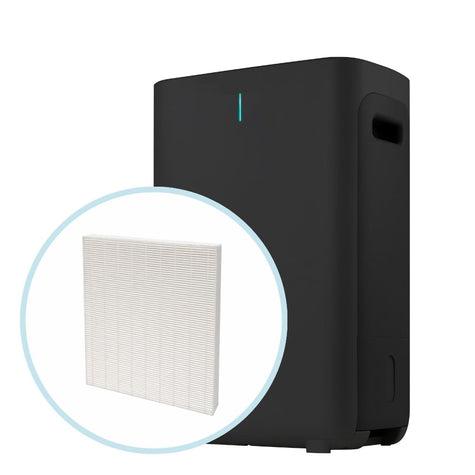
Many Ionmax models combine high-efficiency dehumidification with integrated HEPA filtration, actively removing mold spores, dust mites, and airborne allergens while keeping your air dry and comfortable.
Practical Checklist for a Dry, Healthy Spring Home
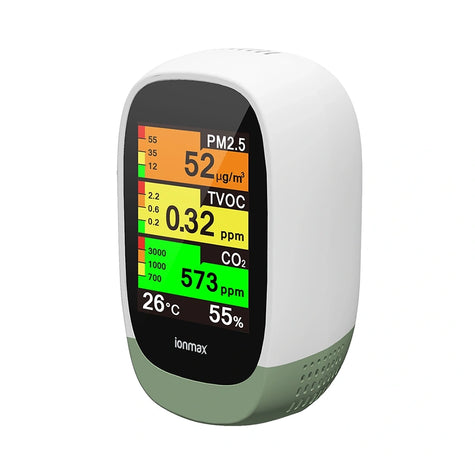
- Monitor Humidity: Use a digital hygrometer to keep track of indoor humidity levels. Aim for 40%–50% relative humidity.
- Deploy Dehumidifiers in Moisture Hotspots: Place an Ionmax dehumidifier in laundries, basements, or rooms where condensation forms.
- Dry Laundry Wisely: Avoid drying wet clothes indoors without running a dehumidifier nearby to capture evaporating water.
- Use Exhaust Fans: Always run kitchen and bathroom exhaust fans during and after cooking or showering.
- Check Gutters & Drainage: Clear downpipes and gutters so spring rainwater drains away from your foundation wall.
Protect Your Home and Health This Spring
Don't let spring rain compromise your indoor comfort or air quality. By managing relative humidity with high-performance dehumidification, you can prevent mold, eliminate musty odours, and enjoy a fresh, healthy living environment all season long.
👉 Explore the Full Range of Ionmax Dehumidifiers Today and discover the perfect moisture control solution for your home!
Here is a list of recommended authoritative sources and references that support the key scientific, WHS, and environmental facts cited in the article:
1. Relative Humidity & Mold Growth (>60% Threshold)
-
World Health Organization (WHO): WHO Guidelines for Indoor Air Quality: Dampness and Mould (2009).
- Supports: The direct link between indoor dampness, relative humidity levels above 60%, and rapid mold proliferation/respiratory health impacts.
-
Safe Work Australia: Managing the Work Environment and Facilities Code of Practice.
- Supports: Guidelines on recommended indoor relative humidity ranges ($40\%\text{–}60\%$) for health and environmental safety.
2. Indoor Moisture & Dust Mite Proliferation
-
National Asthma Council Australia (Sensitive Choice Program): Indoor Environmental Triggers: Dust Mites & Mould.
- Supports: How high indoor relative humidity during humid seasons causes dust mite surges and triggers asthma/allergy symptoms.
-
CSIRO (Commonwealth Scientific and Industrial Research Organisation): Building Design and Indoor Air Quality Reports.
- Supports: Data on how Australian homes trap internal moisture from daily activities (cooking, showering, clothes drying).
3. Psychrometrics & Weather Dynamics (Warm Air & Rainfall)
-
Bureau of Meteorology (BOM): Atmospheric Humidity and Dew Point Education Series.
- Supports: The physical principle that warmer spring air holds greater total moisture vapor mass than cold air, as well as spring rainfall patterns across Australia.
-
Australian Department of Climate Change, Energy, the Environment and Water (DCCEEW): Your Home Guide — Moisture and Condensation Control.
- Supports: Information on indoor moisture infiltration, groundwater/subfloor seepage, and why opening windows on rainy days increases indoor relative humidity.