

It’s a classic Australian autumn morning. You wake up, the air has that first real Autumn crispness, and you go to pull back the curtains to let the sun in. But instead of a clear view, you’re met with a foggy, dripping mess.
Your windows are crying.
While it might seem like a minor annoyance you can just wipe away with a towel, those morning puddles are actually a distress signal from your home. Here is why your glass is soaking wet this Autumn and how to fix it before the real winter chill sets in.
What’s making them cry?
In Australia, we love our indoor-outdoor lifestyle, but our houses aren't always great at managing the transition. As we move into mid-March, two things happen:
-
The Temperature Drop: The glass in our windows (especially if they aren't double-glazed) cools down significantly overnight.
-
The Humidity Trap: We start closing our doors and windows to keep the warmth in. All the moisture from our breathing, showers, and boiling kettles stays trapped inside.
When that warm, moist indoor air hits the cold surface of your window, it reaches its "Dew Point." The gas turns back into a liquid, and suddenly, your bedroom feels more like a greenhouse than a sanctuary.
The "modern home" Paradox
Interestingly, if you live in a newer, 6-star energy-rated home, you might see more condensation. Why? Because modern homes are built to be airtight. While this is great for your heating bill, it means the moisture has nowhere to escape. Your house is effectively holding its breath, and that moisture is suffocating your window frames.
More than just a puddle: The hidden dangers
"Crying windows" are the tip of the iceberg. If there is enough moisture to fog your glass, there is enough moisture to cause real trouble elsewhere:
- The mould invite: Damp windowsills are the VIP lounge for black mould. Once it takes hold in the silicone or the timber frame, it’s a nightmare to remove.
- The dust mite boom: Dust mites thrive in humidity levels over 60%. If your windows are wet, your carpets and mattresses are likely damp enough to host a microscopic party.
- The "Autumn Sneeze": That persistent cough or "seasonal cold" you can’t shake? It might actually be a reaction to the spike in indoor allergens caused by the damp.
How to stop the tears
You can keep a stack of towels by the windowsill every morning, or you can solve the problem at the source.
1. Ventilation is key
On dry Autumn days, crack the windows for 20 minutes in the morning. It lets the "stale" moist air out and fresh air in. However, in a humid Australian Autumn, this sometimes just lets more dampness in.
2. The professional standard: Dehumidification
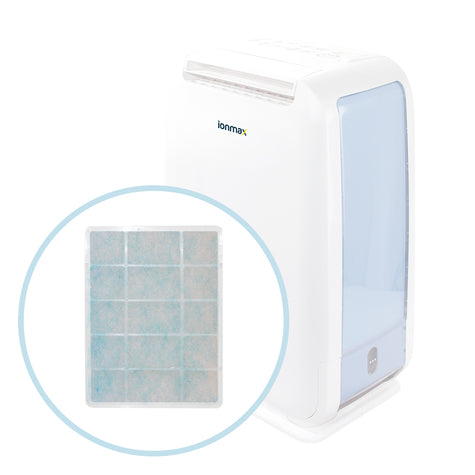
This is where Ionmax shines. A dehumidifier doesn't just treat the symptom (the wet glass); it cures the cause (the heavy air).
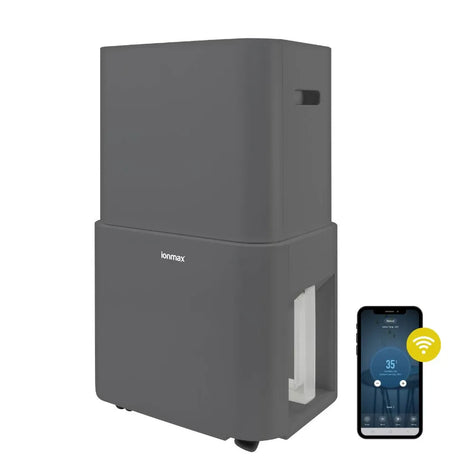
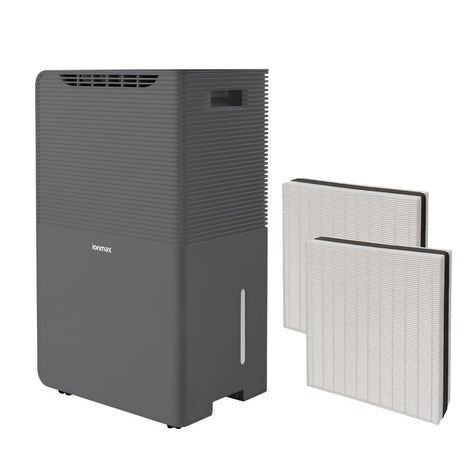
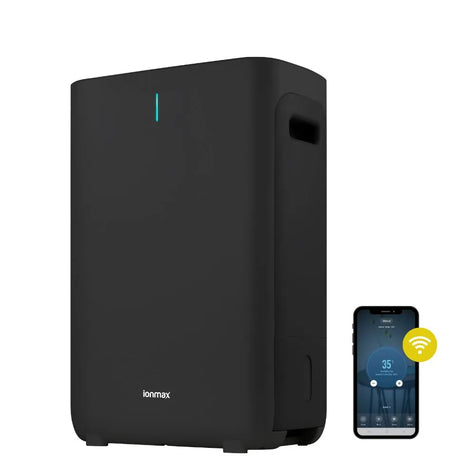
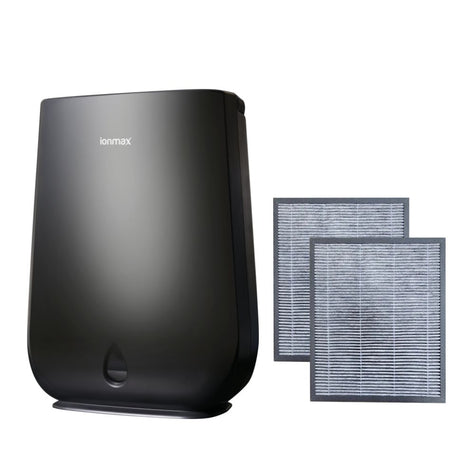
- For the Humid North (NSW/QLD): A Compressor Dehumidifier like the Ionmax Leone Pro is a workhorse. It pulls up to 25 litres of water out of the air, making the room feel crisp and comfortable.
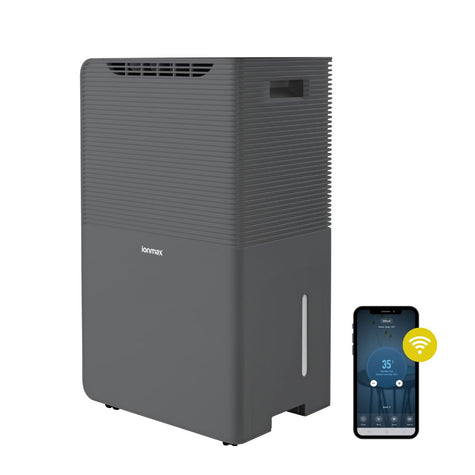
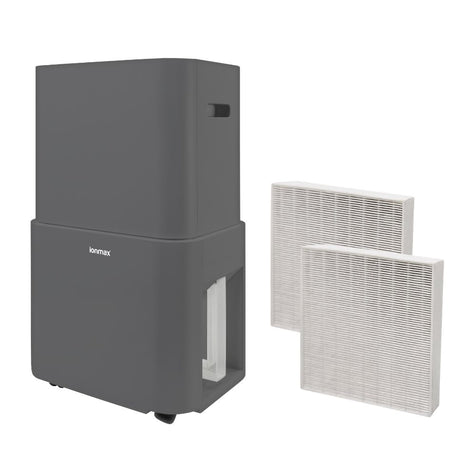
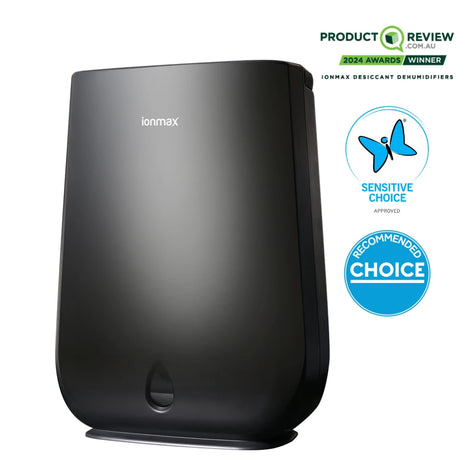
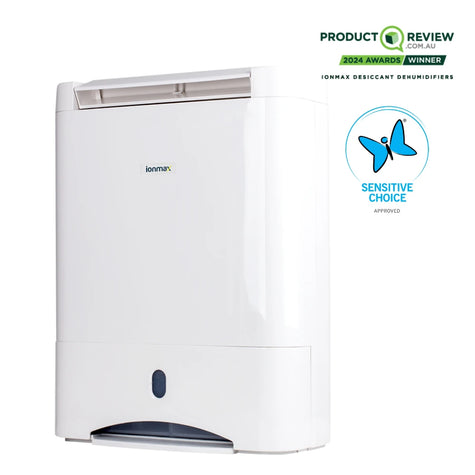
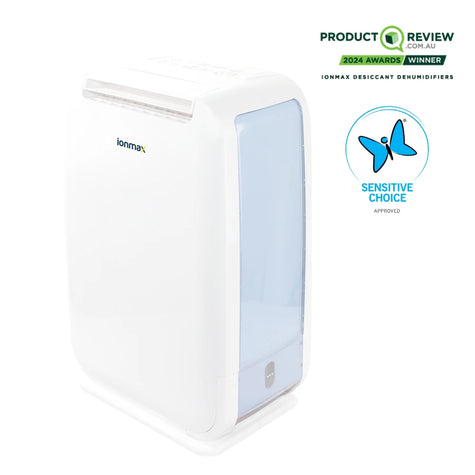
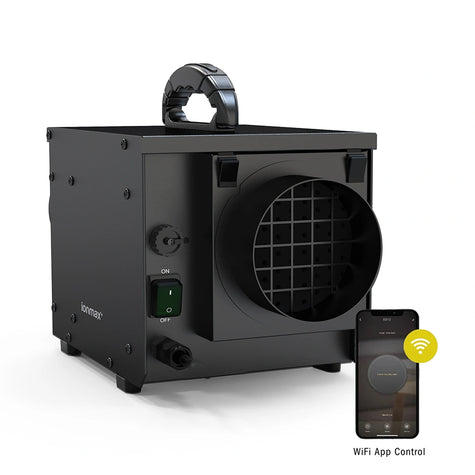
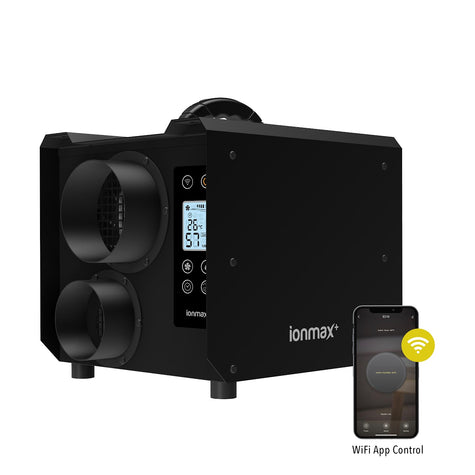
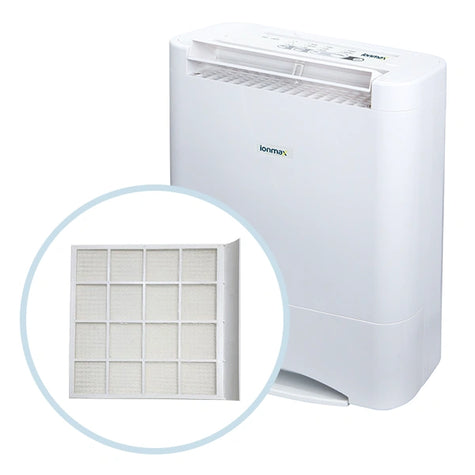
- For the Chilly South (VIC/TAS/SA): A Desiccant Dehumidifier is your best friend. Not only does it remove moisture, but it also exhausts air that is a few degrees warmer than the room, giving your heater a helping hand.

The Ionmax Advantage
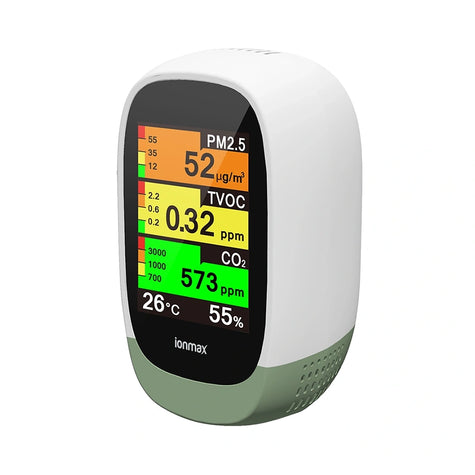
Our units feature built-in relative humidity indicators. You can set your desired humidity (we recommend 50%) and the machine will automatically switch off once the air is perfect. No more guessing, no more crying windows, and no more mouldy surprises in the back of your wardrobe.
Your home should be a place of comfort, not a damp cave. By managing your indoor air quality now, you’re protecting your health, your furniture, and your home's structure.
Ready to dry out the damp? Explore the Ionmax Dehumidifier Range and find the perfect match for your home size and climate.