As we get older, the way our bodies respond to our home environment starts to change. Things that once went unnoticed can slowly affect how we feel day to day. Fatigue lingers longer. Sleep becomes lighter. Breathing can feel more laboured, even indoors.
One factor that is often overlooked in conversations about healthy ageing is indoor air quality. Yet for older Australians who spend more time at home, the air they breathe every day plays a bigger role than many realise.
How ageing changes the way we respond to indoor air
As we age, lung capacity naturally declines and the immune system becomes less responsive. This makes it harder for the body to filter out fine particles and airborne irritants.
Older adults are also more likely to live with chronic conditions such as asthma, cardiovascular disease, or respiratory sensitivities. Poor indoor air quality can aggravate these conditions, even when pollutant levels seem low.
Air that once felt “normal” can start to feel heavy, dry, or irritating. This is not always about temperature. Often, it comes down to what is floating invisibly in the air.
Common indoor air issues in homes with older adults
Many Australian homes quietly accumulate airborne pollutants over time. Some of the most common include:
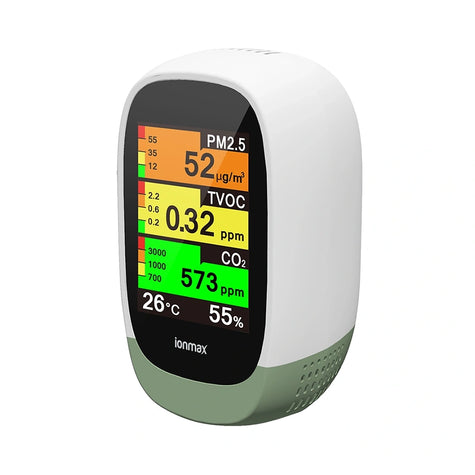
- Fine particles (PM2.5) from cooking, traffic pollution, and bushfire smoke
- Dust and allergens that settle into carpets, furniture, and soft furnishings
- Odours and stale air caused by limited ventilation
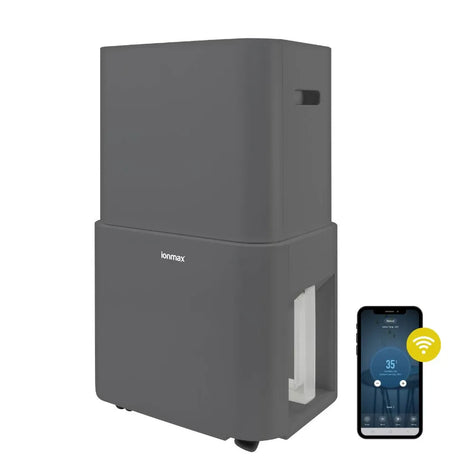
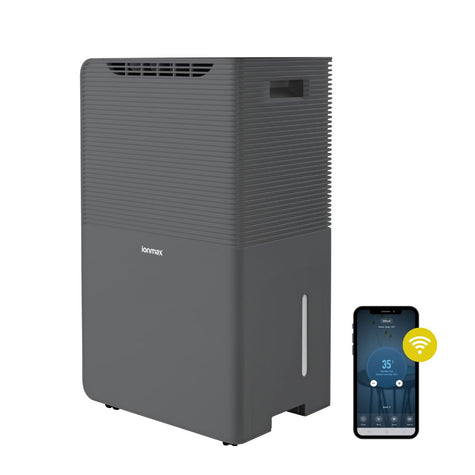
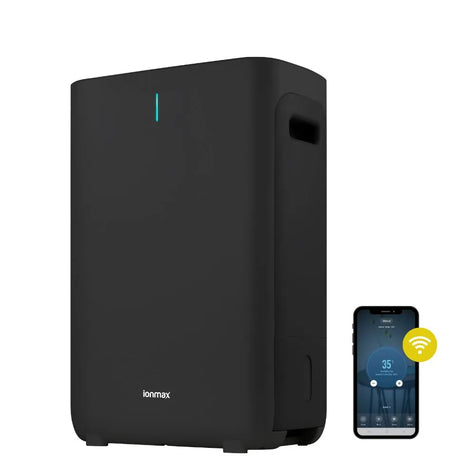
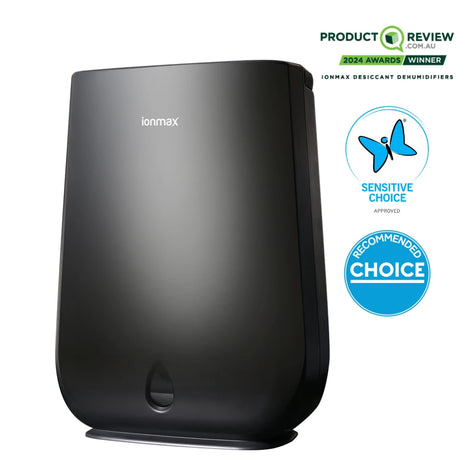
- Humidity imbalance that can worsen breathing comfort or encourage mould growth
Because these issues build gradually, they are easy to dismiss until symptoms appear.
LEARN MORE: Why 40-50% is the humidity sweet spot
How poor air quality can affect comfort and independence
Poor indoor air quality does not always present as a dramatic health issue. More often, it shows up subtly.
Headaches, sinus irritation, disrupted sleep, and ongoing fatigue can all be linked to airborne particles and irritants. Over time, this can affect confidence, mobility, and overall quality of life at home.
For many older Australians, staying comfortable and independent at home is a priority. Clean air supports that goal in a way that often goes unnoticed until it is improved.
Creating a healthier home environment as we age
Improving air quality does not mean turning the house upside down or installing complex systems. It starts with consistency.
- Keeping airborne particles low
- Reducing irritants that trigger respiratory discomfort
- Maintaining fresh air in spaces used most often, such as bedrooms and living areas
This is where air purifiers play a practical role. Instead of reacting to symptoms, they help maintain a healthier baseline every day.
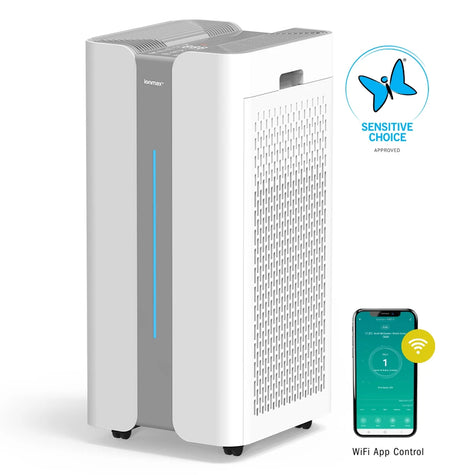
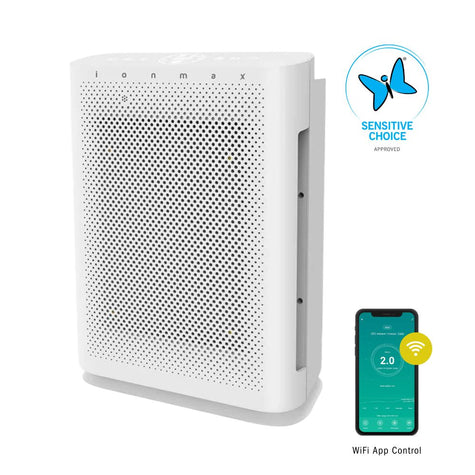
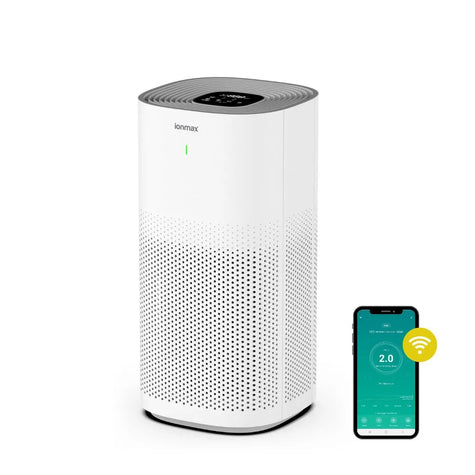
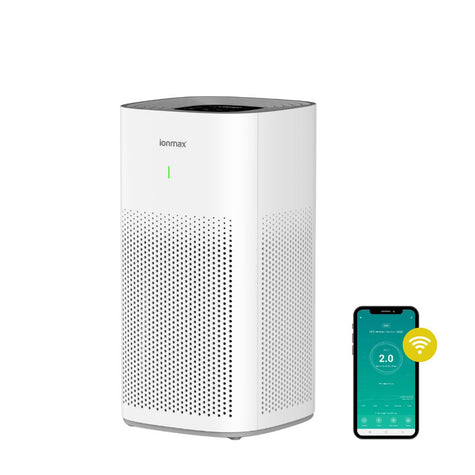
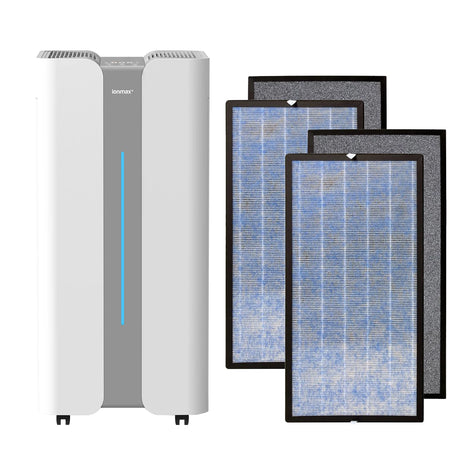
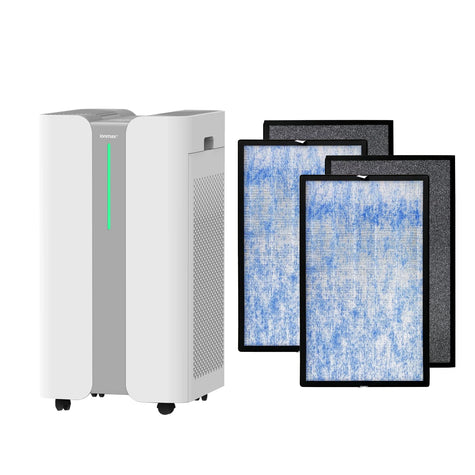
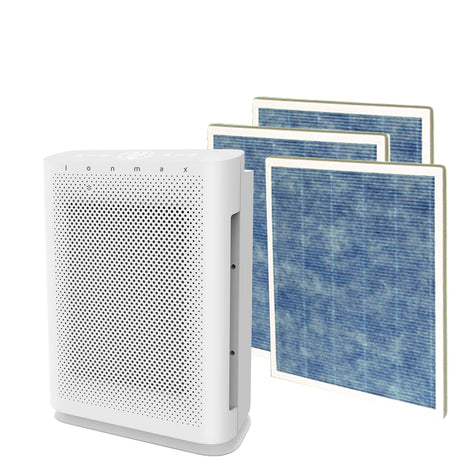
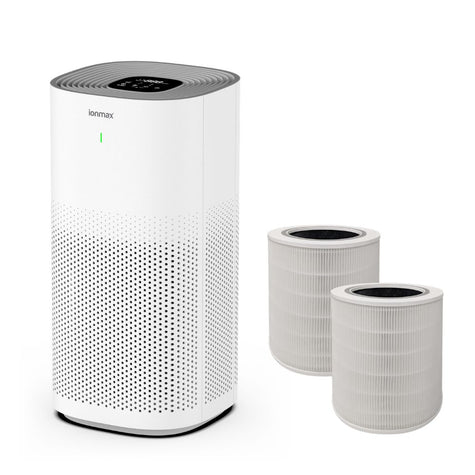
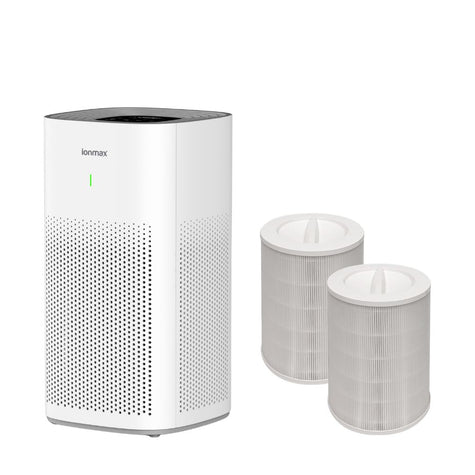
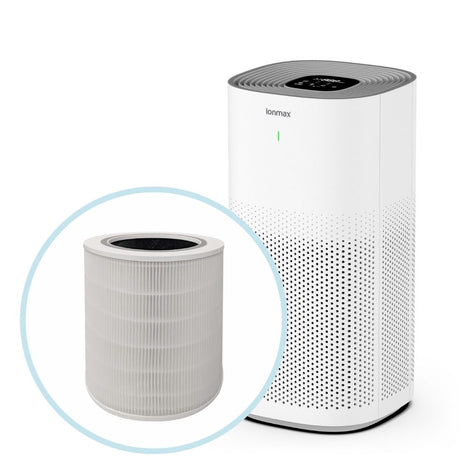
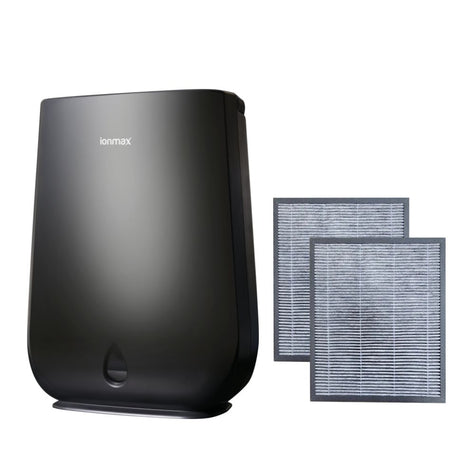
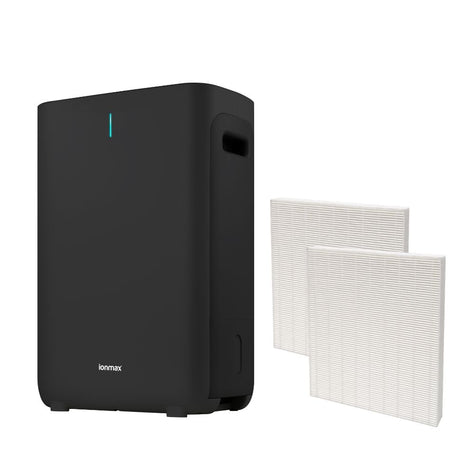
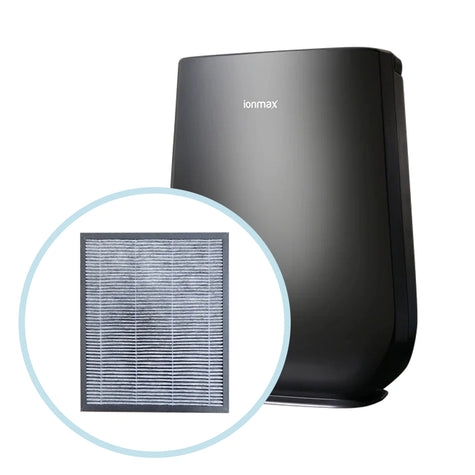
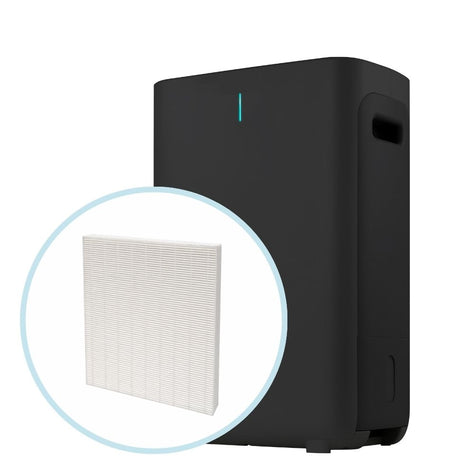
If you are exploring options, Ionmax’s range of air purifiers is designed to support cleaner air across different room sizes and living needs.
How air purifiers support ageing in place
Air purifiers help remove fine particles, dust, and allergens that can irritate airways and disrupt sleep. For older adults, this can mean:
- Easier breathing during rest and activity
- Improved sleep comfort
- Less lingering odour and stale air
- A more comfortable indoor environment year-round
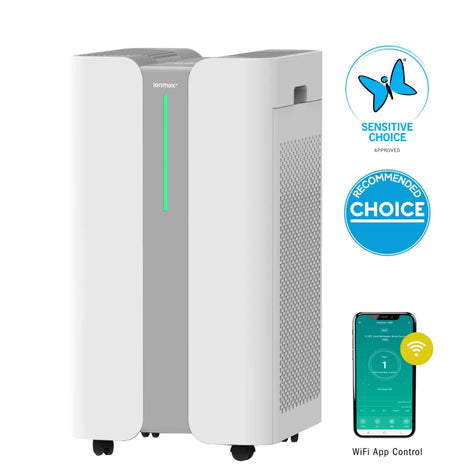
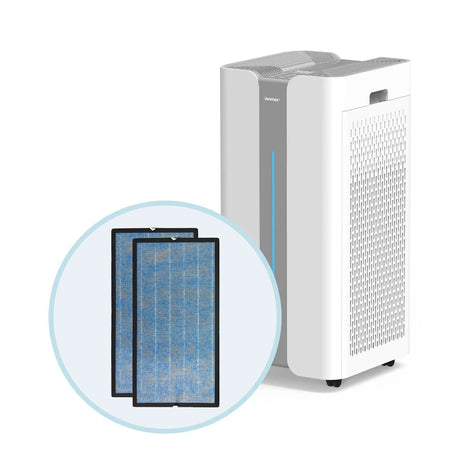
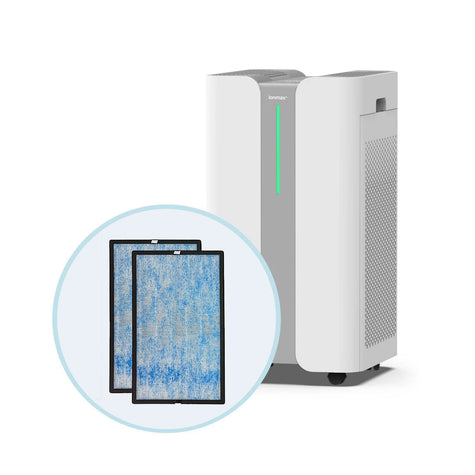
For larger living areas or whole-of-home coverage, models like the Ionmax+ AIRE are designed to continuously filter airborne particles across wider spaces, making them well suited to family homes and shared living areas.
Many people find that once air quality improves, their home simply feels better to be in.

Air purifiers for aged care and shared living environments
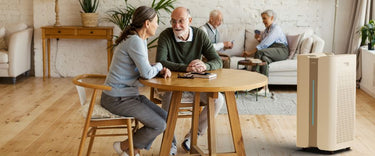
Air quality is just as important in aged care homes and shared living spaces. These environments often involve higher occupancy, shared air, and limited natural ventilation.
Air purifiers can support these spaces by helping reduce airborne particles in common areas, bedrooms, and visiting rooms. Cleaner air contributes to comfort for residents, staff, and visitors alike.
High-capacity air purifiers like the Ionmax+ AIRE are commonly chosen for these settings due to their wide coverage, consistent performance, and ability to operate quietly throughout the day.
Choosing the right air purifier for older Australians
When selecting an air purifier, simplicity matters. Look for:
- Appropriate coverage for the room size
- Quiet operation, especially for bedrooms
- Reliable filtration for fine particles
- Easy maintenance without complicated controls
Overloading on features is rarely necessary. What matters most is consistent performance and comfort.
You can explore Ionmax’s full air purifier collection to compare models suited to different room sizes and needs.
Clean air is part of healthy ageing at home
Healthy ageing is about more than mobility and nutrition. It is also about creating a home environment that supports comfort, rest, and wellbeing.
Indoor air quality may be invisible, but its impact is not. Small improvements can lead to better sleep, easier breathing, and a more comfortable daily routine.
For older Australians and those supporting them, clean air is not a luxury. It is part of living well at home.