

Every winter, millions of households fall victim to the traditional cycle of coughing, sneezing, and runny noses. While standard wisdom blames the outdoor cold or wet weather for transmitting the common cold, epidemiological and microbiological research points to a different culprit entirely: the indoor microclimate.
When temperatures drop, we seal our doors and windows, inadvertently turning our living spaces into closed loops where airborne viruses can thrive. However, scientific evidence reveals that controlling your home's indoor humidity is one of the most powerful, overlooked methods for lowering infection rates.
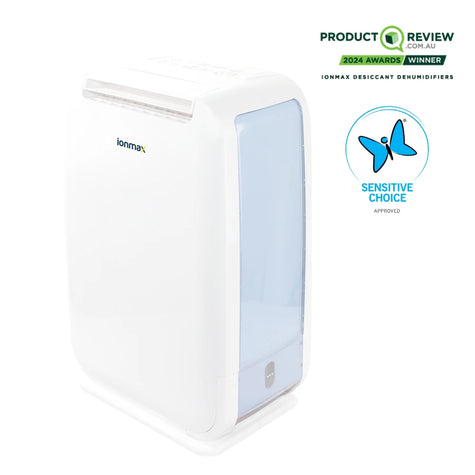
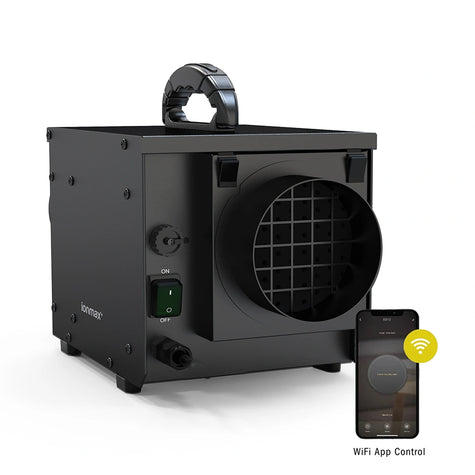
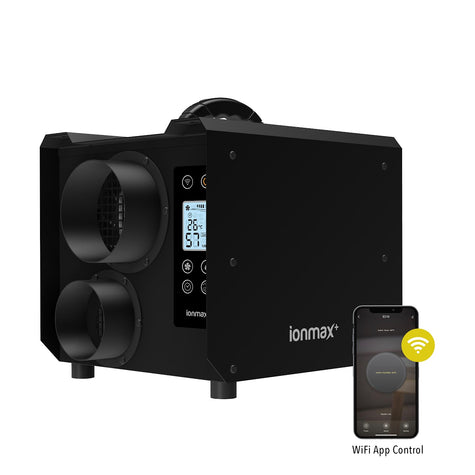
By understanding how moisture interacts with human physiology and pathogen survival, you can build an impenetrable winter wellness shield using advanced home environmental systems like the Ionmax Vienne desiccant dehumidifier and the Ionmax Venta.
1. Inhibiting Airborne Virus Survival (The 40%–60% "Sweet Spot")
It is a common misconception that common respiratory viruses—such as rhinoviruses, coronaviruses, and the influenza virus—become inactive in warm indoor spaces. In reality, their survival rate is heavily dependent on ambient Relative Humidity (RH).
When indoor humidity exceeds 60%, the air is densely saturated with water vapor. When an infected individual sneezes or coughs, the microscopic respiratory droplets they release absorb this surrounding moisture instead of evaporating.
-
The Scientific Consensus: According to a landmark study by the National Institute for Occupational Safety and Health (NIOSH), high-humidity environments keep viral droplets structurally intact and heavier, allowing them to remain viable and circulate at face height within stagnant air currents [2].
-
The Solution: Maintaining a strict indoor humidity baseline between 40% and 60% significantly accelerates the degradation of viral lipid envelopes, rendering up to 85% of airborne viral particles completely inactive within minutes of exposure [2].
2. Protecting the "Mucociliary Escalator" (Your Body's Natural Filter)
Your respiratory system possesses a highly sophisticated, continuous self-cleaning defense mechanism known as the mucociliary escalator. The cells lining your airways are covered in microscopic, hair-like structures called cilia, which sit beneath a thin, precisely hydrated layer of protective mucus [1.5].
When you breathe, these cilia beat rhythmically at a frequency of 10 to 15 Hz, moving the mucus layer upward toward the throat to trap and eliminate inhaled dust, bacteria, and cold viruses before they can attach to lung tissue [1.5].
[Image demonstrating how balanced humidity keeps the airway mucus layer hydrated, allowing healthy ciliary movement to expel airborne cold viruses]
-
The Danger of Unregulated Air: Running intense indoor heating without monitoring your climate can trigger rapid environmental fluctuations. When the air becomes hyper-dry (under 40% RH), it rapidly evaporates the moisture from your airway surface liquid.
-
The Immune Collapse: This thickens your natural mucus and slows or paralyzes the movement of the cilia [1.3]. Without this functioning escalator, cold viruses bypass your primary defense filters entirely, anchoring directly into deep respiratory tissue and leading to sudden infection [1.3]. Keeping humidity balanced preserves this fluid barrier.
3. Preventing Secondary Infections by Eliminating Mold
When warm, unventilated indoor air collides with freezing winter windows and cold external walls, it hits a thermal bridge and transforms into liquid condensation. If left unmanaged, this persistent moisture triggers rapid mold germination within 24 to 48 hours.
Inhaling microscopic mold spores and their toxic volatile organic byproducts places an enormous load on your immune system. Chronic exposure to mold causes ongoing, low-grade inflammation throughout your upper respiratory tract, resulting in sinus congestion and tissue irritation.
When your immune defenses are constantly depleted by fighting off fungal allergens, your body is left wide open and vulnerable, allowing a standard cold virus to easily take hold and escalate into secondary bacterial infections like sinusitis or bronchitis.
The Winter Solution: High-Performance Support from Ionmax
Protecting your household from winter illnesses requires managing both structural moisture and airborne particles simultaneously. Ionmax delivers an integrated, clinical-grade solution tailored specifically for harsh winter conditions.
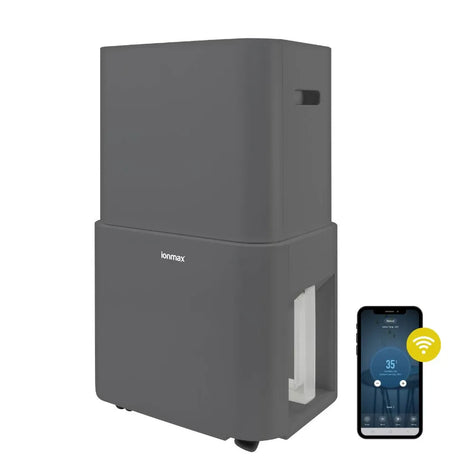
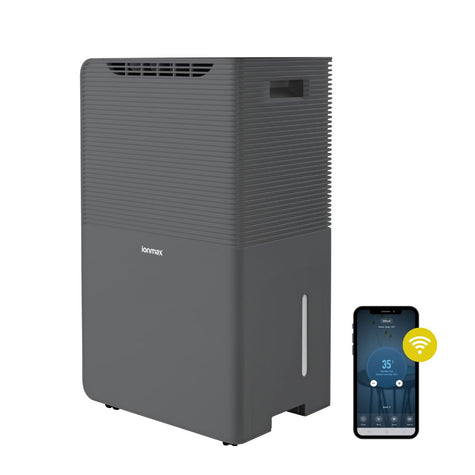
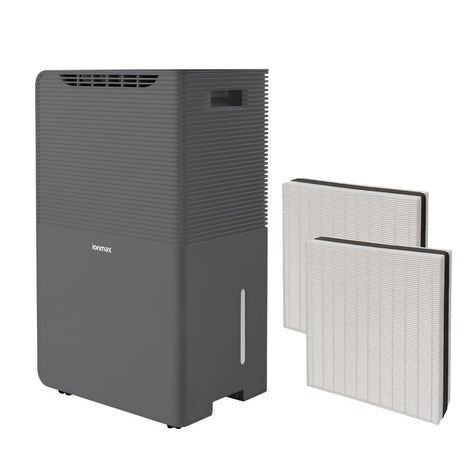
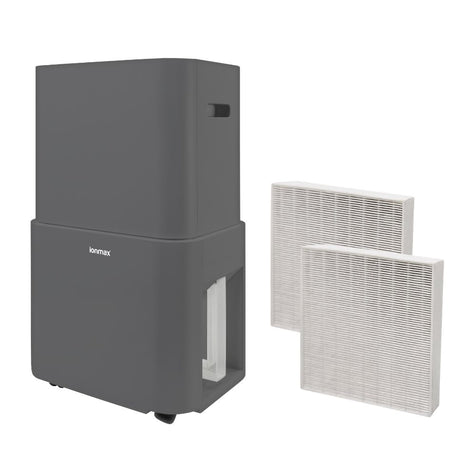
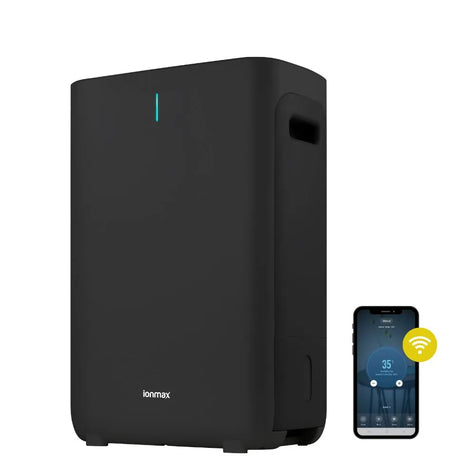
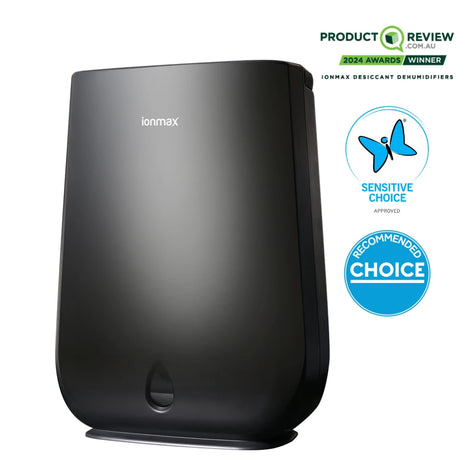
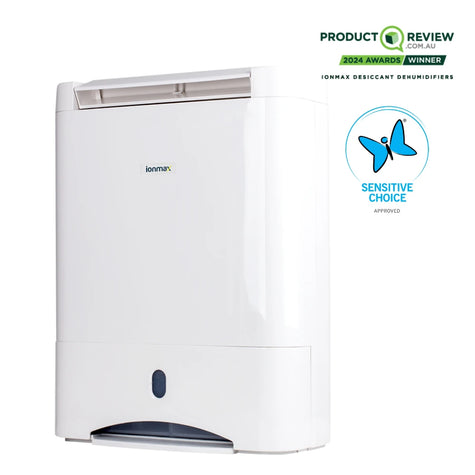
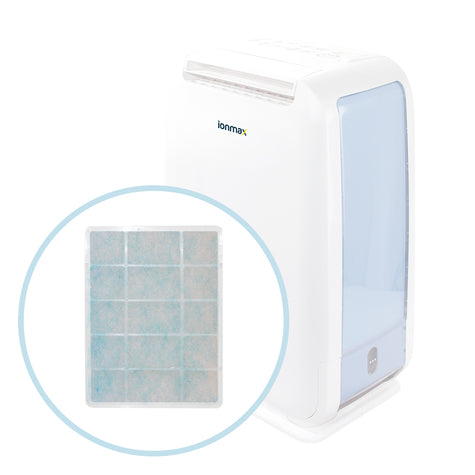
The Structural Shield: The Ionmax Vienne Desiccant Dehumidifier
Standard compressor dehumidifiers rely on internal cooling coils to extract water, meaning they lose efficiency, freeze over, and stop working when room temperatures drop below 15°C [2.2].
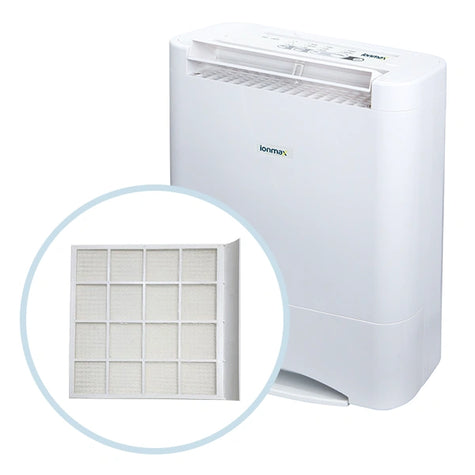
The Ionmax Vienne utilizes premium desiccant rotor technology, allowing it to extract up to 7 litres of pure moisture per day flawlessly in temperatures as low as 1°C [2.2, 2.3].
Equipped with an intelligent built-in humidistat, the Vienne continuously reads your room's air profile, automatically cycling on and off to maintain an optimal 40%–60% RH. It permanently eliminates winter window condensation, stops mold growth before it can weaken your immune system, and slightly warms the ambient air as a natural byproduct of the desiccant cycle [2.2].
👉 Defend your home against winter dampness—Shop the Ionmax Vienne Desiccant Dehumidifier.
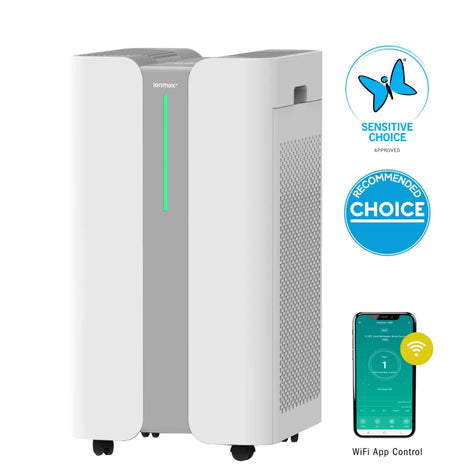
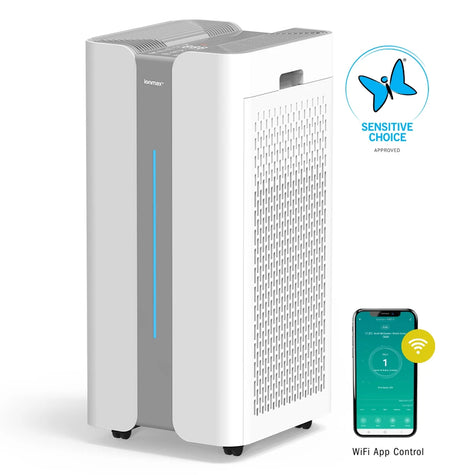
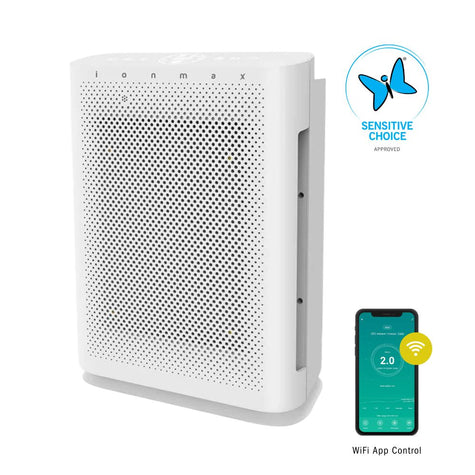
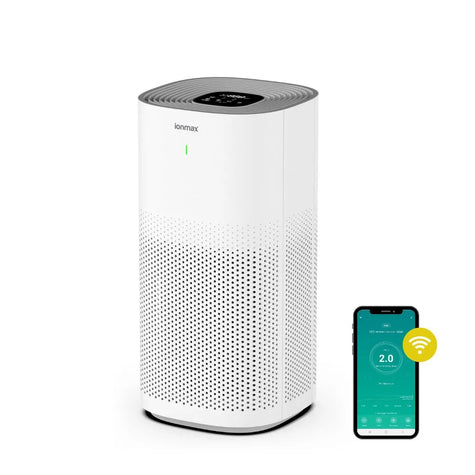
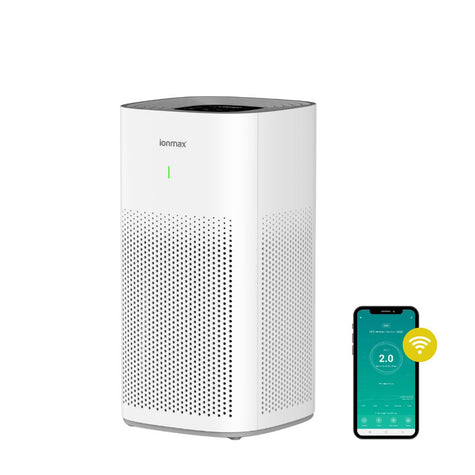
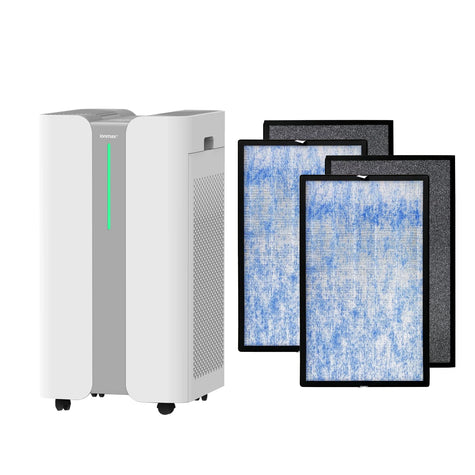
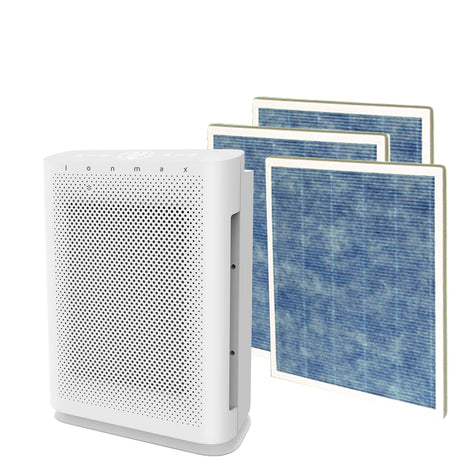
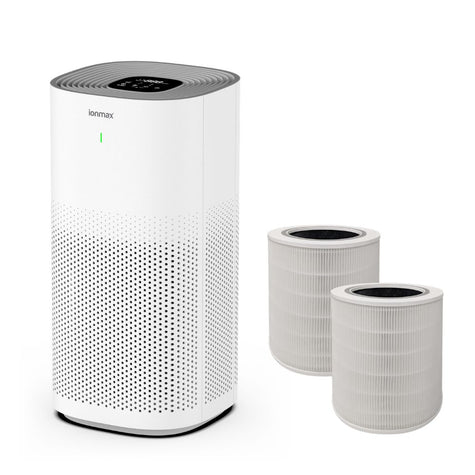
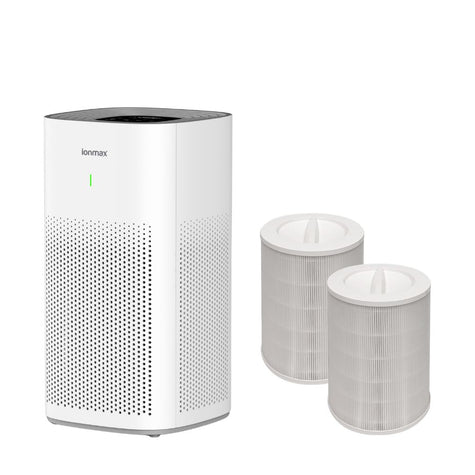
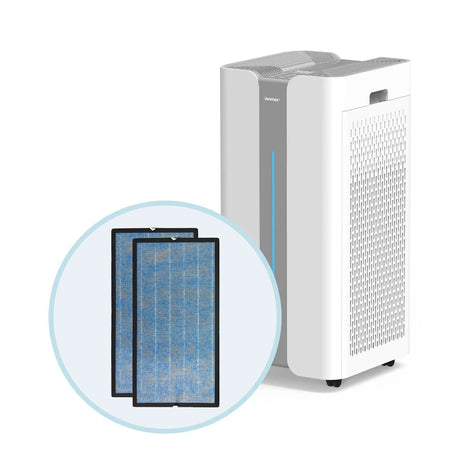
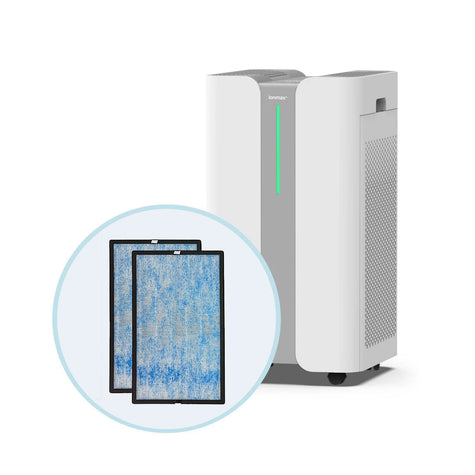
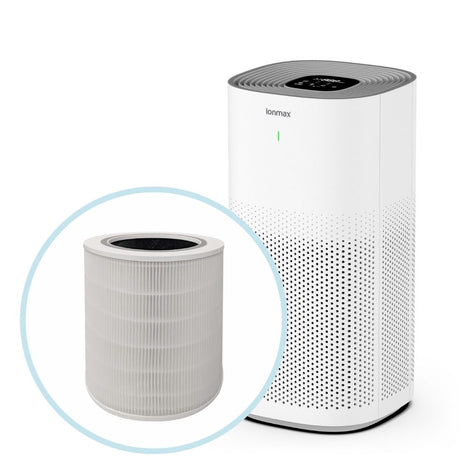
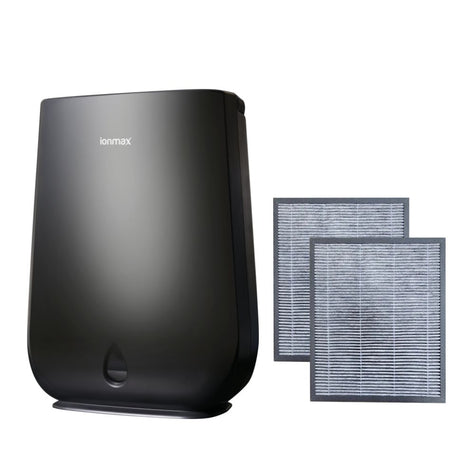
The Pathogen Shield: The Ionmax Venta
While the Vienne manages the structural environment to prevent biological hazards from growing, the Ionmax Venta provides direct defense against active viruses.
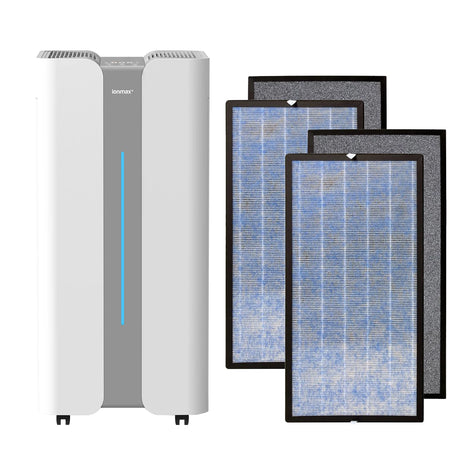
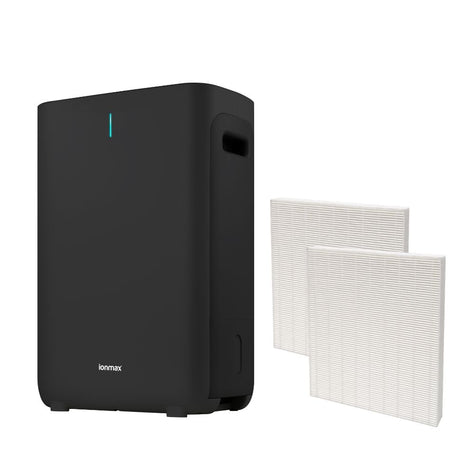
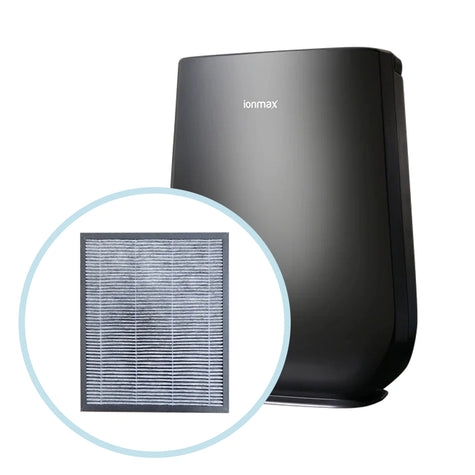
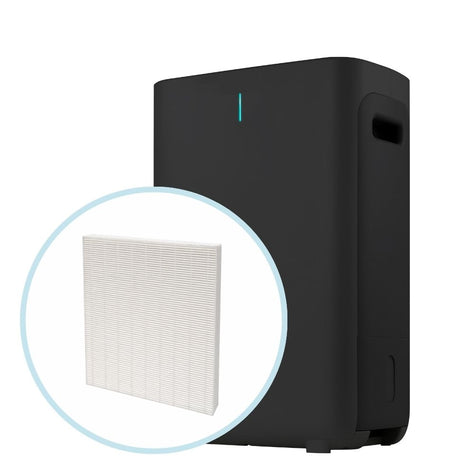
If a cold virus enters your home, the Venta’s medical-grade True HEPA filtration system steps in, capturing 99.97% of airborne micro-particulates, bacteria, and viral droplet nuclei down to 0.3 microns.
Coupled with a deep Activated Carbon layer to neutralize trapped odors and gas vapors, the Venta sweeps your air currents clean, trapping active pathogens before they can be inhaled by other family members.
Conclusion: A Total Strategy for Seasonal Health
Catching a winter cold isn't an inevitability of the season; it is often a reflection of trapped indoor air quality. By integrating the winter-resilient moisture control of the Ionmax Vienne with the virus-trapping precision of the Ionmax Venta, you can break the cycle of seasonal illness, protect your respiratory system, and enjoy a warm, dry, and healthy home all winter long.
Sourced & Authoritative References
- National Center for Biotechnology Information (NCBI). First Contact: The Role of Respiratory Cilia in Host-Pathogen Interactions. — Comprehensive review demonstrating how the mucociliary escalator acts as the primary innate defense mechanism against inhaled pathogens [1.5].
- National Institute for Occupational Safety and Health (NIOSH). High Humidity Leads to Rapid Loss of Infectious Influenza Virus from Simulated Coughs. — Clinical testing proving that maintaining indoor relative humidity above 40% reduces airborne viral infectivity by more than 80% [1.3].
- World Health Organization (WHO). Guidelines for Indoor Air Quality: Dampness and Mould. — Establishes the direct epidemiological links between indoor dampness, mold exposure, and the elevated incidence of respiratory infections and immune suppression.
- PLOS ONE. Effect of Climate and Relative Humidity on the Incidence of Respiratory Syncytial Virus. — Evaluates how absolute and relative indoor humidity variables dictate the seasonal transmission patterns of common winter respiratory bugs [1.4].