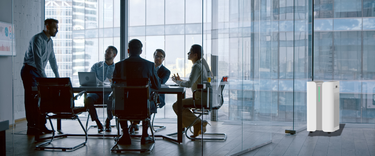
In industries like construction, disaster recovery, or short-term laboratory setups, "temporary" does not mean low risk. In fact, temporary workplaces often present unique air quality challenges. Unlike permanent offices with sophisticated HVAC systems, site sheds, portable cabins, and pop-up workshops often suffer from poor ventilation while being situated in high-pollution zones.
Two of the most significant threats to worker health in these environments are Dust (Particulate Matter) and Volatile Organic Compounds (VOCs).
1. The Hidden Threats: Dust and VOCs
Construction and Site Dust
Temporary sites are often hubs for dust generation. Whether it's silica dust from cutting stone, wood dust from carpentry, or general gypsum and cement dust, these particles are more than just a nuisance.
- The Risk: Fine particles (PM2.5) can bypass the nose and throat, lodging deep in the lungs. According to Safe Work Australia, prolonged exposure to hazardous dust can lead to silicosis, chronic obstructive pulmonary disease (COPD), and occupational asthma.
Volatile Organic Compounds (VOCs)
VOCs are organic chemicals that "off-gas" or evaporate into the air at room temperature. In temporary setups, these are frequently found in:
- New adhesives and sealants used in portable cabin assembly.
- Paints, solvents, and fuels stored nearby.
- Emissions from diesel generators or heavy machinery operating outside the door.
- The Risk: Short-term exposure causes headaches, dizziness, and "Sick Building Syndrome," while long-term exposure is linked to liver damage and respiratory illness.
2. Managing the Risk: The Hierarchy of Control
To protect workers in temporary environments, safety managers should follow the Hierarchy of Control as outlined by WorkSafe Victoria:
- Elimination/Substitution: Whenever possible, use low-VOC materials (e.g., water-based paints) and pre-cut materials off-site to reduce dust.
- Engineering Controls: If the source cannot be removed, it must be contained. Use local exhaust ventilation at the source and ensure the indoor area has a high Air Change per Hour (ACH) rate.
- Administrative Controls: Limit the time workers spend in high-exposure areas and implement a strict clean site policy to prevent dust from being kicked back into the air.
- PPE: As a last resort, provide P2 or N95 respirators to staff.
3. How Ionmax Can Assist

In temporary workplaces where built-in ventilation is insufficient, portable air purification is the most effective engineering control to maintain safe Workplace Exposure Limits (WEL).
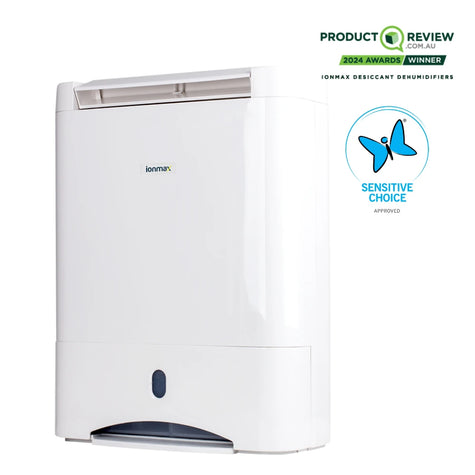
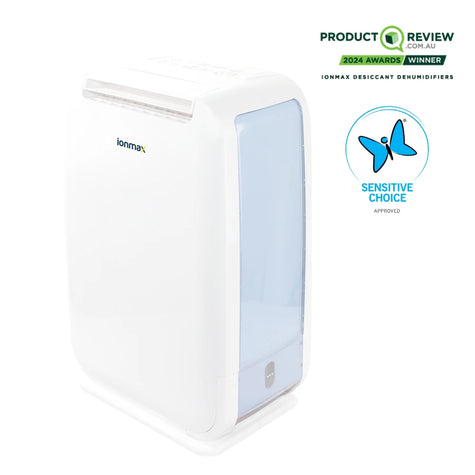
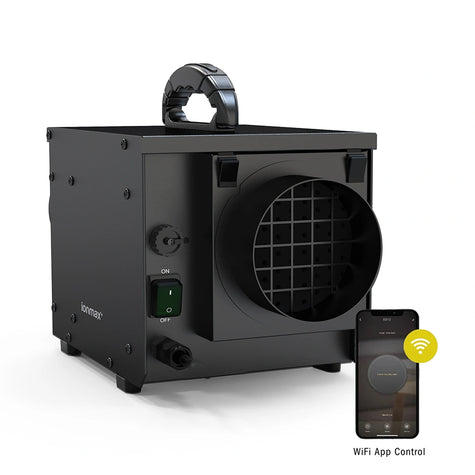
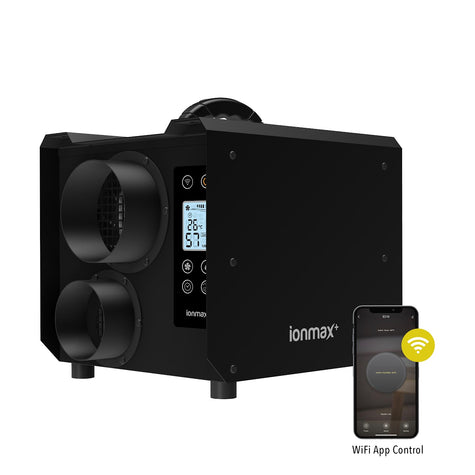
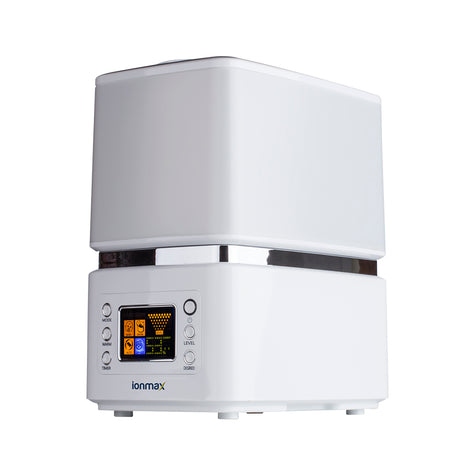
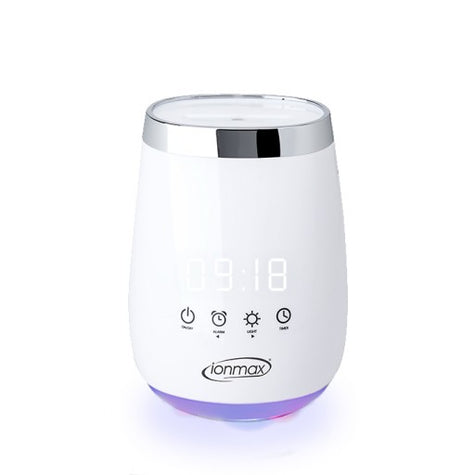
Ionmax offers industrial-strength solutions designed for high-impact environments:
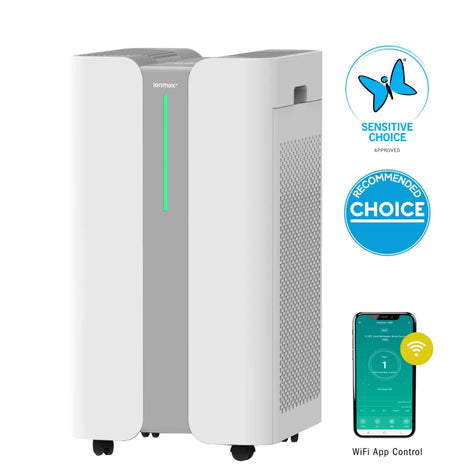
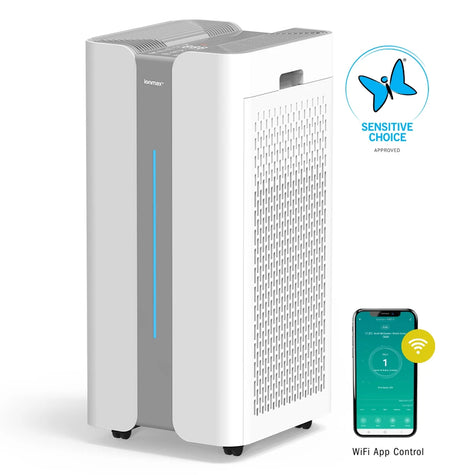
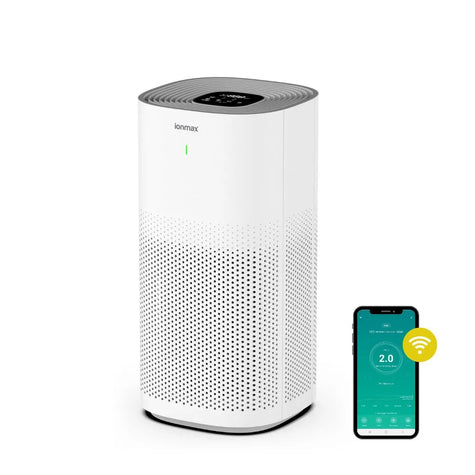
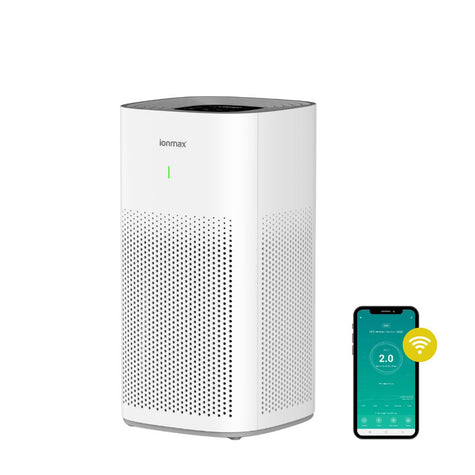
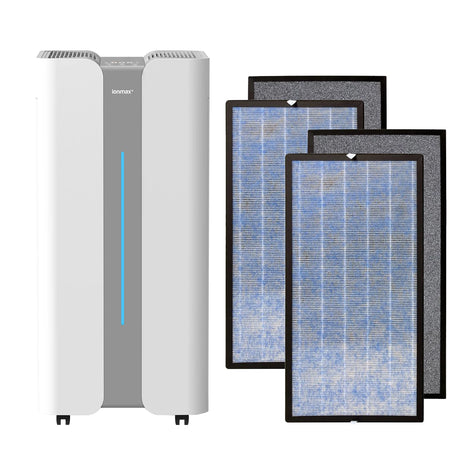
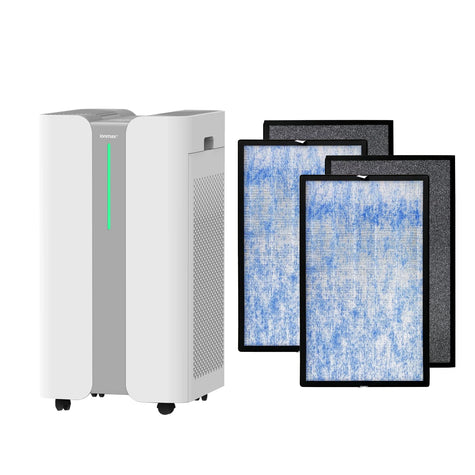
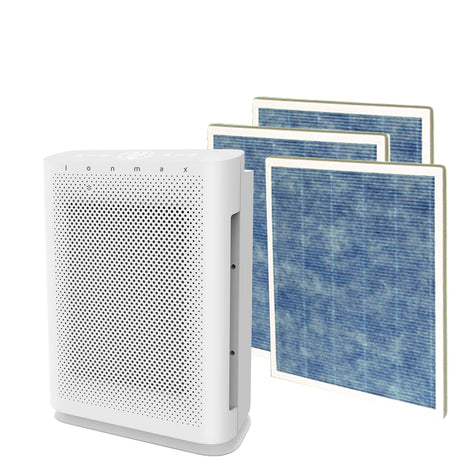
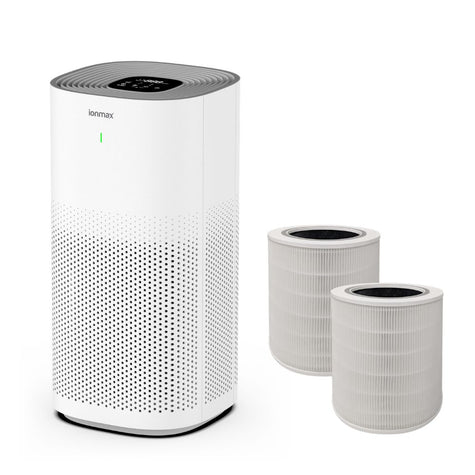
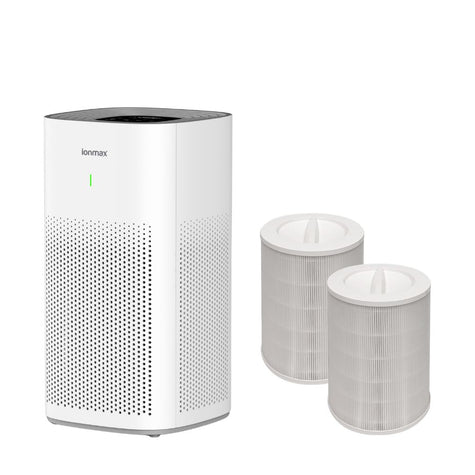
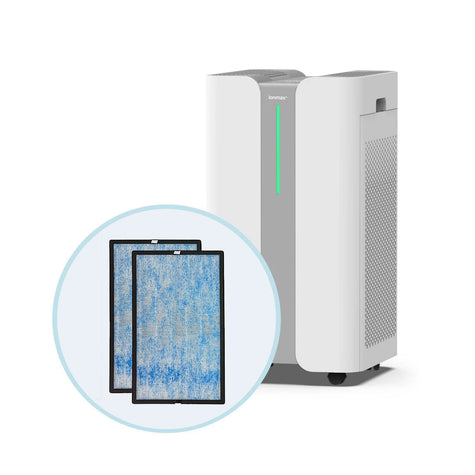
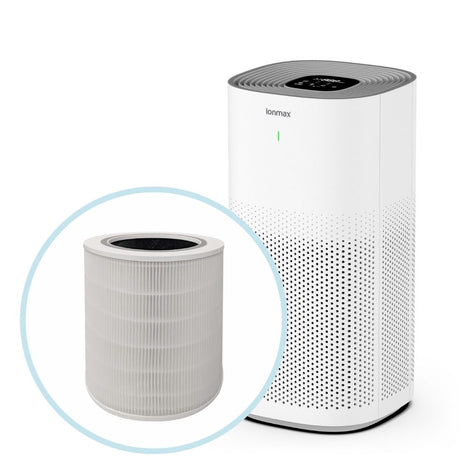
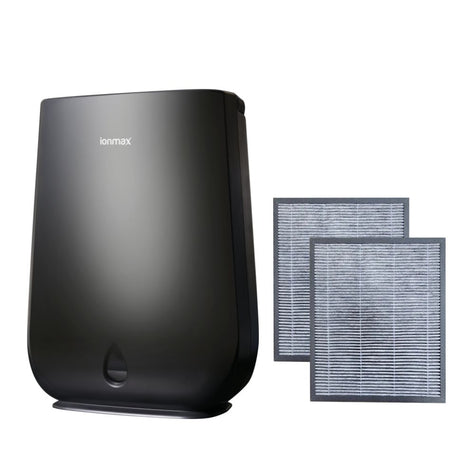
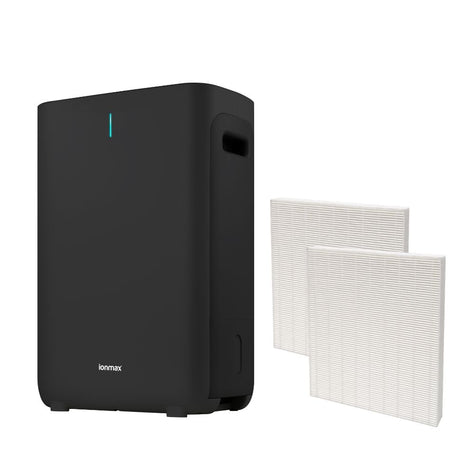
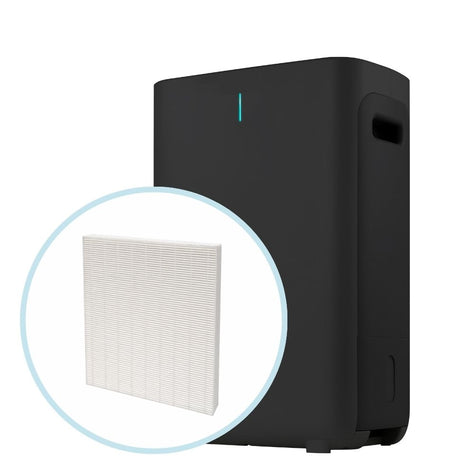
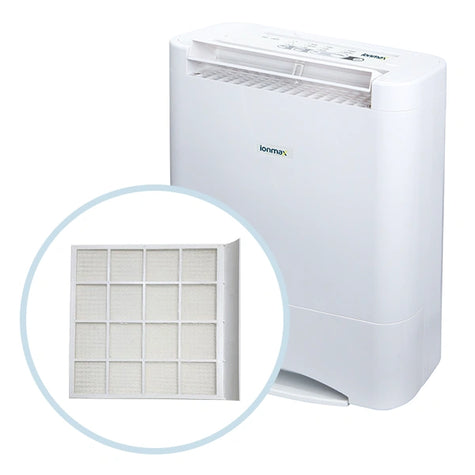
- HEPA H13 Filtration: Ionmax air purifiers, such as the Ionmax+ Aire X, use medical-grade H13 HEPA filters that capture 99.97% of microscopic particles down to 0.3 microns, including fine construction dust.
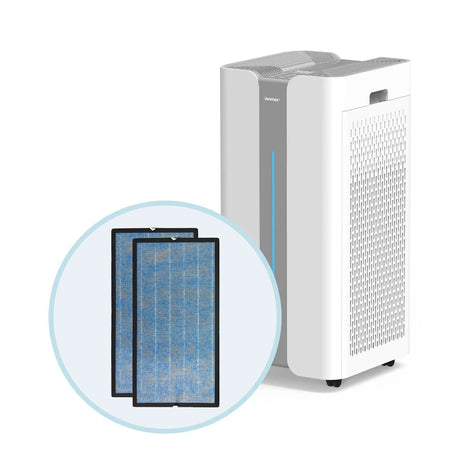
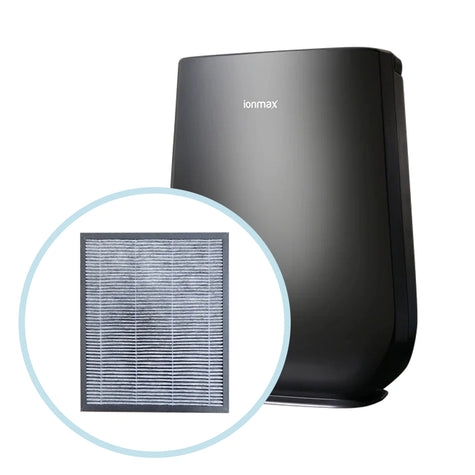
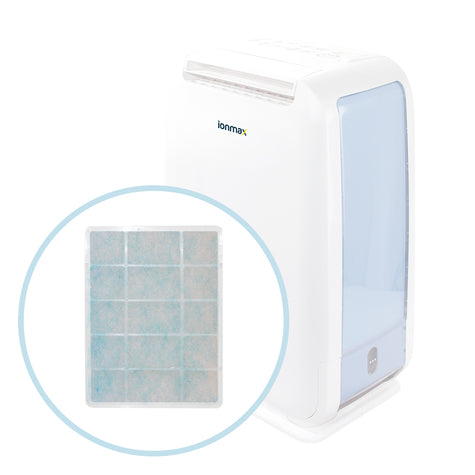
- Activated Carbon & TiO2 Filters: To tackle VOCs, Ionmax units feature thick activated carbon layers that adsorb chemical vapours and smells, while TiO2 filters break down organic compounds through oxidation.
- UVX-Shield: In crowded temporary offices, the built-in UV-C light inactivates airborne bacteria and viruses, reducing the risk of site-wide illness.
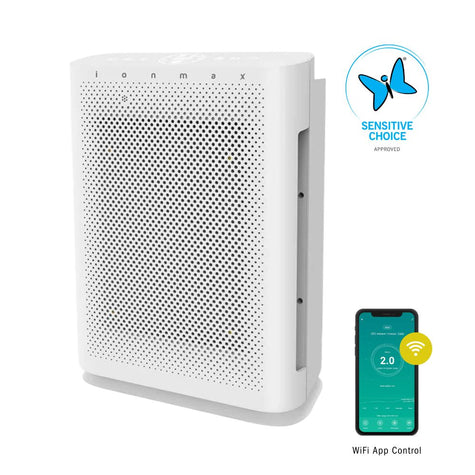
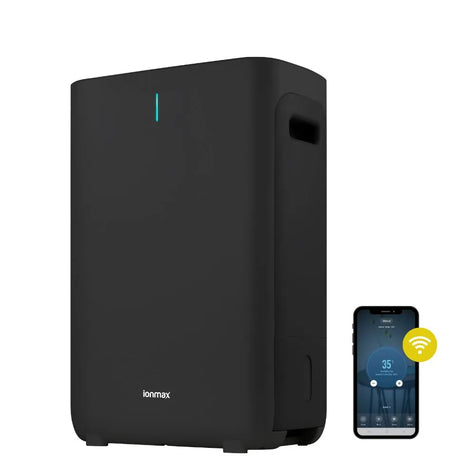
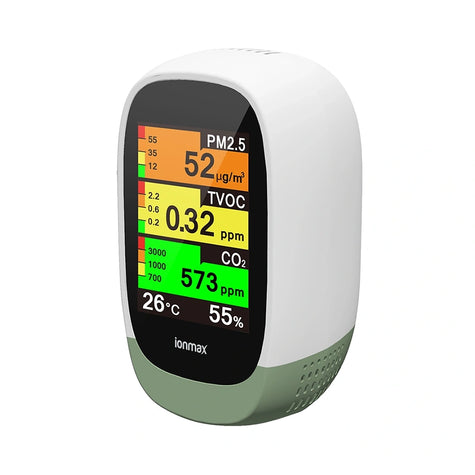
- Real-time Monitoring: Many Ionmax models include PM2.5 sensors and air quality indicators, allowing site managers to see exactly when air quality is dipping and adjust fan speeds accordingly.
Sourcing & References
- Safe Work Australia: Workplace Exposure Standards for Airborne Contaminants (2024) and the upcoming Workplace Exposure Limits (WEL) list (effective Dec 2026). safeworkaustralia.gov.au
- SafeWork NSW: NSW Dust Strategy – Managing hazardous dust in construction. safework.nsw.gov.au
- WorkSafe Victoria: Exposure standards and atmospheric monitoring guidelines. worksafe.vic.gov.au
- Phase Associates: The Hidden Health Risks of Construction Dust (2026). phaseassociate.com
- Ionmax+ Technology: High-Performance Air Purification for Large Spaces. andatechdistribution.com.au