01 - Identify

Monitor your indoor air
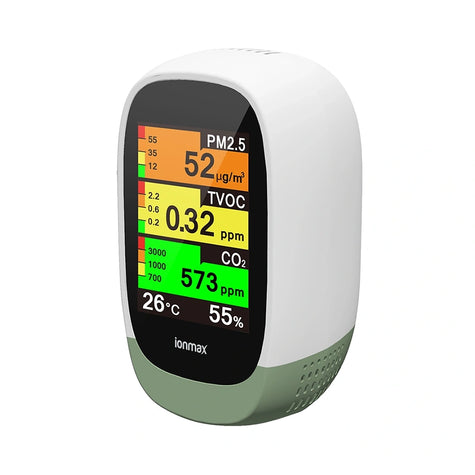
See what is happening with PM2.5, VOCs, temperature and humidity before deciding what to change.
Explore air quality monitor
Asthma Week 2026
This Asthma Week, take a closer look at the air inside your home—and the everyday changes that can make it feel healthier and more comfortable.
Education, not diagnosis. For asthma advice, speak with your healthcare professional.
Dust · humidity · pet allergens
Moisture · condensation · mould
Cooking particles · VOCs · humidity
Dust · pollen · pet allergens
Pollen · smoke · traffic · PM2.5
The Healthy Home Check
Answer five quick questions for a practical place to begin. This is an educational guide—not a health assessment.
Your answers stay in this browser and are not stored or submitted.

One question at a time
We’ll suggest whether to begin with monitoring, airborne particles or excess moisture.
Your healthy-home toolkit
You may need one path or a combination. Start with the issue you can observe, then make a considered choice.
01 - Identify
See what is happening with PM2.5, VOCs, temperature and humidity before deciding what to change.
Explore air quality monitor02 - Reduce

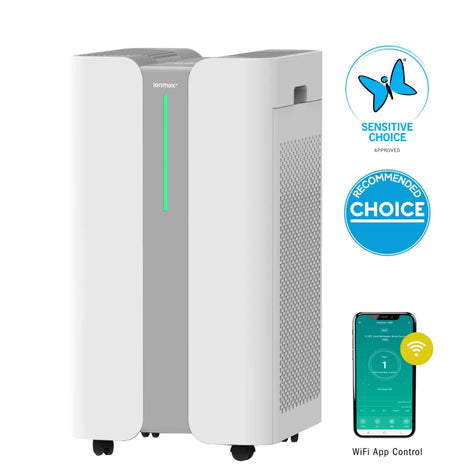
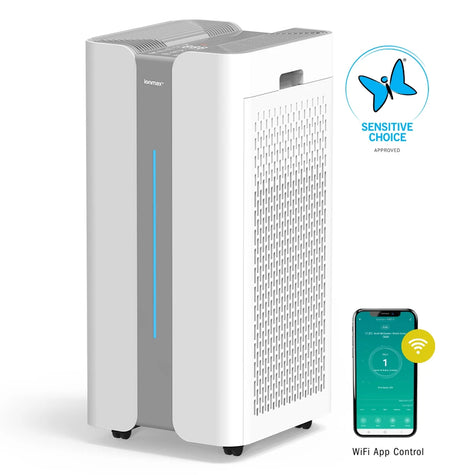
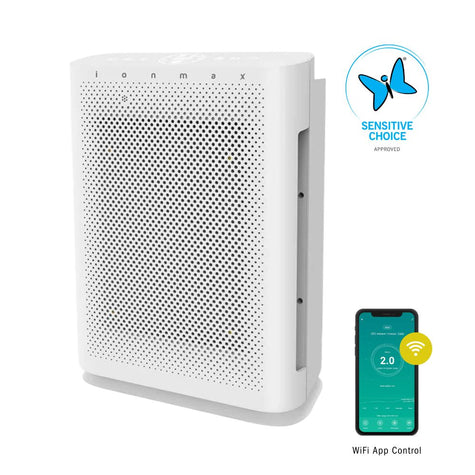
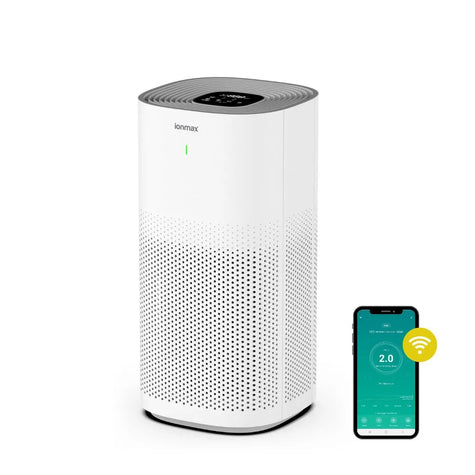
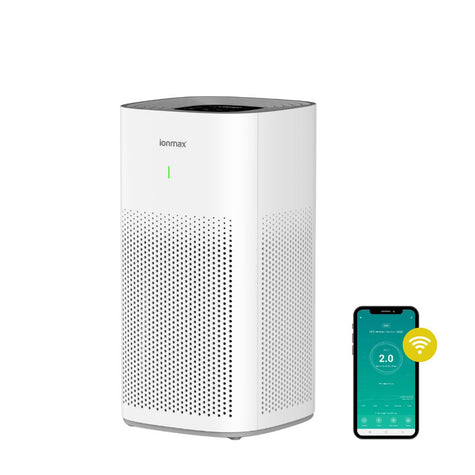
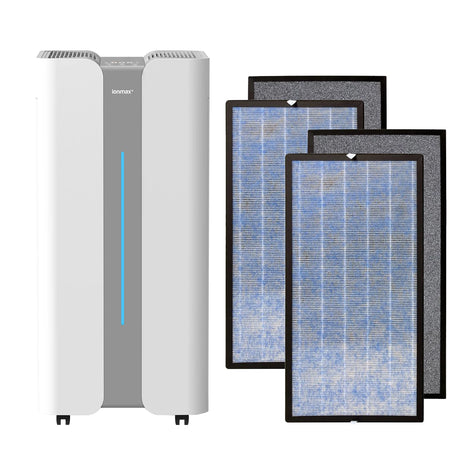
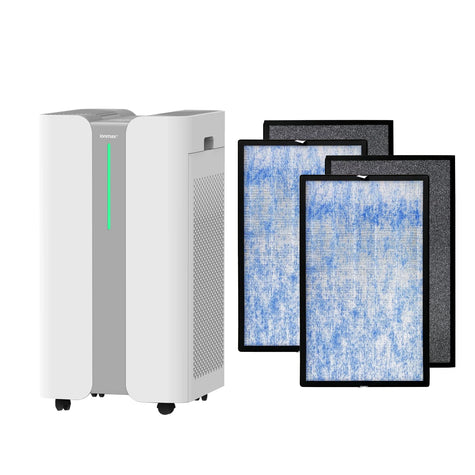
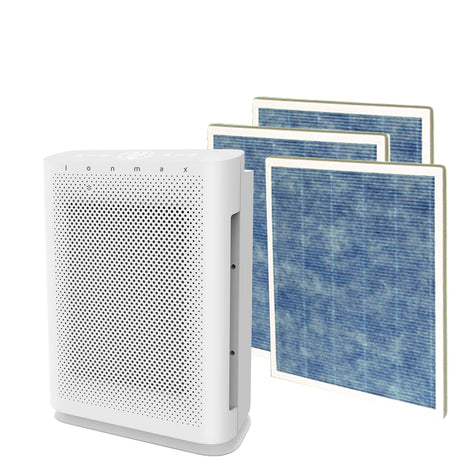
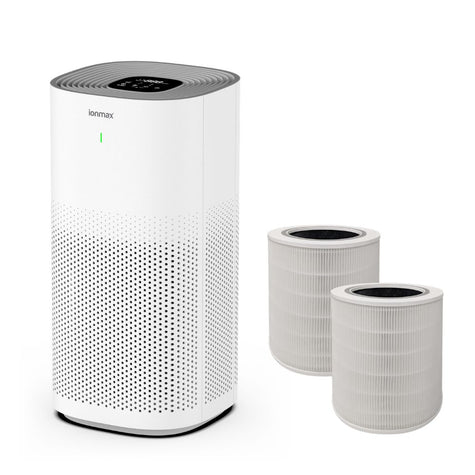
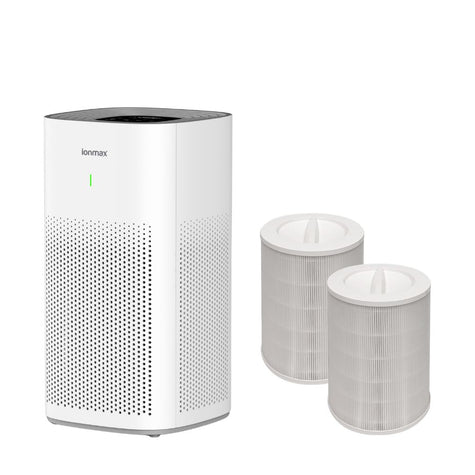
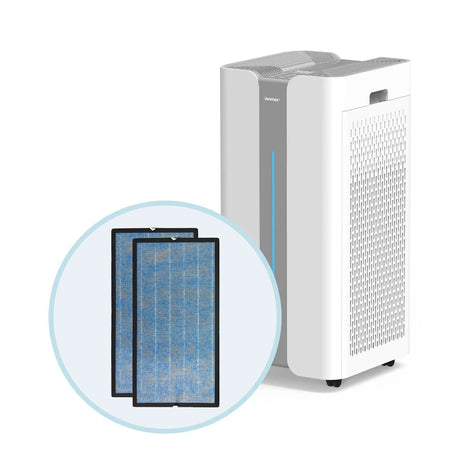
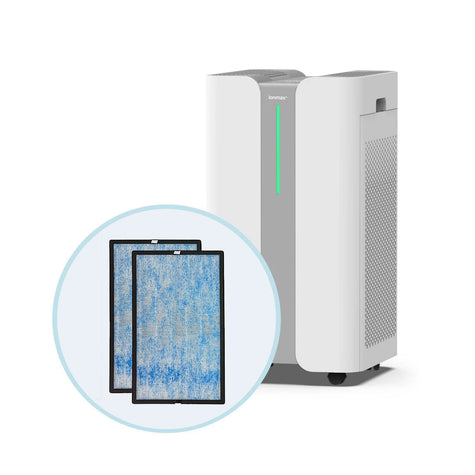
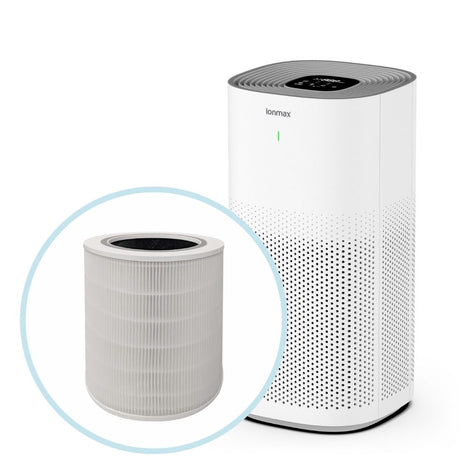
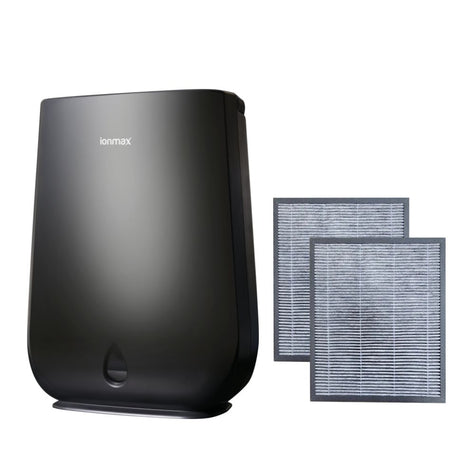
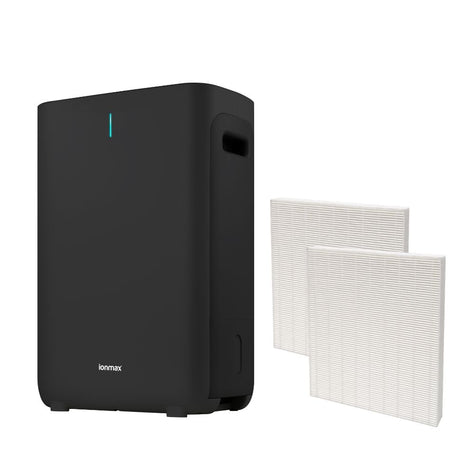
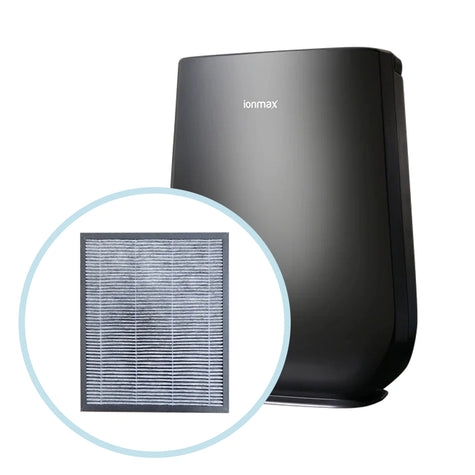
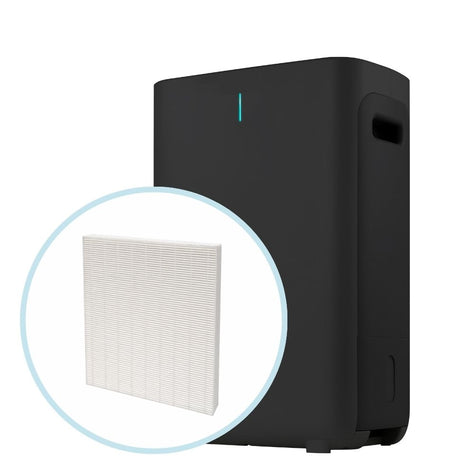
Filtration can help reduce airborne particles such as dust, pollen and other pollutants in indoor air.
Explore air purifiers03 - Control

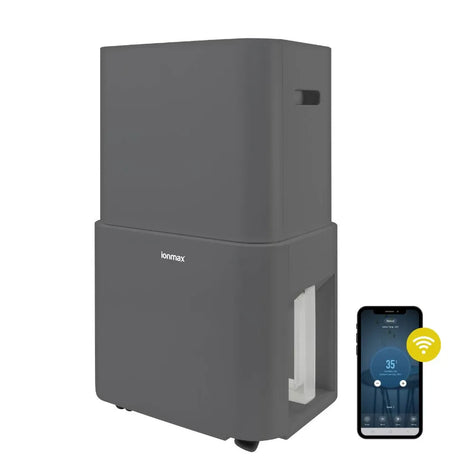
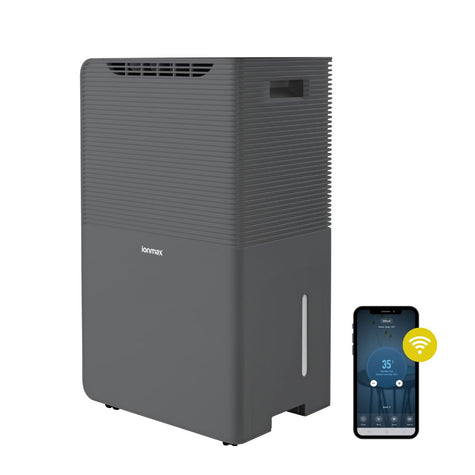
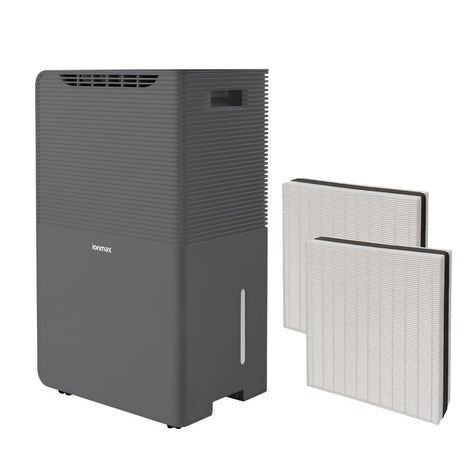
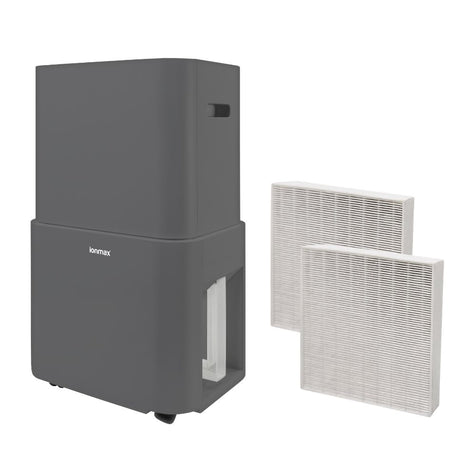
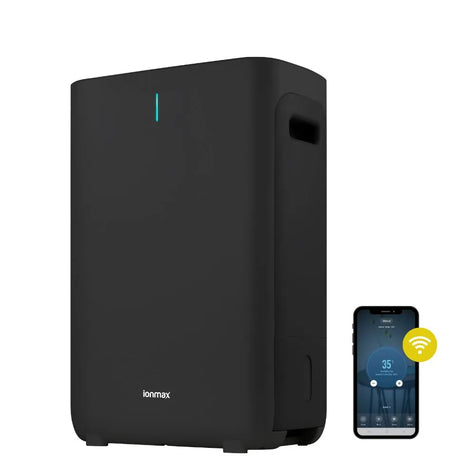
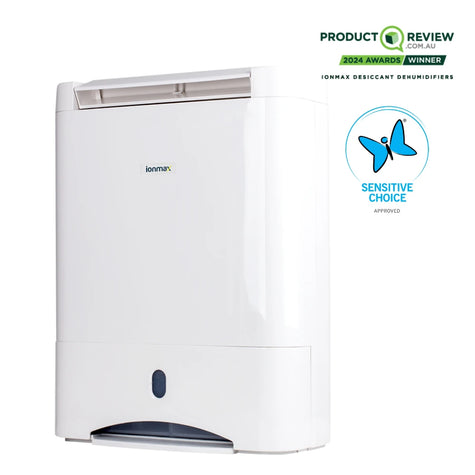
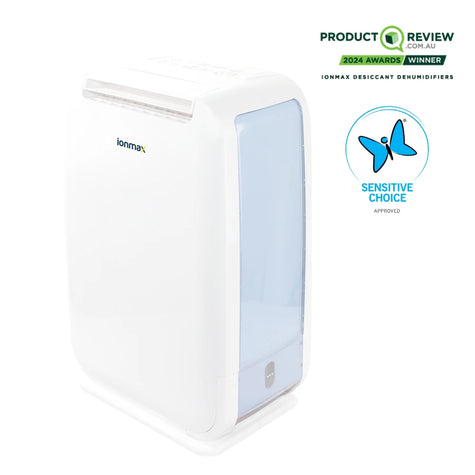
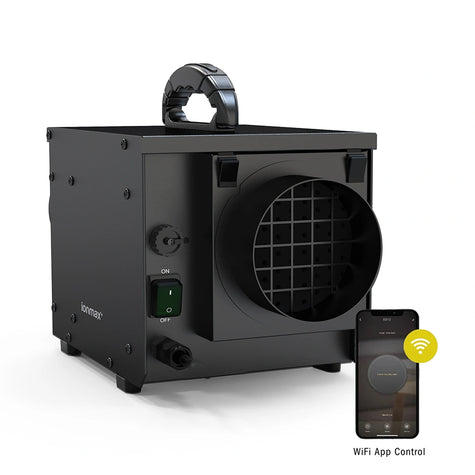
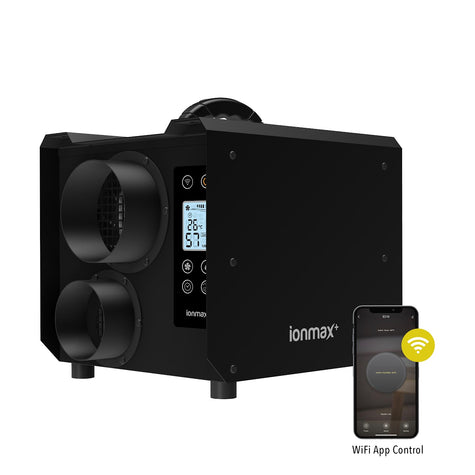
Address excess humidity that can contribute to condensation & dampness where mould can grow.
Explore dehumidifiersSteps for better air quality
A healthier home is not created by one appliance. It comes from consistent, practical choices.
Notice when and where symptoms or discomfort tend to occur.
Keep it current and follow the advice of your healthcare professional.
Bring in fresh air when outdoor conditions make it suitable.
Act on condensation, leaks, visible mould and persistent dampness.
Clean regularly and pay attention to bedding and soft furnishings.
Track indoor air quality and humidity to understand changes over time.
Speak with your GP, pharmacist or asthma healthcare professional.
Recognised, not just marketed
Selected Ionmax products carry independent recognition from organisations Australians know.

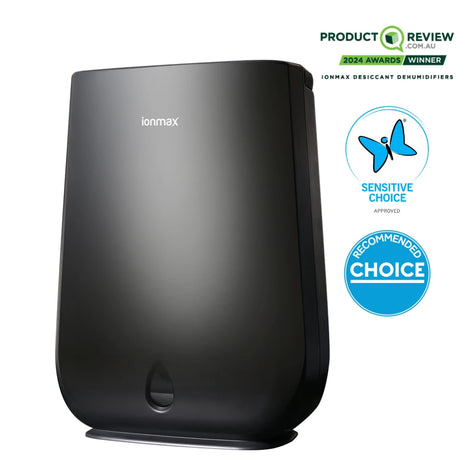
Selected Ionmax’s air purifiers and dehumidifiers carry the Blue Butterfly seal.

Ionmax dehumidifiers have received CHOICE recommendations since 2013.
 Pillar guide
Asthma Australia
Asthma Australia has been the leading charity for people with asthma and their communities for over 60 years.
Pillar guide
Asthma Australia
Asthma Australia has been the leading charity for people with asthma and their communities for over 60 years.
 National Asthma Council Australia
The National Asthma Council Australia is the leading national authority for asthma knowledge, setting the standard for asthma care.
(opens in a new window)
National Asthma Council Australia
The National Asthma Council Australia is the leading national authority for asthma knowledge, setting the standard for asthma care.
(opens in a new window)
 Healthdirect Australia
 is the national virtual public health information service. Our core business is providing 24/7 health information, advice and referral for all Australians no matter where they live or when they need help.
(opens in a new window)
Healthdirect Australia
Healthdirect Australia is the national virtual public health information service. Our core business is providing 24/7 health information, advice and referral for all Australians no matter where they live or when they need help.
(opens in a new window)
Ionmax products are designed to help manage aspects of the indoor environment. They are not medical devices or treatments for asthma. People with asthma should follow their Asthma Action Plan and seek advice from an appropriate healthcare professional.

Asthma Week | 1-7 September 2026
Small changes can help create a healthier, more comfortable place to live. Begin with the Healthy Home Check.
Discount applies to all Ionmax air purifiers from 1 to 14 September 2026. Not available with other offers.

Ionmax focuses on the wellness of Australians through air quality treatment innovations, from Sensitive Choice approved dehumidifiers to award-winning air purifiers. Having been in the market for over 20 years, Ionmax is highly reviewed for its effective air quality products and excellent after-sales support.