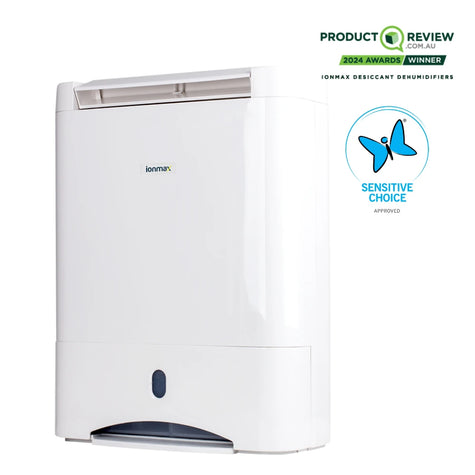
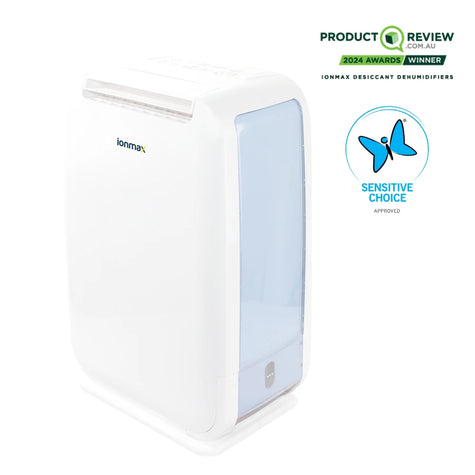
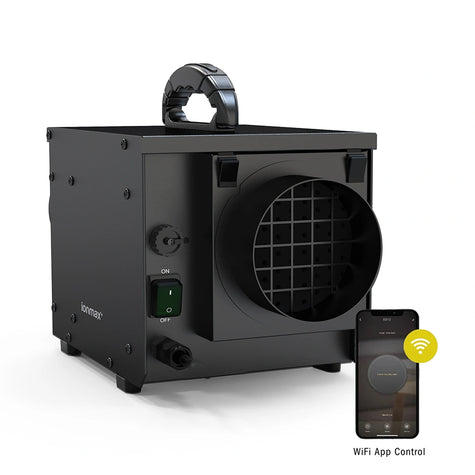
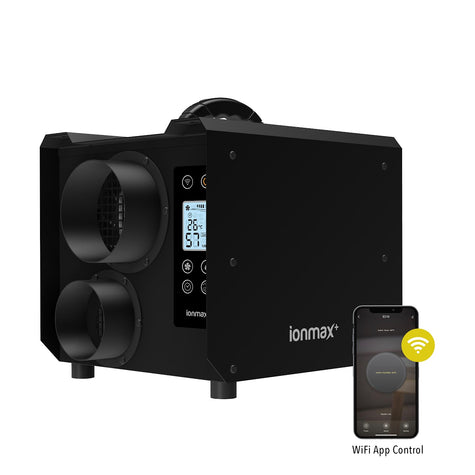

We seal our homes to keep the scorching summer heat out, but this protective habit traps indoor air pollution. The real kicker: hot temperatures actually speed up the release of toxins inside your home, compounding your risk.
This creates a health challenge. Our guide explains the specific, hidden ways heat degrades your breathing space, and how to use Ionmax's dual-defense strategy to stay protected.
The summer air quality paradox
The two major issues accelerated by summer heat are: volatile organic compounds (VOCs) and trapped outdoor particles. You need a solution that tackles both the heat and the pollutants it generates.
Mechanism 1: VOCs
High heat acts like an accelerator pedal for the chemicals trapped in your home furnishings. This process is called "off-gassing," and the invisible vapours released are VOCs.
These vapours come from common items like new paint, glue in furniture and cabinetry, cleaning products, and plastics.
When your home temperature rises, these toxic gases enter your breathing space faster. VOCs are known irritants that can cause headaches, nausea, and severely trigger existing asthma or respiratory sensitivity.
So, what can you do?
One of the most effective strategies is improving ventilation. Opening windows during the cooler parts of the day, using cross-breezes, or running kitchen and bathroom exhaust fans helps dilute and remove VOCs before they accumulate indoors. Keeping your home shaded and reducing indoor heat buildup also slows down the rate of off-gassing.
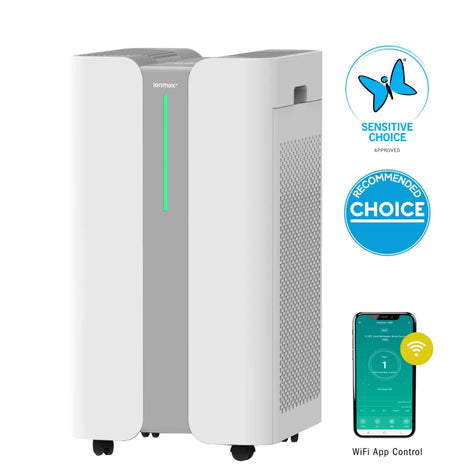
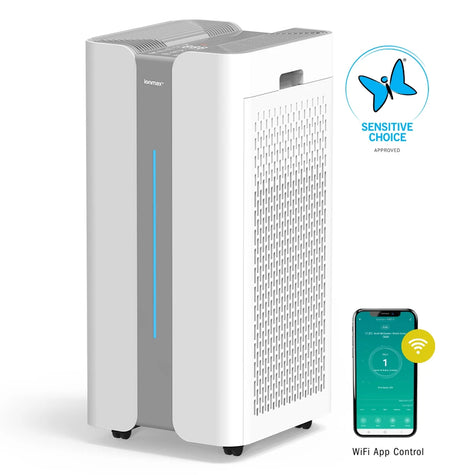
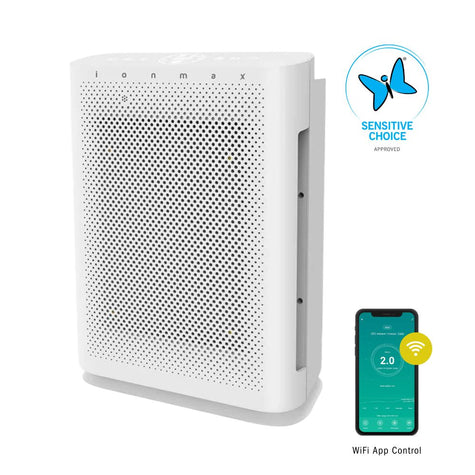
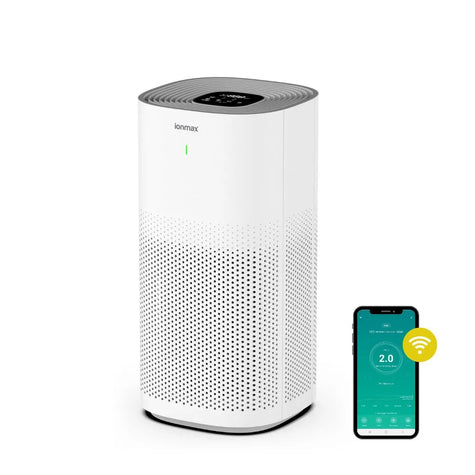
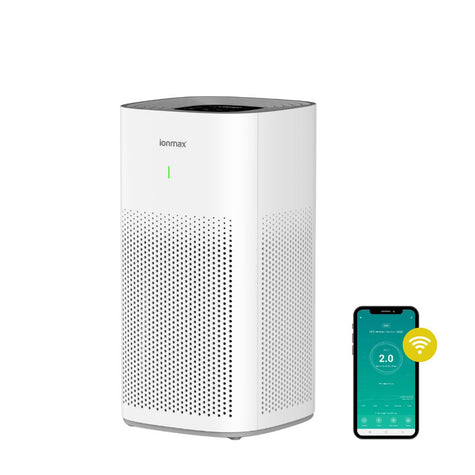
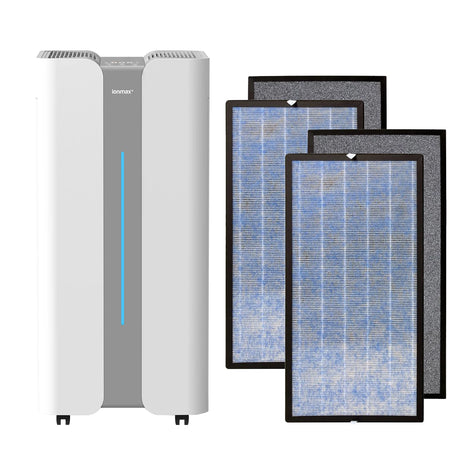
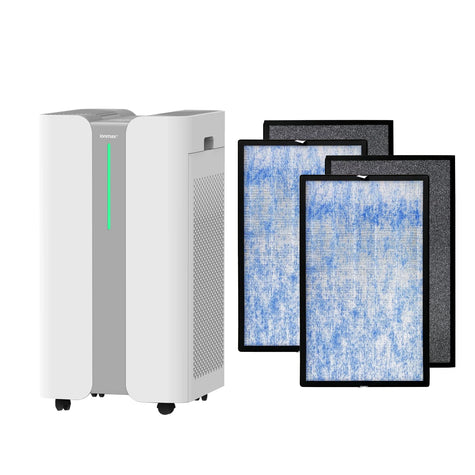
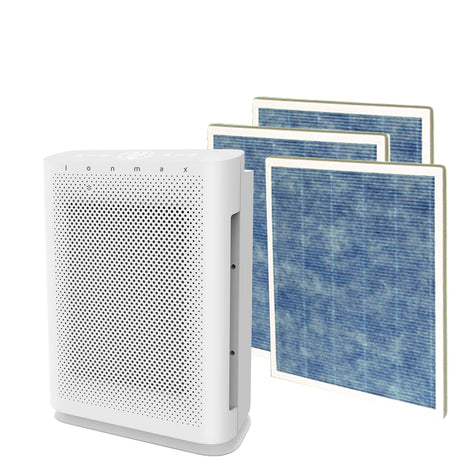
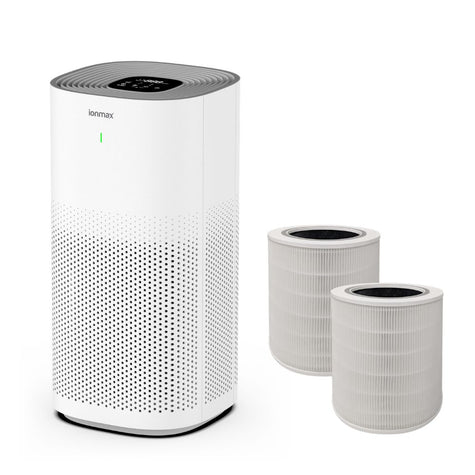
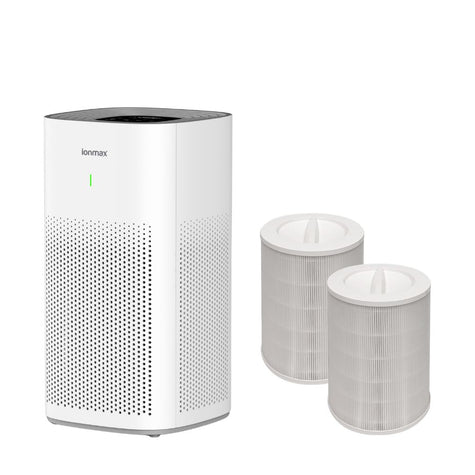
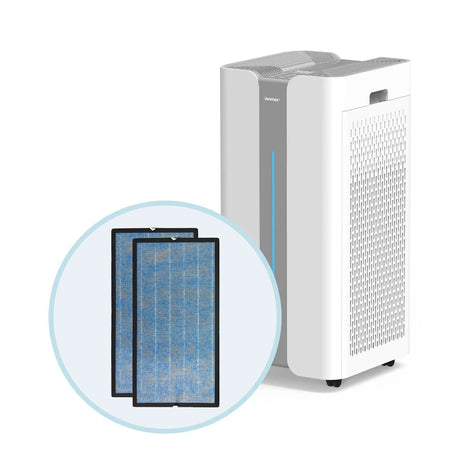
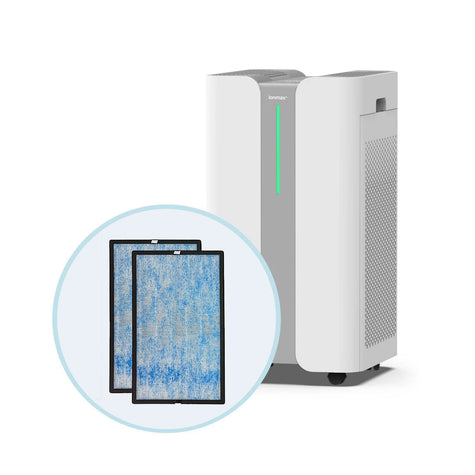
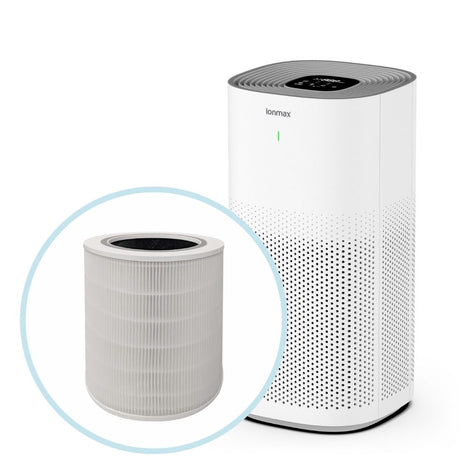
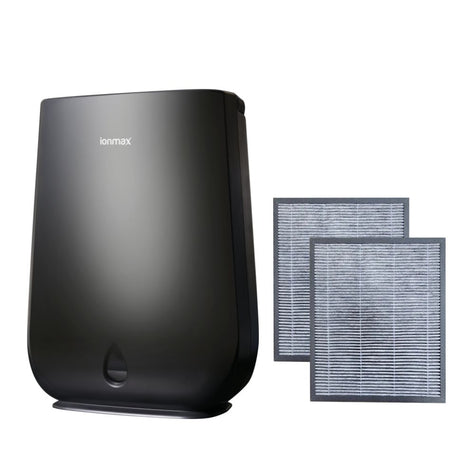
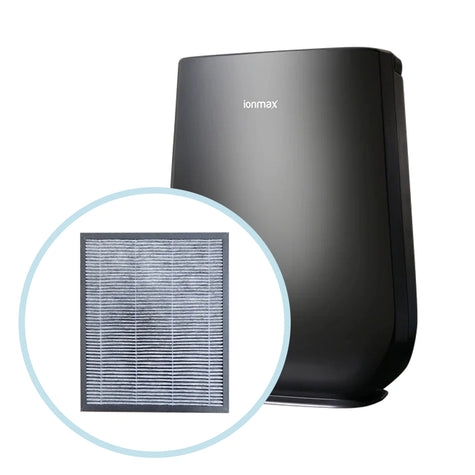
For households needing extra support — especially during heatwaves or in newer homes with more synthetic materials — a high-efficiency air purifier with Activated Carbon filtration adds another layer of protection by adsorbing VOCs and neutralising chemical vapours.
Together, natural ventilation and targeted filtration help keep your indoor air clearer, safer, and more comfortable throughout the hotter months.
Mechanism 2: Trapped outdoor pollution (Ozone & PM2.5)
Hot, sunny weather is the perfect recipe for ground-level ozone — the main component of smog — formed when vehicle exhaust and industrial emissions react in sunlight. On the same days ozone peaks, bushfire smoke and heavy traffic often raise fine particulate matter (PM2.5), creating a mix of pollutants that can seep indoors.
The health impact is significant:
Ozone is a potent lung irritant that can worsen asthma and reduce lung function, while PM2.5 particles are tiny enough to penetrate deep into the lungs and even enter the bloodstream.
During summer, many Australians shut windows and rely on air conditioning, which unfortunately traps any pollution that enters the home. Without a way to disperse these contaminants, indoor levels can become even more concentrated than outdoors.
So what can you do?
- Improve your home’s sealing and timing: Just like our earlier advice, ventilation will be your saviour. Keep windows closed during peak heat and pollution hours (usually mid-afternoon), but open them during cooler, cleaner periods — early morning or late evening — to flush the house with fresh air.
- Use strategic shading: Reducing direct sunlight through blinds, curtains, or awnings keeps indoor temperatures down, slowing the spread of ozone and reducing the need to run AC constantly.
Ventilation for dilution + filtration for precision removal gives you the best protection against summer pollution events — ensuring the air you breathe indoors stays cleaner and healthier all season.
Mechanism 3: Humidity and allergen boom
High humidity (anything above 60% RH) turbocharges the growth of biological allergens like mould, mildew, and dust mites. Once they take hold, they spread quickly and can trigger allergies, musty odours, and long-term property damage.
What can you do?
- Boost natural airflow: Again, ventilation will save your life. Cross-ventilation is one of the simplest ways to prevent condensation build-up.
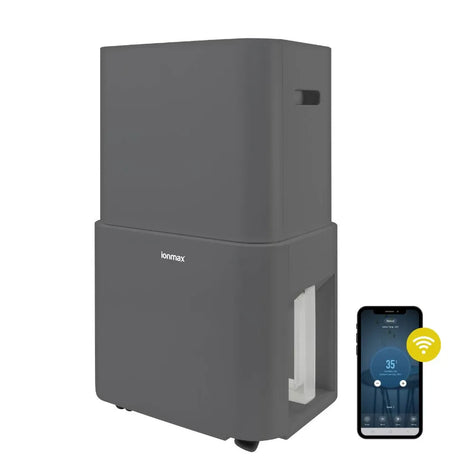
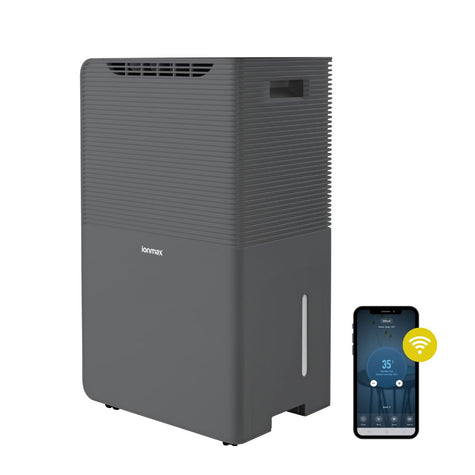
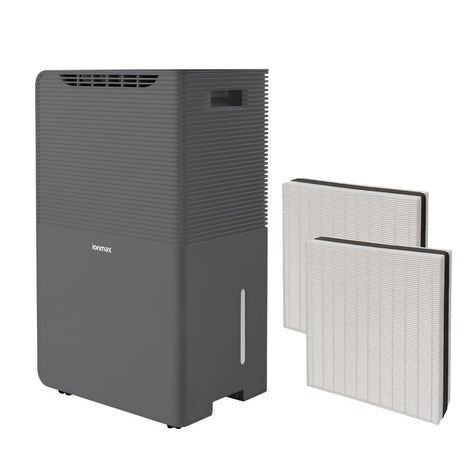
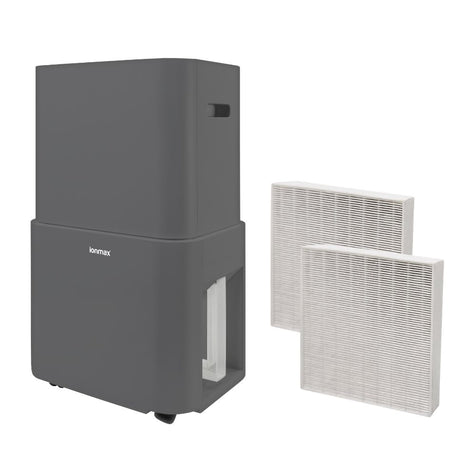
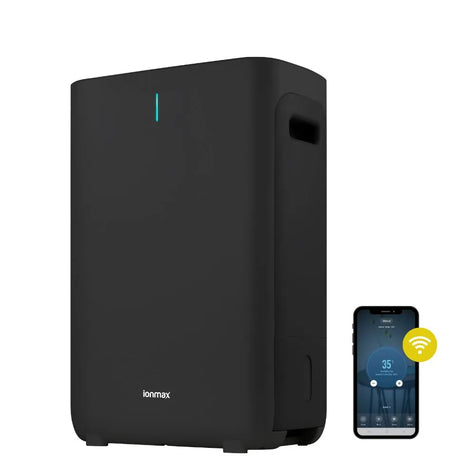
- Reduce indoor moisture at the source: Use extractor fans when cooking or showering, cover pots when boiling water, and avoid drying clothes indoors — all of which can significantly lower indoor humidity. If these practices are unavoidable, employ a dehumidifier to keep things under control.
By combining good household habits with targeted humidity management, you can prevent moisture problems at the source — keeping your home healthier, fresher, and mould-free all summer.
Actionable summary
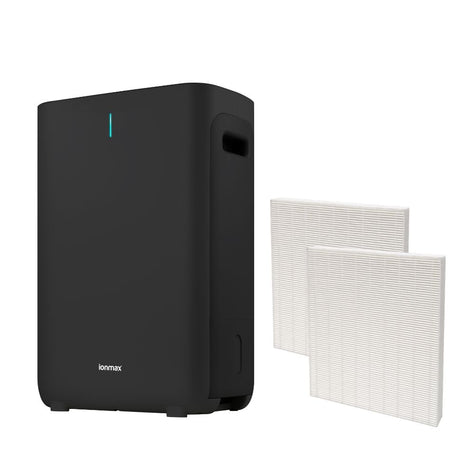
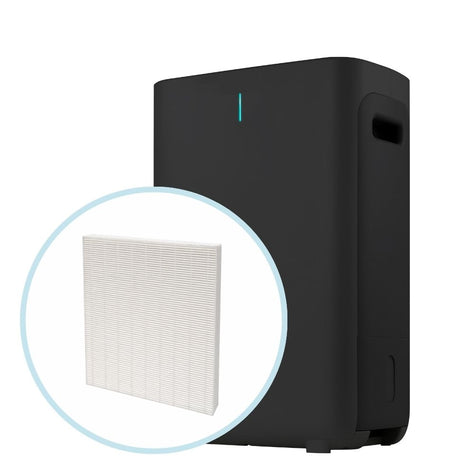
The key to staying protected is a mix of smart habits — improving ventilation, reducing indoor moisture, and limiting pollutant sources — paired with the right tools when needed, such as activated carbon filtration for gases or HEPA purification for particles.
By understanding how summer conditions affect the air in your home, you can take simple, proactive steps to keep your indoor environment cleaner, healthier, and far more comfortable.
Find the perfect Ionmax air treatment appliance to secure your home’s air quality this summer by shopping below!